Baked Salmon: An Easy Dinner Recipe Salmon is a weeknight dinner superstar. It’s healthy, delicious, and incredibly quick and easy to prepare. This recipe focuses on creating a flavorful and tender baked salmon dish that’s perfect for busy weeknights or a relaxed weekend meal. We’ll cover everything from choosing the best salmon to simple seasoning…
Baked Salmon: An Easy Dinner Recipe
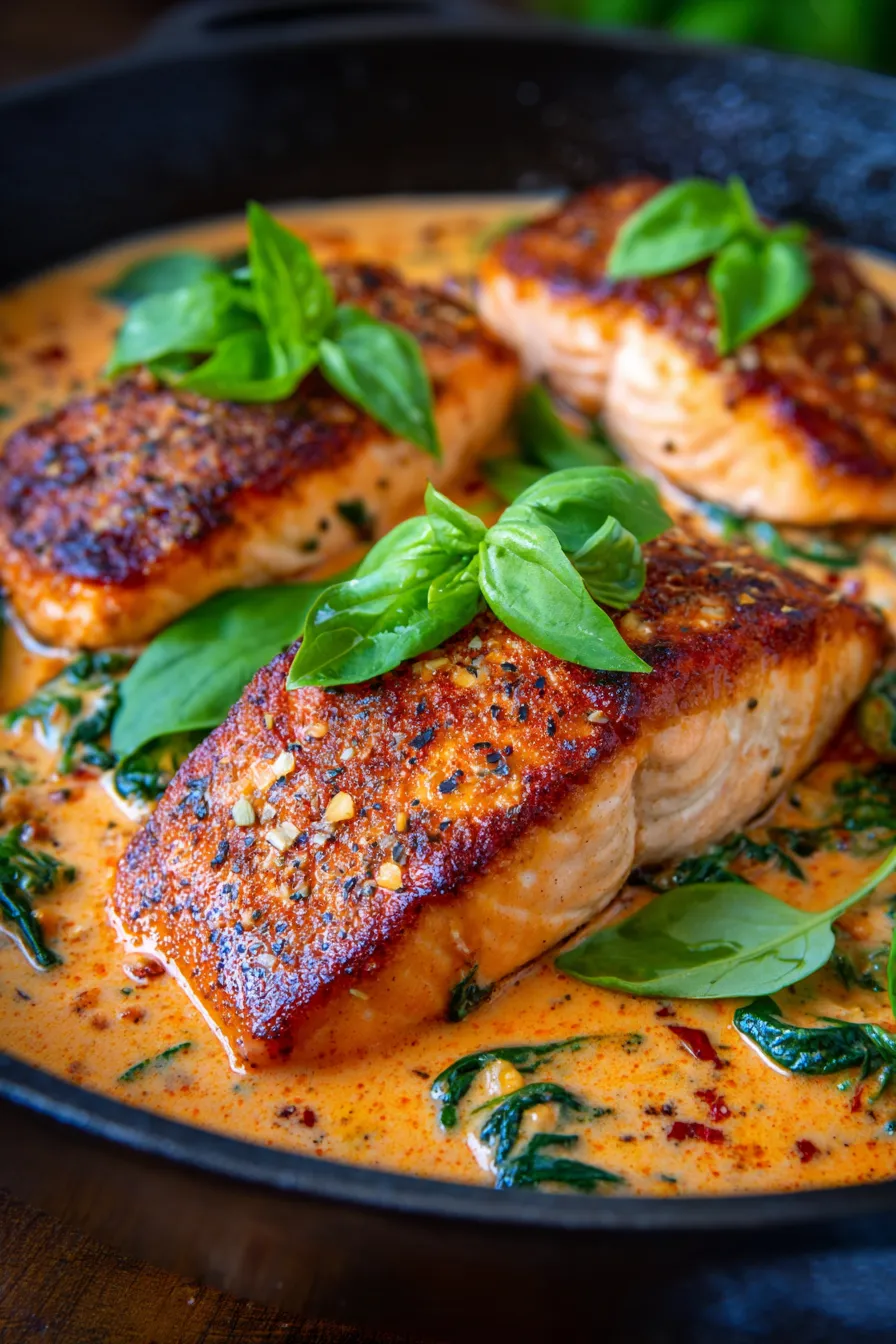
Salmon is a weeknight dinner superstar. It’s healthy, delicious, and incredibly quick and easy to prepare. This recipe focuses on creating a flavorful and tender baked salmon dish that’s perfect for busy weeknights or a relaxed weekend meal. We’ll cover everything from choosing the best salmon to simple seasoning techniques and oven-baking instructions.
Choosing the Right Salmon
The quality of your salmon will significantly impact the final dish. Here’s what to look for:
- Fresh vs. Frozen: Fresh salmon should have a vibrant color and a fresh, sea-like smell. Avoid salmon that smells overly fishy or has a dull, lifeless appearance. Frozen salmon is a great option, especially if fresh isn’t readily available. Look for individually vacuum-sealed portions. Thaw it in the refrigerator overnight for best results.
- Wild vs. Farmed: Wild salmon (like Sockeye or Coho) is generally leaner and has a richer, more pronounced flavor. Farmed salmon (like Atlantic salmon) is often more readily available, more affordable, and has a higher fat content, resulting in a more tender and moist final product. Both are good options, so choose based on your preference and budget.
- Skin On or Off: Leaving the skin on provides extra flavor and helps keep the salmon moist during baking. The skin also becomes wonderfully crispy if cooked properly. If you prefer to remove the skin, you can do so after baking.
- Thickness: Try to choose fillets that are relatively uniform in thickness to ensure even cooking. Thin tail pieces will cook faster and may become dry, while thicker center cuts will require longer.
Simple Seasoning for Flavorful Salmon
One of the best things about salmon is that it doesn’t need a lot of fuss to taste amazing. Here are some easy seasoning options:
- Olive Oil, Salt, and Pepper: The simplest and often best approach. Drizzle the salmon with olive oil, season generously with salt and freshly ground black pepper. This allows the natural flavor of the salmon to shine through.
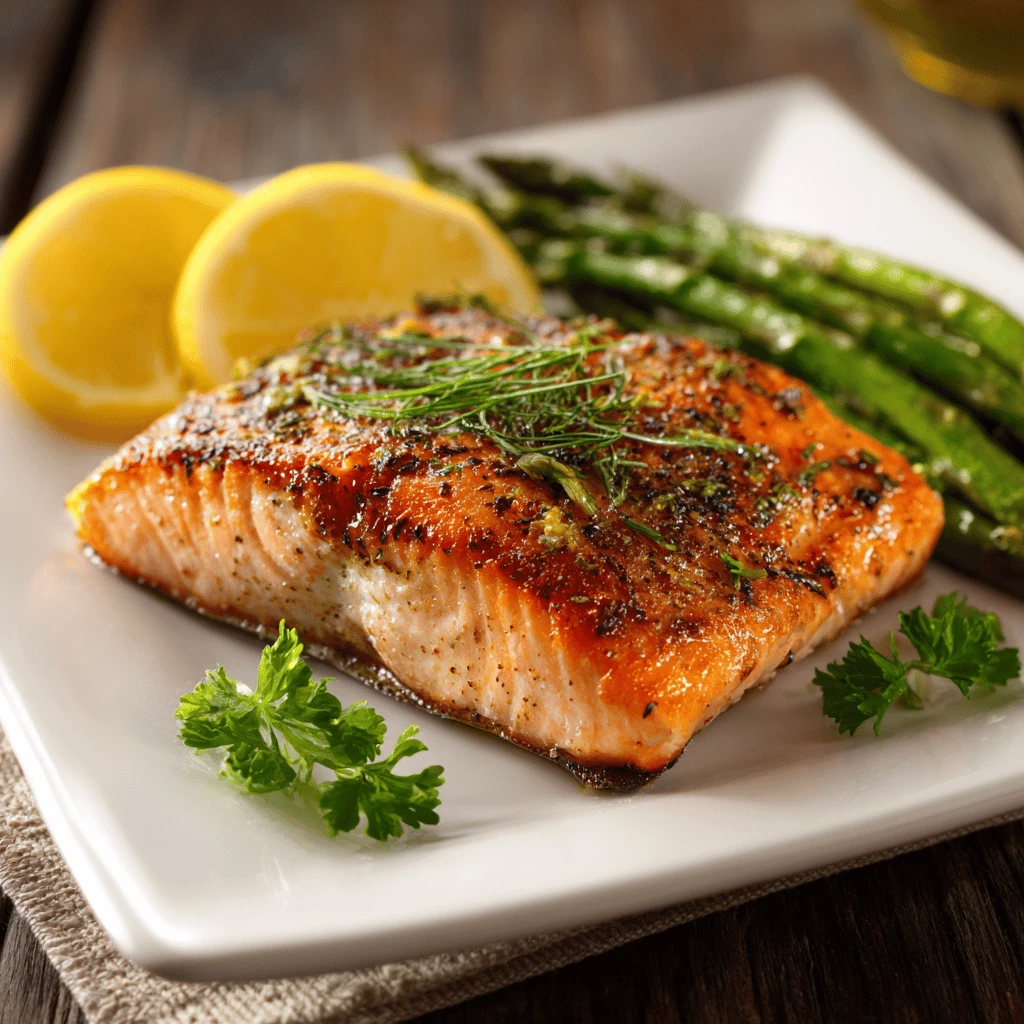
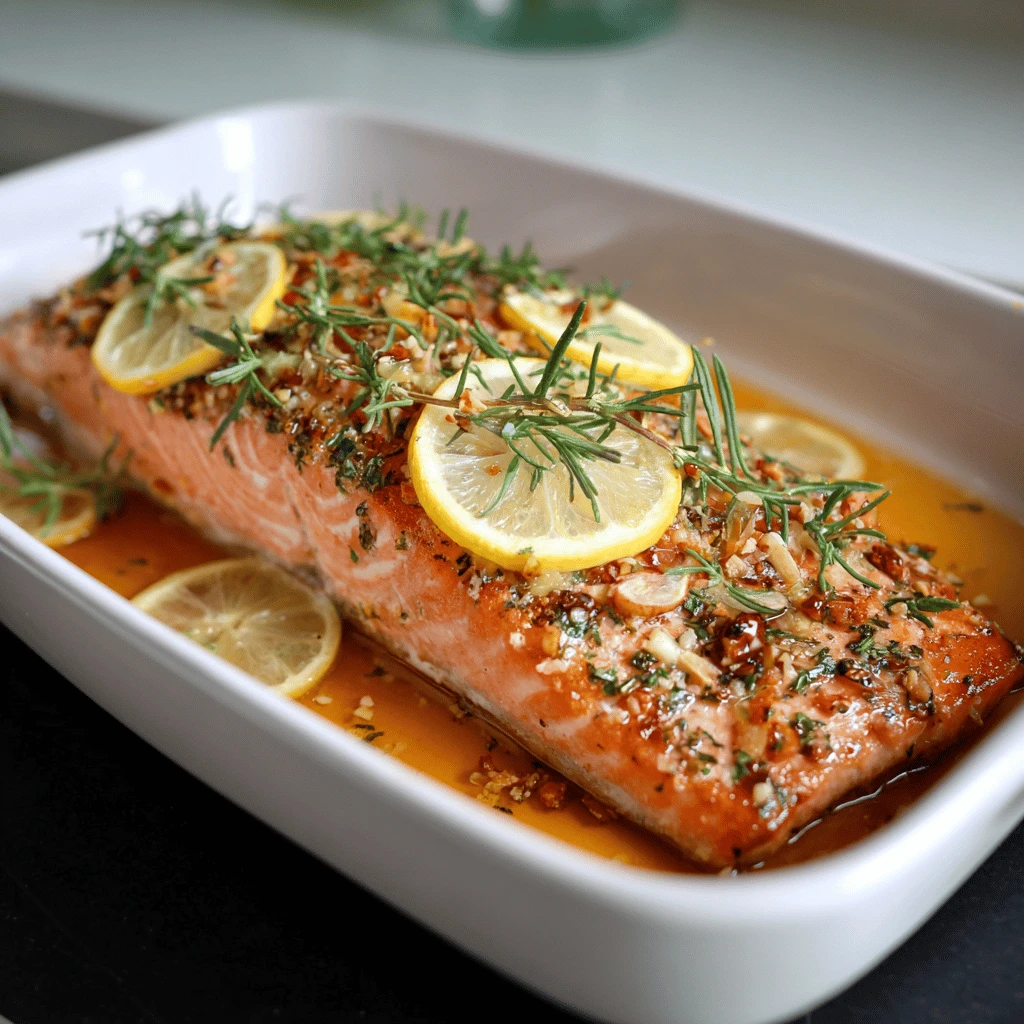
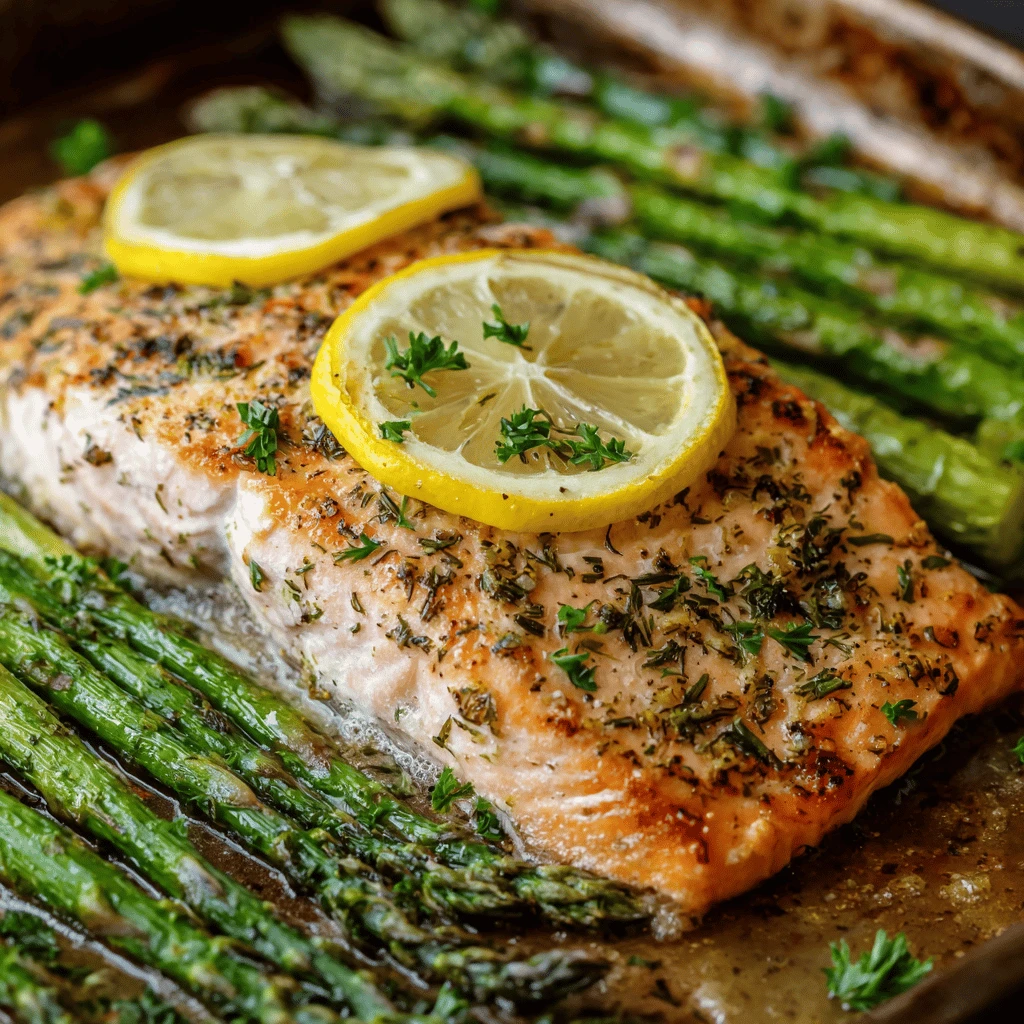
- Lemon and Herbs: A classic combination. Place thin slices of lemon on top of the salmon and sprinkle with your favorite fresh herbs like dill, parsley, or thyme. A squeeze of fresh lemon juice after baking brightens the flavors.
- Garlic and Dijon: For a bolder flavor, whisk together minced garlic, Dijon mustard, olive oil, salt, and pepper. Spread the mixture evenly over the salmon before baking.
- Brown Sugar Glaze: For a touch of sweetness, combine brown sugar, soy sauce, ginger, and garlic. Brush the glaze over the salmon during the last few minutes of baking to avoid burning. A pinch of red pepper flakes adds a nice kick.
- Everything Bagel Seasoning: A trendy and delicious option. Simply sprinkle Everything Bagel seasoning generously over the salmon before baking.
Prepping the Salmon:
Before seasoning, pat the salmon dry with paper towels. This helps the seasoning adhere better and promotes crispier skin if you’re leaving it on. Ensure all bones are removed. Most fillets are sold boneless, but run your fingers over the flesh to check for any stray pin bones. You can easily remove them with tweezers or fish bone pliers.
Baking the Perfect Salmon
Baking is a foolproof way to cook salmon. It’s hands-off and results in a tender, flaky fish.
- Oven Temperature: Preheat your oven to 400°F (200°C). This temperature allows the salmon to cook through without drying out.
- Baking Dish: Line a baking sheet with parchment paper or foil. This makes cleanup a breeze and prevents the salmon from sticking.
- Baking Time: The baking time will vary depending on the thickness of the salmon fillets. Generally, allow 12-15 minutes per inch of thickness. A 1-inch thick fillet will typically take about 12-15 minutes to bake.
- Doneness: The salmon is done when it flakes easily with a fork and the internal temperature reaches 145°F (63°C). Use an instant-read thermometer to check the temperature at the thickest part of the fillet. Be careful not to overcook the salmon, as it will become dry and tough. It’s better to err on the side of slightly undercooked, as it will continue to cook slightly after being removed from the oven.
- Broiling for Crispier Skin (Optional): For extra crispy skin, broil the salmon for the last 1-2 minutes of baking, keeping a close eye on it to prevent burning.
Tips for Moist Salmon:
- Don’t overbake.
- Use a marinade.
- Bake with vegetables to add moisture.
- Wrap the salmon in foil.
Side Dish Pairings for a Complete Meal
Baked salmon is incredibly versatile and pairs well with a wide variety of side dishes. Here are a few suggestions:
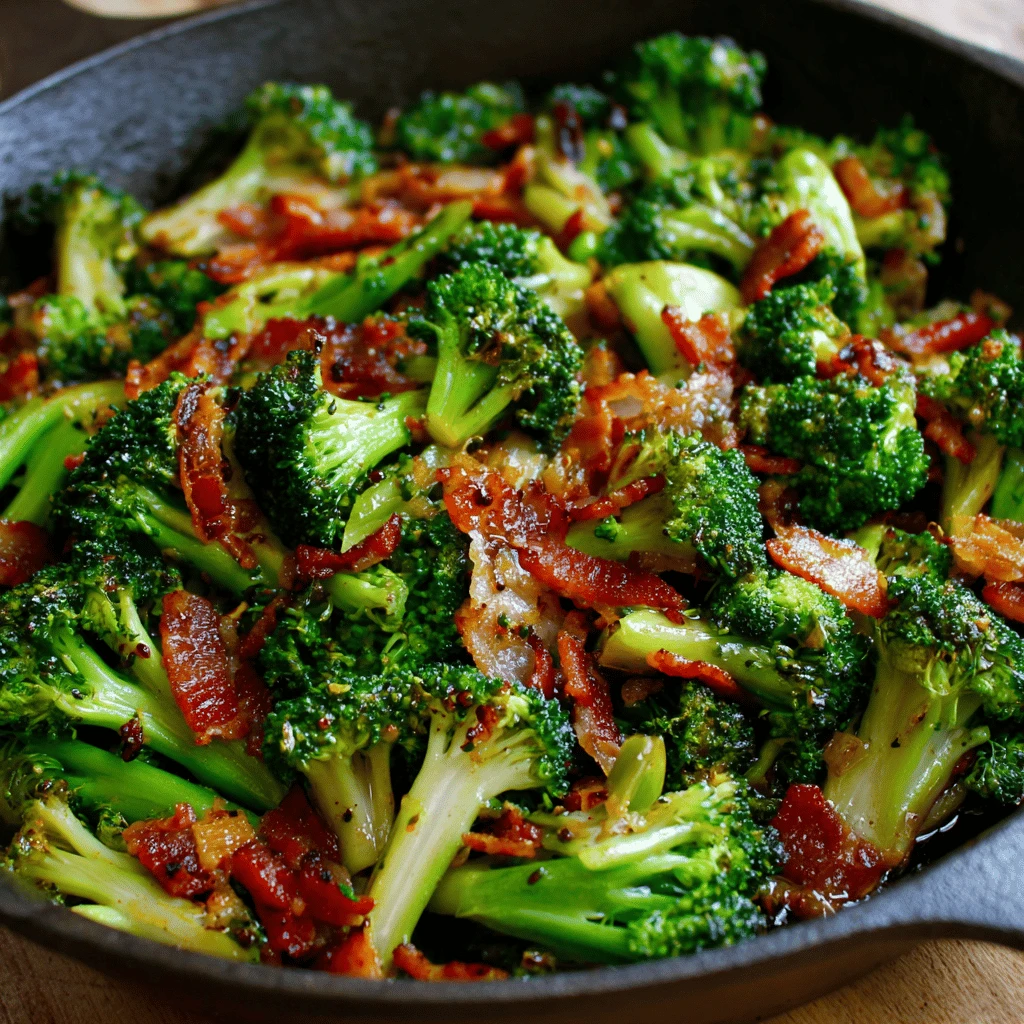
- Roasted Vegetables: Asparagus, broccoli, Brussels sprouts, carrots, and sweet potatoes are all excellent choices. Toss them with olive oil, salt, pepper, and roast them alongside the salmon.
- Quinoa or Rice: A healthy and satisfying grain to complement the salmon. Season with herbs, lemon juice, or a touch of butter.
- Salad: A fresh and vibrant salad is a great way to balance the richness of the salmon. Choose a simple green salad with a light vinaigrette or a more substantial salad with grains, beans, and vegetables.
- Potatoes: Roasted potatoes, mashed potatoes, or even simple boiled potatoes are all delicious options. Add herbs, garlic, or a dollop of sour cream for extra flavor.
- Green Beans Almondine: A classic side dish that pairs perfectly with salmon. Sauté green beans with butter, sliced almonds, and a squeeze of lemon juice.
Consider the seasoning you use on the salmon when choosing a side dish. Lemony salmon goes well with roasted asparagus and quinoa. Garlic-Dijon salmon pairs nicely with mashed potatoes and green beans. Brown sugar-glazed salmon is delicious with roasted sweet potatoes and rice.
Serving and Storing Leftovers
Once the salmon is cooked, remove it from the oven and let it rest for a few minutes before serving. This allows the juices to redistribute, resulting in a more tender and flavorful fish.
Serving Suggestions:
- Garnish with fresh herbs like dill, parsley, or chives.
- Squeeze a little fresh lemon juice over the salmon for added brightness.
- Serve with your chosen side dishes and enjoy!
Storing Leftovers:
Leftover baked salmon can be stored in an airtight container in the refrigerator for up to 3 days. Reheat gently in the oven or microwave. Leftover salmon is also delicious cold in salads, sandwiches, or wraps. You can also flake it into pasta dishes or use it to make salmon cakes.
FAQ – People Also Ask
- What is the best temperature to bake salmon? The best temperature to bake salmon is 400°F (200°C).
- How long does it take to bake salmon at 400? It typically takes 12-15 minutes per inch of thickness to bake salmon at 400°F.
- How do you keep salmon from drying out when baking? To keep salmon from drying out when baking, don’t overbake it, use a marinade, bake it with vegetables, or wrap it in foil.
- Is it better to bake salmon covered or uncovered? It’s generally better to bake salmon uncovered, which allows the surface to brown nicely. If you’re concerned about it drying out, you can loosely cover it with foil during the first half of the baking time.
- What goes well with salmon for dinner? Salmon pairs well with roasted vegetables, quinoa or rice, salad, potatoes, and green beans.
- Can you overcook salmon? Yes, you can overcook salmon. Overcooked salmon will be dry and tough.