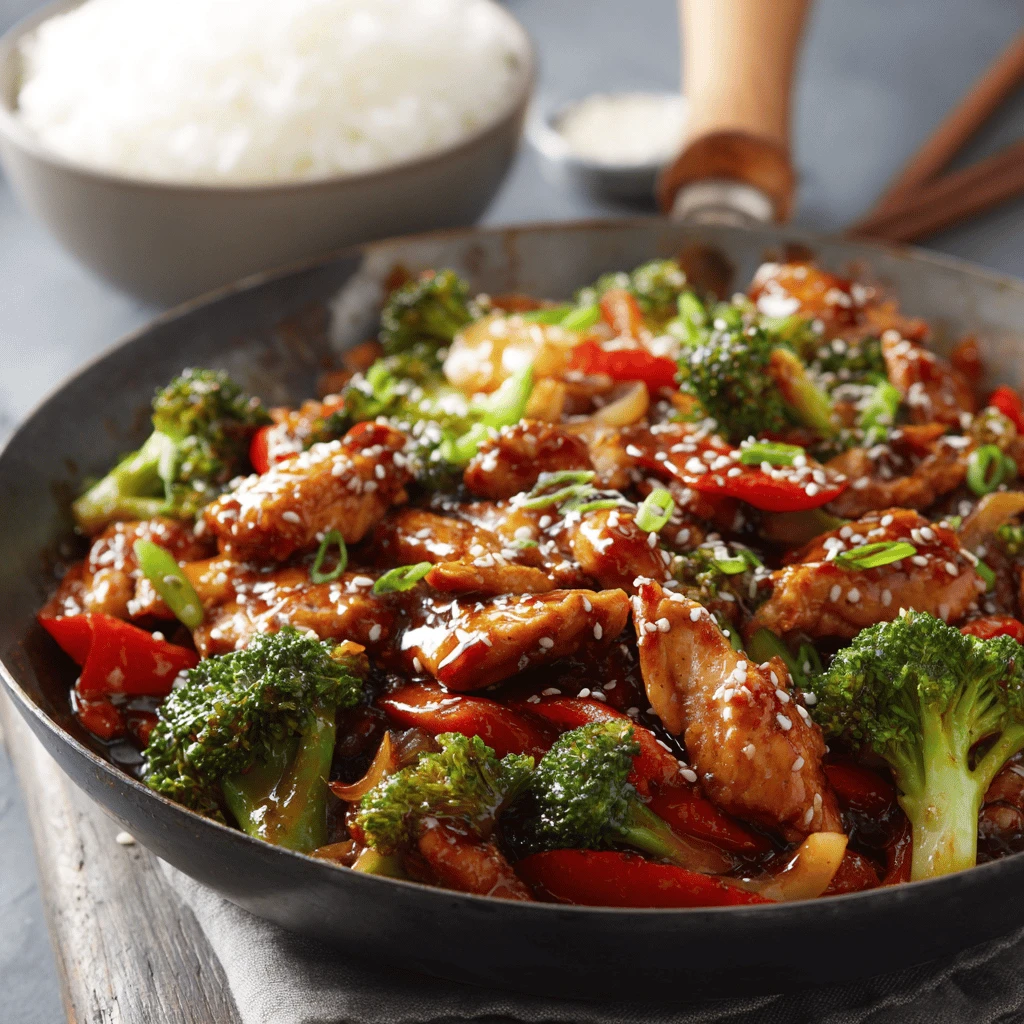
Easy Recipe Teriyaki Chicken Stir-Fry The Ultimate Weeknight Teriyaki Chicken Stir-Fry: Quick, Easy, and Delicious Craving a flavorful and satisfying meal without spending hours in the kitchen? This easy teriyaki chicken stir-fry recipe is your answer. Perfect for busy weeknights, it combines tender chicken, vibrant vegetables, and a luscious homemade teriyaki sauce that will have…
Easy Recipe Teriyaki Chicken Stir-Fry
The Ultimate Weeknight Teriyaki Chicken Stir-Fry: Quick, Easy, and Delicious
Craving a flavorful and satisfying meal without spending hours in the kitchen? This easy teriyaki chicken stir-fry recipe is your answer. Perfect for busy weeknights, it combines tender chicken, vibrant vegetables, and a luscious homemade teriyaki sauce that will have everyone asking for seconds. This isn’t just another stir-fry; it’s a culinary shortcut to a restaurant-quality dish, made with ingredients you likely already have in your pantry. Forget takeout – you can create a healthy and delicious meal in under 30 minutes!
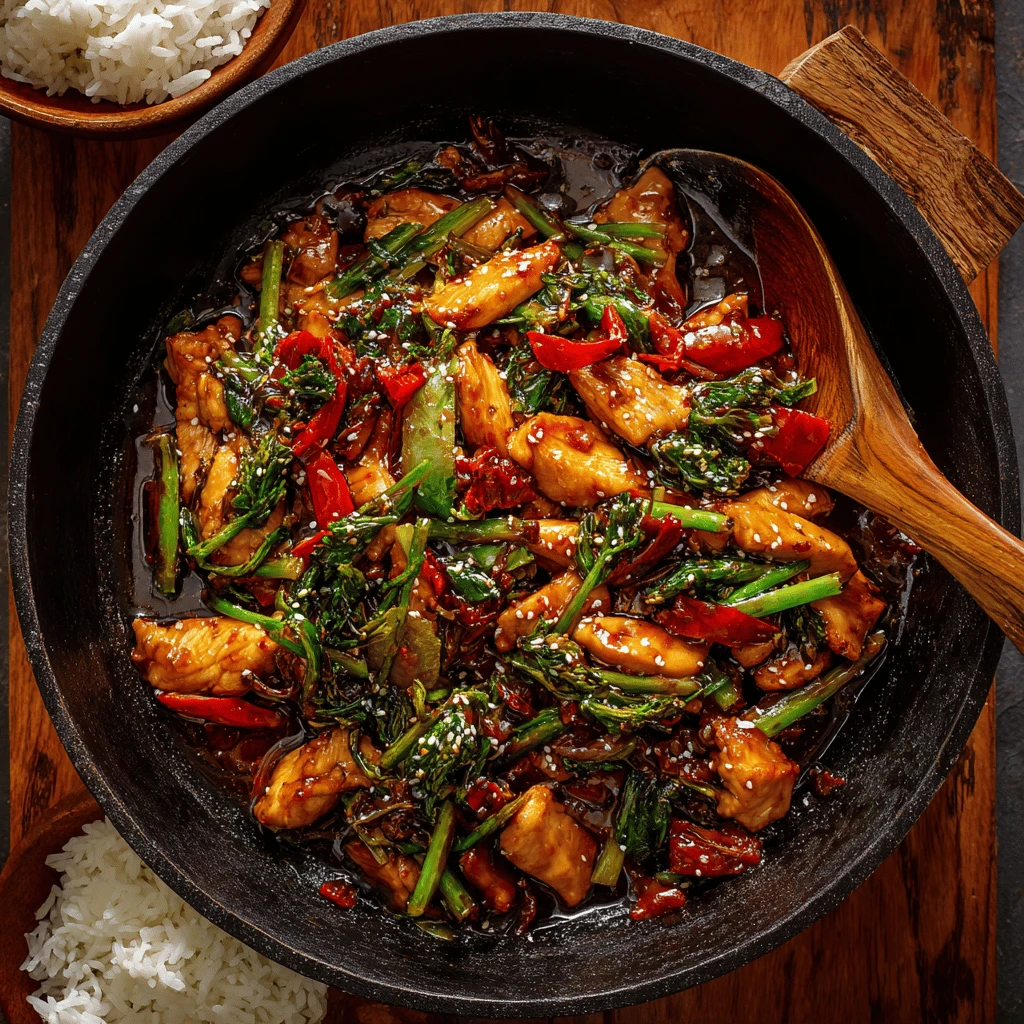
Mastering the Art of Teriyaki Chicken Stir-Fry
Choosing Your Chicken Cut
The foundation of any great chicken stir-fry is, of course, the chicken. Boneless, skinless chicken thighs are an excellent choice for their rich flavor and ability to remain juicy during high-heat cooking. However, boneless, skinless chicken breasts also work well. The key is to cut the chicken into uniform, bite-sized pieces. This ensures even cooking and allows the chicken to absorb the teriyaki sauce beautifully. Aim for pieces that are about 1-inch in size. Before cooking, pat the chicken dry with paper towels to promote browning.
Selecting the Perfect Vegetables
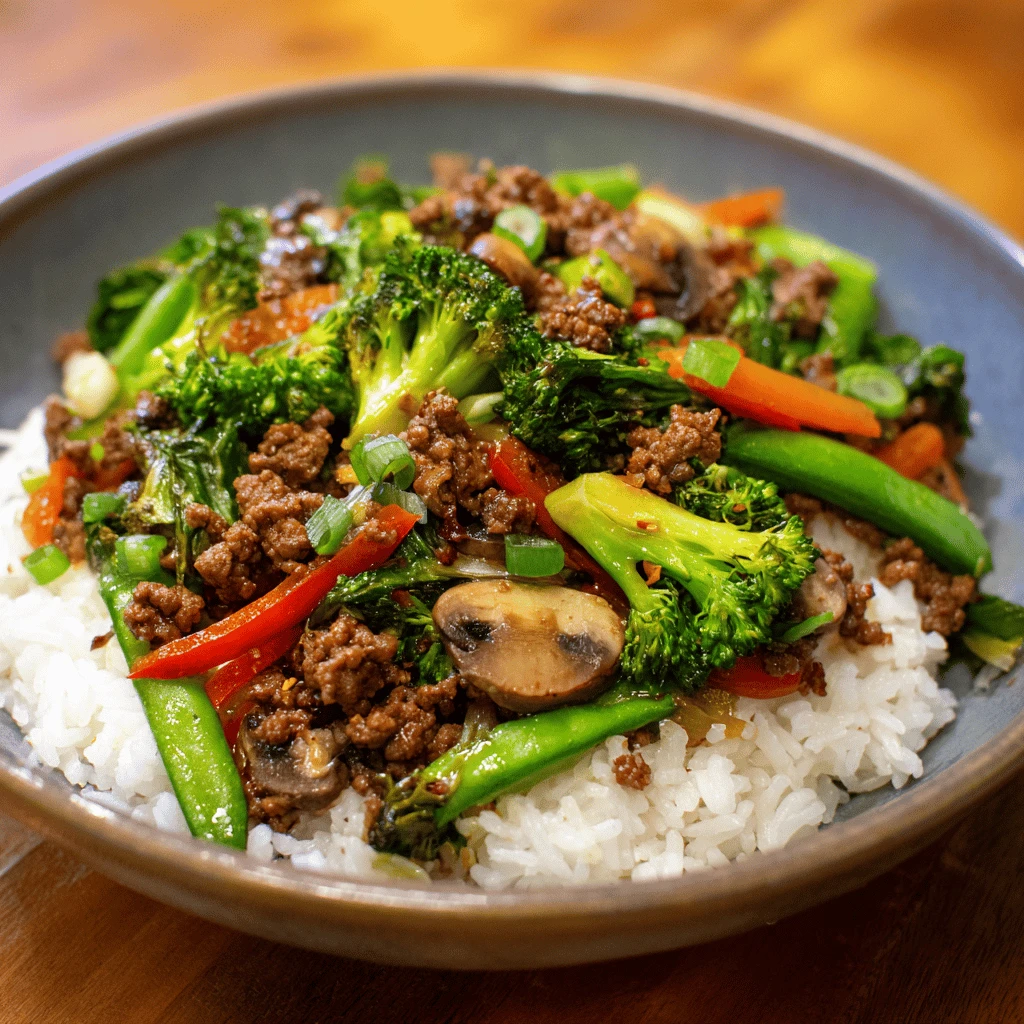
A vibrant stir-fry is all about the vegetables! The beauty of this recipe is its versatility. You can use almost any combination of vegetables you enjoy. Some popular choices include broccoli florets, sliced carrots, bell peppers (red, yellow, or orange), snow peas, snap peas, mushrooms (such as shiitake or cremini), and sliced onions. For a bit of heat, consider adding a thinly sliced chili pepper.
When preparing your vegetables, ensure they are cut into similar sizes to promote even cooking. Heartier vegetables like carrots and broccoli should be cut smaller than softer vegetables like bell peppers. Aim for a mix of colors and textures to make your stir-fry visually appealing and nutritionally balanced.
Crafting the Homemade Teriyaki Sauce
While store-bought teriyaki sauce is convenient, making your own is surprisingly easy and allows you to control the sweetness and sodium content. This recipe uses a simple combination of soy sauce, sake (or dry sherry), mirin (or rice vinegar with a pinch of sugar), brown sugar, ginger, and garlic. A touch of cornstarch thickens the sauce to a glossy perfection.
To prepare the sauce, whisk together all the ingredients in a small bowl until the cornstarch is fully dissolved. Taste and adjust the sweetness or saltiness to your preference. A little grated ginger and minced garlic add a burst of aromatic flavor that complements the chicken and vegetables perfectly.
The Stir-Fry Process: Step-by-Step
Preparing Your Ingredients
Before you start cooking, ensure all your ingredients are prepped and ready to go. This includes cutting the chicken and vegetables, measuring out the teriyaki sauce ingredients, and cooking the rice or noodles, if serving. Having everything organized will make the stir-fry process quick and efficient. This is often called “mise en place,” meaning everything in its place.
The Importance of High Heat
Stir-frying is a high-heat cooking method, so make sure your wok or large skillet is hot before adding any ingredients. Heat a tablespoon or two of neutral oil (such as canola or vegetable oil) over medium-high heat until it shimmers.
Cooking the Chicken
Add the chicken to the hot wok or skillet in a single layer. Avoid overcrowding the pan, as this will lower the temperature and result in steamed, rather than browned, chicken. If necessary, cook the chicken in batches. Cook the chicken for about 3-5 minutes, or until it is cooked through and nicely browned on all sides. Remove the chicken from the pan and set aside.
Sautéing the Vegetables
Add the vegetables to the wok or skillet and stir-fry for about 5-7 minutes, or until they are tender-crisp. Add the vegetables in order of cooking time, starting with the harder vegetables like carrots and broccoli, followed by the softer vegetables like bell peppers and mushrooms. If the pan becomes too dry, add a splash of water or chicken broth.
Combining and Finishing
Return the cooked chicken to the wok or skillet with the vegetables. Pour the teriyaki sauce over the chicken and vegetables and stir-fry for another 2-3 minutes, or until the sauce has thickened and evenly coated the chicken and vegetables. Garnish with sesame seeds and chopped green onions before serving.
Serving Suggestions and Variations
What to Serve with Teriyaki Chicken Stir-Fry
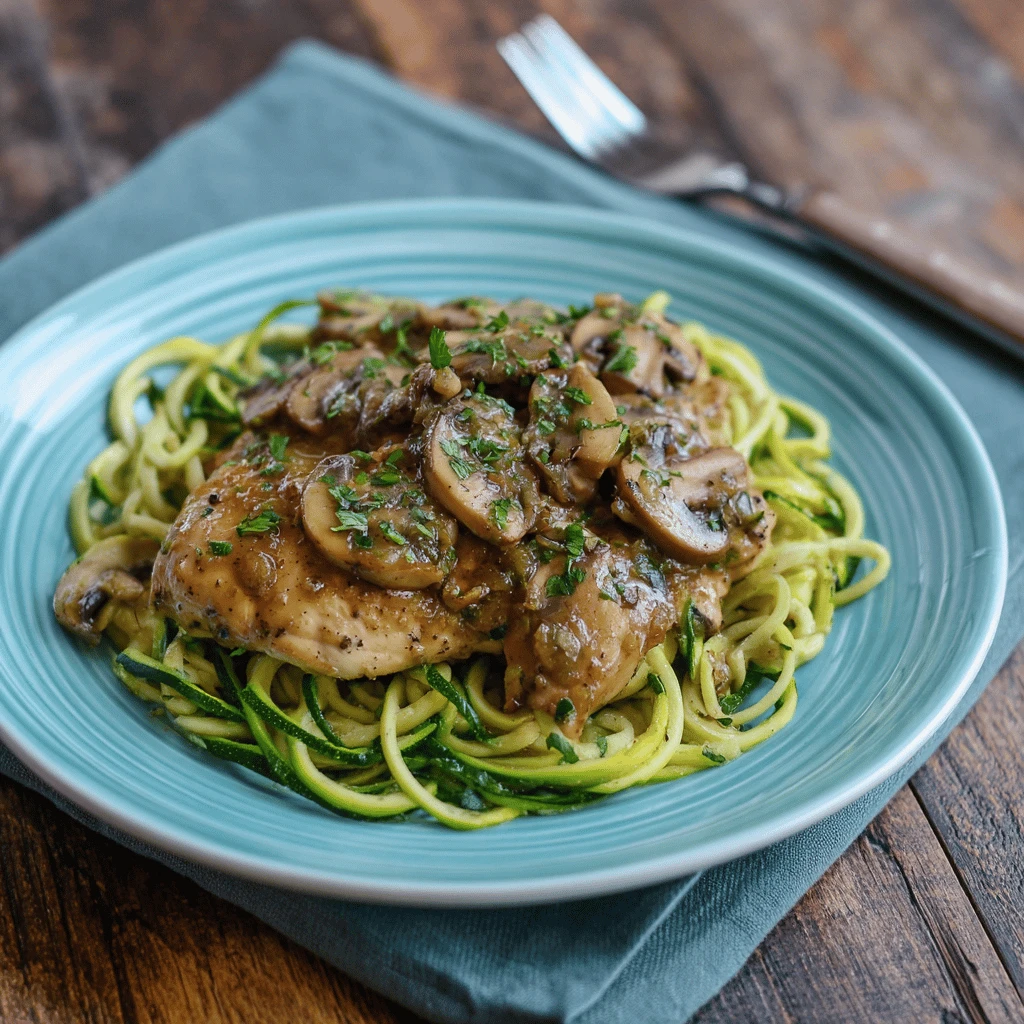
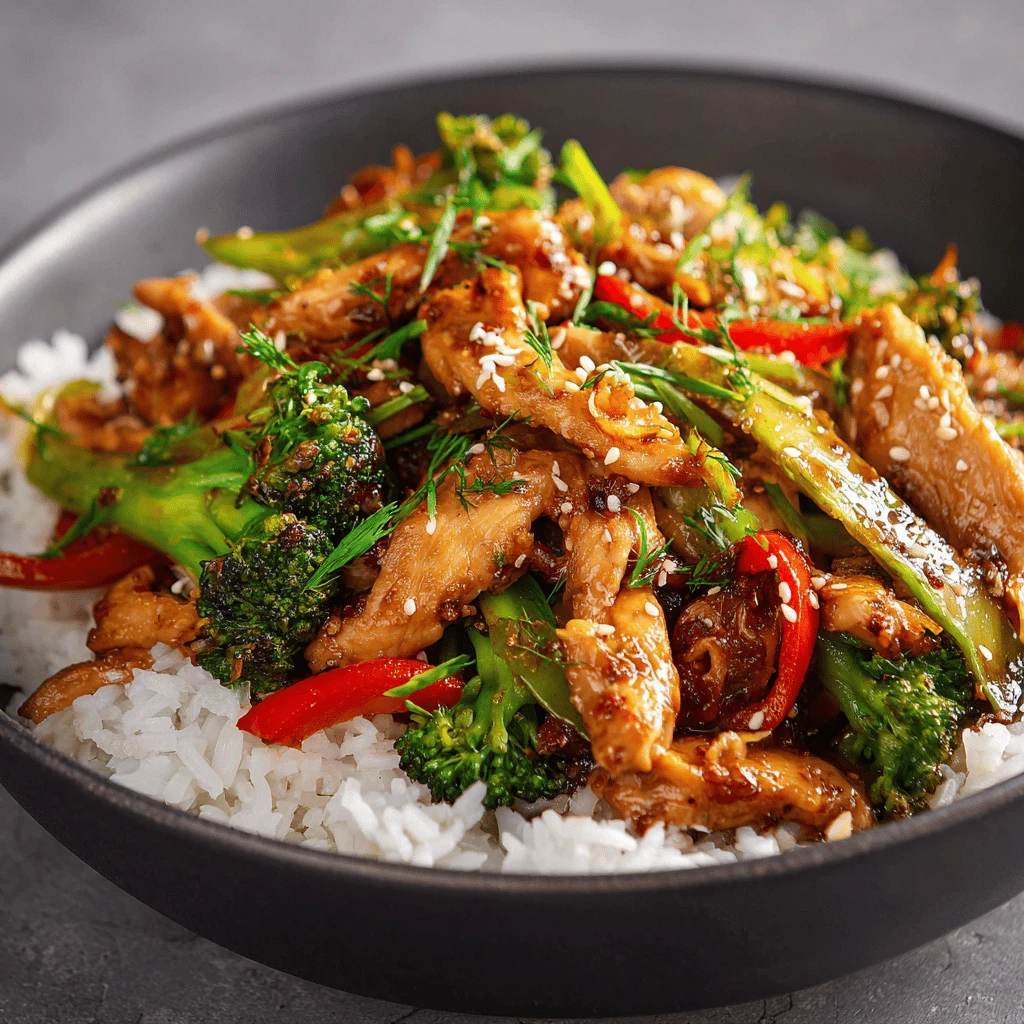
This teriyaki chicken stir-fry is delicious served over steamed rice, brown rice, quinoa, or noodles. It also pairs well with a side of edamame or a simple salad. For a low-carb option, serve it over cauliflower rice or zucchini noodles.
Adding a Personal Touch: Variations to Try
- Pineapple Teriyaki Chicken: Add chunks of pineapple to the stir-fry for a sweet and tangy twist.
- Spicy Teriyaki Chicken: Add a pinch of red pepper flakes or a dash of sriracha to the teriyaki sauce for a spicy kick.
- Teriyaki Chicken with Noodles: Use your favorite type of noodles, such as udon, soba, or ramen noodles, instead of rice.
- Vegetarian Option: Substitute the chicken with tofu or tempeh for a vegetarian-friendly version. Press the tofu to remove excess water before stir-frying.
- Cashew Chicken Teriyaki: Add roasted cashew pieces to the final stir-fry for extra crunch and flavor.
Making it Ahead and Storing Leftovers
Teriyaki chicken stir-fry is best served fresh, but leftovers can be stored in an airtight container in the refrigerator for up to 3 days. Reheat the stir-fry in a skillet over medium heat or in the microwave until heated through. The sauce may thicken slightly upon refrigeration, so you may need to add a splash of water or chicken broth when reheating.
You can also prepare the individual components of the stir-fry ahead of time. Cut the chicken and vegetables and store them separately in the refrigerator. The teriyaki sauce can also be made ahead of time and stored in an airtight container in the refrigerator for up to a week.
Frequently Asked Questions (FAQs)
Can I use frozen vegetables?
Yes, you can use frozen vegetables, but keep in mind that they may release more water during cooking. Thaw them slightly before adding them to the stir-fry and cook them for a shorter amount of time to prevent them from becoming too mushy.
Can I use honey instead of brown sugar in the teriyaki sauce?
Yes, you can substitute honey for brown sugar in the teriyaki sauce. Use the same amount of honey as you would brown sugar. Keep in mind that honey will add a slightly different flavor profile to the sauce.
How can I make the teriyaki sauce gluten-free?
To make the teriyaki sauce gluten-free, use tamari instead of soy sauce. Tamari is a type of soy sauce that is made without wheat.
What is mirin, and where can I find it?
Mirin is a Japanese sweet rice wine that is commonly used in Japanese cooking. It adds a subtle sweetness and flavor to sauces and marinades. If you cannot find mirin, you can substitute it with rice vinegar and a pinch of sugar. Mirin can be found in most Asian grocery stores and in the international aisle of many supermarkets.
Can I add other protein sources?
Yes, you can add other protein sources, such as shrimp, beef, or pork. Simply adjust the cooking time accordingly.