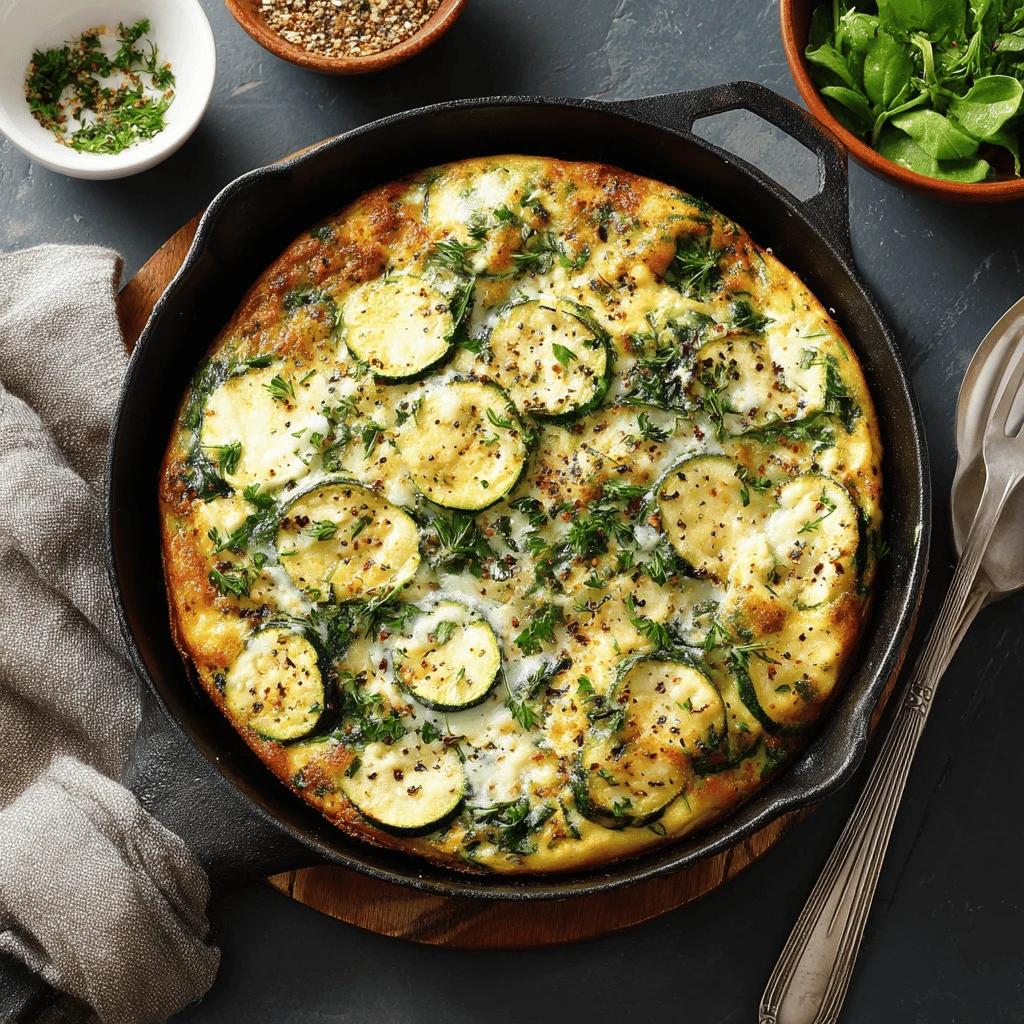
Spinach and Zucchini Frittata A Delicious and Nutritious Breakfast, Brunch, or Light Meal The spinach and zucchini frittata is a versatile and healthy dish perfect for any time of day. Whether you’re looking for a protein-packed breakfast, a light lunch, or a simple dinner, this frittata delivers on flavor and nutrition. It’s also a fantastic…
Spinach and Zucchini Frittata
A Delicious and Nutritious Breakfast, Brunch, or Light Meal
The spinach and zucchini frittata is a versatile and healthy dish perfect for any time of day. Whether you’re looking for a protein-packed breakfast, a light lunch, or a simple dinner, this frittata delivers on flavor and nutrition. It’s also a fantastic way to use up leftover vegetables and customize to your taste preferences. This guide will walk you through crafting the perfect spinach and zucchini frittata, offering tips, variations, and answers to frequently asked questions.

Understanding the Frittata: More Than Just an Omelet
While often compared to omelets, frittatas have distinct characteristics. Unlike omelets, which are cooked quickly and folded, frittatas are cooked slowly, often starting on the stovetop and finishing in the oven. This method allows the eggs to cook evenly and creates a denser, more substantial texture. The fillings are mixed directly into the egg mixture, ensuring that every bite is bursting with flavor.
The beauty of the frittata lies in its adaptability. You can use a variety of vegetables, cheeses, and meats to create endless flavor combinations. The basic foundation remains the same: eggs, dairy (optional), and your favorite fillings. For this recipe, we’ll focus on the classic pairing of spinach and zucchini, but don’t be afraid to experiment and personalize it to your liking.
Crafting the Perfect Spinach and Zucchini Frittata: A Step-by-Step Guide
Ingredients:
- 6 large eggs
- 2 tablespoons milk or cream (optional, for extra richness)
- 1 medium zucchini, diced
- 5 ounces fresh spinach, roughly chopped
- 1/2 cup grated Parmesan cheese (or your favorite cheese)
- 1 small onion, diced
- 2 cloves garlic, minced
- 2 tablespoons olive oil
- Salt and pepper to taste
- Optional: Red pepper flakes for a touch of heat
Instructions:
1. Prepare the Vegetables: Heat olive oil in an oven-safe skillet (preferably cast iron) over medium heat. Add the diced onion and cook until softened, about 5 minutes. Add the minced garlic and cook for another minute until fragrant.
2. Sauté the Zucchini and Spinach: Add the diced zucchini to the skillet and cook until slightly softened, about 5-7 minutes. Add the chopped spinach and cook until wilted, about 2-3 minutes. Make sure to stir frequently to prevent burning. Remove from heat and set aside.
3. Whisk the Eggs: In a large bowl, whisk together the eggs and milk or cream (if using). Season generously with salt and pepper. Add the grated Parmesan cheese and mix well.
4. Combine and Bake: Pour the egg mixture over the vegetables in the skillet, ensuring that the vegetables are evenly distributed. If needed, gently push the vegetables down into the egg mixture.
5. Cook on Stovetop: Cook the frittata on the stovetop over low heat for about 5-7 minutes, or until the edges begin to set.
6. Bake in Oven: Transfer the skillet to a preheated oven at 375°F (190°C) and bake for 15-20 minutes, or until the frittata is set and lightly golden brown. A knife inserted into the center should come out clean.
7. Rest and Serve: Remove the frittata from the oven and let it rest for a few minutes before slicing and serving. Garnish with fresh herbs, such as parsley or chives, if desired.
Tips for Frittata Success
- Choose the Right Skillet: An oven-safe skillet is essential. Cast iron skillets are ideal because they distribute heat evenly. If you don’t have an oven-safe skillet, you can transfer the frittata to a baking dish before baking.
- Don’t Overcook the Vegetables: Sauté the vegetables until they are just tender, but not mushy. Overcooked vegetables will result in a soggy frittata.
- Season Generously: Season the egg mixture and the vegetables well with salt and pepper. This will enhance the flavors of the frittata.
- Even Distribution: Ensure the vegetables are evenly distributed throughout the egg mixture for consistent flavor in every bite.
- Adjust Baking Time: Baking times may vary depending on your oven. Check the frittata frequently and adjust the baking time as needed.
- Let it Rest: Allowing the frittata to rest for a few minutes after baking will help it set and make it easier to slice.
Variations and Additions
The spinach and zucchini frittata is a blank canvas for culinary creativity. Here are some variations and additions to consider:
- Cheese: Experiment with different cheeses such as feta, goat cheese, mozzarella, or Gruyère. Each cheese will add a unique flavor profile to the frittata.
- Meat: Add cooked bacon, sausage, ham, or prosciutto for a heartier frittata.
- Vegetables: Incorporate other vegetables such as mushrooms, bell peppers, tomatoes, or asparagus.
- Herbs: Fresh herbs such as basil, oregano, thyme, or rosemary can add a burst of flavor.
- Spice: Add a pinch of red pepper flakes or a dash of hot sauce for a touch of heat.
- Potatoes: Add pre-cooked and diced potatoes for a more substantial and filling frittata. Sweet potatoes also work well.
Serving Suggestions and Storage
The spinach and zucchini frittata can be served hot, warm, or cold. It’s delicious on its own or with a side salad, toast, or fresh fruit. It’s also a great option for meal prepping, as it can be made ahead of time and stored in the refrigerator.
Serving Suggestions:
- Serve with a side of mixed greens and a vinaigrette dressing for a light and refreshing meal.
- Pair with whole-wheat toast and avocado for a hearty breakfast or brunch.
- Serve with a dollop of Greek yogurt or sour cream for added creaminess.
- Cut into wedges and serve as an appetizer or snack.
Storage:
- Store leftover frittata in an airtight container in the refrigerator for up to 3-4 days.
- Reheat in the microwave, oven, or skillet until warmed through.
Freezing:
While frittatas can be frozen, the texture may change slightly. To freeze, wrap the frittata tightly in plastic wrap and then in aluminum foil. Freeze for up to 2-3 months. Thaw in the refrigerator overnight before reheating.
Frequently Asked Questions About Spinach and Zucchini Frittata
Q: Can I make this frittata ahead of time?
A: Yes, you can make the frittata ahead of time and store it in the refrigerator for up to 3-4 days. It’s a great option for meal prepping or entertaining.
Q: Can I use frozen spinach?
A: Yes, you can use frozen spinach. Be sure to thaw it completely and squeeze out any excess water before adding it to the frittata.
Q: Can I use different vegetables?
A: Absolutely! The spinach and zucchini frittata is very versatile. Feel free to use other vegetables such as mushrooms, bell peppers, tomatoes, or asparagus.
Q: Can I make this frittata dairy-free?
A: Yes, you can omit the milk or cream and use a dairy-free cheese alternative.
Q: How do I prevent the frittata from sticking to the skillet?
A: Use a well-seasoned cast iron skillet or a non-stick skillet. You can also grease the skillet with olive oil or cooking spray before adding the vegetables and egg mixture.
Q: What is the best way to reheat a frittata?
A: You can reheat a frittata in the microwave, oven, or skillet. For best results, reheat in the oven at 350°F (175°C) until warmed through.
Q: Can I add meat to this frittata?
A: Yes, you can add cooked bacon, sausage, ham, or prosciutto for a heartier frittata.
Q: How do I know when the frittata is done?
A: The frittata is done when the edges are set and lightly golden brown, and a knife inserted into the center comes out clean.