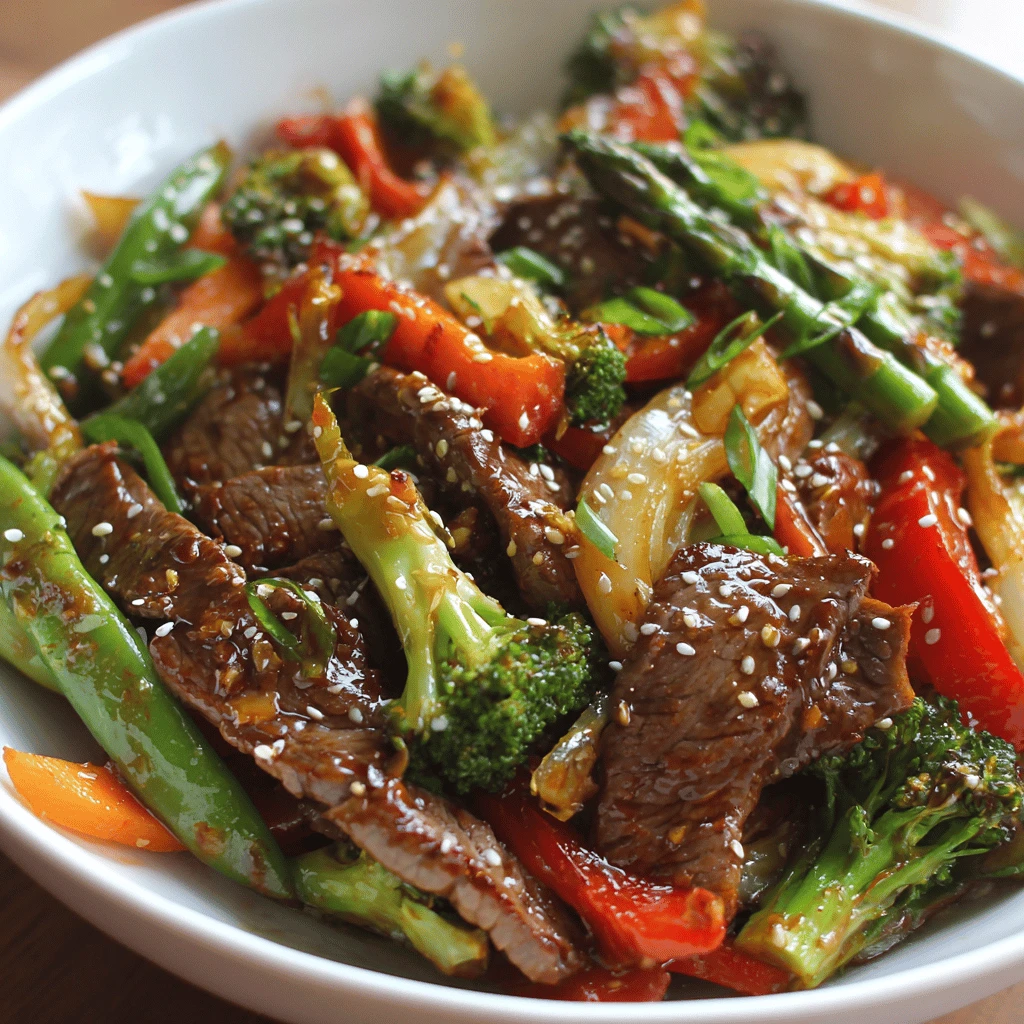
Quick Beef and Vegetable Stir-Fry Introduction: The Weeknight Warrior’s Dinner In the realm of quick, healthy, and satisfying meals, the beef and vegetable stir-fry reigns supreme. It’s a customizable dish that allows you to use whatever vegetables you have on hand, delivering a delicious and nutritious meal in under 30 minutes. Perfect for busy weeknights,…
Quick Beef and Vegetable Stir-Fry
Introduction: The Weeknight Warrior’s Dinner
In the realm of quick, healthy, and satisfying meals, the beef and vegetable stir-fry reigns supreme. It’s a customizable dish that allows you to use whatever vegetables you have on hand, delivering a delicious and nutritious meal in under 30 minutes. Perfect for busy weeknights, a well-executed stir-fry offers a delightful combination of tender beef, crisp-tender vegetables, and a flavorful sauce that will leave you wanting more. This article provides a complete guide to creating the perfect quick beef and vegetable stir-fry, covering everything from ingredient selection to cooking techniques.
Selecting the Perfect Ingredients
The key to a great stir-fry lies in the quality and preparation of your ingredients. Let’s break down the essential components:
Choosing Your Beef
The best cuts of beef for stir-fry are those that are tender and cook quickly. Some popular options include:
- Sirloin: A lean and flavorful cut that’s a great all-around choice.
- Flank Steak: This cut has a strong beefy flavor and is best sliced thinly against the grain.
- Skirt Steak: Similar to flank steak, skirt steak is also best sliced thinly.
- Ribeye: While more expensive, ribeye offers excellent marbling and flavor.
When selecting your beef, look for cuts with good marbling (flecks of fat within the muscle), as this will contribute to tenderness and flavor. Aim for about 1 pound of beef to serve four people.
The Vegetable Medley: A Rainbow of Flavors
The beauty of a stir-fry is its versatility. You can use almost any combination of vegetables you enjoy. Some popular choices include:
- Broccoli: Adds a vibrant green color and a slightly bitter flavor.
- Bell Peppers: Available in various colors (red, yellow, orange), bell peppers offer sweetness and a satisfying crunch.
- Carrots: Contribute sweetness and a slightly earthy flavor. Slice them thinly for even cooking.
- Snap Peas: Provide a delightful sweetness and a crisp texture.
- Onions: Add a savory base to the stir-fry. Yellow or white onions work well.
- Mushrooms: Offer an earthy and umami flavor. Shiitake, cremini, or white button mushrooms are all good choices.
- Zucchini: A mild-flavored vegetable that absorbs the flavors of the sauce well.
- Bok Choy: Adds a slightly peppery and leafy green element.
Aim for about 4-6 cups of chopped vegetables for a balanced stir-fry. Choose a variety of colors and textures for the best result.
The Stir-Fry Sauce: The Flavor Amplifier
The sauce is what brings everything together in a stir-fry. A classic stir-fry sauce typically includes a combination of:
- Soy Sauce: Provides a salty and umami base. Use low-sodium soy sauce to control the saltiness.
- Oyster Sauce: Adds a rich, savory, and slightly sweet flavor. This is optional but highly recommended. Vegetarian oyster sauce made from mushrooms is a great substitute.
- Sesame Oil: Contributes a nutty and aromatic flavor. Use toasted sesame oil for the best flavor.
- Cornstarch: Helps to thicken the sauce and create a glossy finish.
- Ginger: Adds a warm and spicy flavor. Fresh ginger is best, but ground ginger can be used in a pinch.
- Garlic: Provides a pungent and aromatic flavor. Fresh garlic is preferred.
- Brown Sugar: Balances the savory flavors with a touch of sweetness.
- Rice Vinegar: Adds a touch of acidity to balance the flavors.
Preparing for Stir-Fry Success
Proper preparation is crucial for a successful stir-fry. This involves slicing your ingredients correctly and preparing your sauce in advance.
Slicing and Dicing: Uniformity is Key
Cut your beef into thin strips, about 1/4 inch thick, against the grain. This ensures that the beef cooks quickly and remains tender. Slice your vegetables into uniform sizes, so they cook evenly.
Marinating the Beef: Tenderizing and Flavoring
Marinating the beef for at least 15 minutes (or up to a few hours in the refrigerator) will enhance its flavor and tenderness. A simple marinade can consist of:
- 1 tablespoon soy sauce
- 1 tablespoon cornstarch
- 1 teaspoon sesame oil
- 1/2 teaspoon ground black pepper
Prepping the Sauce: Ready to Go
Whisk together all the sauce ingredients in a small bowl and set aside. This will allow you to quickly add the sauce to the stir-fry without having to measure each ingredient while cooking.
A typical recipe for the stir-fry sauce may contain the following:
- 1/4 cup soy sauce
- 2 tablespoons oyster sauce
- 1 tablespoon sesame oil
- 1 tablespoon cornstarch
- 1 tablespoon brown sugar
- 1 tablespoon rice wine (or dry sherry)
- 1 teaspoon ground ginger
- 2 cloves garlic, minced
The Stir-Fry Technique: High Heat and Fast Action
Stir-frying is a quick cooking method that requires high heat and constant stirring. Here’s how to execute it properly:
Choosing the Right Pan: Wok or Skillet
A wok is the ideal pan for stir-frying because its rounded bottom and sloping sides allow for even heat distribution and easy tossing of ingredients. However, a large skillet can also be used.
High Heat is Essential
Heat your wok or skillet over high heat until it is smoking hot. This is crucial for achieving that characteristic stir-fry flavor and texture.
Adding the Ingredients in Stages
Add a tablespoon of vegetable oil to the hot pan. Add the beef in a single layer and cook for 1-2 minutes per side, until browned. Remove the beef from the pan and set aside.
Add another tablespoon of vegetable oil to the pan. Add the onions and garlic and cook for about 1 minute, until fragrant. Then, add the other vegetables in order of their cooking time. Start with the harder vegetables like carrots and broccoli, followed by softer vegetables like bell peppers and zucchini. Stir-fry for 3-5 minutes, until the vegetables are crisp-tender.
Return the beef to the pan. Pour the sauce over the beef and vegetables and stir-fry for 1-2 minutes, until the sauce has thickened and the beef and vegetables are coated.
Serving and Enjoying Your Stir-Fry
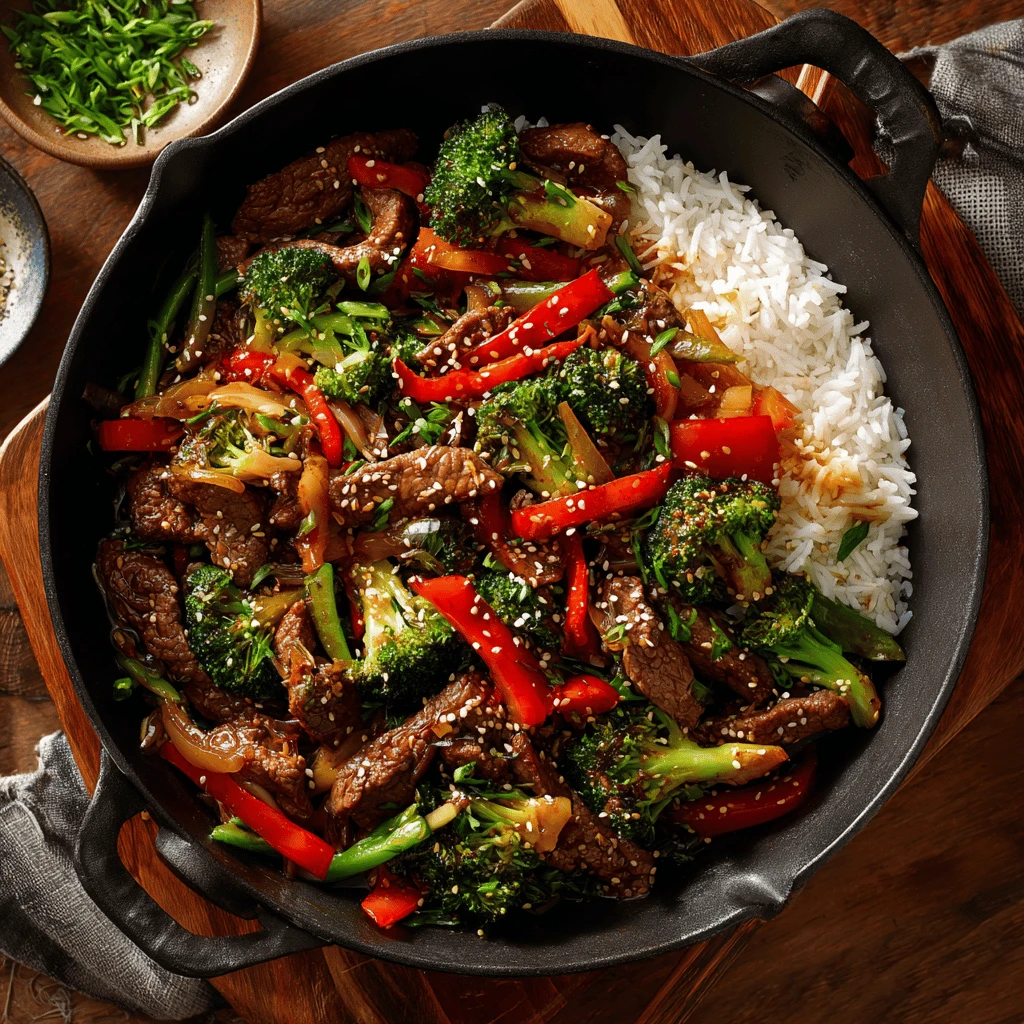
Serve the stir-fry immediately over rice or noodles. Garnish with sesame seeds, chopped scallions, or red pepper flakes for added flavor and visual appeal.
Rice or Noodles: The Perfect Base
White rice, brown rice, or noodles are all excellent choices for serving with stir-fry. Cook the rice or noodles according to package directions.
Garnishes: Adding the Finishing Touch
A sprinkle of sesame seeds, chopped scallions, or red pepper flakes can add a touch of elegance and flavor to your stir-fry.
Leftovers: A Delicious Second Meal
Leftover stir-fry can be stored in the refrigerator for up to 3 days. Reheat in a skillet or microwave until heated through.
Variations and Customizations: Making it Your Own
One of the great things about stir-fry is its adaptability. Feel free to experiment with different ingredients and flavors to create your own signature dish.
Protein Power: Beyond Beef
Chicken, shrimp, tofu, or pork can be substituted for beef in this recipe. Adjust the cooking time accordingly.
Vegetarian Delight: A Vegetable Extravaganza
Omit the beef and add more vegetables or tofu for a vegetarian version.
Spice it Up: Adding Heat
Add a pinch of red pepper flakes or a dash of chili garlic sauce to the sauce for a spicy kick.
Sweet and Sour: A Tangy Twist
Add a tablespoon of pineapple juice or rice vinegar to the sauce for a sweet and sour flavor.
Frequently Asked Questions (FAQ)
-
- What is the best oil to use for stir-frying?
Vegetable oil, peanut oil, and canola oil are all good choices for stir-frying because they have a high smoke point.
-
- How do I keep my vegetables from getting soggy in a stir-fry?
Use high heat, don't overcrowd the pan, and cook the vegetables in order of their cooking time.
-
- Can I use frozen vegetables in a stir-fry?
Yes, you can use frozen vegetables. However, they may release more water than fresh vegetables, so you may need to cook them for a longer time or drain off any excess liquid.
-
- How can I make my stir-fry sauce thicker?
Add a little more cornstarch to the sauce. Mix 1 teaspoon of cornstarch with 1 tablespoon of cold water and add it to the sauce while it is cooking.
-
- Can I make stir-fry ahead of time?
It's best to eat stir-fry fresh, but you can prep the ingredients ahead of time. Chop the vegetables, slice the beef, and whisk together the sauce. Store everything separately in the refrigerator until you're ready to cook.