Spinach and Shrimp Pasta: A Delicious and Nutritious Delight Spinach and shrimp pasta is a versatile dish that combines the delicate sweetness of shrimp with the earthy, subtly bitter flavor of spinach. It’s a quick, easy, and healthy meal perfect for weeknights or a more elaborate dinner party. This article will guide you through creating…
Spinach and Shrimp Pasta: A Delicious and Nutritious Delight
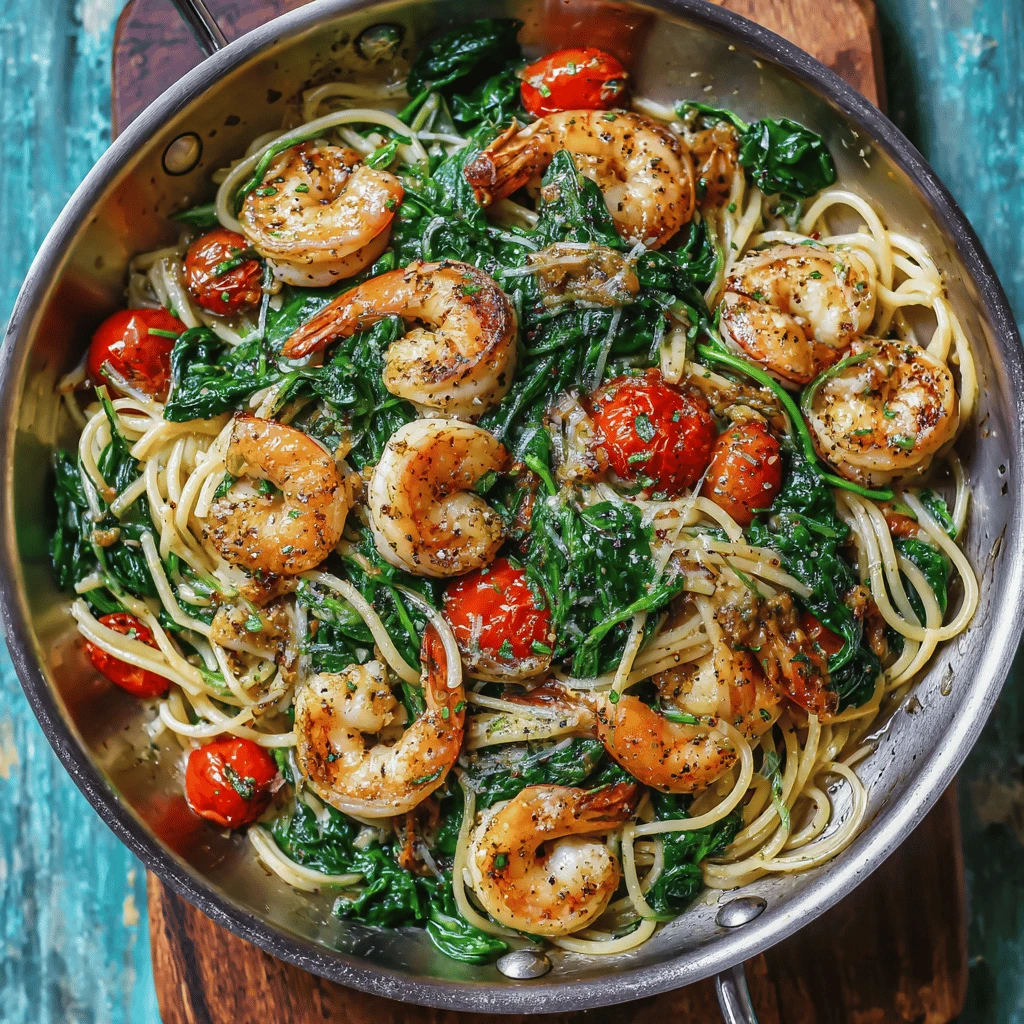
Spinach and shrimp pasta is a versatile dish that combines the delicate sweetness of shrimp with the earthy, subtly bitter flavor of spinach. It’s a quick, easy, and healthy meal perfect for weeknights or a more elaborate dinner party. This article will guide you through creating the perfect spinach and shrimp pasta, exploring different variations, offering cooking tips, and answering frequently asked questions.

I. The Foundation: Mastering the Basics
The heart of any great pasta dish lies in its fundamental components: the pasta itself, the sauce base, and the primary ingredients. Let’s break down the essentials for a stellar spinach and shrimp pasta.
Choosing the Right Pasta
The type of pasta you choose significantly impacts the overall texture and experience of the dish. While personal preference reigns supreme, certain shapes pair exceptionally well with shrimp and spinach.
- Linguine: This flat, narrow pasta is a classic choice. Its broad surface area readily captures the sauce, ensuring each bite is flavorful.
- Spaghetti: Another popular option, spaghetti offers a similar sauce-clinging ability as linguine. Its slightly thinner profile provides a different textural experience.
- Penne: The tubular shape of penne, with its ridges, is excellent for holding onto chunks of shrimp and pieces of spinach. Its angled ends also add visual appeal.
- Farfalle (Bow Tie): These playful pasta shapes not only look appealing but also provide different textures – the ruffled edges and the thicker center offer a delightful contrast.
- Fettuccine: Its flat, ribbon-like shape and substantial texture make it ideal for creamy sauces and rich ingredients.
Creating the Perfect Sauce Base
The sauce is the glue that binds all the ingredients together. There are several delicious options for a spinach and shrimp pasta sauce:
- Garlic Butter Sauce: A simple yet flavorful classic. Sauté garlic in butter until fragrant, then add a touch of white wine (optional), lemon juice, and red pepper flakes for a little heat.
- Creamy Alfredo Sauce: A richer, more decadent option. Combine butter, heavy cream, Parmesan cheese, and garlic for a creamy, comforting sauce.
- Olive Oil and Garlic Sauce (Aglio e Olio): A light and vibrant sauce that lets the flavors of the shrimp and spinach shine. Sauté garlic in olive oil, then add red pepper flakes and a generous amount of freshly grated Parmesan cheese.
- Tomato-Based Sauce: For a tangier, more robust flavor, use a marinara sauce or a simple tomato sauce made with canned tomatoes, garlic, and herbs.
- Lemon-Garlic Sauce: Combining the best of all. Sautéed garlic in olive oil combined with lemon juice and zest.
Selecting and Preparing Shrimp and Spinach
The quality of your shrimp and spinach will directly impact the final dish.
- Shrimp: Purchase fresh or frozen shrimp. If using frozen, thaw them completely before cooking. Opt for shrimp that are firm, plump, and smell fresh, not fishy. Peel and devein the shrimp, leaving the tails on or off depending on your preference.
- Spinach: Fresh spinach is ideal. Wash it thoroughly to remove any dirt or sand. Baby spinach is tender and can be added directly to the sauce. Mature spinach may benefit from a quick sauté or blanch to wilt it slightly. Frozen spinach can be used as well, but be sure to squeeze out any excess moisture before adding it to the pasta.
II. Elevating the Dish: Flavor Enhancements and Variations
Once you’ve mastered the basics, you can experiment with different flavor enhancements and variations to customize your spinach and shrimp pasta.
Adding Aromatic Vegetables
- Onions: Diced yellow or white onions provide a savory base for the sauce. Sauté them until softened and translucent before adding the garlic.
- Shallots: Shallots offer a more delicate, slightly sweeter flavor than onions.
- Garlic: A key ingredient in almost any spinach and shrimp pasta recipe. Use plenty of fresh garlic for the best flavor.
- Sun-dried Tomatoes: Add a burst of intense tomato flavor and a slightly chewy texture.
Incorporating Herbs and Spices
- Red Pepper Flakes: Add a touch of heat.
- Dried Italian Herbs: A convenient way to add a blend of classic Italian flavors.
- Fresh Parsley: Adds brightness and freshness.
- Fresh Basil: Adds a sweet, aromatic flavor.
- Lemon Zest: Brightens the sauce and adds a citrusy aroma.
- Nutmeg: A pinch of ground nutmeg adds a subtle warmth and complexity to creamy sauces.
Exploring Cheese Options
- Parmesan Cheese: A classic choice for Italian pasta dishes. Use freshly grated Parmesan cheese for the best flavor and texture.
- Pecorino Romano Cheese: A sharper, saltier cheese that adds a distinct flavor.
- Ricotta Cheese: A creamy, mild cheese that can be dolloped on top of the pasta or stirred into the sauce for added richness.
- Goat Cheese: Crumbled goat cheese adds a tangy, creamy element that complements the spinach and shrimp beautifully.
Creative Variations
- Spicy Shrimp and Spinach Pasta: Add extra red pepper flakes, cayenne pepper, or a dash of hot sauce to the sauce.
- Creamy Pesto Shrimp and Spinach Pasta: Stir a spoonful or two of pesto into the creamy sauce for a vibrant green color and a burst of basil flavor.
- Lemon Garlic Shrimp and Spinach Pasta with Pine Nuts: Toast pine nuts in a dry skillet until golden brown and add them to the pasta for a crunchy texture and nutty flavor.
- Shrimp and Spinach Pasta with Artichoke Hearts: Add canned artichoke hearts, quartered, to the sauce for a briny, slightly tangy flavor.
III. Cooking Techniques: Achieving Perfection
Proper cooking techniques are crucial for achieving perfectly cooked pasta, tender shrimp, and flavorful spinach.
Cooking the Pasta Al Dente
- Use Plenty of Water: Use a large pot and fill it with plenty of water – about 6 quarts for 1 pound of pasta.
- Salt the Water Generously: Add a generous amount of salt to the boiling water – about 1-2 tablespoons per gallon. This seasons the pasta from the inside out.
- Cook Al Dente: Cook the pasta until it is al dente, which means “to the tooth” in Italian. It should be firm to the bite but not crunchy. Follow the package directions, but start checking for doneness a minute or two before the suggested cooking time.
- Reserve Pasta Water: Before draining the pasta, reserve about 1 cup of the starchy pasta water. This can be used to adjust the consistency of the sauce and help it cling to the pasta.
Cooking the Shrimp Properly
- Don’t Overcook the Shrimp: Shrimp cooks quickly, so be careful not to overcook it. Overcooked shrimp will be tough and rubbery.
- Sauté or Pan-Fry: Sauté the shrimp in butter or olive oil until pink and opaque, about 2-3 minutes per side, depending on the size.
- Add Shrimp Last: Add the shrimp to the sauce towards the end of cooking to prevent it from overcooking.
Preparing the Spinach
- Sauté Fresh Spinach: Sauté fresh spinach in a skillet with garlic and olive oil until wilted.
- Blanch Fresh Spinach: Blanching is a great way to prepare fresh spinach. Drop spinach into boiling water for 30 seconds, then plunge it into ice water to stop the cooking process.
- Use Frozen Spinach: Thaw frozen spinach completely and squeeze out any excess moisture before adding it to the sauce.
IV. Plating and Serving Suggestions
Presentation is key to enhancing the dining experience. Here are some tips for plating and serving your spinach and shrimp pasta.
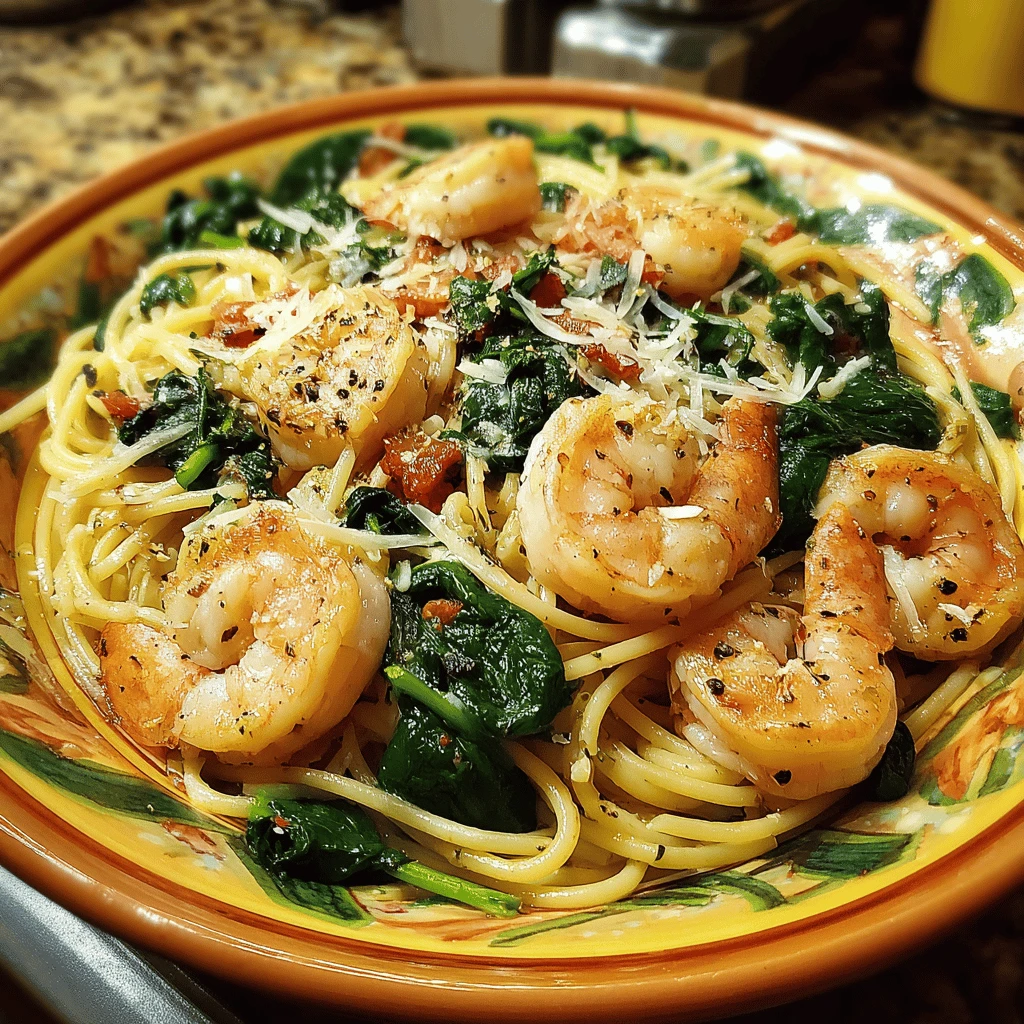
Plating Techniques
- Use a Warm Plate: Warming the plates helps keep the pasta warm.
- Arrange the Pasta Neatly: Twirl the pasta into a nest shape using tongs and place it in the center of the plate.
- Top with Sauce and Shrimp: Spoon the sauce over the pasta and arrange the shrimp artfully on top.
- Garnish with Fresh Herbs: Sprinkle fresh parsley, basil, or chives over the pasta for added flavor and visual appeal.
- Add a Sprinkle of Cheese: Finish with a generous sprinkle of freshly grated Parmesan cheese or Pecorino Romano cheese.
Serving Suggestions
- Serve Immediately: Pasta is best served immediately after cooking.
- Serve with a Side Salad: A simple green salad with a light vinaigrette complements the richness of the pasta.
- Serve with Crusty Bread: Crusty bread is perfect for soaking up the delicious sauce.
- Pair with Wine: A crisp white wine, such as Sauvignon Blanc or Pinot Grigio, pairs well with spinach and shrimp pasta.
V. Frequently Asked Questions (FAQ)
Can I use frozen shrimp for spinach and shrimp pasta?
Yes, you can use frozen shrimp. Just make sure to thaw it completely before cooking. Pat it dry with paper towels to remove excess moisture.
Can I make spinach and shrimp pasta ahead of time?
It’s best to serve spinach and shrimp pasta immediately. However, you can prepare the sauce ahead of time and store it in the refrigerator for up to 2 days. Cook the pasta and shrimp just before serving.
How do I prevent the shrimp from becoming rubbery?
Avoid overcooking the shrimp. Cook it just until it turns pink and opaque, about 2-3 minutes per side.
Can I use different types of greens instead of spinach?
Yes, you can substitute other greens like kale, arugula, or Swiss chard for spinach.
What can I add to make the sauce thicker?
If your sauce is too thin, you can add a slurry of cornstarch and water (1 tablespoon cornstarch mixed with 2 tablespoons water) to the sauce while it simmers. You can also add a little bit of heavy cream or Parmesan cheese to thicken the sauce.
Is spinach and shrimp pasta healthy?
Spinach and shrimp pasta can be a healthy meal. Spinach is packed with nutrients, and shrimp is a good source of protein. To make it even healthier, use whole-wheat pasta, olive oil instead of butter, and plenty of vegetables.
How long does shrimp and spinach pasta last in the refrigerator?
Cooked shrimp and spinach pasta can be stored in the refrigerator for up to 3 days. Make sure to store it in an airtight container.