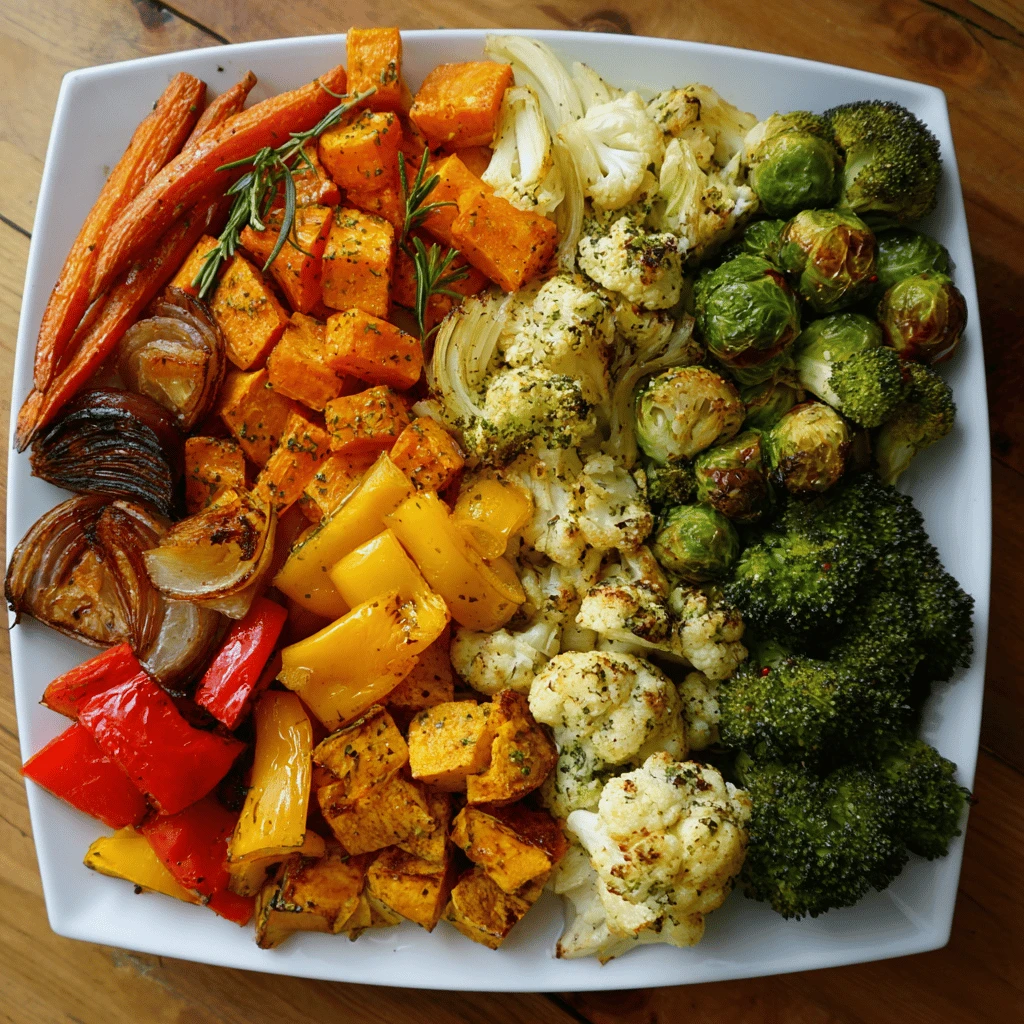
Roasted Vegetable Platter for Thanksgiving: A Colorful & Delicious Celebration Thanksgiving is a time for traditions, family, and, of course, a feast! While the turkey often takes center stage, a vibrant and flavorful roasted vegetable platter can be a delightful and healthy addition to your holiday spread. Not only does it offer a break from…
Roasted Vegetable Platter for Thanksgiving: A Colorful & Delicious Celebration
Thanksgiving is a time for traditions, family, and, of course, a feast! While the turkey often takes center stage, a vibrant and flavorful roasted vegetable platter can be a delightful and healthy addition to your holiday spread. Not only does it offer a break from the heavier dishes, but it also brings a beautiful array of colors and textures to the table. This article will guide you through creating the perfect roasted vegetable platter for Thanksgiving, ensuring it’s both visually appealing and incredibly delicious.
Choosing the Right Vegetables for Your Thanksgiving Platter
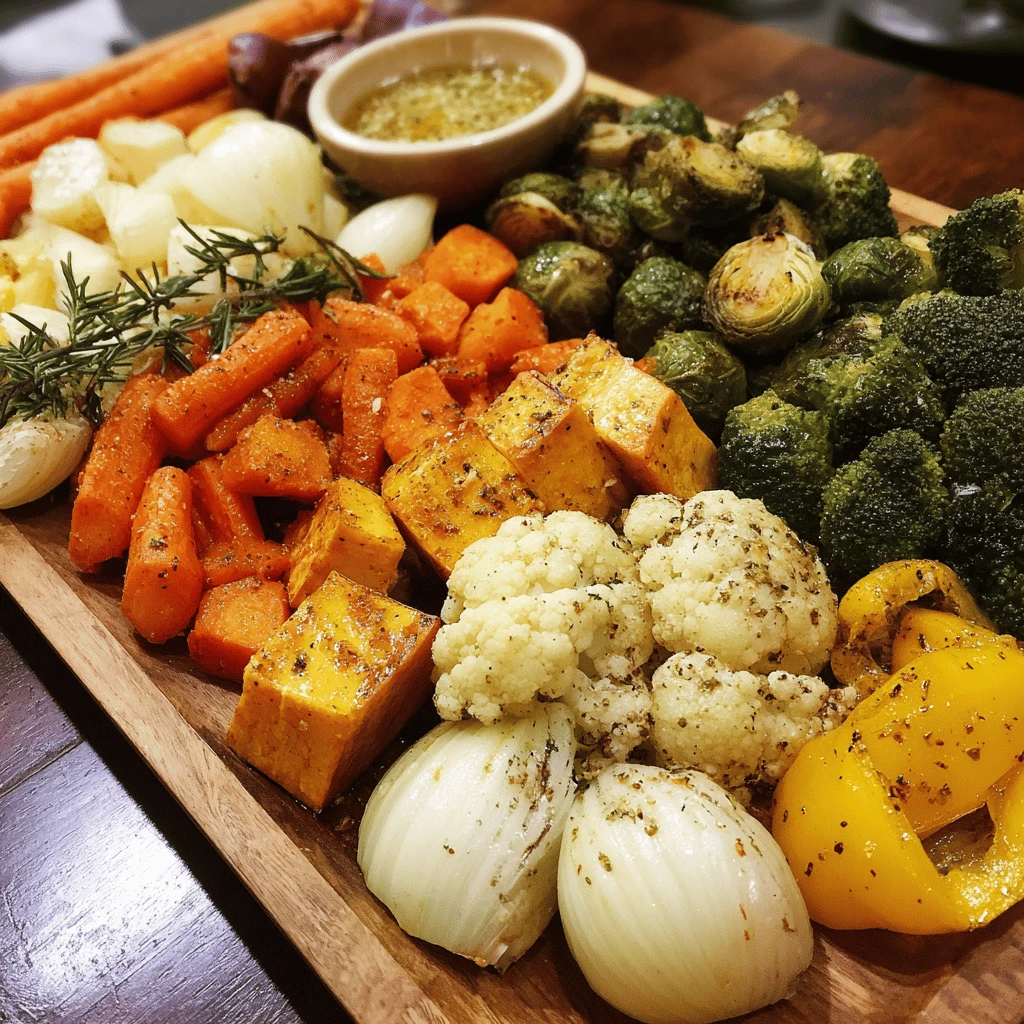
The key to a successful roasted vegetable platter lies in selecting a variety of vegetables that complement each other in terms of flavor, texture, and color. Consider incorporating both root vegetables and those that roast more quickly, ensuring everything is cooked to perfection.
- Root Vegetables: These hardy vegetables are the foundation of your platter. Carrots, parsnips, sweet potatoes, and butternut squash offer a sweet and earthy flavor that pairs well with savory herbs and spices. Roasting brings out their natural sweetness and creates a delightful caramelized exterior.
- Cruciferous Vegetables: Broccoli, Brussels sprouts, and cauliflower add a slightly bitter and nutty flavor that balances the sweetness of the root vegetables. They also provide a satisfyingly crunchy texture.
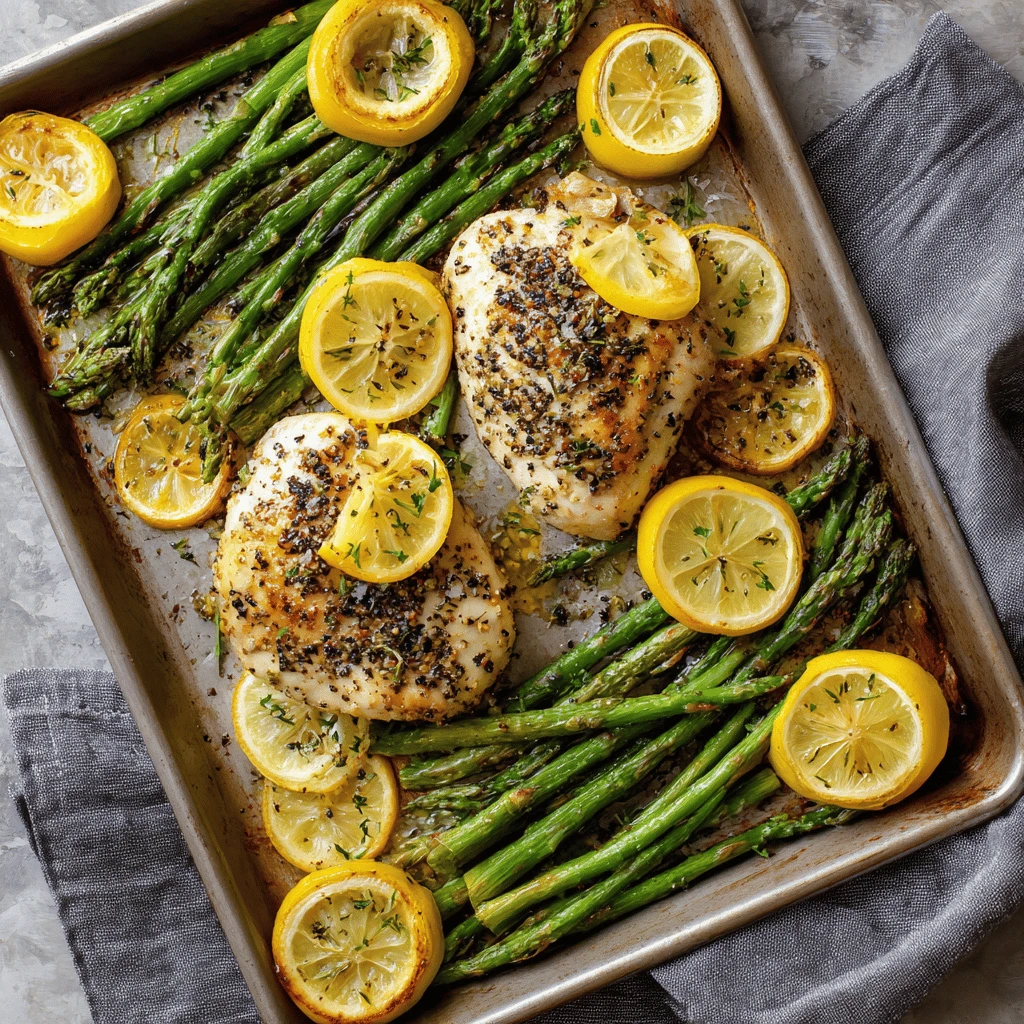
- Other Vegetables: Don’t be afraid to experiment! Bell peppers (especially red and yellow for color), onions, garlic, and even asparagus (if in season) can add unique flavors and textures to your platter. Consider adding some mushrooms, for an earthier depth.
When selecting your vegetables, opt for fresh, high-quality produce. Look for vegetables that are firm, brightly colored, and free from blemishes. Buying organic when possible can further enhance the flavor and nutritional value of your platter.
Preparing Your Vegetables for Roasting: The Key to Success
Proper preparation is crucial for achieving perfectly roasted vegetables. Uniformly sized pieces ensure even cooking, while the right seasoning enhances their natural flavors.
1. Washing and Cutting: Thoroughly wash all vegetables to remove any dirt or debris. Peel root vegetables like carrots, parsnips, and sweet potatoes. Cut all vegetables into similar-sized pieces, typically 1- to 1.5-inch chunks. This will ensure they cook evenly. Thicker vegetables like squash may require a slightly smaller cut.
2. Tossing with Oil and Seasoning: Place the cut vegetables in a large bowl. Drizzle generously with a good quality olive oil, ensuring all pieces are lightly coated. Season liberally with salt, pepper, and your choice of herbs and spices. Garlic powder, onion powder, paprika, dried rosemary, thyme, and oregano are all excellent choices. For a touch of sweetness, consider a sprinkle of brown sugar or maple syrup. A pinch of red pepper flakes can add a subtle kick.
3. Arranging on Baking Sheets: Spread the seasoned vegetables in a single layer on one or two large baking sheets lined with parchment paper. Avoid overcrowding the baking sheets, as this will steam the vegetables rather than roast them. If necessary, use two baking sheets. Make sure there is plenty of space between the pieces.
Roasting Techniques for Perfectly Caramelized Vegetables
The roasting process is where the magic happens, transforming raw vegetables into tender, flavorful delights. The ideal temperature and roasting time will depend on the specific vegetables you’ve chosen.
- Temperature: A high oven temperature is key to achieving caramelized vegetables. Preheat your oven to 400°F (200°C). This allows the vegetables to brown and crisp up without becoming mushy.
- Roasting Time: Root vegetables typically require a longer roasting time than other vegetables. Start by roasting them for 20-25 minutes, then add the quicker-cooking vegetables like broccoli or bell peppers. The total roasting time will vary depending on the size and density of the vegetables, but it’s generally around 30-45 minutes.
- Checking for Doneness: The vegetables are done when they are tender and slightly caramelized around the edges. You should be able to easily pierce them with a fork. If some vegetables are cooking faster than others, you can remove them from the oven and set them aside while the others continue to roast.
Remember to flip the vegetables halfway through the roasting process to ensure even browning.
Assembling Your Thanksgiving Vegetable Platter: Presentation Matters
Once your vegetables are roasted to perfection, it’s time to assemble your Thanksgiving platter. Presentation is key to creating a visually appealing dish that will entice your guests.
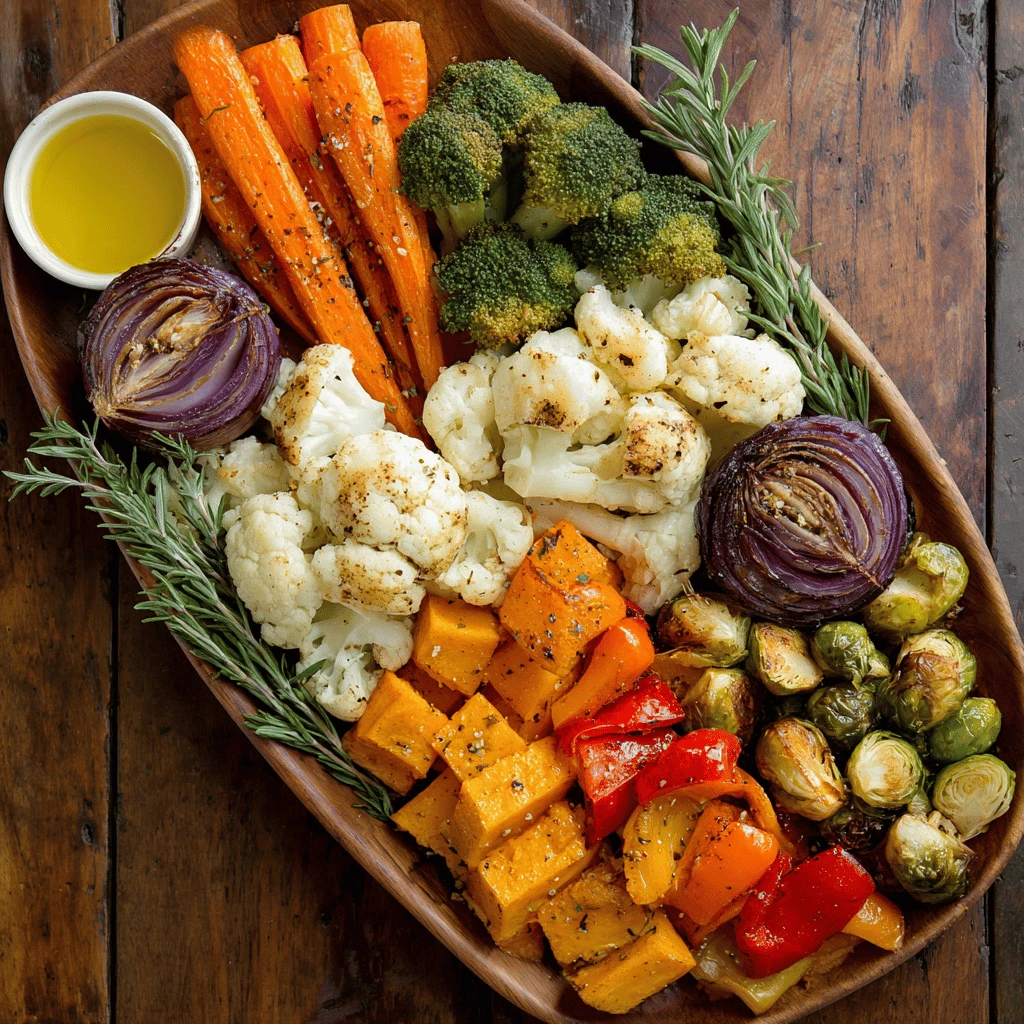
1. Choosing the Right Platter: Select a large platter or serving dish that will accommodate all of the vegetables. A round, oval, or rectangular platter will work well. Consider using a wooden board for a rustic look.
2. Arranging the Vegetables: Arrange the roasted vegetables in an artful and appealing manner. Consider grouping similar colors and textures together to create visual interest. You can also create patterns or gradients with the vegetables. Leave some gaps between the vegetables to showcase their individual shapes and colors.
3. Adding Garnishes: Garnishes can elevate your platter to the next level. Fresh herbs like rosemary, thyme, or parsley add a touch of freshness and color. A sprinkle of toasted nuts, such as pecans or walnuts, provides a satisfying crunch. A drizzle of balsamic glaze or a dollop of pesto can add a burst of flavor. For a vegan option, consider a tahini-based dressing. You could also sprinkle on some pomegranate seeds for a festive touch.
Beyond the Basics: Variations and Serving Suggestions
Once you’ve mastered the basic roasted vegetable platter, you can experiment with different flavors and variations to create your own signature dish.
- Seasonal Variations: Adapt your vegetable selection to the season. In the fall, consider using pumpkins, gourds, and cranberries. In the spring, asparagus, radishes, and spring onions are excellent choices.
- Flavor Enhancements: Experiment with different herbs, spices, and sauces to create unique flavor profiles. A combination of garlic, ginger, and soy sauce can add an Asian-inspired twist. A sprinkle of za’atar spice blend adds a Middle Eastern flair. Consider adding roasted grapes for a sweet and savory combination.
- Serving Suggestions: Your roasted vegetable platter can be served as a side dish, appetizer, or even a main course for vegetarian guests. It pairs well with roasted turkey, ham, or other Thanksgiving staples. You can also serve it with a dipping sauce, such as hummus, tzatziki, or a creamy dill dressing.
For a Thanksgiving potluck, this platter is easy to transport. Simply roast the vegetables ahead of time and assemble the platter just before serving.
FAQ: Roasted Vegetable Platter for Thanksgiving
1. What vegetables roast best together?
Root vegetables like carrots, parsnips, and sweet potatoes pair well with cruciferous vegetables like broccoli and Brussels sprouts. Other good additions include bell peppers, onions, and garlic. Consider roasting vegetables of similar density together for even cooking.
2. How do you keep roasted vegetables from getting soggy?
Ensure the vegetables are dry before roasting, and avoid overcrowding the baking sheet. Use a high oven temperature (400°F/200°C) to promote browning and prevent steaming. Make sure to toss vegetables with oil and spices before roasting.
3. How long can you keep roasted vegetables in the fridge?
Roasted vegetables can be stored in an airtight container in the refrigerator for up to 3-4 days. Reheat in the oven or microwave before serving.
4. Can you roast frozen vegetables?
Yes, you can roast frozen vegetables, but they may not be as crisp as fresh vegetables. Thaw and drain the vegetables before roasting, and use a higher oven temperature to compensate for the extra moisture.
5. What temperature do you roast vegetables?
The ideal temperature for roasting vegetables is 400°F (200°C). This high temperature promotes browning and caramelization, resulting in tender and flavorful vegetables.