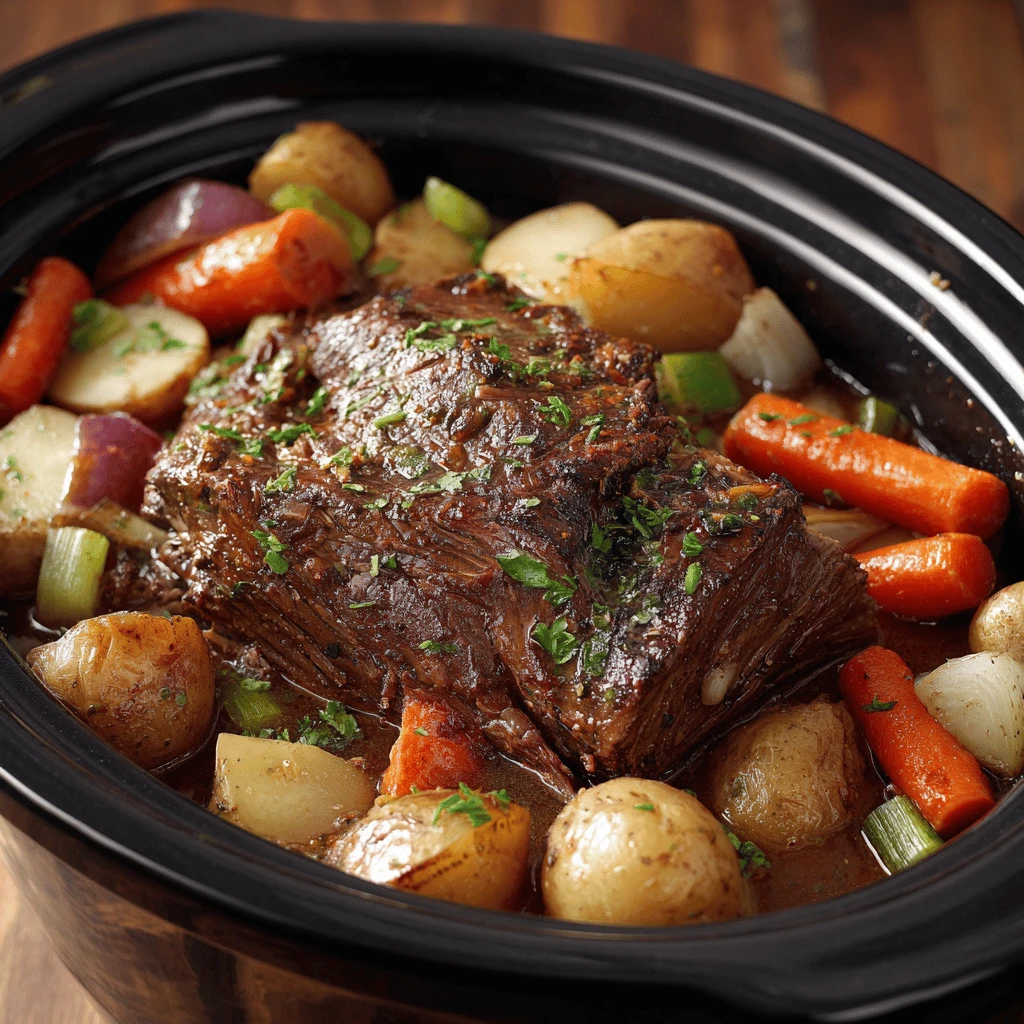
Slow Cooker torso and Potatoes Ingredients 1 (3-4 pound) boneless beef chuck roast, trimmed 2 pounds Yukon Gold potatoes, peeled and cut into 1-inch pieces 1 large onion, chopped 2 carrots, peeled and chopped 2 celery stalks, chopped 4 cloves garlic, minced 1 (14.5 ounce) can diced tomatoes, undrained 1 cup beef broth 2 tablespoons…
Slow Cooker torso and Potatoes
Ingredients
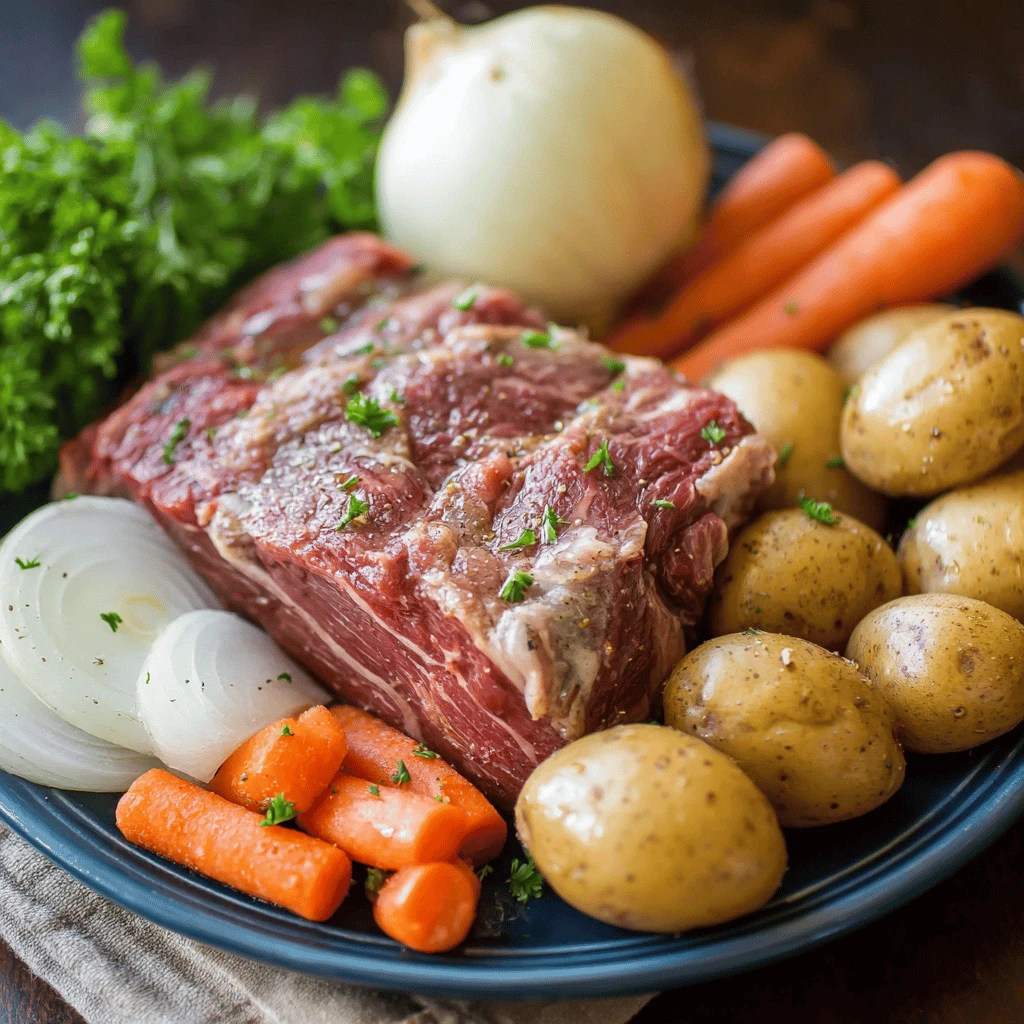
- 1 (3-4 pound) boneless beef chuck roast, trimmed
- 2 pounds Yukon Gold potatoes, peeled and cut into 1-inch pieces
- 1 large onion, chopped
- 2 carrots, peeled and chopped
- 2 celery stalks, chopped
- 4 cloves garlic, minced
- 1 (14.5 ounce) can diced tomatoes, undrained
- 1 cup beef broth
- 2 tablespoons Worcestershire sauce
- 1 tablespoon dried Italian seasoning
- 1 teaspoon paprika
- Salt and pepper to taste
- 2 tablespoons olive oil
- Fresh parsley, chopped (for garnish)
Step-by-Step
1. Heat olive oil in a large skillet over medium-high heat.
2. Season the beef chuck roast generously with salt and pepper.
3. Sear the roast on all sides until browned, about 3-4 minutes per side. This step is crucial for developing flavor.
4. Transfer the seared roast to your slow cooker.
5. In the same skillet, add the chopped onion, carrots, and celery. Cook until softened, about 5-7 minutes.
6. Add the minced garlic and cook for another minute until fragrant.
7. Pour the vegetable mixture over the roast in the slow cooker.
8. Add the diced tomatoes, beef broth, Worcestershire sauce, Italian seasoning, and paprika to the slow cooker.
9. Stir gently to combine the ingredients.
10. Add the potatoes to the slow cooker, arranging them around the roast.
11. Cover the slow cooker and cook on low for 7-8 hours, or on high for 3-4 hours, or until the roast is fork-tender.
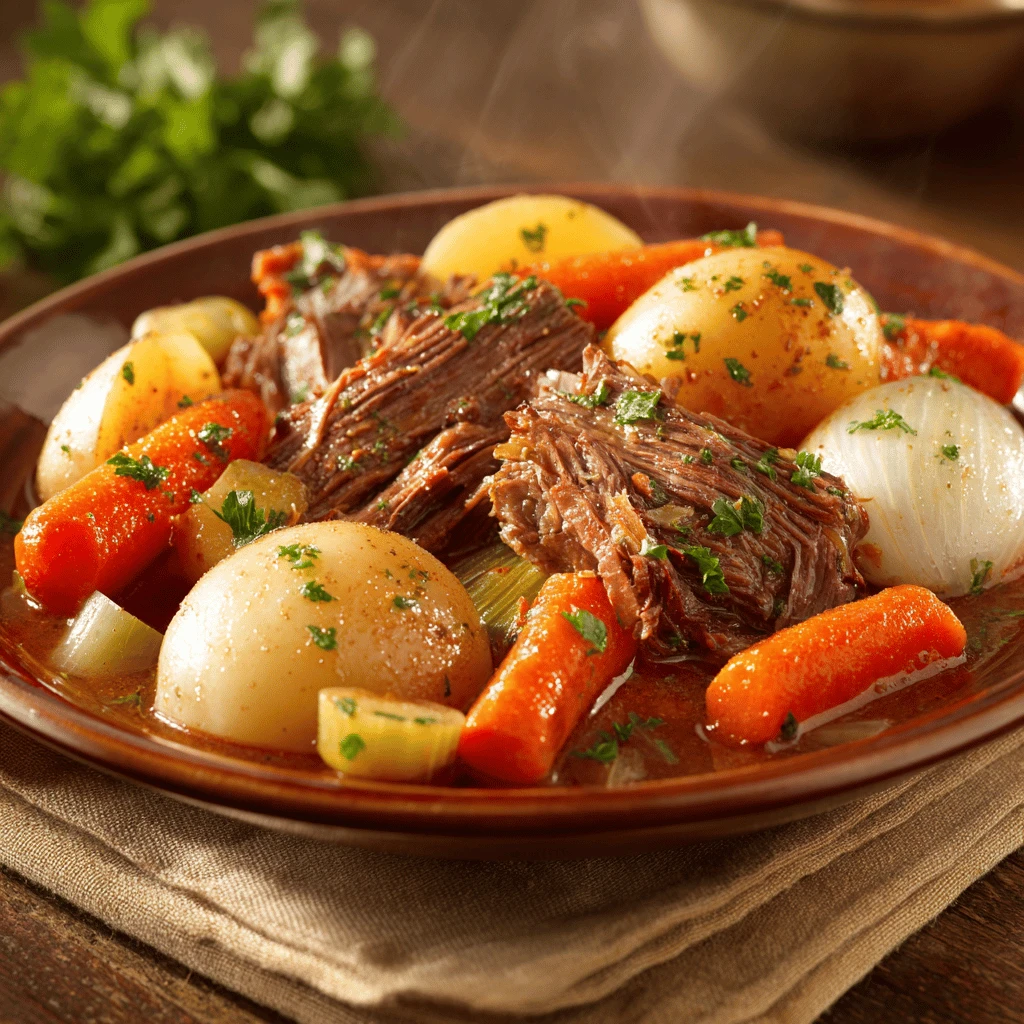
12. Once the roast is cooked, carefully remove it from the slow cooker and shred it using two forks.
13. Return the shredded roast to the slow cooker and stir to combine it with the vegetables and sauce.
14. Taste and adjust seasoning with salt and pepper as needed.
15. Serve hot, garnished with fresh parsley. Enjoy!
Choosing the Right Cut of Beef
Understanding Beef Cuts for Slow Cooking
Selecting the right cut of beef is crucial for a successful slow cooker roast. The chuck roast is ideal because it has a good amount of marbling, which renders down during the long cooking process, resulting in a tender and flavorful dish.
Other suitable cuts include brisket and round roast. These cuts also benefit from the slow cooking method, becoming tender and succulent over time. However, be sure to adjust cooking times based on the specific cut of meat you choose.
Why Chuck Roast is King
Chuck roast, taken from the shoulder of the cow, is a relatively inexpensive cut that transforms beautifully in the slow cooker. The connective tissue breaks down, creating a rich and savory gravy. It’s forgiving and hard to overcook, making it perfect for beginners.
Consider the fat content when selecting your roast. A well-marbled roast will yield the best results. Don’t be afraid of a little fat; it will contribute significantly to the overall flavor and moisture of the dish.
Trimming Your Roast Properly
Before searing, trim away any excess fat from the surface of the roast. While some fat is desirable for flavor, too much can make the dish greasy. A thin layer of fat is ideal.
Use a sharp knife to carefully trim the fat, avoiding cutting into the meat itself. Proper trimming helps the roast brown evenly during the searing process.
Potato Perfection in Your Slow Cooker
Selecting the Right Potatoes
The type of potato you choose can significantly impact the texture and flavor of your slow cooker roast and potatoes. Yukon Gold potatoes are a great choice because they hold their shape well during long cooking times.
Other good options include red potatoes and baby potatoes. Avoid russet potatoes, as they tend to become mushy in the slow cooker.
Preparing Your Potatoes for Success
Cut the potatoes into uniform pieces, about 1-inch in size. This ensures that they cook evenly alongside the roast and vegetables. Peeling is optional, but I prefer them peeled for a smoother texture.
If you are using smaller potatoes, you can leave them whole or cut them in half. Adjust the cooking time accordingly.
Preventing Mushy Potatoes
To prevent your potatoes from becoming mushy, avoid overcooking them. Adding them later in the cooking process can also help. In some cases, 1-2 hours before the end of cooking.
Consider placing the potatoes on top of the other ingredients in the slow cooker. This will help them steam rather than boil, which can contribute to a firmer texture.
Flavor Amplification Techniques
The Importance of Searing
Searing the roast before adding it to the slow cooker is a crucial step for developing flavor. The Maillard reaction, which occurs when meat is exposed to high heat, creates complex flavors that simply cannot be achieved by slow cooking alone.
Don’t skip this step! It adds depth and richness to the finished dish. Make sure your skillet is hot before adding the roast, and sear it on all sides until browned.
Building Flavor with Aromatics
Onions, carrots, and celery, often referred to as mirepoix, are essential aromatics that form the foundation of a flavorful slow cooker roast. Sautéing these vegetables before adding them to the slow cooker helps to release their flavors.
Garlic is another key ingredient. Add it towards the end of the sautéing process to prevent it from burning.
Boosting Flavor with Liquids and Spices
Beef broth is the primary liquid in this recipe, adding moisture and depth of flavor. Worcestershire sauce contributes umami and a hint of tanginess.
Italian seasoning and paprika add warmth and complexity. Don’t be afraid to experiment with other spices, such as thyme, rosemary, or bay leaves.
Slow Cooking Strategies and Troubleshooting
Optimal Cooking Times and Temperatures
The ideal cooking time for a slow cooker roast and potatoes is typically 7-8 hours on low or 3-4 hours on high. However, cooking times may vary depending on your slow cooker and the size of the roast.
Check the roast for doneness using a fork. It should be easily shredded. If it’s not tender enough, continue cooking for another hour.
Adjusting for Different Slow Cooker Sizes
This recipe is designed for a standard 6-quart slow cooker. If you have a smaller slow cooker, you may need to reduce the ingredients accordingly.
Conversely, if you have a larger slow cooker, you may need to increase the ingredients to ensure that the roast is fully submerged in liquid.
Troubleshooting Common Issues
If your roast is dry, it may be because it was not fatty enough, or it was overcooked. Adding more beef broth can help to rehydrate the roast.
If your potatoes are mushy, it may be because they were overcooked. Try adding them later in the cooking process next time.
If your sauce is too thin, you can thicken it by removing some of the liquid from the slow cooker and reducing it in a saucepan on the stovetop. Alternatively, you can whisk in a cornstarch slurry (1 tablespoon cornstarch mixed with 2 tablespoons cold water) at the end of the cooking process.
Serving Suggestions and Leftover Magic
Perfect Pairings and Sides
Slow cooker roast and potatoes is a complete meal on its own, but it can be enhanced with a few simple sides. A green salad, steamed vegetables, or crusty bread are all excellent choices.
Consider serving it with a dollop of sour cream or Greek yogurt. A sprinkle of fresh herbs, such as parsley or thyme, adds a touch of freshness.
Creative Ways to Use Leftovers
Leftover slow cooker roast and potatoes can be used in a variety of creative ways. Shred the roast and use it to make tacos, sandwiches, or shepherd’s pie.
Add the leftovers to soup or stew. You can also use them to top a baked potato or create a hearty breakfast hash.
Storage and Reheating Tips
Store leftover slow cooker roast and potatoes in an airtight container in the refrigerator for up to 3-4 days. Reheat in the microwave, on the stovetop, or in the oven.
To reheat in the oven, place the leftovers in a baking dish and cover with foil. Bake at 350°F (175°C) until heated through.
FAQ: Your Slow Cooker Roast Questions Answered
Can I use frozen roast in the slow cooker?
It is generally not recommended to cook frozen roast in a slow cooker. It may take too long to reach a safe internal temperature, increasing the risk of bacterial growth. Thaw the roast in the refrigerator before cooking.
How do I prevent my roast from drying out?
Searing the roast before slow cooking helps to seal in the juices. Using a cut with good marbling, like chuck roast, is also important. Ensure there is enough liquid in the slow cooker to keep the roast moist.
Can I add other vegetables to this recipe?
Absolutely! Feel free to add other vegetables such as mushrooms, parsnips, or turnips. Add them at the same time as the potatoes.
How do I thicken the sauce if it’s too thin?
Remove some of the liquid from the slow cooker and reduce it in a saucepan on the stovetop. Alternatively, whisk in a cornstarch slurry (1 tablespoon cornstarch mixed with 2 tablespoons cold water) at the end of the cooking process.
Can I make this recipe in an Instant Pot?
Yes, you can adapt this recipe for an Instant Pot. Sear the roast using the sauté function, then add the remaining ingredients. Cook on high pressure for about 60-75 minutes, followed by a natural pressure release.