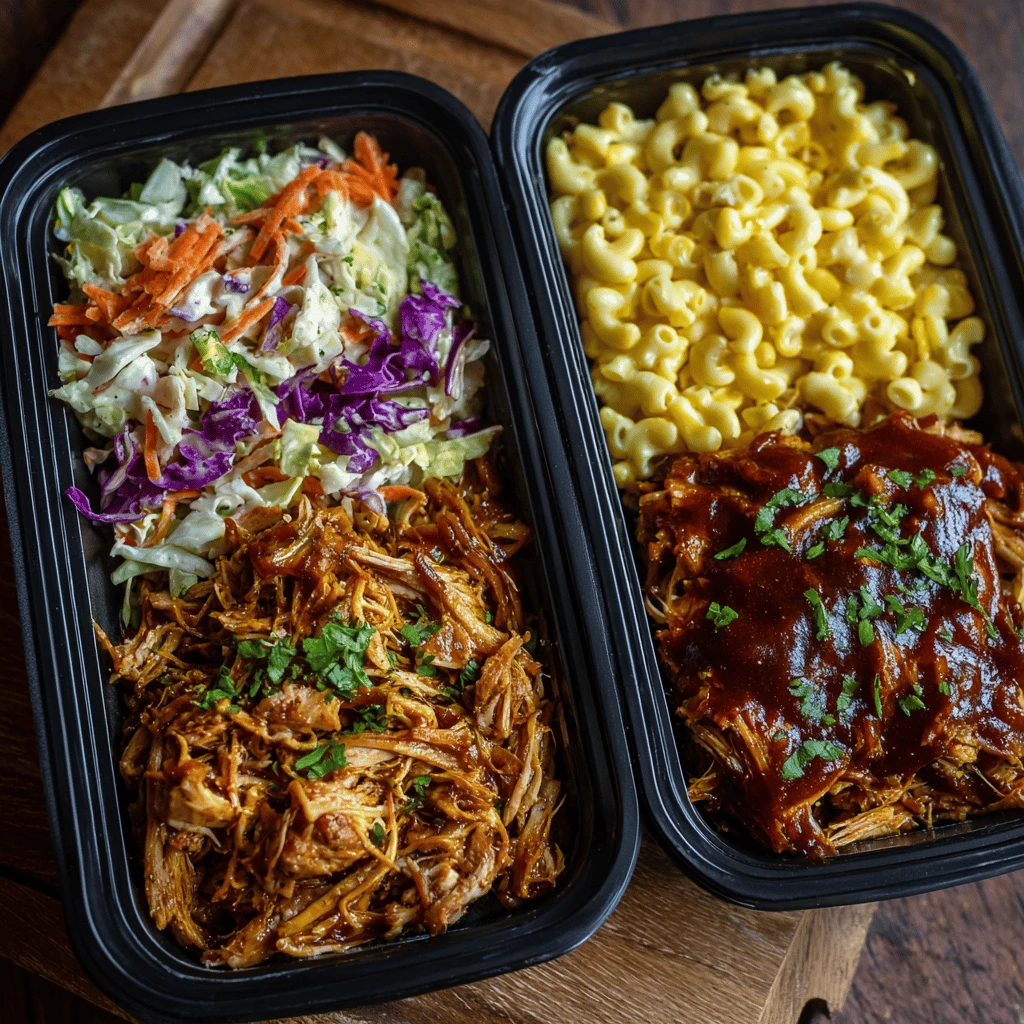
BBQ Pulled Pork Meal Prep: Your Guide to Delicious and Effortless Meals BBQ Pulled Pork is a classic comfort food, perfect for gatherings, potlucks, and, surprisingly, meal prep! The rich, smoky flavor and tender texture make it a satisfying and versatile protein to incorporate into your weekly menu. This comprehensive guide will walk you through…
BBQ Pulled Pork Meal Prep: Your Guide to Delicious and Effortless Meals
BBQ Pulled Pork is a classic comfort food, perfect for gatherings, potlucks, and, surprisingly, meal prep! The rich, smoky flavor and tender texture make it a satisfying and versatile protein to incorporate into your weekly menu. This comprehensive guide will walk you through creating delicious BBQ pulled pork and transforming it into a week’s worth of exciting and healthy meals.
Section 1: Mastering the Art of BBQ Pulled Pork
The foundation of successful BBQ pulled pork meal prep lies in mastering the cooking process. Whether you prefer a slow cooker, Instant Pot, or smoker, understanding the nuances of each method is crucial.
Choosing Your Cut: Pork shoulder, also known as pork butt (despite coming from the shoulder), is the ideal cut for pulled pork. Its high fat content renders beautifully during cooking, resulting in tender, juicy, and flavorful meat. Look for a shoulder with good marbling. A bone-in cut offers more flavor but requires more time to pull apart after cooking.
Seasoning and Rub: The dry rub is where you impart the initial layer of flavor. A classic BBQ rub typically includes brown sugar, paprika (smoked and sweet), garlic powder, onion powder, chili powder, cumin, salt, and pepper. Feel free to experiment with other spices like cayenne pepper for heat, or mustard powder for tang. Generously rub the pork shoulder all over, ensuring every crevice is covered. Allow the rub to sit on the pork for at least 30 minutes, or preferably overnight in the refrigerator. This allows the flavors to penetrate the meat.
Cooking Methods:
- Slow Cooker: This is the most hands-off method. Place the seasoned pork shoulder in the slow cooker, add about 1 cup of liquid (apple cider vinegar, chicken broth, or even beer work well), and cook on low for 8-10 hours, or on high for 4-6 hours. The pork is ready when it easily shreds with a fork.
- Instant Pot: For a quicker option, the Instant Pot is your friend. Sear the seasoned pork shoulder on all sides in the Instant Pot using the sauté function. Add 1 cup of liquid, seal the lid, and cook on high pressure for 75-90 minutes, followed by a natural pressure release for at least 15 minutes.
- Smoker: If you crave that authentic smoky flavor, the smoker is the way to go. Maintain a consistent temperature of around 225-250°F (107-121°C). Smoke the pork shoulder for approximately 8-12 hours, or until the internal temperature reaches 203°F (95°C). Use a meat thermometer to ensure accuracy.
Pulling the Pork: Once cooked, let the pork rest for at least 30 minutes before shredding. Use two forks or meat claws to pull the pork apart, discarding any excess fat or bone.
BBQ Sauce Selection: The choice of BBQ sauce is a matter of personal preference. From tangy vinegar-based sauces to sweet and smoky tomato-based sauces, the options are endless. Consider the other ingredients in your meal prep to choose a sauce that complements the overall flavor profile. You can also make your own BBQ sauce for a truly personalized touch.
Section 2: Essential Equipment and Storage Tips
Having the right tools and understanding proper storage techniques are crucial for efficient and safe meal prep.
Essential Equipment:
- Slow Cooker or Instant Pot or Smoker: Depending on your preferred cooking method.
- Large Cutting Board: For shredding the pork.
- Meat Claws or Forks: For pulling the pork.
- Meat Thermometer: To ensure the pork reaches the correct internal temperature.
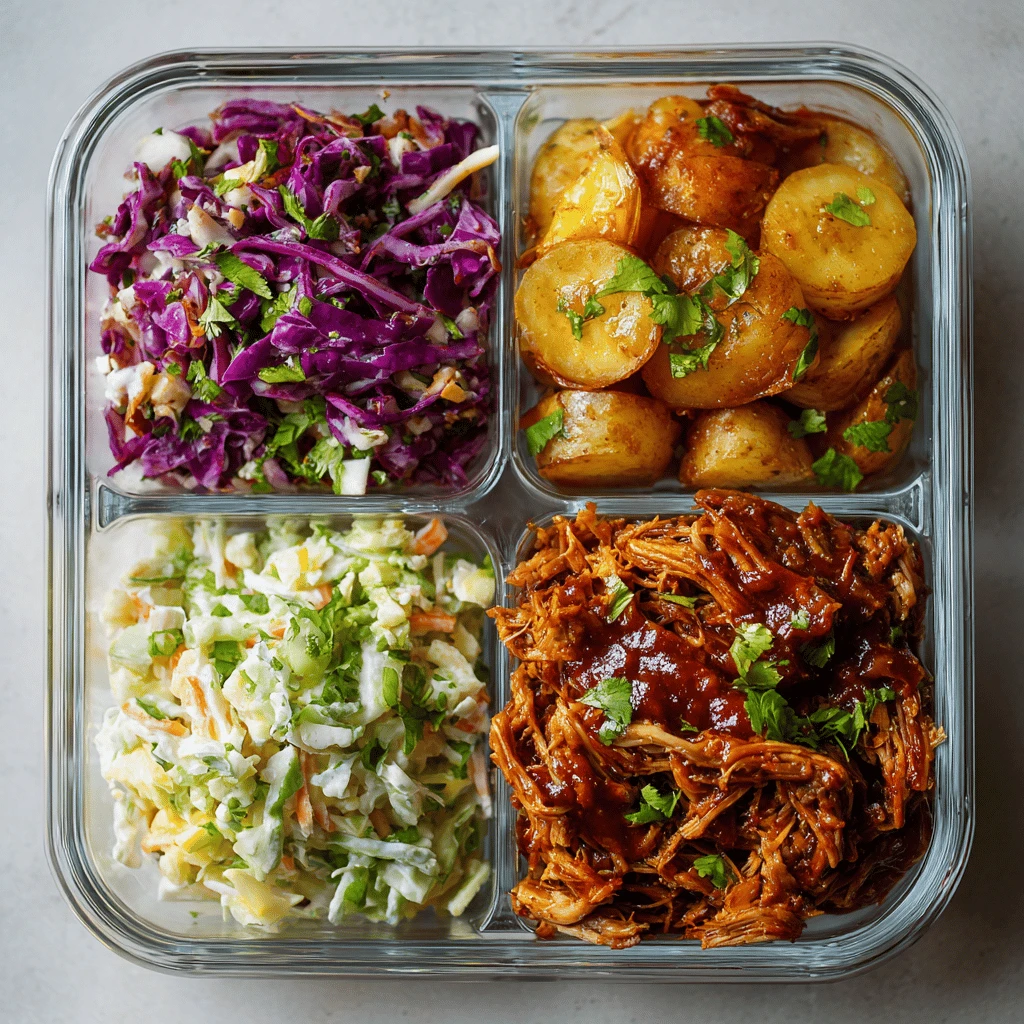
- Airtight Containers: For portioning and storing the pulled pork and prepared meals.
- Food Scale (Optional): For precise portioning.
- Baking Sheets: For roasting vegetables.
Safe Storage Practices:
- Cool Down Quickly: After cooking and pulling the pork, allow it to cool down as quickly as possible. Divide the pulled pork into smaller portions to expedite the cooling process.
- Airtight Containers: Store the cooled pulled pork in airtight containers in the refrigerator. Properly stored, pulled pork can last for 3-4 days in the refrigerator.
- Freezing: For longer storage, freeze the pulled pork in airtight containers or freezer bags. Properly frozen, pulled pork can last for 2-3 months. Thaw it in the refrigerator overnight before reheating.
- Labeling: Label each container with the date of preparation to ensure you use it within the recommended timeframe.
Reheating Pulled Pork:
- Microwave: Reheat individual portions in the microwave until heated through. Add a splash of liquid (broth or water) to prevent the pork from drying out.
- Stovetop: Reheat larger quantities in a skillet or pot on the stovetop over medium heat. Again, add a splash of liquid to maintain moisture.
- Oven: For reheating a large batch, place the pulled pork in a baking dish with some liquid, cover with foil, and bake at 325°F (163°C) until heated through.
Section 3: Creative Meal Prep Ideas with Pulled Pork
Pulled pork’s versatility shines in meal prep. These ideas go beyond the typical sandwich and offer diverse flavors and nutritional benefits.
Pulled Pork Bowls:
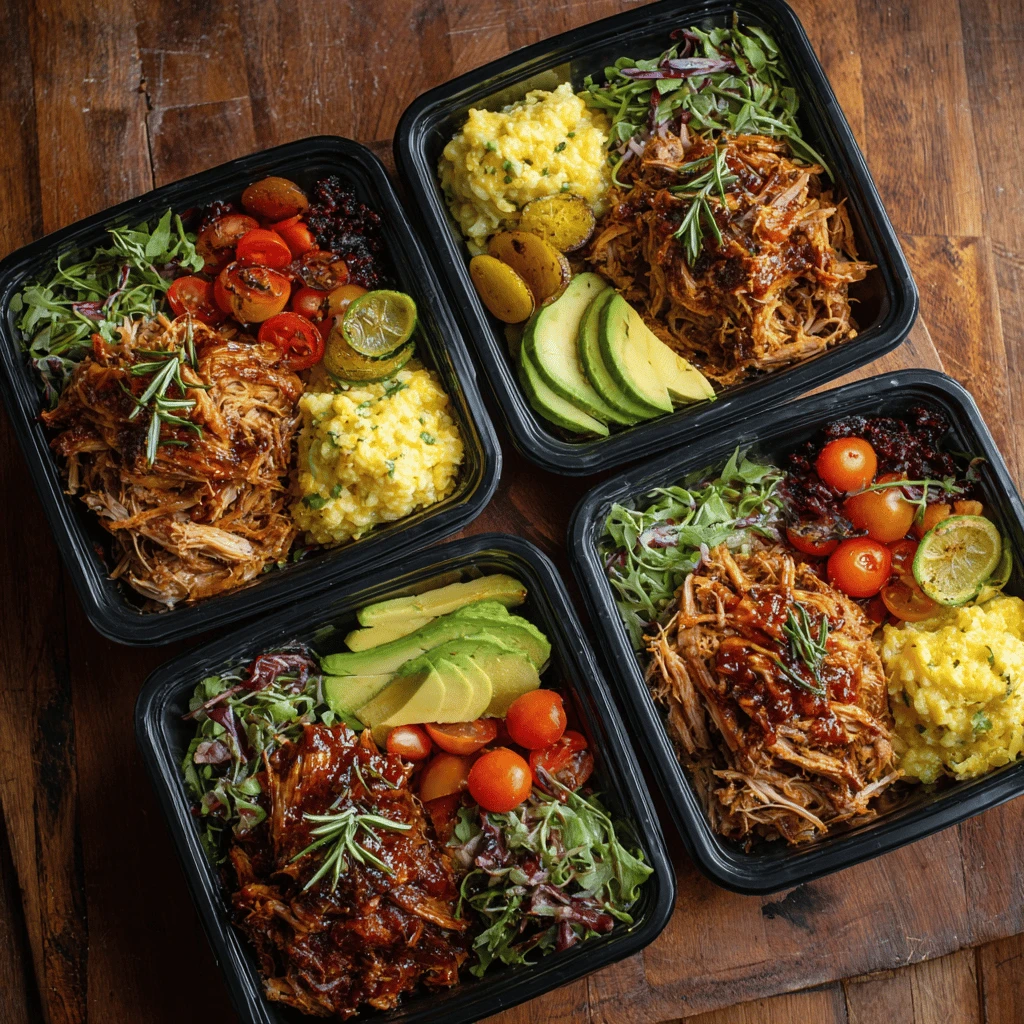
- Mexican-Inspired: Combine pulled pork with rice, black beans, corn, salsa, avocado, and a dollop of sour cream or Greek yogurt.
- Asian-Inspired: Serve pulled pork with quinoa or brown rice, stir-fried vegetables (broccoli, carrots, bell peppers), and a drizzle of sesame ginger sauce.
- Mediterranean-Inspired: Pair pulled pork with couscous or quinoa, roasted vegetables (zucchini, eggplant, tomatoes), crumbled feta cheese, and a lemon-herb vinaigrette.
- Southern-Inspired: Create a bowl with sweet potato mash, collard greens or roasted brussels sprouts, and a drizzle of honey-mustard dressing.
Pulled Pork Salads:
- BBQ Chicken Salad Alternative: Use pulled pork instead of chicken in your favorite BBQ chicken salad recipe. Combine it with lettuce, corn, black beans, tomatoes, red onion, cheddar cheese, and a BBQ ranch dressing.
- Chopped Salad: Combine pulled pork with chopped lettuce, cucumbers, tomatoes, red onion, bell peppers, and a light vinaigrette.
- Grain Bowl Salad: Combine pulled pork with mixed greens, quinoa, roasted vegetables (sweet potatoes, beets), and a tahini dressing.
Pulled Pork Wraps and Tacos:
- Pulled Pork Tacos: Serve pulled pork in warm tortillas with your favorite toppings like shredded cabbage, salsa, avocado, cilantro, and lime wedges.
- Pulled Pork Wraps: Wrap pulled pork with rice, beans, cheese, and salsa in a large tortilla for a satisfying burrito.
- Lettuce Wraps: For a lighter option, serve pulled pork in lettuce cups with shredded carrots, cucumbers, and a peanut sauce.
Pulled Pork with Roasted Vegetables:
- Sheet Pan Meal: Roast vegetables like sweet potatoes, bell peppers, onions, and broccoli on a baking sheet alongside the pulled pork. Season with herbs and spices for a complete and balanced meal.
- Root Vegetable Medley: Roast a mix of root vegetables like carrots, parsnips, and potatoes with the pulled pork for a hearty and comforting dish.
Other Creative Ideas:
- Pulled Pork Stuffed Sweet Potatoes: Bake sweet potatoes until tender and stuff them with pulled pork, black beans, corn, and your favorite toppings.
- Pulled Pork Pizza: Use pulled pork as a topping on homemade or store-bought pizza. Combine it with BBQ sauce, red onion, and mozzarella cheese.
- Pulled Pork Quesadillas: Fill tortillas with pulled pork, cheese, and black beans, then grill until golden brown and the cheese is melted.
- Pulled Pork Nachos: Layer tortilla chips with pulled pork, cheese, black beans, jalapenos, and your favorite toppings, then bake until the cheese is melted.
Section 4: Optimizing Your Meal Prep for Health and Convenience
Making BBQ Pulled Pork meal prep healthy and convenient requires planning and thoughtful ingredient choices.
Healthier Options:
- Leaner Cuts: While pork shoulder is traditional, consider using a leaner cut like pork loin for a healthier option. Keep in mind that it will require more care to prevent it from drying out.
- Homemade BBQ Sauce: Many store-bought BBQ sauces are high in sugar and sodium. Making your own allows you to control the ingredients and reduce the sugar content. Use natural sweeteners like honey or maple syrup in moderation.
- Portion Control: Be mindful of portion sizes to manage your calorie intake. Use a food scale or measuring cups to ensure accurate portioning.
- Whole Grains: Choose whole grains like brown rice, quinoa, or whole-wheat tortillas over refined grains for added fiber and nutrients.
- Plenty of Vegetables: Incorporate plenty of vegetables into your meals to boost your nutrient intake and add volume to your meals.
Convenience Hacks:
- Prep Vegetables in Advance: Chop vegetables on the weekend and store them in airtight containers in the refrigerator for quick and easy assembly during the week.
- Cook Grains in Bulk: Cook a large batch of rice, quinoa, or other grains on the weekend and store them in the refrigerator for use throughout the week.
- Utilize Pre-Cut Ingredients: Save time by using pre-cut vegetables or salad kits.
- Invest in Quality Containers: Having a good set of airtight containers will make meal prep and storage much easier.
- Plan Your Meals: Create a meal plan for the week and make a shopping list to ensure you have all the necessary ingredients on hand.
Reheating Tips for Optimal Taste:
- Add Moisture: When reheating pulled pork, add a splash of liquid (broth, water, or BBQ sauce) to prevent it from drying out.
- Reheat Gently: Avoid overheating the pulled pork, as this can make it tough and dry.
- Stir Occasionally: When reheating on the stovetop or in the microwave, stir occasionally to ensure even heating.
Section 5: Addressing Common Concerns and Questions
Here, we address common concerns and frequently asked questions about BBQ pulled pork meal prep.
Can I make pulled pork without a smoker?
Absolutely! While a smoker imparts a distinctive flavor, slow cookers and Instant Pots are excellent alternatives for achieving tender and flavorful pulled pork.
How long does pulled pork last in the refrigerator?
Properly stored in an airtight container, pulled pork can last for 3-4 days in the refrigerator.
Can I freeze pulled pork?
Yes, pulled pork freezes well. Store it in airtight containers or freezer bags for up to 2-3 months. Thaw it in the refrigerator overnight before reheating.
How do I prevent my pulled pork from drying out?
- Choose a cut with good marbling, like pork shoulder.
- Don’t overcook the pork. It’s ready when it easily shreds with a fork.
- Add a splash of liquid during cooking and reheating.
- Avoid overheating the pork during reheating.
What can I do with leftover pulled pork?
Pulled pork is incredibly versatile! Use it in sandwiches, tacos, salads, bowls, pizza, quesadillas, nachos, or stuffed sweet potatoes.
What are some healthy side dish options for pulled pork?
- Coleslaw (lightened with Greek yogurt instead of mayonnaise)
- Roasted vegetables (broccoli, carrots, sweet potatoes)
- Corn on the cob
- Green beans
- Salad
How can I make my pulled pork meal prep more budget-friendly?
- Buy pork shoulder when it’s on sale.
- Use pantry staples for your rub and BBQ sauce.
- Cook grains and beans in bulk.
- Utilize seasonal vegetables.
Is pulled pork gluten-free?
Pulled pork itself is naturally gluten-free. However, be mindful of the ingredients in your BBQ sauce and any sides you serve with it. Some BBQ sauces contain gluten-containing ingredients like soy sauce or Worcestershire sauce.
How much pulled pork should I make for meal prep?
This depends on your appetite and how many meals you plan to prepare. A good rule of thumb is to estimate about 4-6 ounces of pulled pork per serving.
People Also Ask (FAQ):
- Is pulled pork healthy to eat? Pulled pork can be part of a healthy diet when consumed in moderation. Opt for leaner cuts, control portion sizes, and pair it with nutritious sides.
- How many carbs are in BBQ pulled pork? The carb content varies depending on the BBQ sauce used. Generally, pulled pork itself is low in carbs. Be sure to check the nutritional information for your specific sauce.
- What goes good with pulled pork? Classic sides include coleslaw, cornbread, baked beans, macaroni and cheese, and potato salad. Healthier options include roasted vegetables, green beans, and corn on the cob.
- Why is my pulled pork tough? Tough pulled pork is often a result of undercooking. Ensure the internal temperature reaches 203°F (95°C) and that it shreds easily. Overcooking can also lead to dryness, which can make the pork seem tough.