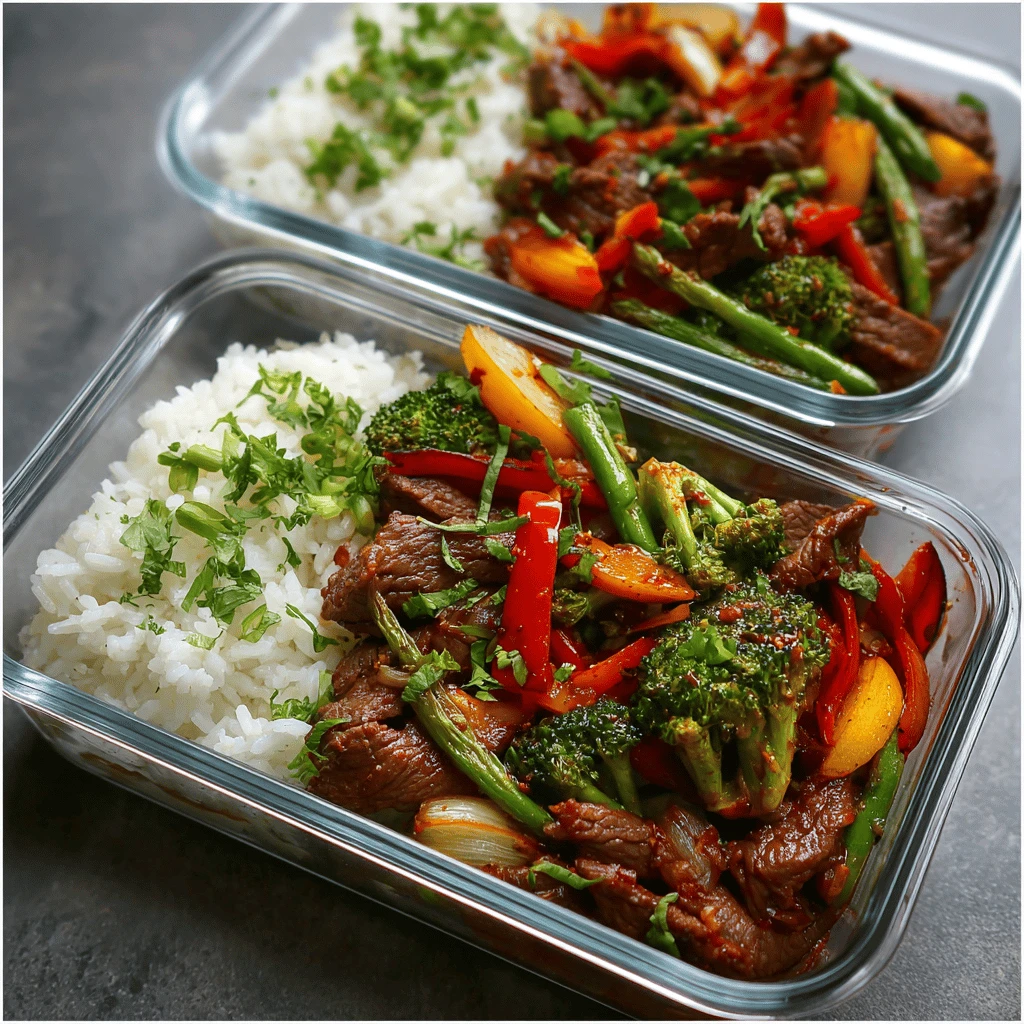
Beef and Veggie Stir-Fry Meal Prep: Your Guide to Delicious and Efficient Eating Meal prepping can be a game-changer for busy individuals seeking healthy and delicious meals without the daily cooking grind. Beef and veggie stir-fry is an excellent choice for meal prepping, offering a balanced combination of protein, carbohydrates, and essential nutrients. This comprehensive…
Beef and Veggie Stir-Fry Meal Prep: Your Guide to Delicious and Efficient Eating
Meal prepping can be a game-changer for busy individuals seeking healthy and delicious meals without the daily cooking grind. Beef and veggie stir-fry is an excellent choice for meal prepping, offering a balanced combination of protein, carbohydrates, and essential nutrients. This comprehensive guide will walk you through crafting the perfect beef and veggie stir-fry meal prep, from ingredient selection to storage tips, ensuring your meals are both flavorful and stay tasty throughout the week.
Choosing the Right Ingredients for Your Stir-Fry
The foundation of any great stir-fry lies in the quality and selection of ingredients. Choosing the right components not only impacts the taste but also affects the overall nutritional value and longevity of your prepped meals.
Selecting the Perfect Beef Cut
When it comes to beef, several cuts work well in a stir-fry. Look for leaner options to minimize fat content. Sirloin steak is a popular choice, offering a good balance of tenderness and flavor. Flank steak is another excellent option, known for its rich, beefy taste and ability to absorb marinades well. Ensure you slice the beef thinly against the grain for optimal tenderness. Skirt steak, though flavorful, can be tougher, so proper preparation and quick cooking are essential. Consider using a tenderizing mallet for tougher cuts. Pre-sliced stir-fry beef, available at many supermarkets, can save time, but ensure the quality is high.
A Rainbow of Vegetables
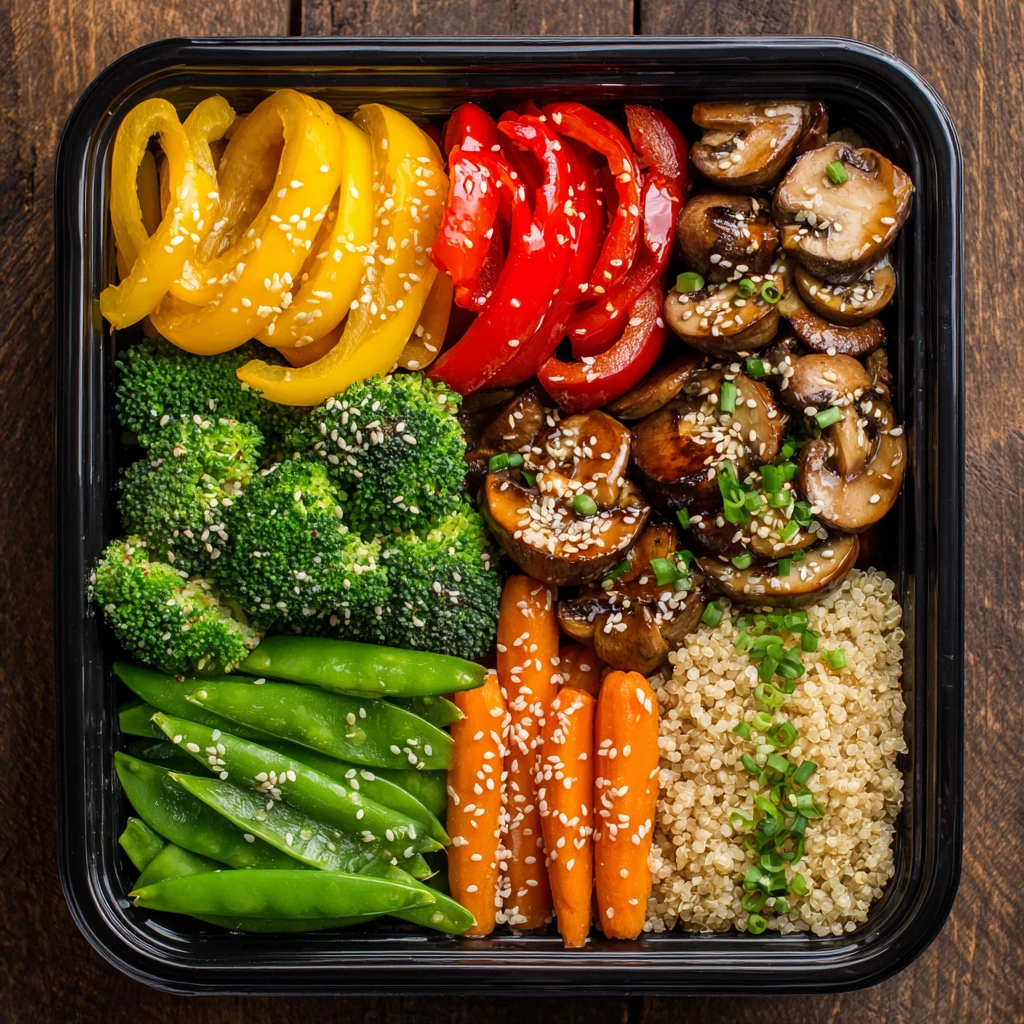
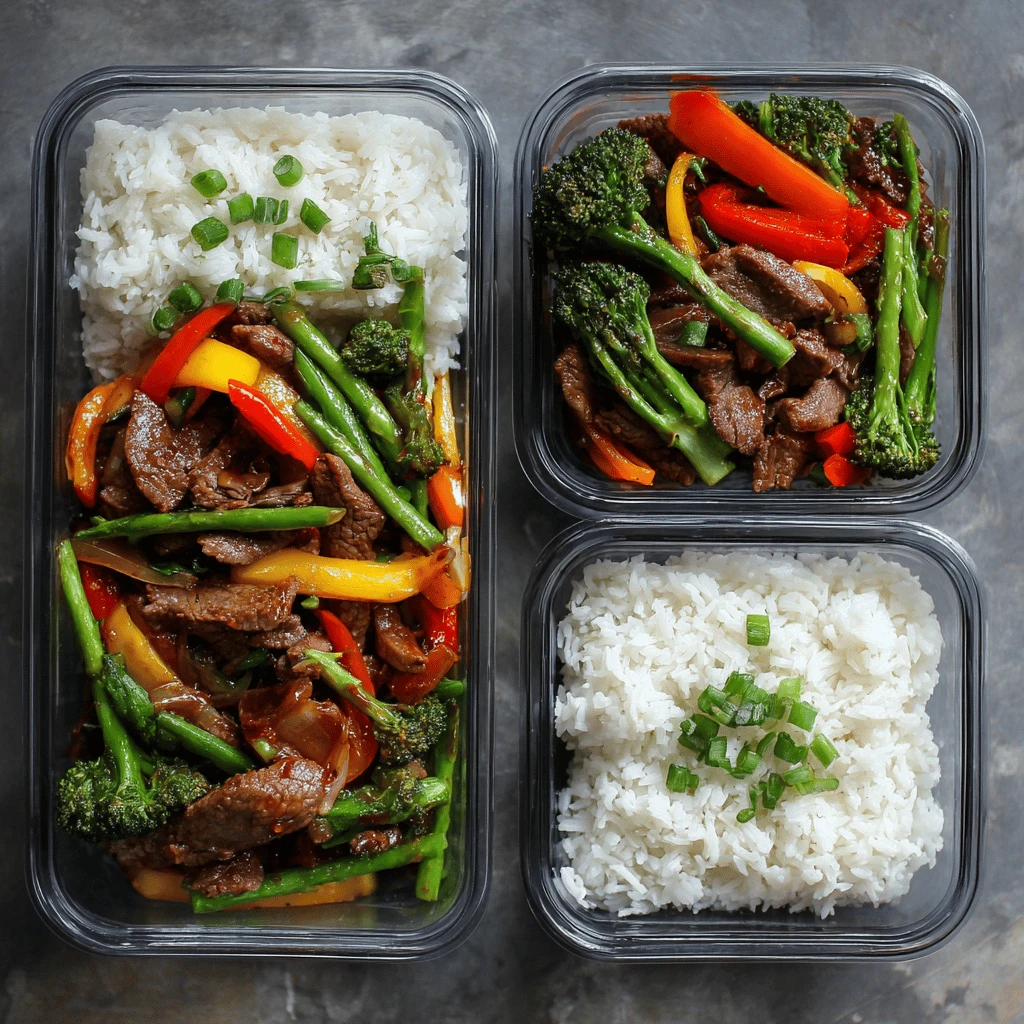
The vegetable selection is where you can truly customize your stir-fry to your preferences and nutritional needs. Broccoli, bell peppers (red, yellow, and orange), carrots, snap peas, and mushrooms are all excellent choices. Broccoli provides fiber and vitamins, bell peppers add sweetness and vitamin C, carrots contribute beta-carotene, snap peas offer a satisfying crunch, and mushrooms bring an earthy flavor and B vitamins. Consider adding spinach or bok choy for leafy greens rich in vitamins and minerals.
Avoid vegetables that tend to become soggy quickly, such as zucchini or cucumbers. If you do include them, cook them separately and add them just before serving. Experiment with different combinations to find your favorites. Frozen vegetables can be a convenient and cost-effective alternative, especially when fresh produce is out of season. Thaw them completely and pat them dry before stir-frying to prevent excess moisture.
Sauce and Flavor Enhancers
The sauce is the key to tying all the flavors together in your stir-fry. A classic stir-fry sauce typically includes soy sauce, sesame oil, ginger, garlic, and a touch of sweetness, such as honey or brown sugar. Opt for low-sodium soy sauce to control the salt content. Freshly grated ginger and minced garlic provide the most intense flavor. Consider adding a splash of rice vinegar for acidity and depth. Cornstarch can be used to thicken the sauce, creating a glossy coating on the beef and vegetables.
Experiment with other flavor enhancers, such as chili garlic sauce for a spicy kick, oyster sauce for umami richness (vegetarian oyster sauce is available!), or hoisin sauce for a sweet and savory dimension. Adjust the quantities to suit your taste preferences. Avoid using excessive amounts of sugar or salt, focusing on balancing the flavors for a more nuanced and healthy sauce.
Preparing Your Ingredients for Meal Prep Success
Proper preparation is crucial for efficient meal prepping and ensuring the quality of your stir-fry. Follow these steps to streamline the process:
Slicing and Dicing Techniques
Thinly slicing the beef against the grain is essential for tenderness. Aim for slices that are about 1/8 to 1/4 inch thick. Uniformly chop the vegetables into bite-sized pieces to ensure even cooking. Dice the onions and garlic finely to release their flavors quickly during stir-frying. Mince ginger for a more subtle flavor or grate it for a more pronounced taste.
Prepare all the ingredients before you start cooking. This “mise en place” approach will make the cooking process faster and more organized. Consider using a mandoline for uniform vegetable slices. If you are using frozen vegetables, thaw them completely and pat them dry with paper towels to remove excess moisture. Store prepared ingredients in separate containers in the refrigerator until ready to use.
Marinating the Beef for Enhanced Flavor
Marinating the beef before stir-frying can significantly enhance its flavor and tenderness. A simple marinade of soy sauce, sesame oil, ginger, garlic, and a pinch of black pepper works well. Add a tablespoon of cornstarch to help tenderize the beef and create a silky texture. Marinate the beef for at least 30 minutes, or up to overnight in the refrigerator.
For a richer flavor, add a splash of rice wine or sherry to the marinade. A touch of sugar can also help caramelize the beef during cooking. Avoid marinating the beef for too long, as the acidity in the marinade can break down the protein and make it mushy. Always marinate in the refrigerator to prevent bacterial growth.
Pre-Cooking Rice or Noodles
Serve your beef and veggie stir-fry with a carbohydrate source like rice or noodles. Brown rice is a healthier option than white rice, providing more fiber and nutrients. Cook the rice according to package directions and allow it to cool completely before portioning into meal prep containers.
Alternatively, use noodles such as udon, soba, or egg noodles. Cook the noodles al dente to prevent them from becoming mushy when reheated. Rinse the noodles with cold water after cooking to stop the cooking process and prevent sticking. Toss the noodles with a little sesame oil to keep them separate. Quinoa or cauliflower rice are great lower-carb options.
Cooking the Perfect Beef and Veggie Stir-Fry
Mastering the stir-fry technique is essential for creating a flavorful and well-cooked dish. Here’s how to achieve the perfect stir-fry every time:
High-Heat Cooking Techniques
Stir-frying is best done in a wok or a large skillet over high heat. The high heat sears the ingredients quickly, locking in moisture and creating a slightly charred flavor. Ensure your wok or skillet is preheated before adding any oil. Use a high smoke-point oil, such as canola oil, peanut oil, or grapeseed oil.
Add the ingredients in stages, starting with the beef. Sear the beef quickly until browned on all sides, then remove it from the wok. Next, add the vegetables, starting with the ones that take longer to cook, such as carrots and broccoli. Stir-fry the vegetables until they are tender-crisp. Add the garlic and ginger towards the end to prevent them from burning. Return the beef to the wok and add the sauce. Stir-fry until the sauce thickens and coats the beef and vegetables.
Avoiding Overcrowding the Pan
Overcrowding the pan can lower the temperature and result in steamed, rather than stir-fried, ingredients. Cook the beef and vegetables in batches if necessary. Ensure there is enough space in the wok or skillet for the ingredients to move freely.
If the pan becomes too crowded, the ingredients will release moisture, which can lead to a soggy stir-fry. Work quickly and efficiently to maintain the high heat and ensure even cooking. A well-ventilated kitchen is also important to prevent excessive steam.
Achieving the Right Texture
The key to a great stir-fry is achieving the right texture. The beef should be tender and slightly browned, and the vegetables should be tender-crisp. Avoid overcooking the beef, as it can become tough. Stir-fry the vegetables until they are just cooked through, but still retain some crunch.
The sauce should be thick enough to coat the beef and vegetables, but not so thick that it becomes gloppy. Adjust the amount of cornstarch in the sauce to achieve the desired consistency. Serve the stir-fry immediately for the best texture.
Meal Prep Storage and Reheating
Proper storage and reheating are essential for maintaining the quality and safety of your prepped meals.
Choosing the Right Containers
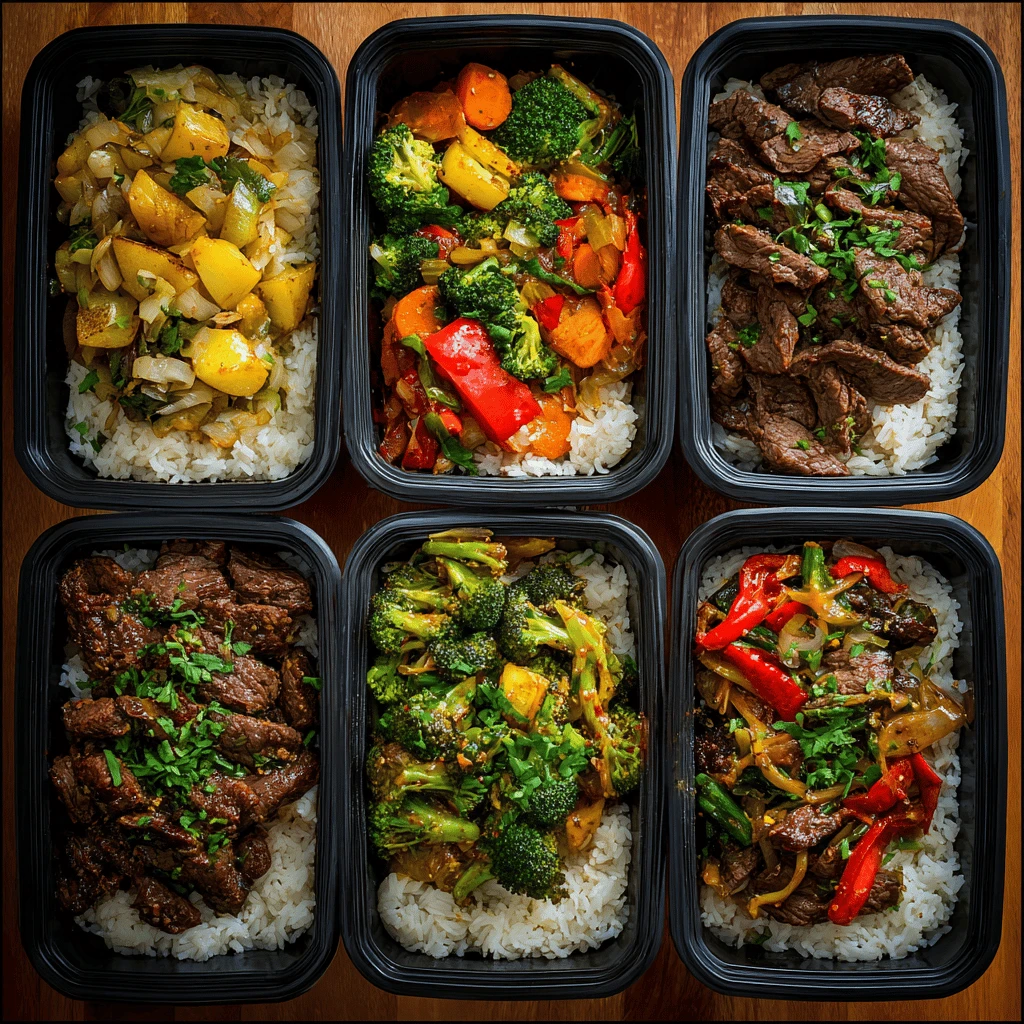
Invest in high-quality, airtight containers for meal prepping. Glass containers are a great option as they are non-reactive and easy to clean. Plastic containers are also acceptable, but ensure they are BPA-free. Choose containers that are the right size for your portion sizes.
Divide the stir-fry into individual portions and place them in the containers. Allow the stir-fry to cool completely before sealing the containers and storing them in the refrigerator. Avoid overfilling the containers to prevent spills. Label each container with the date it was prepared.
Optimal Refrigeration Techniques
Store the prepped meals in the refrigerator at a temperature of 40°F (4°C) or below. Properly stored beef and veggie stir-fry can last for up to four days in the refrigerator. Avoid storing the meals at room temperature for more than two hours.
To prevent bacterial growth, cool the stir-fry quickly before refrigerating. You can speed up the cooling process by spreading the stir-fry on a baking sheet or placing the containers in an ice bath. Use prepped meals in the order they were prepared, starting with the oldest.
Reheating Methods for Best Results
There are several ways to reheat your beef and veggie stir-fry. Microwaving is the quickest option, but it can sometimes result in a slightly soggy texture. To reheat in the microwave, place the stir-fry in a microwave-safe dish and cover it loosely. Reheat for 1-2 minutes, or until heated through.
For a better texture, reheat the stir-fry in a skillet over medium heat. Add a tablespoon of water or broth to the skillet to prevent sticking. Stir-fry until heated through, stirring occasionally. You can also reheat the stir-fry in the oven at 350°F (175°C) for 15-20 minutes, or until heated through. Add a fresh sprinkle of sesame seeds before serving.
Tips for Customization and Variations
One of the best things about beef and veggie stir-fry is its versatility. You can easily customize the recipe to suit your taste preferences and dietary needs.
Vegetarian and Vegan Adaptations
To make a vegetarian or vegan version of this recipe, substitute the beef with tofu, tempeh, or plant-based protein crumbles. Tofu should be pressed to remove excess water before stir-frying. Tempeh can be steamed or boiled to soften it before stir-frying.
Use vegetable broth instead of beef broth in the sauce. Substitute honey with maple syrup or agave nectar. Ensure that all other ingredients are vegan-friendly. Edamame or other beans can be added for additional protein.
Low-Carb and Gluten-Free Options
For a low-carb stir-fry, replace the rice or noodles with cauliflower rice or zucchini noodles. Reduce the amount of sugar in the sauce. Choose low-carb vegetables such as broccoli, cauliflower, and bell peppers. Avoid carrots and peas, which are higher in carbohydrates.
To make a gluten-free stir-fry, use tamari instead of soy sauce. Tamari is a gluten-free soy sauce alternative. Ensure that all other ingredients are gluten-free. Avoid using hoisin sauce, as it often contains wheat flour.
Adding Protein and Toppings
In addition to beef, you can add other protein sources to your stir-fry, such as chicken, shrimp, or pork. Ensure that the protein is cooked thoroughly before adding it to the stir-fry. Experiment with different toppings to add flavor and texture to your stir-fry. Sesame seeds, chopped peanuts, green onions, and cilantro are all great options. A squeeze of lime juice can also brighten the flavors.
FAQ Section
-
- How long does beef stir-fry last in the fridge?
Properly stored beef stir-fry can last for up to 3-4 days in the refrigerator at a temperature of 40°F (4°C) or below.
-
- Can you freeze beef stir-fry?
Yes, you can freeze beef stir-fry. For best results, cool completely, then store in airtight containers for up to 2-3 months.
-
- What is the best way to reheat stir-fry?
Reheat in a skillet over medium heat or in the microwave. For best results, add a little water to the skillet to prevent sticking.
-
- What cut of beef is best for stir-fry?
Sirloin, flank, or skirt steak are good choices. Slice thinly against the grain for tenderness.
-
- What vegetables are best for stir-fry?
Broccoli, bell peppers, carrots, snap peas, and mushrooms are excellent choices.