Broccoli and Cheese Frittata: A Delicious and Nutritious Delight Frittatas are a fantastic way to enjoy a quick, easy, and healthy meal. This Broccoli and Cheese Frittata recipe combines the goodness of broccoli with the creamy richness of cheese, all bound together in a fluffy egg base. Perfect for breakfast, brunch, lunch, or even a…
Broccoli and Cheese Frittata: A Delicious and Nutritious Delight
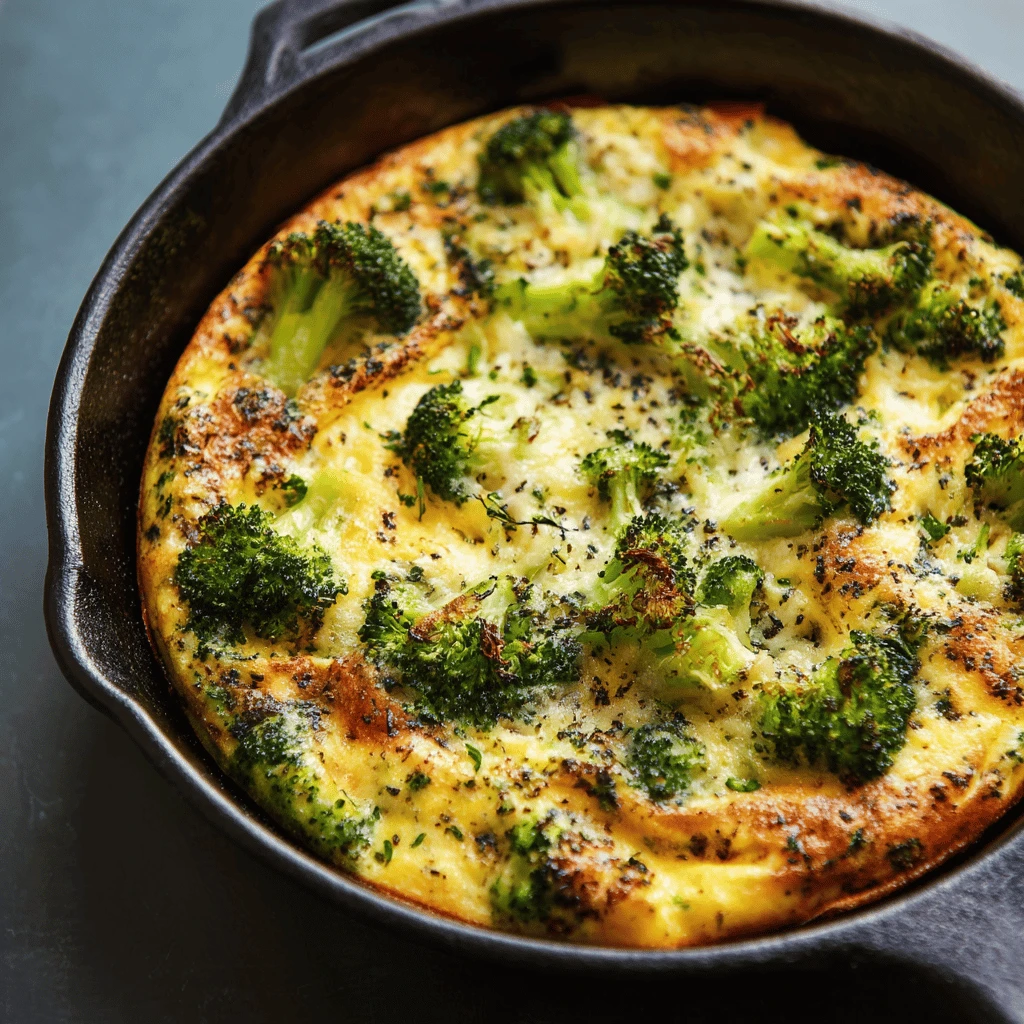
Frittatas are a fantastic way to enjoy a quick, easy, and healthy meal. This Broccoli and Cheese Frittata recipe combines the goodness of broccoli with the creamy richness of cheese, all bound together in a fluffy egg base. Perfect for breakfast, brunch, lunch, or even a light dinner, this versatile dish is sure to become a family favorite.

Why You’ll Love This Broccoli and Cheese Frittata
This frittata offers a multitude of benefits. First, it’s incredibly adaptable. You can easily customize the recipe to suit your tastes and dietary needs. Swap out the cheese, add different vegetables, or incorporate leftover cooked meats for a heartier meal.
Second, it’s a nutritional powerhouse. Broccoli is packed with vitamins, minerals, and fiber, while eggs provide a great source of protein and essential amino acids. Cheese contributes calcium and flavor, making this frittata a well-rounded and satisfying meal.
Finally, it’s incredibly convenient. Frittatas are relatively quick to prepare and cook, making them ideal for busy weeknights or lazy weekend mornings. Plus, they’re just as delicious cold as they are hot, making them perfect for meal prepping and packing lunches.
Mastering the Perfect Frittata
Creating the perfect frittata involves a few key techniques. The first is properly preparing your vegetables. For broccoli, ensure it’s tender-crisp before adding it to the egg mixture. You can achieve this by steaming, blanching, or sautéing it briefly. This prevents the broccoli from being too crunchy in the finished frittata.
The second critical step is whisking the eggs thoroughly. This incorporates air into the mixture, resulting in a light and fluffy frittata. Don’t over-whisk, though, as this can toughen the eggs.
The third key is to cook the frittata gently. Start by cooking it on the stovetop to set the bottom and then transfer it to the oven to finish cooking. This ensures that the frittata is cooked evenly throughout and prevents it from burning.
Choosing Your Ingredients
The beauty of a frittata lies in its flexibility. While this recipe focuses on broccoli and cheese, don’t be afraid to experiment with other ingredients.
- Broccoli: Fresh or frozen broccoli florets work well. If using frozen, make sure to thaw and drain them thoroughly before adding them to the frittata.
- Cheese: Cheddar cheese, Monterey Jack, Gruyere, or even a sprinkle of Parmesan cheese all make excellent choices. Consider a blend of cheeses for a more complex flavor.
- Eggs: Use fresh, high-quality eggs for the best flavor and texture.
- Dairy: A splash of milk or cream adds richness and helps create a tender frittata. You can also use a dairy-free alternative like almond milk or coconut milk.
- Optional Add-ins: Consider adding diced onion, garlic, bell peppers, mushrooms, or spinach for extra flavor and nutrients. Cooked bacon, sausage, or ham can also be incorporated for a heartier meal.
Step-by-Step Recipe
Ingredients:
- 6 large eggs
- 1/4 cup milk or cream
- 1 cup broccoli florets, cooked tender-crisp
- 1 cup shredded cheddar cheese (or cheese of your choice)
- 1 tablespoon olive oil
- 1/4 teaspoon salt
- 1/4 teaspoon black pepper
- Optional: diced onion, garlic, or other vegetables
Instructions:
1. Preheat your oven to 350°F (175°C).
2. In a bowl, whisk together the eggs, milk or cream, salt, and pepper until well combined.
3. Heat the olive oil in an oven-safe skillet over medium heat. If you don’t have an oven-safe skillet, you can transfer the mixture to a baking dish later.
4. If using optional vegetables like onion or garlic, sauté them in the skillet until softened.
5. Add the cooked broccoli florets to the skillet.
6. Pour the egg mixture over the broccoli and vegetables.
7. Sprinkle the shredded cheese evenly over the top.
8. Cook on the stovetop for about 5-7 minutes, or until the edges of the frittata begin to set.
9. Transfer the skillet to the preheated oven and bake for 15-20 minutes, or until the frittata is set and the cheese is melted and bubbly.
10. Remove from the oven and let cool for a few minutes before slicing and serving.
Variations and Serving Suggestions
The possibilities are endless when it comes to customizing your Broccoli and Cheese Frittata.
Flavor Variations
- Mediterranean: Add sun-dried tomatoes, olives, and feta cheese for a Mediterranean-inspired frittata.
- Italian: Incorporate Italian sausage, bell peppers, and mozzarella cheese.
- Spicy: Add a pinch of red pepper flakes or diced jalapeños for a kick of heat.
- Mushroom and Spinach: Sauté mushrooms and spinach with garlic before adding them to the egg mixture.
Serving Suggestions
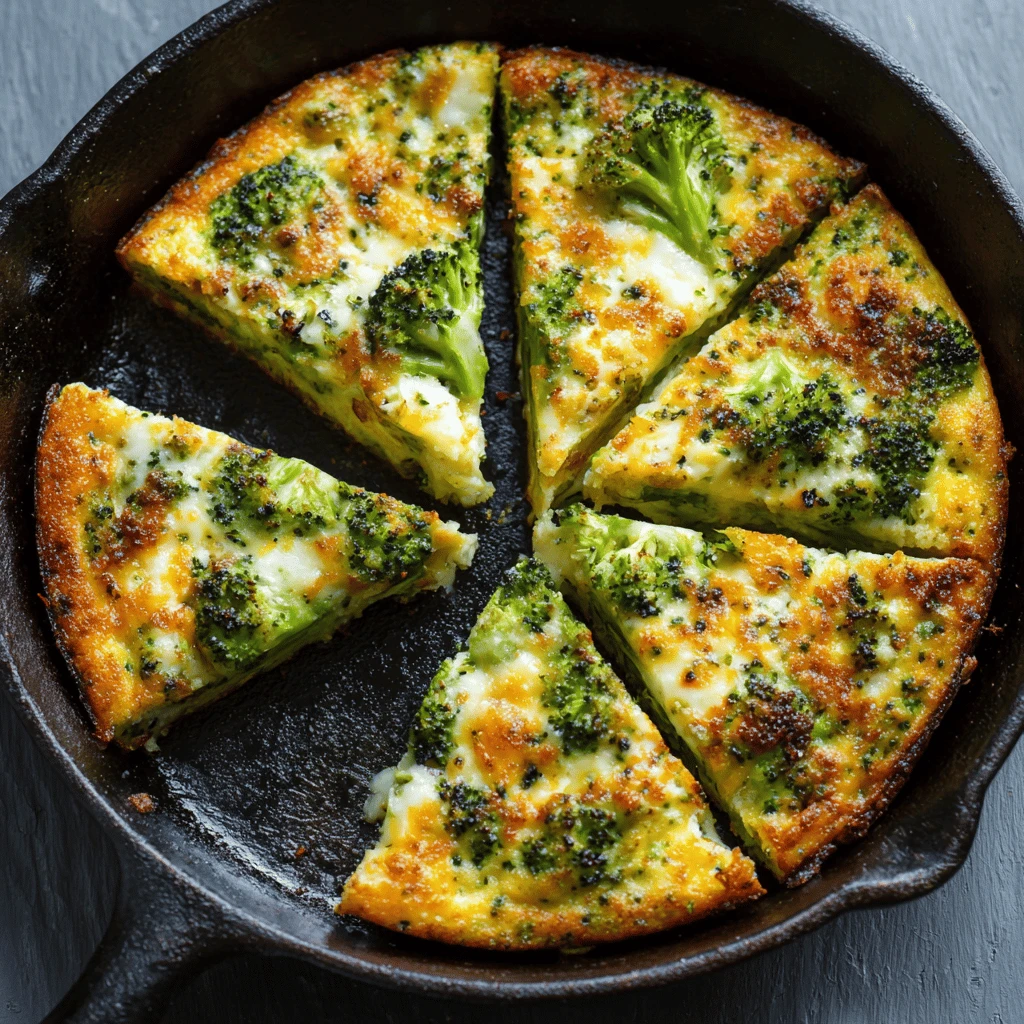
- Serve the frittata warm or cold, sliced into wedges.
- Pair it with a side salad for a light and healthy meal.
- Serve it with toast or English muffins for a satisfying breakfast or brunch.
- Pack it in lunches for a convenient and nutritious meal on the go.
- Garnish with fresh herbs like parsley or chives for added flavor and visual appeal.
Tips for Frittata Success
- Don’t overcook the frittata. Overcooking can result in a dry and rubbery texture. The frittata is done when the center is just set and no longer wobbly.
- Use an oven-safe skillet. If you don’t have one, you can transfer the frittata to a baking dish after cooking it on the stovetop.
- Let the frittata cool slightly before slicing. This allows it to set properly and makes it easier to cut.
- Store leftovers in the refrigerator. Frittata leftovers can be stored in an airtight container in the refrigerator for up to 3 days.
- Reheat gently. Reheat leftover frittata in the microwave or oven until warmed through.
Common Mistakes to Avoid
- Using too much liquid: Adding too much milk or cream can result in a soggy frittata. Stick to the recommended amount in the recipe.
- Overcrowding the skillet: Don’t overcrowd the skillet with too many vegetables. This can prevent the frittata from cooking evenly.
- Using raw vegetables: Make sure to cook your vegetables before adding them to the frittata. Raw vegetables will not cook through properly in the oven.
- Skipping the stovetop cooking: Cooking the frittata on the stovetop before transferring it to the oven helps to set the bottom and prevent it from sticking.
- Opening the oven door too often: Opening the oven door too often can cause the oven temperature to fluctuate, which can affect the cooking time and texture of the frittata.
Frequently Asked Questions (FAQ)
Can I make this frittata ahead of time?
Yes, you can make the frittata ahead of time. Let it cool completely, then cover and refrigerate it. Reheat it in the oven or microwave before serving.
Can I freeze this frittata?
While you can freeze a frittata, the texture might change slightly upon thawing. Let it cool completely, wrap it tightly in plastic wrap and then aluminum foil, and freeze for up to 2 months. Thaw overnight in the refrigerator before reheating.
What other vegetables can I add?
Feel free to add other vegetables such as spinach, mushrooms, bell peppers, onions, zucchini, or asparagus. Just make sure to cook them before adding them to the frittata.
Can I use different types of cheese?
Absolutely! Cheddar, Gruyere, mozzarella, feta, and Parmesan cheese all work well in a frittata. Experiment with different combinations to find your favorite flavor.
Is this frittata gluten-free?
Yes, this frittata is naturally gluten-free as long as you don’t add any gluten-containing ingredients.
Can I make this frittata dairy-free?
Yes, you can make this frittata dairy-free by using a dairy-free milk alternative like almond milk or coconut milk and a dairy-free cheese substitute.
Can I add meat to this frittata?
Yes, you can add cooked bacon, sausage, ham, or chicken to this frittata for a heartier meal.
How do I prevent the frittata from sticking to the pan?
Use an oven-safe skillet with a non-stick surface or grease the skillet well with olive oil or butter before adding the egg mixture.
How long will the frittata last in the refrigerator?
The frittata will last for up to 3 days in the refrigerator when stored in an airtight container.
How do I know when the frittata is done?
The frittata is done when the edges are set and the center is just set but still slightly jiggly. A knife inserted into the center should come out clean.