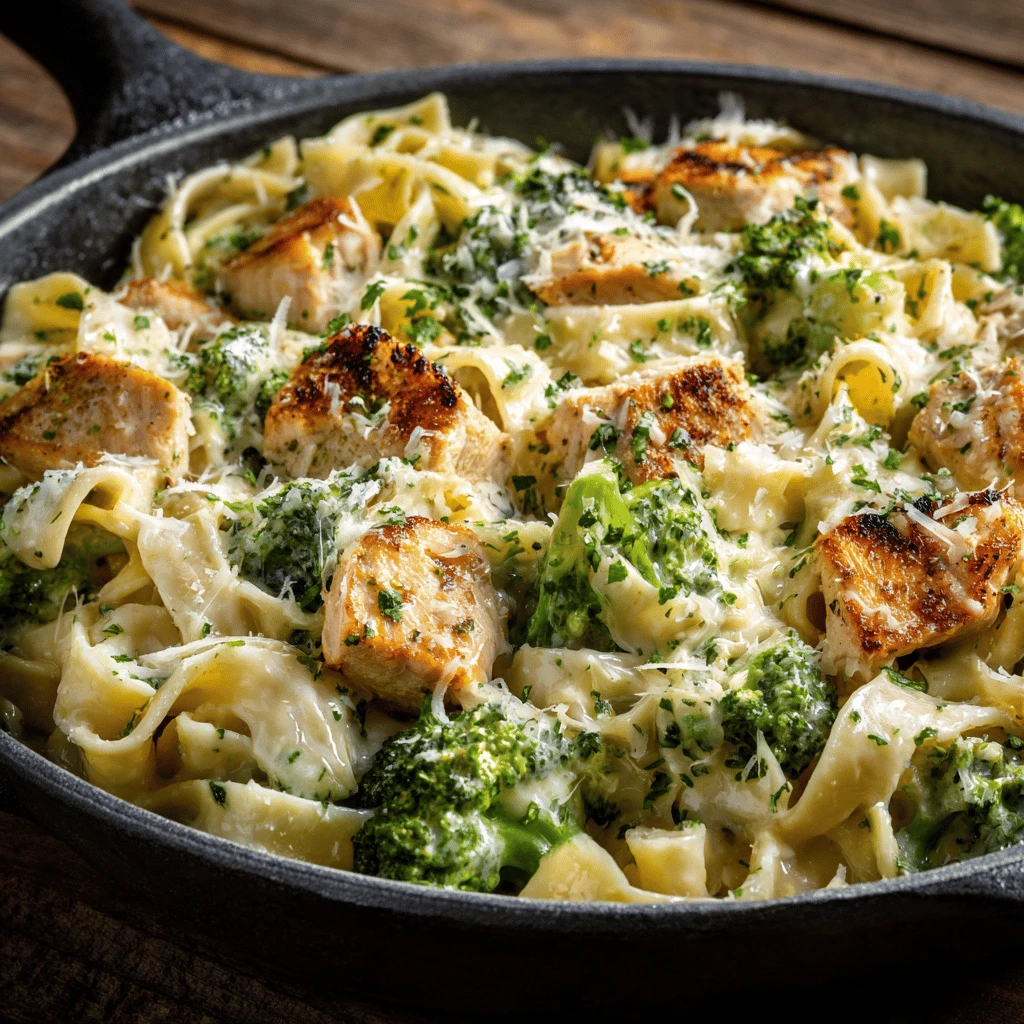
Broccoli and Chicken Alfredo: A Creamy, Comforting Delight Broccoli and Chicken Alfredo is a classic dish that combines tender chicken, vibrant broccoli florets, and a rich, creamy Alfredo sauce. This recipe is a guaranteed crowd-pleaser, perfect for a weeknight dinner or a special occasion. This article explores the best methods for creating a delicious Broccoli…
Broccoli and Chicken Alfredo: A Creamy, Comforting Delight
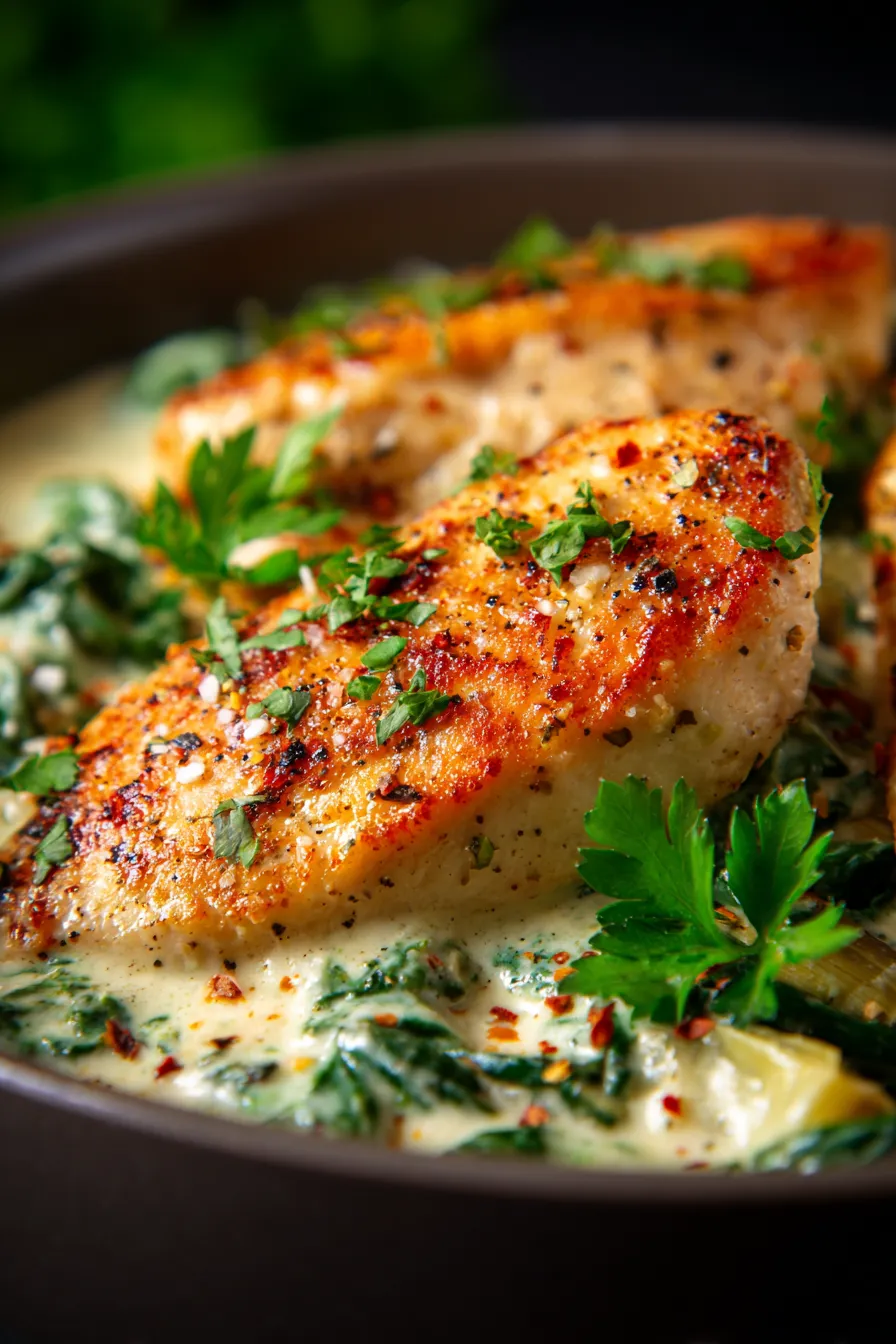
Broccoli and Chicken Alfredo is a classic dish that combines tender chicken, vibrant broccoli florets, and a rich, creamy Alfredo sauce. This recipe is a guaranteed crowd-pleaser, perfect for a weeknight dinner or a special occasion. This article explores the best methods for creating a delicious Broccoli and Chicken Alfredo, offering tips and variations to customize the dish to your preferences.
The Perfect Alfredo Sauce: Building the Base
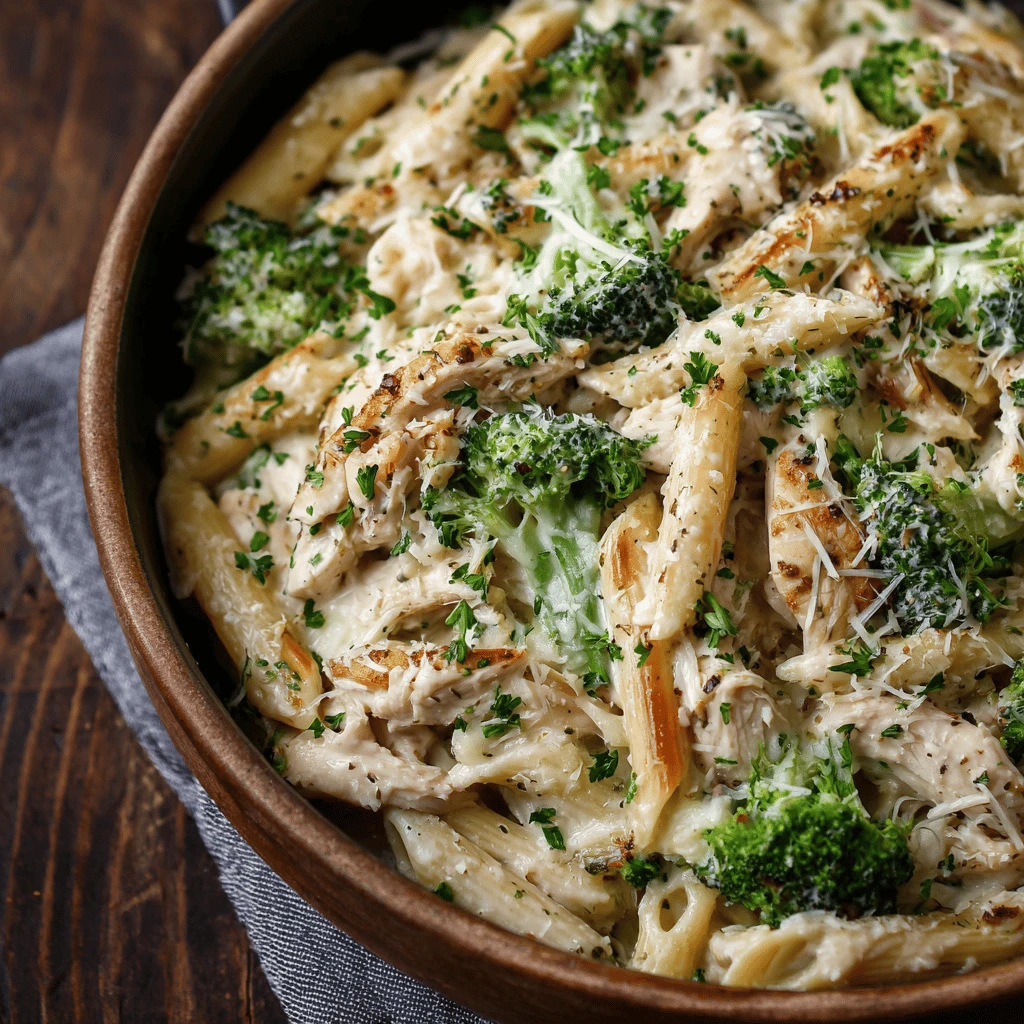
The heart of any great Alfredo is, of course, the sauce. A properly made Alfredo is velvety smooth, deeply flavored, and clings perfectly to the pasta, chicken, and broccoli. Here’s how to achieve Alfredo perfection:
Key Ingredients for a Stellar Alfredo
- Butter: Unsalted butter is essential for creating a rich, flavorful base. Using unsalted allows you to control the overall saltiness of the sauce.
- Garlic: Freshly minced garlic is a must. Avoid garlic powder, as it lacks the depth and complexity of fresh garlic.
- Heavy Cream: The foundation of the creamy texture. Don’t substitute with milk or half-and-half, as they won’t provide the necessary richness.
- Parmesan Cheese: Freshly grated Parmesan is critical. Pre-shredded cheese often contains cellulose, which can prevent it from melting smoothly.
- Seasoning: Salt, freshly ground black pepper, and a pinch of nutmeg are all you need to enhance the flavors. Some recipes call for garlic salt, but it’s best to add fresh garlic and plain salt separately to better control the flavor profile.
The Art of Making Alfredo: Technique Matters
1. Melt the Butter and Sauté the Garlic: In a large skillet or saucepan over medium heat, melt the butter. Add the minced garlic and sauté until fragrant, about 1 minute. Be careful not to burn the garlic, as it will turn bitter.
2. Add the Heavy Cream: Pour in the heavy cream and bring to a simmer, stirring occasionally. Reduce the heat to low and let it simmer for 5-7 minutes, or until slightly thickened. This allows the cream to reduce and intensify in flavor.
3. Incorporate the Parmesan Cheese: Remove the pan from the heat and gradually whisk in the freshly grated Parmesan cheese until it is completely melted and the sauce is smooth. Adding the cheese off the heat prevents it from clumping.
4. Season to Perfection: Season the sauce with salt, freshly ground black pepper, and a pinch of nutmeg. Adjust the seasoning to your taste.
Troubleshooting Alfredo: Common Issues and Solutions
- Sauce Too Thick: Add a splash of pasta water to thin it out. The starchy water will also help the sauce cling to the pasta.
- Sauce Too Thin: Continue to simmer the sauce over low heat, stirring occasionally, until it reaches your desired consistency.
- Sauce is Grainy: This usually happens when the cheese is overheated. Unfortunately, a grainy sauce is difficult to fix. Prevent it by adding the cheese off the heat and whisking constantly.
- Sauce Lacks Flavor: Add more Parmesan cheese, garlic, or a pinch of salt and pepper.
Preparing the Chicken and Broccoli
While the Alfredo sauce is the star, the chicken and broccoli are crucial elements that add protein, texture, and nutritional value to the dish. Proper preparation ensures they complement the sauce perfectly.
Cooking the Chicken: Tender and Flavorful
-
- Chicken Breast vs. Chicken Thighs: Chicken breast is a leaner option, while chicken thighs are more flavorful and stay moist during cooking. Either can be used, depending on your preference. Cut the chicken into bite-sized pieces for even cooking and easy eating.
- Seasoning the Chicken: Before cooking, season the chicken with salt, pepper, garlic powder, onion powder, and paprika. For a richer flavor, marinate the chicken for at least 30 minutes or up to overnight in the refrigerator. A simple marinade of olive oil, lemon juice, garlic, and herbs works well.
- Cooking Methods:
Pan-Seared: Heat olive oil in a large skillet over medium-high heat. Add the chicken and cook until golden brown and cooked through, about 5-7 minutes per side.
Baked: Preheat the oven to 375°F (190°C). Place the chicken on a baking sheet and bake for 20-25 minutes, or until cooked through.
Grilled: Grill the chicken over medium heat until cooked through, about 5-7 minutes per side.
Poached: Poaching chicken results in very tender, moist meat. Bring water to a simmer, add chicken, and cook until done.
Preparing the Broccoli: Vibrant and Crisp-Tender
-
- Fresh vs. Frozen Broccoli: Fresh broccoli is preferred for its superior flavor and texture, but frozen broccoli can be used in a pinch. If using frozen, thaw it completely and pat it dry before cooking.
- Cutting the Broccoli: Cut the broccoli into small, bite-sized florets. Ensure they are uniform in size for even cooking.
- Cooking Methods:
Steamed: Steaming is a healthy way to cook broccoli, preserving its nutrients and vibrant green color. Steam the broccoli for 5-7 minutes, or until crisp-tender.
Blanched: Blanching involves briefly boiling the broccoli in water, then immediately plunging it into an ice bath to stop the cooking process. This helps to maintain its color and crispness.
Sautéed: Sautéing the broccoli in a skillet with olive oil and garlic adds flavor and a slight char. Cook until tender-crisp.
Roasted: Roasting broccoli brings out its natural sweetness. Toss the broccoli with olive oil, salt, pepper, and garlic powder, then roast at 400°F (200°C) for 15-20 minutes, or until tender and slightly caramelized.
Assembling the Dish: Bringing It All Together
Once the Alfredo sauce, chicken, and broccoli are prepared, it’s time to assemble the dish. Choosing the right pasta and combining the elements correctly will result in a perfectly balanced and satisfying meal.
Choosing the Right Pasta
- Shape Matters: The best pasta shapes for Alfredo sauce are those that have ridges or grooves, which help the sauce cling to the pasta. Penne, fettuccine, rotini, and shells are all excellent choices.
- Cooking the Pasta: Cook the pasta according to the package directions until al dente. Be sure to salt the pasta water generously, as this is the only chance to season the pasta itself. Reserve about 1 cup of pasta water before draining.
Combining the Ingredients
1. Toss the Pasta with the Sauce: Add the cooked pasta to the skillet with the Alfredo sauce. Toss to coat evenly. If the sauce is too thick, add a little of the reserved pasta water to thin it out.
2. Add the Chicken and Broccoli: Add the cooked chicken and broccoli to the pasta and sauce. Gently toss to combine.
3. Serve Immediately: Serve the Broccoli and Chicken Alfredo immediately, garnished with extra Parmesan cheese and freshly chopped parsley, if desired.
Tips for Serving and Presentation
- Warm Plates: Serving the Alfredo on warm plates will help to keep the dish warm for longer.
- Garnish: A sprinkle of freshly grated Parmesan cheese, chopped parsley, or a drizzle of olive oil can enhance the presentation of the dish.
- Side Dishes: Serve the Broccoli and Chicken Alfredo with a side salad or garlic bread for a complete meal.
Variations and Additions: Customizing Your Alfredo
The beauty of Broccoli and Chicken Alfredo lies in its versatility. There are countless ways to customize the dish to suit your taste preferences.
Adding Vegetables for Extra Nutrients
- Spinach: Add fresh spinach to the skillet with the Alfredo sauce and cook until wilted.
- Mushrooms: Sauté sliced mushrooms with the garlic before adding the heavy cream.
- Asparagus: Add blanched or sautéed asparagus to the pasta along with the chicken and broccoli.
- Peas: Stir in frozen peas during the last few minutes of cooking for a touch of sweetness and color.
- Sun-Dried Tomatoes: Add oil-packed sun-dried tomatoes for a burst of flavor.
Protein Alternatives and Enhancements
- Shrimp: Substitute chicken with shrimp for a seafood twist.
- Sausage: Add cooked Italian sausage for a heartier meal.
- Bacon: Sprinkle cooked bacon crumbles over the finished dish for a smoky flavor.
- Tofu: For a vegetarian option, use pan-fried or baked tofu instead of chicken.
Flavor Boosters and Spice Options
- Lemon Zest: Add a teaspoon of lemon zest to the Alfredo sauce for a bright, citrusy flavor.
- Red Pepper Flakes: Sprinkle red pepper flakes into the sauce for a touch of heat.
- Fresh Herbs: Add chopped fresh herbs like basil, oregano, or thyme to the sauce for added flavor.
- Truffle Oil: Drizzle a small amount of truffle oil over the finished dish for a luxurious touch.
Making it Lighter: Healthier Alfredo Options
- Cauliflower Alfredo: Substitute some of the heavy cream with a cauliflower puree for a lower-calorie option.
- Greek Yogurt Alfredo: Replace some of the heavy cream with Greek yogurt for a tangy and protein-packed sauce.
- Whole Wheat Pasta: Use whole wheat pasta for added fiber.
Storage and Reheating: Enjoying Leftovers
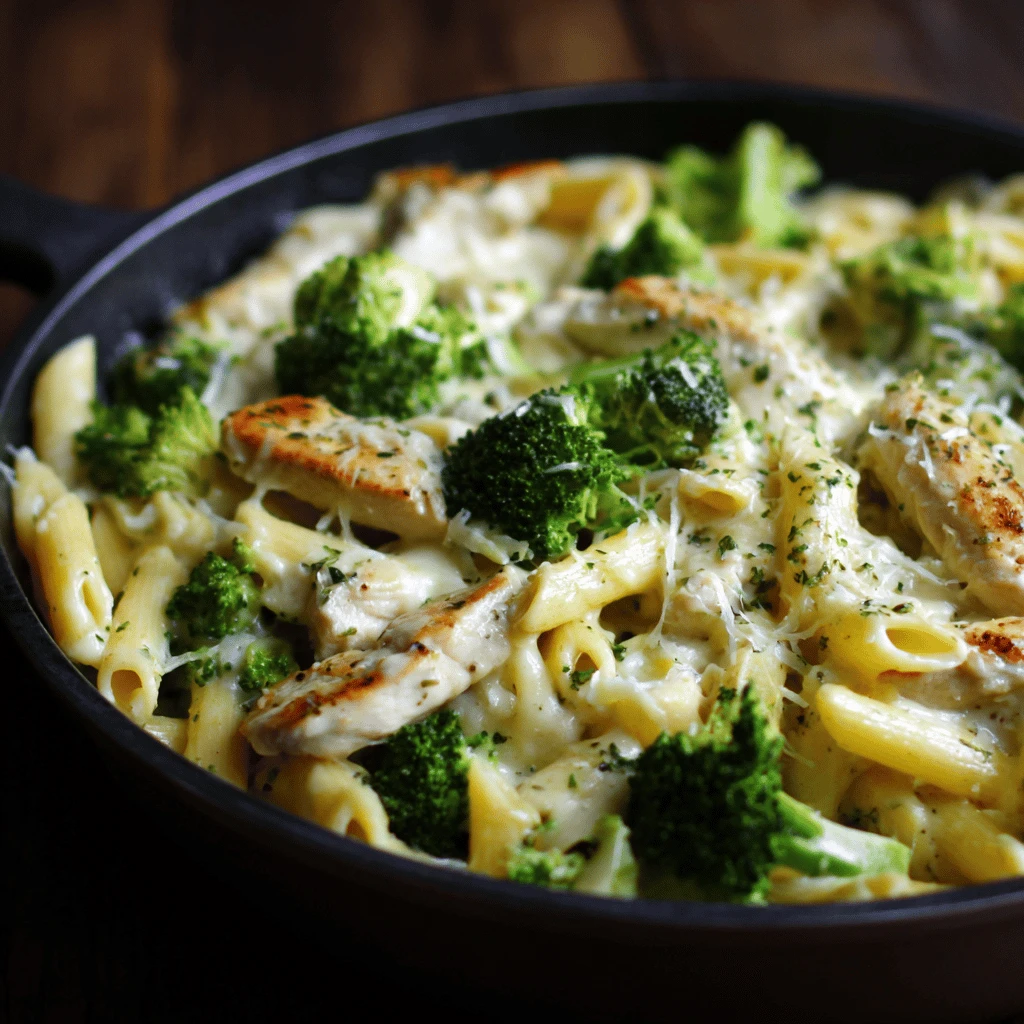
Broccoli and Chicken Alfredo is best enjoyed fresh, but leftovers can be stored and reheated for later enjoyment.
Proper Storage Techniques
- Refrigerate Promptly: Allow the Alfredo to cool completely before storing it in an airtight container in the refrigerator.
- Storage Time: Leftovers can be stored in the refrigerator for up to 3-4 days.
Reheating Methods
- Microwave: Reheat individual portions in the microwave, stirring occasionally, until heated through. Add a splash of milk or cream to prevent the sauce from drying out.
- Stovetop: Reheat the Alfredo in a skillet over low heat, stirring occasionally, until heated through. Add a splash of milk or cream to prevent the sauce from drying out.
- Oven: Reheat the Alfredo in a baking dish covered with foil in a preheated oven at 350°F (175°C) until heated through.
Tips for Maintaining Quality
- Don’t Overheat: Overheating the Alfredo can cause the sauce to separate.
- Add Moisture: Adding a splash of milk or cream during reheating will help to keep the sauce creamy and prevent it from drying out.
- Stir Frequently: Stir the Alfredo frequently during reheating to ensure even heating and prevent sticking.
Frequently Asked Questions About Broccoli and Chicken Alfredo
- Can I make Alfredo sauce ahead of time? Yes, you can make the Alfredo sauce ahead of time and store it in the refrigerator for up to 2 days. Reheat it gently over low heat, stirring occasionally, until smooth and creamy. You may need to add a splash of milk or cream to thin it out.
- Can I use frozen broccoli? Yes, you can use frozen broccoli, but fresh broccoli is preferred for its superior flavor and texture. If using frozen broccoli, thaw it completely and pat it dry before cooking.
- How do I prevent the Alfredo sauce from separating? To prevent the Alfredo sauce from separating, use freshly grated Parmesan cheese and add it off the heat, whisking constantly until melted and smooth. Avoid overheating the sauce, and add a splash of pasta water or cream to thin it out if needed.
- Can I add other vegetables to this dish? Yes, you can add other vegetables to this dish, such as spinach, mushrooms, asparagus, peas, or sun-dried tomatoes.
- Can I use a different type of pasta? Yes, you can use a different type of pasta, but pasta shapes with ridges or grooves, such as penne, fettuccine, rotini, and shells, are best for Alfredo sauce.
- How do I make this dish healthier? To make this dish healthier, you can use cauliflower Alfredo or Greek yogurt Alfredo sauce, use whole wheat pasta, and add more vegetables.