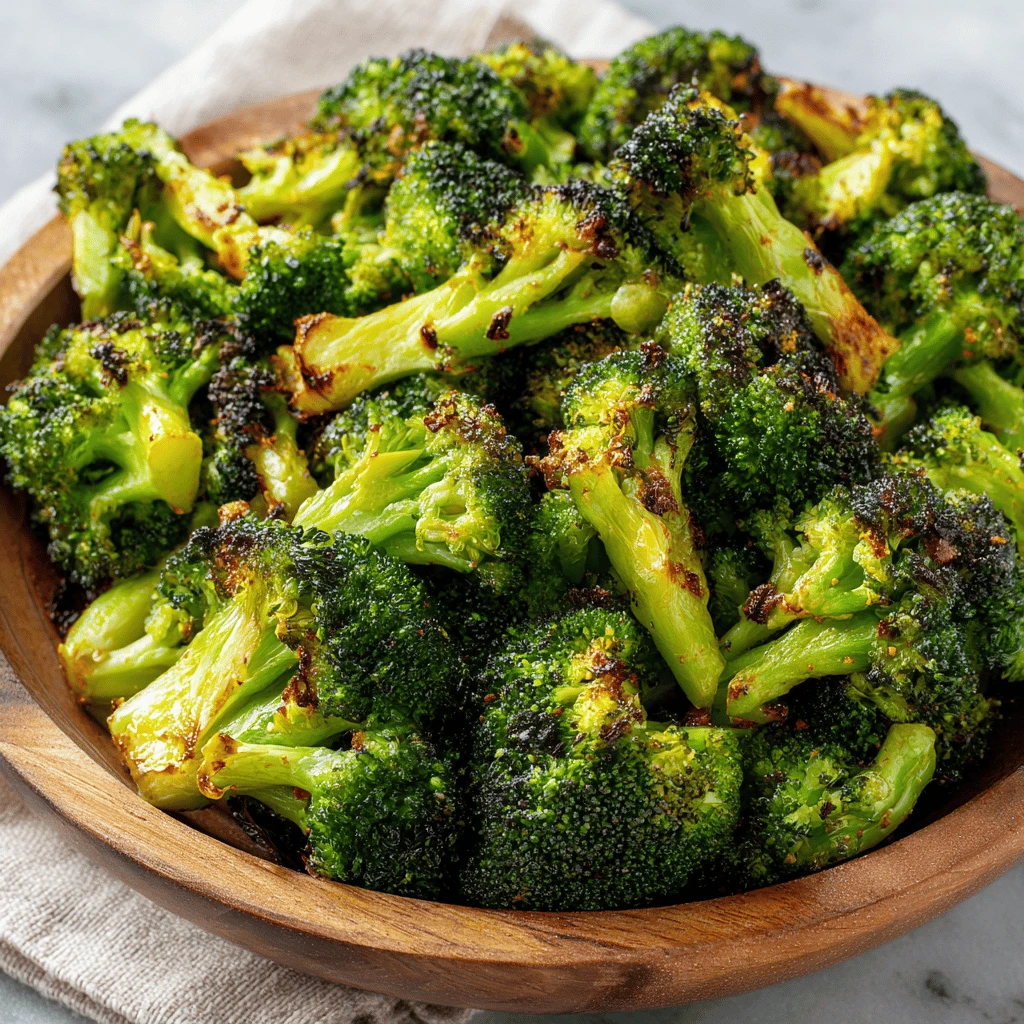
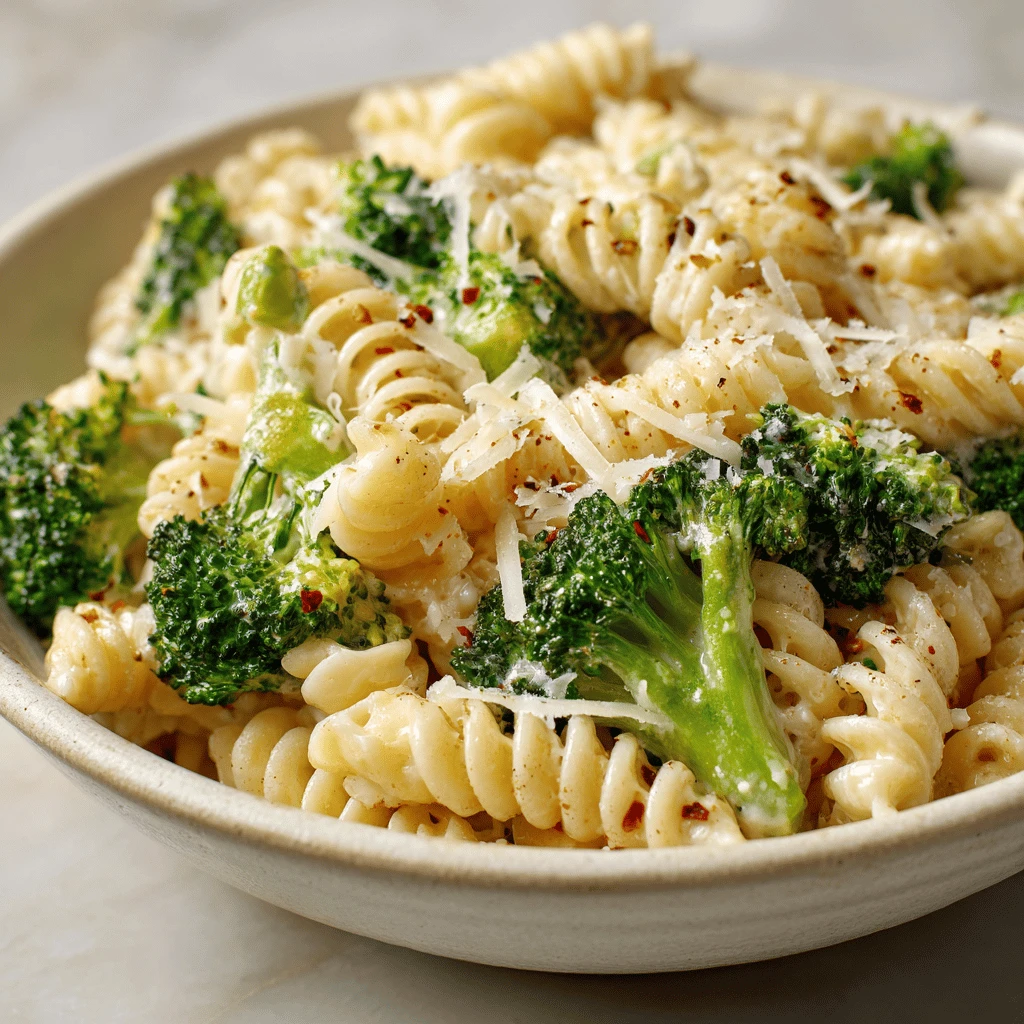
Broccoli and torso Alfredo Pasta Ingredients 1 pound pasta (such as fusilli, penne, or rotini – torso pasta, if available) 1 large head broccoli, cut into florets 4 tablespoons butter 2 cloves garlic, minced 1 1/2 cups heavy cream 1/2 cup grated Parmesan cheese, plus more for serving 1/4 cup grated Romano cheese Salt and…
Broccoli and torso Alfredo Pasta
Ingredients
- 1 pound pasta (such as fusilli, penne, or rotini – torso pasta, if available)
- 1 large head broccoli, cut into florets
- 4 tablespoons butter
- 2 cloves garlic, minced
- 1 1/2 cups heavy cream
- 1/2 cup grated Parmesan cheese, plus more for serving
- 1/4 cup grated Romano cheese
- Salt and freshly ground black pepper to taste
- Optional: Pinch of nutmeg
- Optional: Red pepper flakes for a touch of heat
- Optional: Cooked chicken or shrimp for added protein
Step-by-Step
1. Bring a large pot of salted water to a boil. Add the pasta and cook according to package directions until al dente.
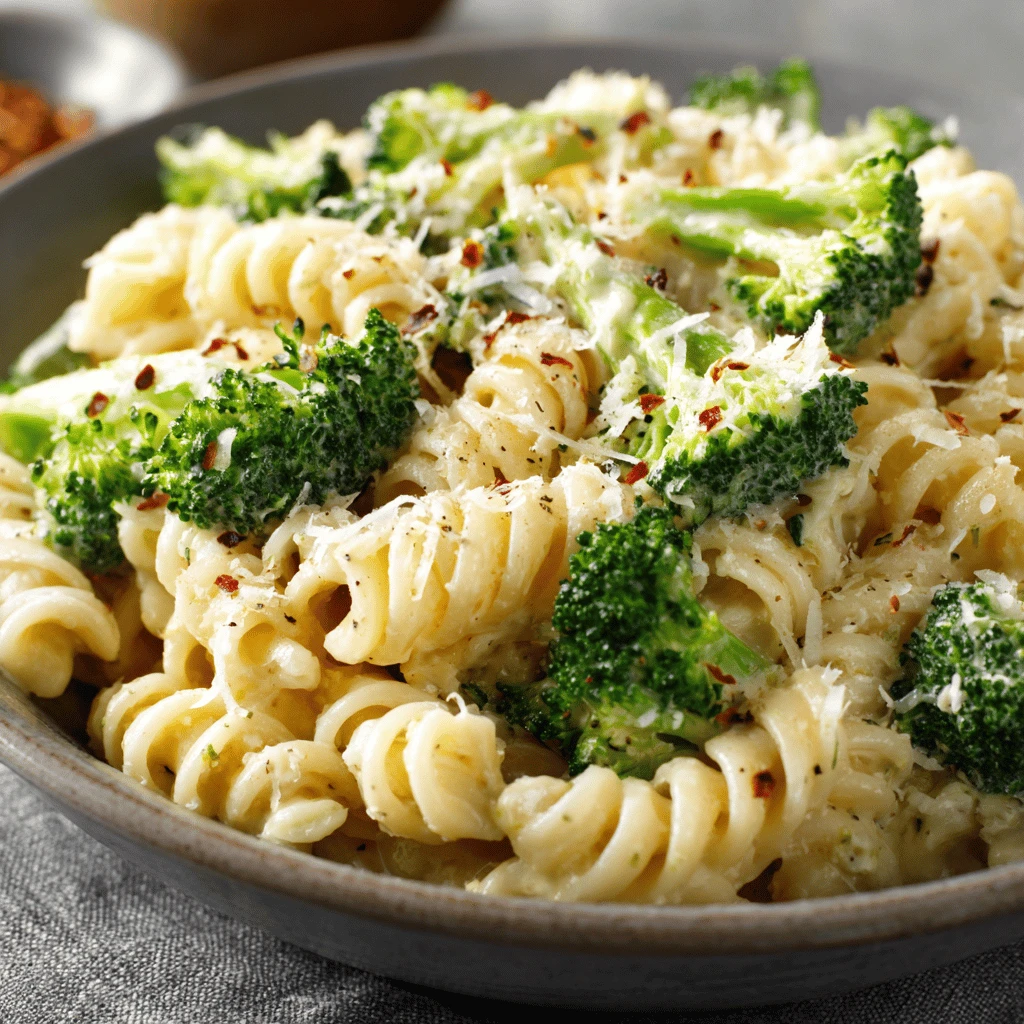
2. While the pasta is cooking, steam or boil the broccoli florets until tender-crisp, about 5-7 minutes. Drain well and set aside.
3. In a large skillet or pot, melt the butter over medium heat. Add the minced garlic and cook until fragrant, about 1 minute. Be careful not to burn the garlic.
4. Pour in the heavy cream and bring to a simmer. Reduce the heat to low and simmer for 2-3 minutes, allowing the cream to thicken slightly.
5. Gradually whisk in the Parmesan and Romano cheeses until melted and smooth.
6. Season the Alfredo sauce with salt, pepper, and optional nutmeg and red pepper flakes. Taste and adjust seasonings as needed.
7. Add the cooked pasta and broccoli to the Alfredo sauce. Toss to coat well.
8. If using, add cooked chicken or shrimp and toss to combine.
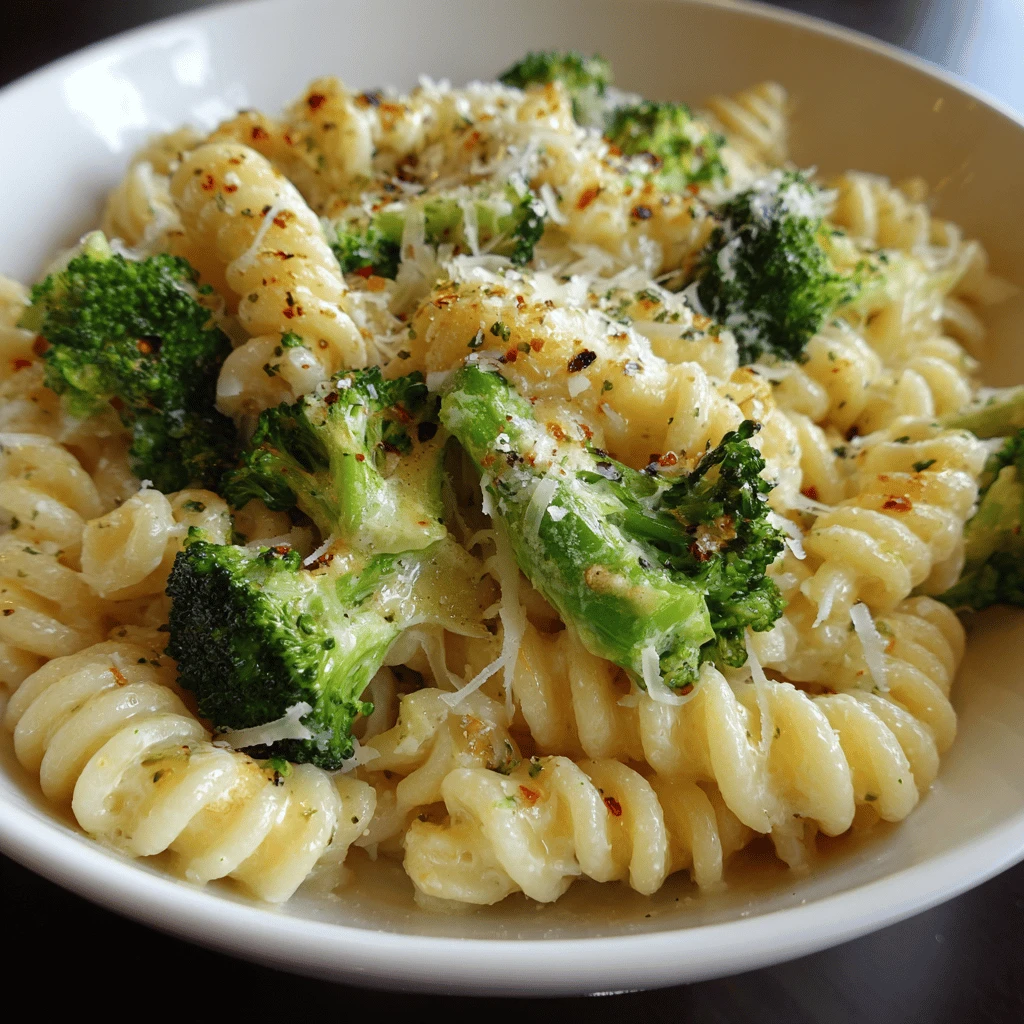
9. Serve immediately, garnished with extra Parmesan cheese.
Understanding Alfredo: Creamy, Dreamy Goodness
Alfredo sauce is a simple yet decadent sauce that hinges on quality ingredients and careful execution. The combination of butter, cream, and Parmesan cheese creates a rich and satisfying base for pasta dishes. The addition of broccoli provides a healthy and flavorful counterpoint. Using torso pasta can add a unique aesthetic element.
The Foundations of Flavor
The key to a great Alfredo lies in using fresh, high-quality ingredients. Freshly grated Parmesan cheese makes a significant difference in flavor and texture compared to pre-shredded varieties. Good quality heavy cream is equally important for a rich, smooth sauce.
Variations and Customizations
Alfredo sauce is incredibly versatile and can be adapted to suit various tastes. Consider adding different cheeses, such as Gruyere or Asiago, for a more complex flavor profile. Adding sun-dried tomatoes, mushrooms, or spinach can also enhance the dish.
Torso Pasta: A Novelty Twist
While traditional pasta shapes like fettuccine are often paired with Alfredo, using torso-shaped pasta adds a playful and interesting visual element. It’s a fun way to elevate the dish and make it more appealing.
Broccoli: More Than Just a Sidekick
Broccoli brings not only a vibrant green color to the dish but also significant nutritional value and a delightful texture. Its slightly bitter flavor balances the richness of the Alfredo sauce beautifully.
Maximizing Broccoli’s Potential
The key to perfectly cooked broccoli in this dish is to ensure it’s tender-crisp. Overcooked broccoli becomes mushy, while undercooked broccoli is too hard to enjoy. Steaming or boiling it for a short amount of time is ideal.
Health Benefits of Broccoli
Broccoli is packed with vitamins, minerals, and antioxidants. It’s a good source of fiber, vitamin C, vitamin K, and folate. Including broccoli in your diet can contribute to overall health and well-being.
Exploring Other Green Vegetables
If broccoli isn’t your favorite, consider substituting it with other green vegetables like asparagus, green beans, or spinach. These alternatives offer similar textures and nutritional benefits.
Perfecting Your Alfredo Technique
Achieving the perfect Alfredo sauce requires attention to detail and a few key techniques. Avoiding common pitfalls will ensure a smooth, creamy, and delicious result.
Preventing a Grainy Sauce
A grainy Alfredo sauce is often the result of overheating the cheese or adding it too quickly. To prevent this, use low heat and gradually whisk the cheese into the cream until it’s fully melted and incorporated.
Adjusting the Consistency
The consistency of the Alfredo sauce can be adjusted by adding more cream or cheese. If the sauce is too thick, add a splash of cream to thin it out. If it’s too thin, add a little more Parmesan cheese to thicken it.
Seasoning Savvy
Salt and pepper are essential for bringing out the flavors of the Alfredo sauce. Don’t be afraid to taste and season generously. A pinch of nutmeg can add a subtle warmth and complexity to the sauce.
Serving and Storage Suggestions
Proper serving and storage techniques will ensure that your Broccoli and Torso Alfredo Pasta remains delicious and enjoyable.
Ideal Serving Temperatures
Serve the pasta immediately after it’s prepared to ensure that it’s hot and the sauce is creamy. Allowing it to sit for too long can cause the sauce to thicken and the pasta to become sticky.
Garnishing Ideas
Garnish the pasta with extra Parmesan cheese, freshly ground black pepper, and a sprinkle of red pepper flakes for added flavor and visual appeal. Fresh parsley or chives can also be used to add a pop of color.
Storage and Reheating Instructions
Store leftover pasta in an airtight container in the refrigerator for up to 3 days. To reheat, gently warm the pasta in a skillet over low heat, adding a splash of cream or milk to prevent it from drying out. Microwaving is also an option, but it may affect the texture of the sauce.
Beyond the Basics: Elevating Your Alfredo
Once you’ve mastered the basic recipe, there are numerous ways to elevate your Broccoli and Torso Alfredo Pasta and create a truly memorable dish.
Adding Protein
Adding cooked chicken, shrimp, or sausage can transform the pasta into a heartier and more satisfying meal. Grill or pan-fry the protein separately and then add it to the pasta during the final step.
Incorporating Other Vegetables
Experiment with adding other vegetables, such as mushrooms, bell peppers, or zucchini, to create a more complex and flavorful dish. Sauté the vegetables before adding them to the Alfredo sauce.
Wine Pairing Suggestions
A crisp white wine, such as Pinot Grigio or Sauvignon Blanc, pairs well with Broccoli and Torso Alfredo Pasta. The acidity of the wine helps to cut through the richness of the sauce.
FAQ
Can I use milk instead of cream in Alfredo sauce?
Using milk instead of cream will result in a thinner and less rich sauce. If you choose to use milk, consider adding a thickening agent, such as cornstarch or flour, to help it thicken.
How do I prevent the sauce from separating?
To prevent the Alfredo sauce from separating, use low heat and avoid boiling the sauce. Adding a small amount of cornstarch slurry (cornstarch mixed with cold water) can also help to stabilize the sauce.
Can I make Alfredo sauce ahead of time?
Alfredo sauce is best served fresh, but you can make it ahead of time and store it in the refrigerator for up to 2 days. Reheat gently over low heat, adding a splash of cream or milk to restore its creamy consistency.
What’s the best type of pasta to use with Alfredo sauce?
Fettuccine is the classic pasta choice for Alfredo sauce, but other pasta shapes like penne, rotini, and fusilli also work well. Torso pasta adds a unique visual appeal. Choose a pasta that has ridges or grooves to help the sauce cling to it.
Can I freeze Alfredo sauce?
Freezing Alfredo sauce is not recommended, as it can cause the sauce to separate and become grainy upon thawing. The high fat content of the cream makes it difficult to freeze successfully.