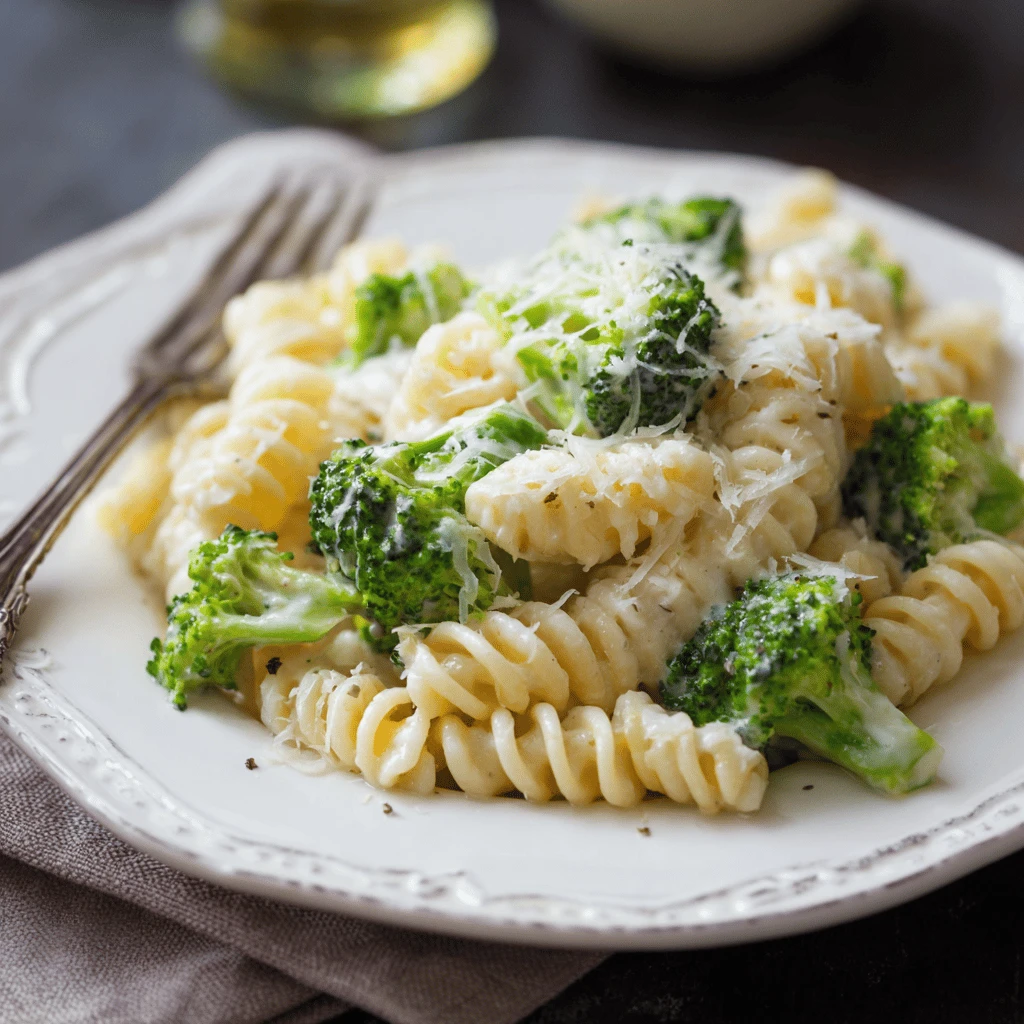
Broccoli and torso Alfredo Pasta Ingredients 1 pound pasta (torso shape recommended, such as Cavatappi or Cellentani) 1 large head broccoli, cut into florets 4 tablespoons butter 4 cloves garlic, minced 1 1/2 cups heavy cream 1 cup grated Parmesan cheese, plus more for serving 1/2 cup grated Romano cheese 1/4 teaspoon nutmeg Salt and…
Broccoli and torso Alfredo Pasta
Ingredients
- 1 pound pasta (torso shape recommended, such as Cavatappi or Cellentani)
- 1 large head broccoli, cut into florets
- 4 tablespoons butter
- 4 cloves garlic, minced
- 1 1/2 cups heavy cream
- 1 cup grated Parmesan cheese, plus more for serving
- 1/2 cup grated Romano cheese
- 1/4 teaspoon nutmeg
- Salt and black pepper to taste
- Optional: Cooked chicken or shrimp for added protein
Step-by-Step
1. Bring a large pot of salted water to a boil.
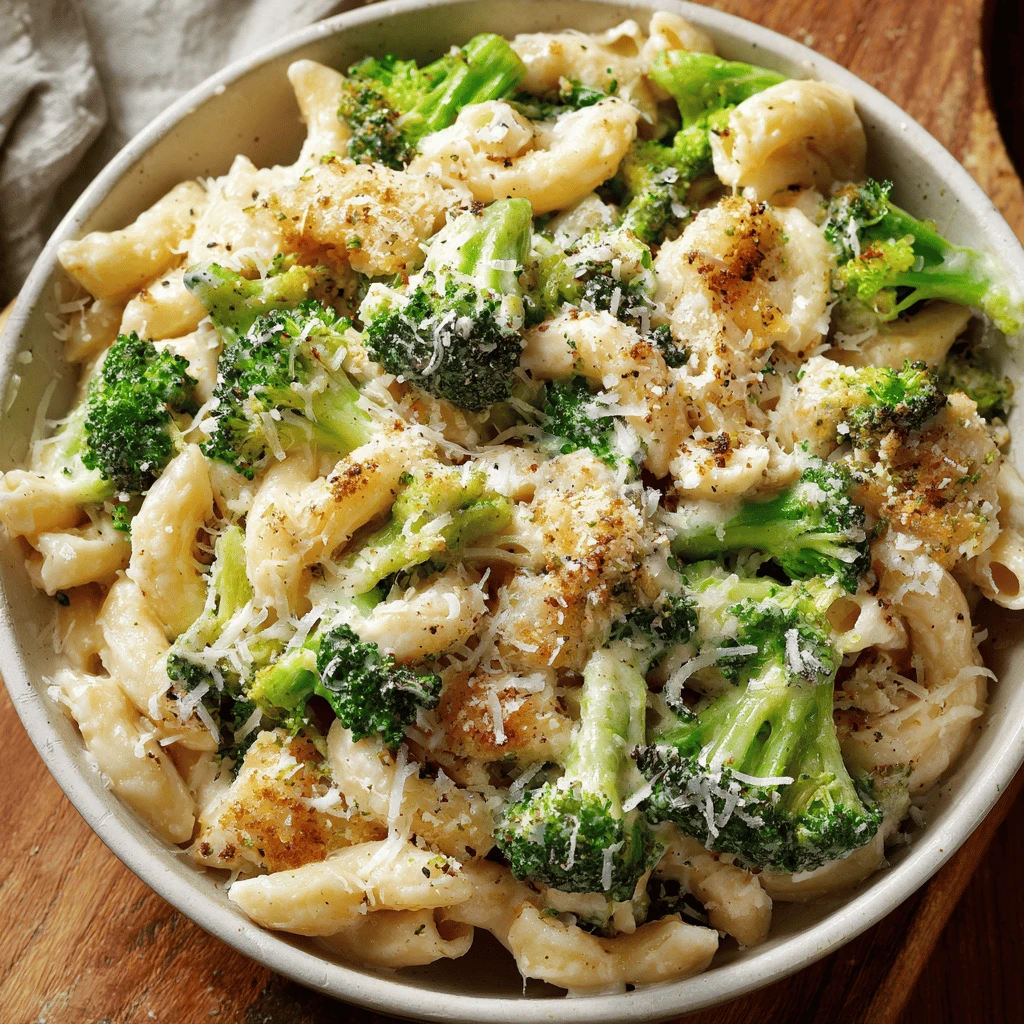
2. Add the pasta and cook according to package directions until al dente.
3. During the last 3 minutes of the pasta cooking time, add the broccoli florets to the boiling water.
4. Drain the pasta and broccoli, reserving about 1 cup of pasta water.
5. While the pasta is cooking, melt the butter in a large skillet over medium heat.
6. Add the minced garlic and cook for about 1 minute, until fragrant, being careful not to burn it.
7. Pour in the heavy cream and bring to a simmer.
8. Reduce the heat to low and stir in the Parmesan and Romano cheeses until melted and smooth.
9. Season with nutmeg, salt, and black pepper to taste.
10. Add the drained pasta and broccoli to the skillet with the Alfredo sauce.
11. Toss to coat, adding a little of the reserved pasta water if needed to adjust the consistency of the sauce.
12. If desired, add cooked chicken or shrimp to the pasta and toss to combine.
13. Serve immediately, garnished with extra Parmesan cheese.
The Perfect Pasta Shape and Why It Matters
Choosing the Right Shape
The shape of your pasta can drastically alter the dining experience. Certain shapes pair better with specific sauces. The best pasta for this dish? A pasta that can capture the creamy Alfredo sauce.
Torso-shaped pasta like Cavatappi or Cellentani are fantastic choices. These twisted, corkscrew-like shapes have ridges and curves. These nooks hold the sauce beautifully, ensuring every bite is flavorful. Other good choices include rotini, penne, or even fusilli.
Beyond Aesthetics: Texture and Sauce Adhesion
It’s not just about looks. The pasta’s texture plays a role, too. Rougher surfaces tend to hold onto sauce better. Pasta extruded through bronze dies, usually labelled on the packaging, provides such a texture.
Smooth pasta can still be delicious, but it might not deliver the same sauce-to-pasta ratio. Experiment to discover your own favorite combination. Different shapes offer unique sensory experiences.
Alternatives to Consider
If you can’t find Cavatappi or Cellentani, don’t fret. Several excellent substitutes will work. Penne, with its angled ends, is a classic choice. Rotini, with its tight spirals, also excels at holding sauce.
Fusilli, another spiral shape, provides a slightly different texture. Even farfalle (bow-tie pasta) can work in a pinch. Just be mindful of how well the chosen shape holds the sauce.
Broccoli’s Role: Flavor, Texture, and Nutrition
The Underrated Vegetable Star
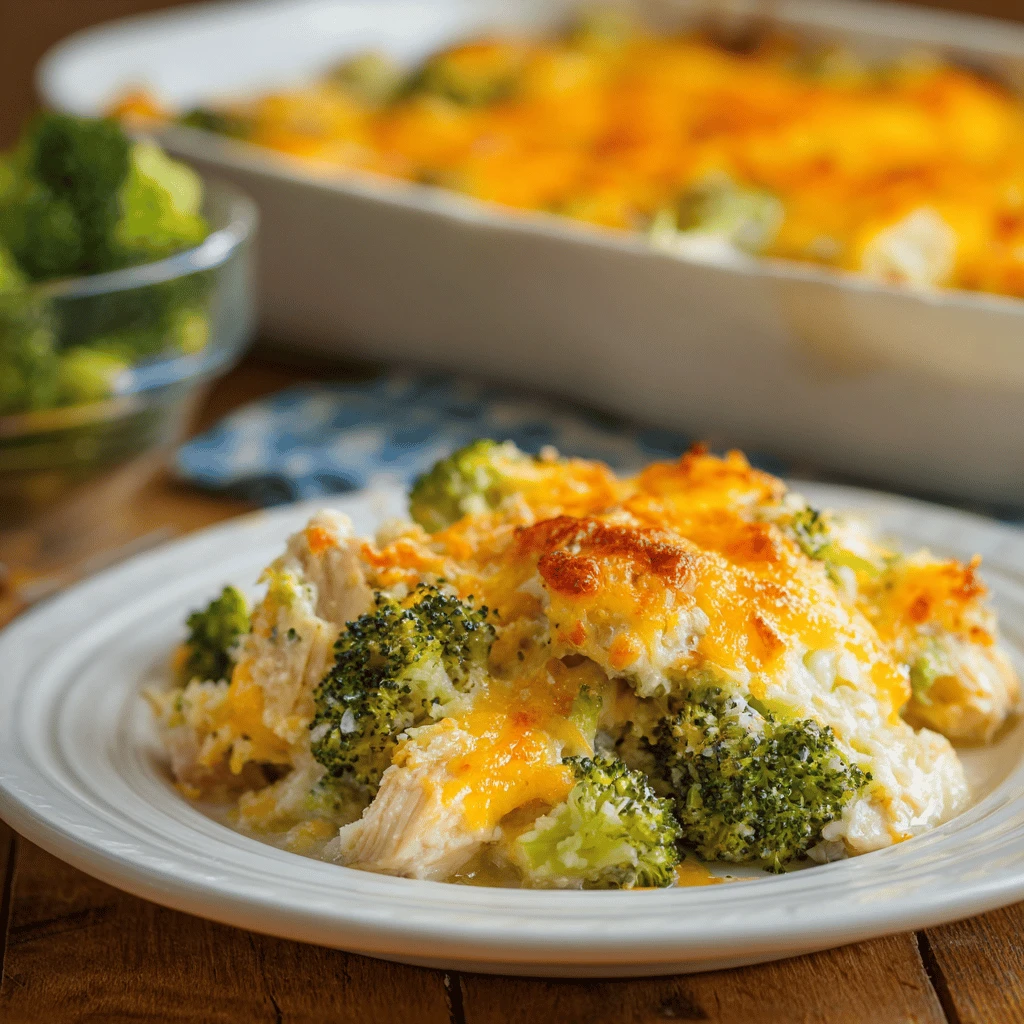
Broccoli often plays second fiddle in pasta dishes. However, it brings critical elements to the table. Its slightly bitter flavor cuts through the richness of the Alfredo sauce. This prevents the dish from becoming overly heavy.
Broccoli adds a welcome textural contrast. Its tender florets offer a pleasant bite. This counters the soft texture of the pasta and the creamy sauce.
Boosting Nutritional Value
Broccoli is packed with vitamins and minerals. It’s a good source of vitamin C, vitamin K, and fiber. Adding broccoli to your pasta transforms it into a more balanced meal.
Consider adding other vegetables as well. Asparagus, peas, or spinach can complement broccoli nicely. Increasing the vegetable content is a simple way to improve the dish’s nutritional profile.
Tips for Perfectly Cooked Broccoli
Overcooked broccoli becomes mushy and loses its vibrant green color. The key is to cook it until it’s tender-crisp. Adding the broccoli to the boiling pasta water for the last few minutes of cooking is a great technique.
Steaming the broccoli separately is another option. This preserves its nutrients and ensures it doesn’t become waterlogged. Roasting broccoli also brings out its natural sweetness, but requires a different cooking approach.
Mastering Alfredo: Creamy Perfection
The Foundation of Flavor
Alfredo sauce is a deceptively simple combination of butter, cream, and Parmesan cheese. But mastering it requires attention to detail. Quality ingredients are paramount. Use real butter and freshly grated Parmesan cheese.
The type of cream also matters. Heavy cream is essential for achieving the desired richness and thickness. Half-and-half won’t provide the same results.
Achieving the Right Consistency
The goal is a smooth, creamy sauce that coats the pasta evenly. Avoid overcooking the sauce, as this can cause it to separate. Low and slow is the key.
Stir the sauce frequently while it simmers. This prevents it from sticking to the bottom of the pan. If the sauce becomes too thick, add a little pasta water to thin it out.
Flavor Enhancements: Beyond the Basics
While the classic Alfredo is delicious, there are ways to customize it. Garlic is a common addition, adding a pungent note. Nutmeg provides a subtle warmth.
Black pepper adds a touch of spice. Some recipes call for a pinch of red pepper flakes. Experiment with different herbs and spices to find your perfect Alfredo flavor profile.
Customization and Variations
Adding Protein: Chicken, Shrimp, or Sausage
Alfredo pasta is delicious on its own, but adding protein makes it a more complete meal. Cooked chicken is a popular choice. Grilled chicken breast, sliced or cubed, pairs well with the creamy sauce.
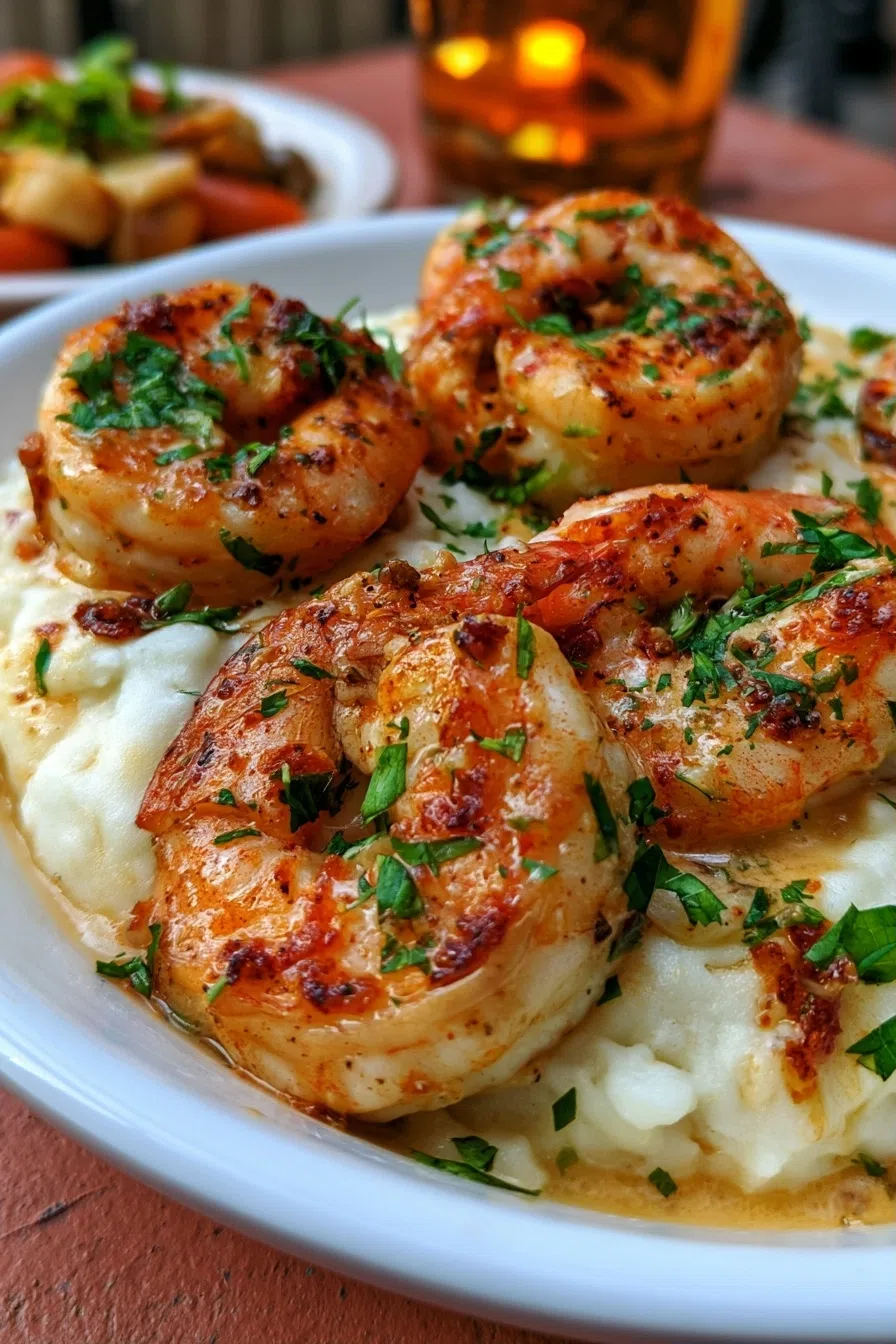
Shrimp is another excellent option. Sautéed shrimp adds a delicate sweetness. Italian sausage, crumbled and browned, provides a heartier flavor. Consider vegetarian options like tofu or chickpeas.
Vegetable Medleys: Expanding the Palette
Don’t limit yourself to just broccoli. Experiment with other vegetables to create unique flavor combinations. Asparagus, peas, and mushrooms are all great additions.
Sun-dried tomatoes add a burst of umami. Spinach wilts beautifully into the sauce. Consider roasted red peppers for a touch of sweetness.
Spice It Up: Adding Heat and Flavor
For those who like a little heat, add a pinch of red pepper flakes to the sauce. A dash of hot sauce works well too. Experiment with different spices to customize the flavor.
Smoked paprika adds a smoky depth. Garlic powder enhances the garlic flavor. Onion powder provides a subtle sweetness.
Serving and Storage Tips
Presentation Matters: Garnishing and Plating
Presentation can elevate a simple dish. Serve the pasta in warmed bowls. Garnish with freshly grated Parmesan cheese. A sprinkle of chopped parsley adds a pop of color.
A drizzle of olive oil enhances the flavor. A few fresh basil leaves provide a fragrant aroma. Consider serving with a side of crusty bread for soaking up the sauce.
Storage Solutions: Keeping Leftovers Fresh
Leftover Alfredo pasta can be stored in the refrigerator for up to 3 days. Store it in an airtight container to prevent it from drying out. Reheat gently in a saucepan over low heat.
Add a splash of milk or cream to restore the sauce’s creaminess. Avoid microwaving, as this can make the pasta rubbery. For best results, consume leftovers promptly.
Freezing Considerations: A Cautionary Note
Alfredo sauce doesn’t freeze well. The cream tends to separate upon thawing. The texture can become grainy. It is best to prepare only what you can consume in a short period.
If you must freeze it, consider using a stabilizer. This can help prevent the sauce from separating. Thaw the pasta slowly in the refrigerator before reheating.
FAQ Section
Can I use milk instead of heavy cream?
While you can use milk, the sauce won’t be as rich or thick. Heavy cream provides the best texture and flavor for Alfredo sauce. If using milk, consider adding a cornstarch slurry (1 tablespoon cornstarch mixed with 2 tablespoons cold water) to help thicken the sauce.
How do I prevent the sauce from separating?
Keep the heat low and stir the sauce constantly. Avoid boiling the sauce, as this can cause it to separate. Use high-quality ingredients, especially fresh Parmesan cheese.
Can I make this recipe gluten-free?
Yes, simply use gluten-free pasta. Ensure that any added ingredients, such as chicken or sausage, are also gluten-free.
Can I add other vegetables besides broccoli?
Absolutely! Asparagus, peas, mushrooms, sun-dried tomatoes, and spinach are all great additions. Experiment to find your favorite vegetable combination.
How can I make this dish healthier?
Use whole-wheat pasta for added fiber. Reduce the amount of butter and cheese. Add more vegetables to increase the nutritional value. Consider using light cream cheese for a lighter sauce.