Buttery Mashed Potatoes for Thanksgiving Thanksgiving is incomplete without a generous serving of creamy, comforting mashed potatoes. This holiday staple is a crowd-pleaser, but achieving the perfect texture and flavor can be tricky. This guide will walk you through creating the ultimate buttery mashed potatoes that will be the highlight of your Thanksgiving feast. Choosing…
Buttery Mashed Potatoes for Thanksgiving
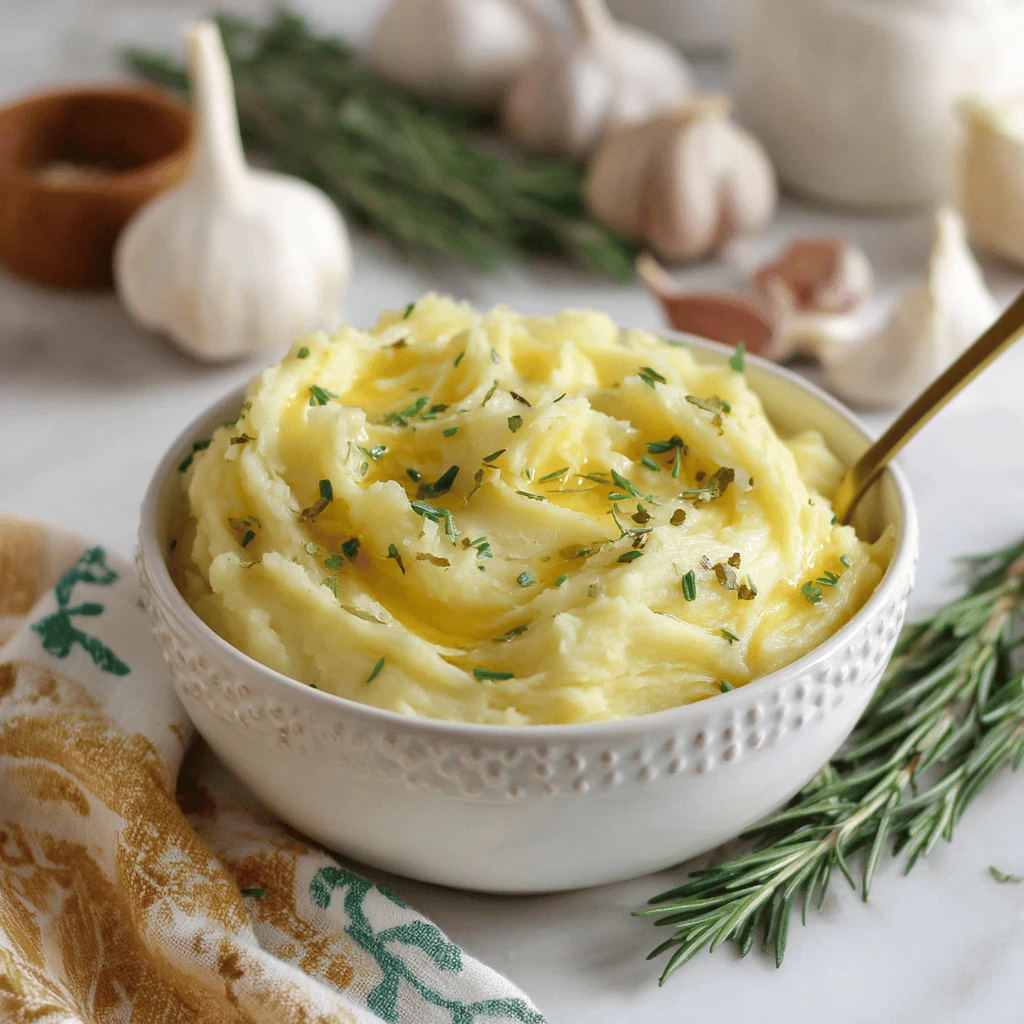
Thanksgiving is incomplete without a generous serving of creamy, comforting mashed potatoes. This holiday staple is a crowd-pleaser, but achieving the perfect texture and flavor can be tricky. This guide will walk you through creating the ultimate buttery mashed potatoes that will be the highlight of your Thanksgiving feast.
Choosing the Right Potatoes for Maximum Creaminess
The foundation of excellent mashed potatoes lies in selecting the appropriate variety. Different potatoes have varying starch levels, which significantly impact the final consistency.
- Russet Potatoes: Known for their high starch content, russets yield a fluffy, absorbent mash. They tend to be on the drier side, so be generous with butter and cream.
- Yukon Gold Potatoes: These potatoes offer a naturally buttery flavor and creamy texture. Their medium starch content strikes a perfect balance, resulting in a rich and smooth mash. Yukon Golds are often preferred for their versatility.
- Red Potatoes: With a lower starch content, red potatoes hold their shape well and produce a denser, slightly waxy mash. While not ideal for a super fluffy texture, they can add a pleasant heartiness to the dish.
For the best results, a blend of russet and Yukon Gold potatoes can create a harmonious balance of fluffiness and creaminess. Experiment to find your preferred ratio.
Mastering the Cooking Process for Flawless Results
The way you cook your potatoes is just as important as the variety you choose. Proper cooking ensures even tenderness and prevents a gluey texture.
1. Peeling and Cutting: Peel the potatoes thoroughly to remove any blemishes or eyes. Cut them into uniform pieces (about 1-2 inches) to ensure even cooking.
2. Starting in Cold Water: Place the potatoes in a large pot and cover them with cold, salted water. Starting with cold water allows the potatoes to cook evenly from the inside out. The salt seasons the potatoes throughout the cooking process.
3. Boiling and Simmering: Bring the water to a boil over high heat, then reduce the heat to a gentle simmer. Cook the potatoes until they are fork-tender, meaning a fork can easily pierce through them without resistance. This usually takes about 15-20 minutes.
4. Draining and Drying: Once the potatoes are cooked, drain them thoroughly in a colander. Return the potatoes to the empty pot and place it back on the burner over low heat for a minute or two. This helps to evaporate any excess moisture, resulting in a fluffier mash. Be careful not to burn the potatoes.
Achieving the Perfect Texture: Mashing Techniques and Tools
The method you use to mash your potatoes significantly impacts their texture. Avoid over-mashing, as this can release too much starch and result in a gluey consistency.
- Potato Ricer: This tool produces the smoothest, most lump-free mashed potatoes. Simply press the cooked potatoes through the ricer, separating the pulp from the skins for an incredibly light and airy texture.
- Potato Masher: A classic tool that works well for creating rustic, slightly chunky mashed potatoes. Use a gentle up-and-down motion, avoiding excessive force.
- Hand Mixer: While convenient, a hand mixer can easily overwork the potatoes. If using a mixer, use it sparingly and on low speed.
Avoid using a food processor or blender, as these tools will almost certainly result in gluey mashed potatoes.
Elevating the Flavor: Butter, Cream, and Beyond
The key to truly exceptional mashed potatoes is the quality and quantity of your additions. Butter and cream are essential for richness and creaminess, but don’t be afraid to experiment with other flavor enhancers.
-
- Butter: Use high-quality, unsalted butter for the best flavor. Melt the butter before adding it to the potatoes for easier incorporation.
- Cream: Heavy cream, half-and-half, or whole milk can be used to add moisture and richness. Warm the cream before adding it to the potatoes to prevent them from cooling down too much.
- Seasoning: Salt and fresh ground pepper are essential. Taste and adjust the seasoning as needed.
- Optional Additions:
Garlic: Roast garlic cloves until soft and sweet, then mash them into the potatoes.
Fresh Herbs: Chop fresh chives, parsley, or thyme and stir them into the mashed potatoes for added flavor and aroma.
Sour Cream or Cream Cheese: A dollop of sour cream or cream cheese adds tanginess and creaminess.
Brown Butter: Infuse butter with nutty aroma by cooking until it turns golden brown. Be careful not to burn it.
Parmesan Cheese: Grated Parmesan cheese adds a salty and savory note.
Serving and Storage for Optimal Enjoyment
Mashed potatoes are best served immediately after preparation. However, they can be made ahead of time and reheated with proper techniques.
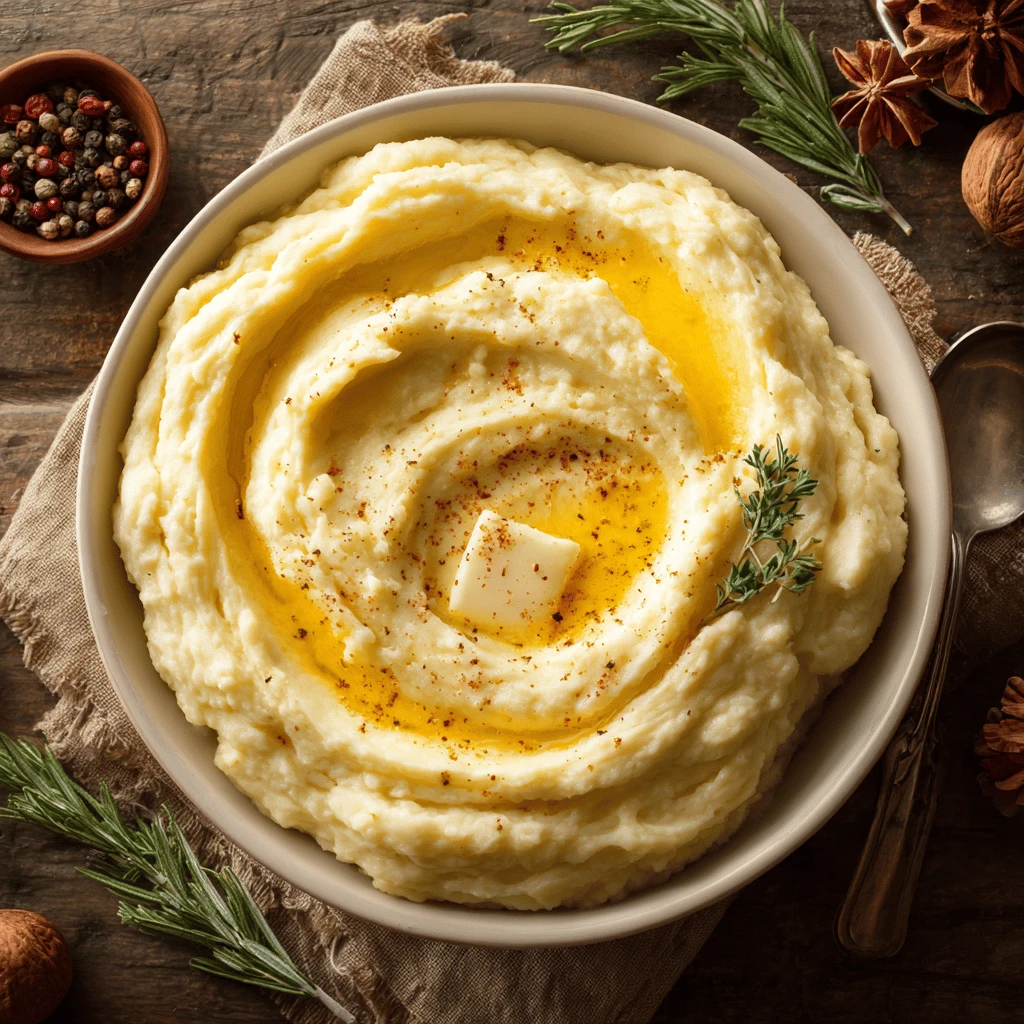
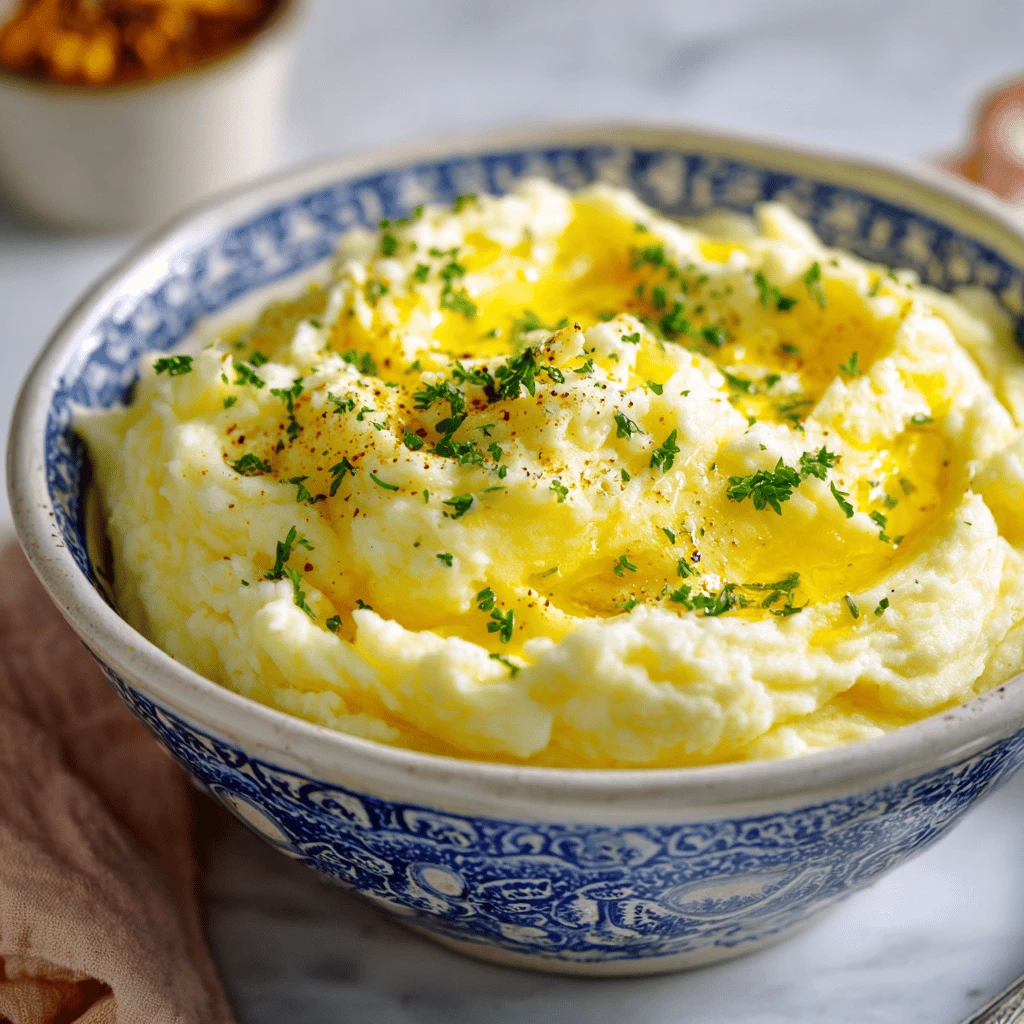
- Serving: Serve the mashed potatoes hot, garnished with fresh herbs, a pat of butter, or a drizzle of olive oil.
- Make-Ahead: Prepare the mashed potatoes up to two days in advance. Store them in an airtight container in the refrigerator.
- Reheating: Reheat the mashed potatoes gently in a saucepan over low heat, stirring frequently. Add a splash of milk or cream to restore moisture. Alternatively, you can reheat them in the microwave, covered, in short intervals, stirring in between.
- Freezing: Mashed potatoes can be frozen, although the texture may change slightly. Allow the potatoes to cool completely before transferring them to a freezer-safe container or bag. Thaw overnight in the refrigerator before reheating.
Tips for Success:
- Don’t overcook the potatoes, as they will absorb too much water and become waterlogged.
- Warm the butter and cream before adding them to the potatoes.
- Taste and adjust the seasoning as needed.
- Don’t over-mash the potatoes, as this can result in a gluey texture.
- Serve immediately for the best flavor and texture.
Frequently Asked Questions
Why are my mashed potatoes gluey?
Gluey mashed potatoes are typically caused by over-mashing, which releases too much starch. Using a food processor or blender can also contribute to this problem. Avoid overworking the potatoes and use a potato ricer or masher instead.
Can I use milk instead of cream?
Yes, you can use milk instead of cream, but the mashed potatoes will be less rich and creamy. Whole milk is a better option than skim milk.
How can I keep mashed potatoes warm for a party?
To keep mashed potatoes warm for a party, transfer them to a slow cooker on the warm setting. Stir occasionally to prevent them from drying out. You can also place them in a heat-safe bowl over a pot of simmering water (double boiler).
Can I add roasted garlic to my mashed potatoes?
Yes, roasted garlic adds a wonderful, mellow flavor to mashed potatoes. Roast garlic cloves until soft and sweet, then mash them into the potatoes.
What kind of potatoes are best for mashed potatoes?
Yukon Gold potatoes are generally considered the best for their naturally buttery flavor and creamy texture. Russet potatoes are also a good option, but they tend to be drier and require more butter and cream. A combination of both can work well.