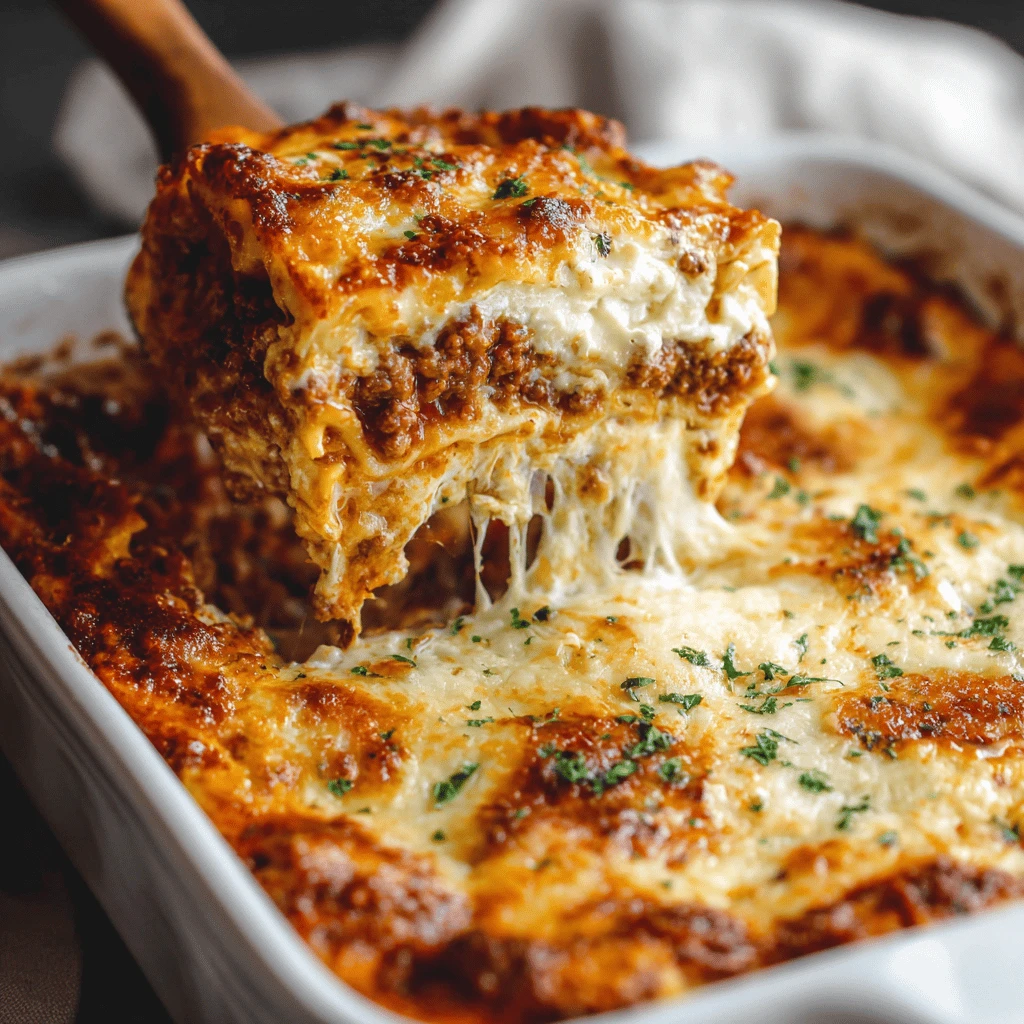
Cheesy Beef Lasagna: The Ultimate Comfort Food Recipe Lasagna. The name alone conjures images of bubbling cheese, rich tomato sauce, and layers of tender pasta. This classic Italian-American dish is a crowd-pleaser, perfect for family dinners, potlucks, or any occasion that calls for a hearty and satisfying meal. While there are countless variations, a cheesy…
Cheesy Beef Lasagna: The Ultimate Comfort Food Recipe
Lasagna. The name alone conjures images of bubbling cheese, rich tomato sauce, and layers of tender pasta. This classic Italian-American dish is a crowd-pleaser, perfect for family dinners, potlucks, or any occasion that calls for a hearty and satisfying meal. While there are countless variations, a cheesy beef lasagna remains a perennial favorite. This recipe provides a step-by-step guide to creating a truly exceptional lasagna that will have everyone asking for seconds.
Mastering the Meat Sauce: The Foundation of Flavor
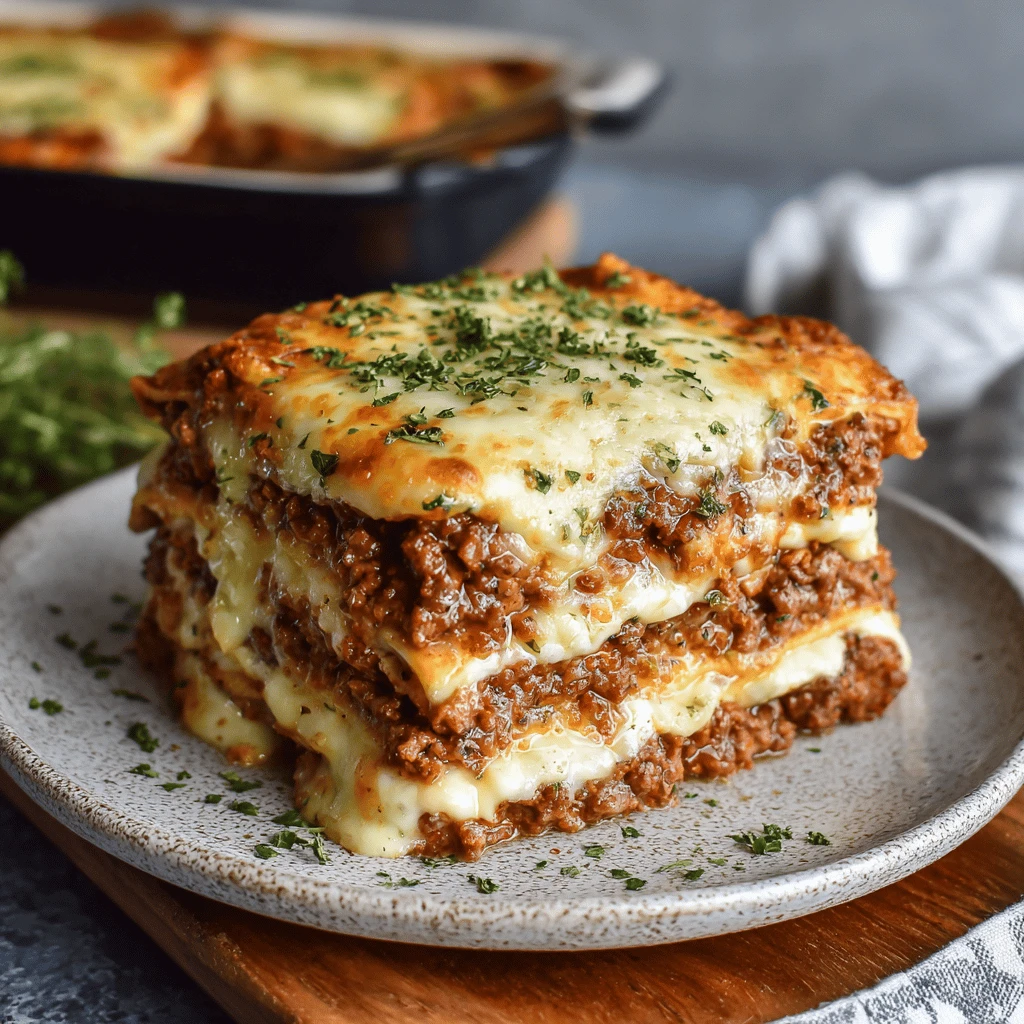
The heart of any great lasagna is the meat sauce. A well-prepared sauce will be rich, flavorful, and perfectly balanced. This is not the place to skimp on ingredients or take shortcuts.
Selecting the Right Beef
The choice of beef greatly influences the final flavor and texture of the lasagna. Ground beef with a fat content of around 80/20 is ideal. This ratio provides enough fat to keep the meat moist and flavorful, while also preventing the lasagna from becoming greasy. You can also use a combination of ground beef and Italian sausage for a more complex flavor profile. Sweet or hot Italian sausage can be used depending on your preference.
Building Layers of Flavor
The key to a truly remarkable meat sauce is layering flavors. Start by browning the ground beef in a large skillet or Dutch oven over medium-high heat. Be sure to break up the meat with a spoon as it cooks. Once the beef is browned, drain off any excess grease.
Next, add diced onion, garlic, and carrots to the skillet and cook until softened, about 5-7 minutes. These vegetables add depth and sweetness to the sauce. For an extra layer of flavor, consider adding chopped celery and bell peppers as well.
Now, it’s time to introduce the tomatoes. A combination of crushed tomatoes, tomato sauce, and tomato paste provides the perfect balance of acidity, sweetness, and richness. Add these ingredients to the skillet, along with dried oregano, basil, thyme, and a pinch of red pepper flakes for a subtle kick. Don’t be afraid to experiment with other herbs and spices, such as parsley, rosemary, or bay leaf.
Finally, simmer the sauce for at least an hour, or even longer, to allow the flavors to meld together. The longer it simmers, the richer and more flavorful it will become. Be sure to stir the sauce occasionally to prevent it from sticking to the bottom of the pan. Taste and season with salt and pepper to your liking. A touch of sugar can also help balance the acidity of the tomatoes.
The Cheese Factor: Choosing and Layering
The cheese is another crucial component of a great lasagna. A blend of ricotta, mozzarella, and Parmesan cheese provides the perfect balance of creaminess, stretch, and sharpness.
Preparing the Ricotta Mixture
Ricotta cheese provides the creamy base for the cheese layer. To enhance its flavor and texture, it’s important to prepare it properly. In a large bowl, combine the ricotta cheese with a beaten egg, grated Parmesan cheese, chopped fresh parsley, salt, and pepper. The egg helps to bind the mixture together, while the Parmesan and parsley add flavor and aroma. You can also add a pinch of nutmeg for a warm and subtle spice.
Selecting the Right Mozzarella
Mozzarella cheese provides the signature stretch and gooeyness of lasagna. Low-moisture, part-skim mozzarella is a good choice, as it melts well and doesn’t release too much liquid during baking. You can also use fresh mozzarella, but be sure to pat it dry before using it to prevent the lasagna from becoming watery. Shred the mozzarella cheese before layering it into the lasagna.
The Parmesan Finish
Parmesan cheese adds a salty, nutty flavor to the lasagna. Grated Parmesan cheese is used both in the ricotta mixture and as a topping. Freshly grated Parmesan cheese is always best, as it has a more intense flavor than pre-grated cheese.
Assembling the Lasagna: Layering for Success
The key to a perfectly assembled lasagna is even layering. This ensures that each bite contains a balance of pasta, sauce, and cheese.
Preparing the Noodles
Lasagna noodles can be either cooked or uncooked. If using cooked noodles, be sure to cook them al dente, as they will continue to cook in the oven. To prevent them from sticking together, add a tablespoon of oil to the cooking water. Drain the noodles and rinse them with cold water to stop the cooking process.
If using uncooked noodles (also known as oven-ready noodles), there’s no need to pre-cook them. However, be sure to use enough sauce to ensure that they are fully hydrated during baking.
Building the Layers
To assemble the lasagna, start by spreading a thin layer of meat sauce in the bottom of a 9×13 inch baking dish. This will prevent the noodles from sticking to the bottom of the dish.
Next, arrange a layer of lasagna noodles over the sauce, overlapping them slightly to cover the entire bottom of the dish. Spread half of the ricotta mixture over the noodles, followed by a layer of shredded mozzarella cheese.
Spoon another layer of meat sauce over the cheese, and then repeat the layers: noodles, ricotta mixture, mozzarella cheese, and meat sauce. Finish with a final layer of noodles, topped with the remaining meat sauce and a generous amount of shredded mozzarella and Parmesan cheese.
Tips for Perfect Layers
- Don’t overcrowd the layers. Too much filling can make the lasagna difficult to cut and serve.
- Make sure the noodles are fully covered with sauce to prevent them from drying out.
- Press down gently on each layer to help the lasagna hold its shape.
Baking and Serving: The Grand Finale
Baking the lasagna properly is essential for achieving that perfect golden-brown crust and bubbly cheese.
Baking Instructions
Preheat oven to 375°F (190°C). Cover the baking dish with aluminum foil and bake for 30 minutes. Remove the foil and bake for another 15-20 minutes, or until the cheese is melted and bubbly and the lasagna is heated through.
Resting and Serving
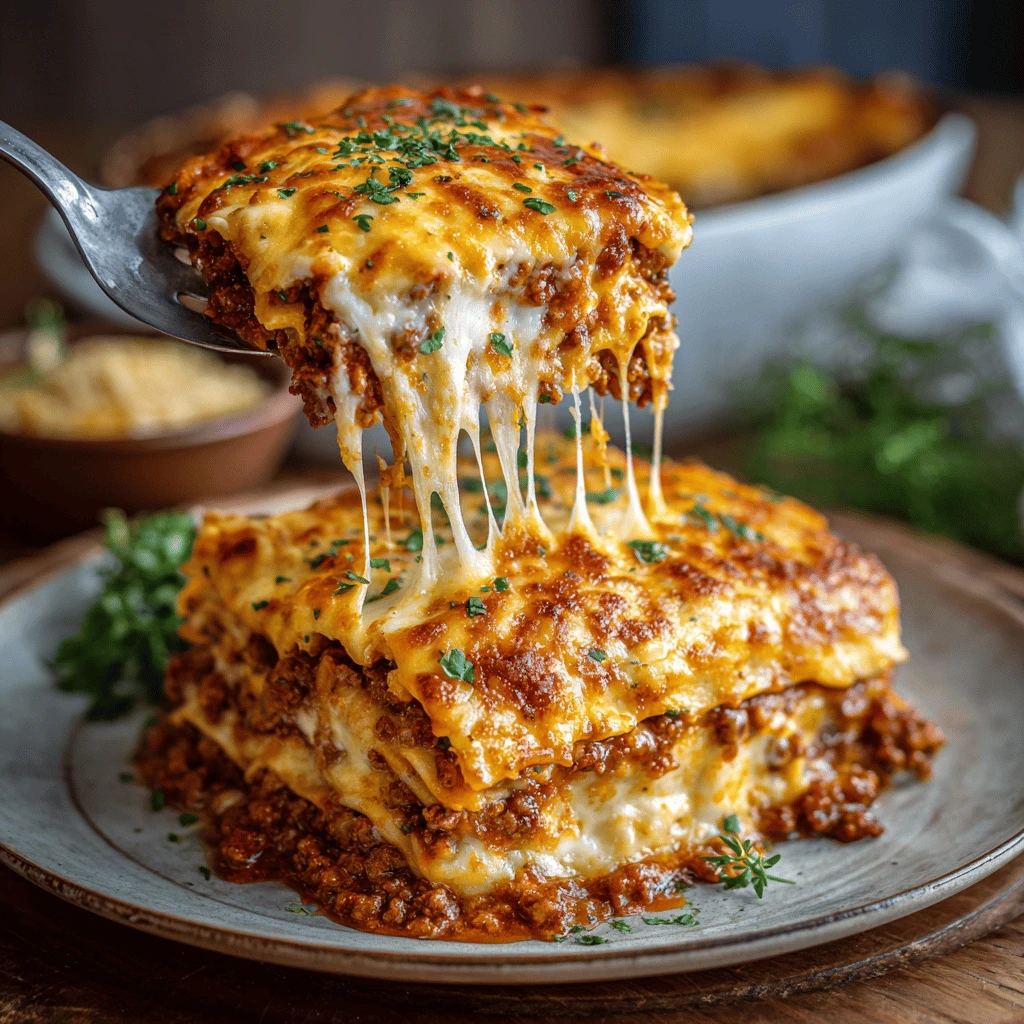
Allow the lasagna to rest for at least 15 minutes before cutting and serving. This will allow the layers to set and prevent the lasagna from falling apart.
Cut the lasagna into squares and serve hot. Garnish with fresh parsley or basil, if desired. Serve with a side salad and garlic bread for a complete meal.
Variations and Customizations: Making it Your Own
Lasagna is a versatile dish that can be easily customized to suit your preferences.
Vegetarian Lasagna
To make a vegetarian lasagna, simply omit the meat from the sauce and replace it with vegetables. Sautéed mushrooms, zucchini, spinach, and eggplant are all excellent choices. You can also add lentils or beans for extra protein.
Chicken Lasagna
For a lighter lasagna, use ground chicken instead of ground beef. You can also add cooked chicken breast or shredded rotisserie chicken to the sauce.
Seafood Lasagna
For a unique and flavorful lasagna, try using seafood. Shrimp, scallops, and crabmeat are all delicious additions. Use a white wine sauce instead of a tomato-based sauce for a more delicate flavor.
Adding Vegetables
Don’t be afraid to add extra vegetables to your lasagna. Spinach, mushrooms, bell peppers, and zucchini can all be added to the meat sauce or layered between the noodles.
Different Cheeses
Experiment with different cheeses to create a unique flavor profile. Fontina, provolone, and Gruyère are all excellent choices.
Spice it Up
Add a pinch of red pepper flakes or a dash of hot sauce to the meat sauce for a spicy kick.
Frequently Asked Questions
- Can I make lasagna ahead of time?
Yes, lasagna can be made ahead of time and stored in the refrigerator for up to 24 hours. Simply assemble the lasagna as directed, cover it tightly with plastic wrap, and refrigerate. When ready to bake, remove the plastic wrap and bake as directed, adding an extra 15-20 minutes to the baking time.
- Can I freeze lasagna?
Yes, lasagna can be frozen for up to 3 months. To freeze, assemble the lasagna as directed, cover it tightly with plastic wrap and then with aluminum foil, and freeze. When ready to bake, thaw the lasagna in the refrigerator overnight. Remove the plastic wrap and foil and bake as directed, adding an extra 15-20 minutes to the baking time.
- Why is my lasagna watery?
Watery lasagna is often caused by using too much sauce or not draining the ricotta cheese properly. Be sure to use low-moisture mozzarella cheese and to drain any excess liquid from the ricotta cheese before using it. Also, avoid overcooking the noodles.
- How do I prevent the noodles from sticking together?
To prevent the noodles from sticking together, add a tablespoon of oil to the cooking water and rinse them with cold water after cooking. If using uncooked noodles, make sure they are fully covered with sauce during assembly.
- How do I know when the lasagna is done?
The lasagna is done when the cheese is melted and bubbly and the lasagna is heated through. A knife inserted into the center of the lasagna should come out clean.