Chicken and Broccoli Alfredo: A Creamy, Comforting Classic Chicken and Broccoli Alfredo is a dish that embodies comfort food at its finest. Creamy, cheesy Alfredo sauce blankets tender chicken and vibrant broccoli, creating a symphony of flavors and textures that’s both satisfying and surprisingly easy to make. This article will guide you through crafting the…
Chicken and Broccoli Alfredo: A Creamy, Comforting Classic
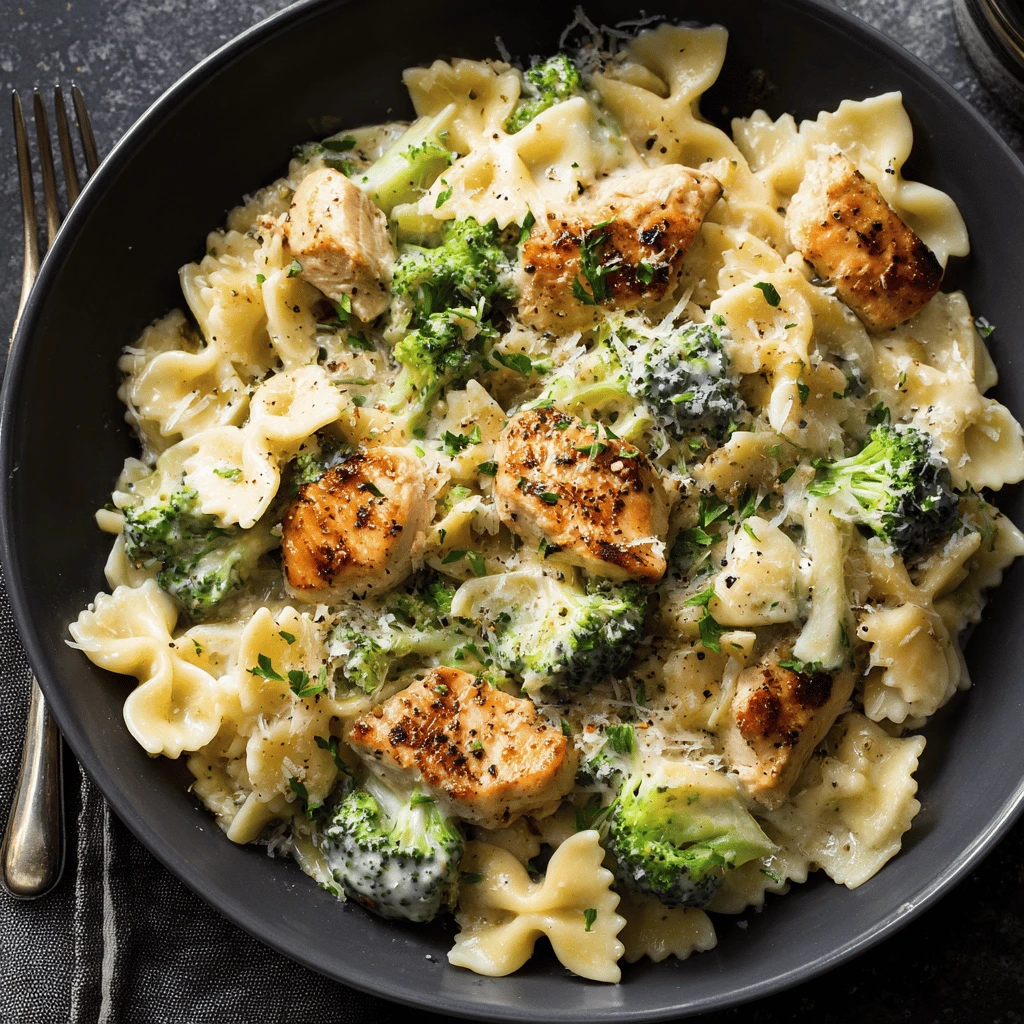
Chicken and Broccoli Alfredo is a dish that embodies comfort food at its finest. Creamy, cheesy Alfredo sauce blankets tender chicken and vibrant broccoli, creating a symphony of flavors and textures that’s both satisfying and surprisingly easy to make. This article will guide you through crafting the perfect Chicken and Broccoli Alfredo, from selecting the best ingredients to mastering the technique.
Mastering the Perfect Alfredo Sauce
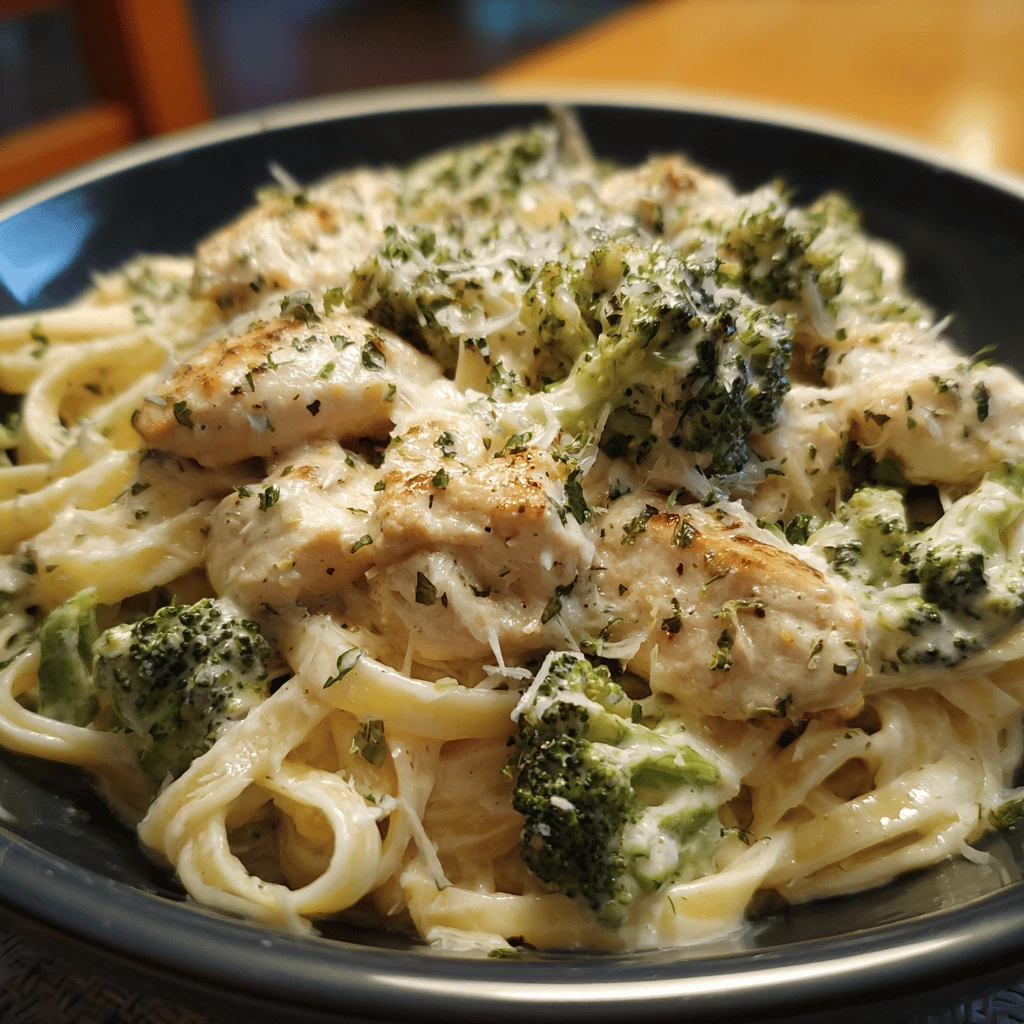
The heart of any good Alfredo dish lies in the sauce. A truly exceptional Alfredo is rich, smooth, and clings beautifully to the pasta and other ingredients. Here’s how to achieve Alfredo perfection:
- The Foundation: Butter and Cream: Start with high-quality butter – unsalted is generally preferred, allowing you to control the saltiness of the final dish. Melt the butter over medium-low heat in a large skillet or saucepan. Once melted, gradually whisk in heavy cream. The key here is low and slow. Allowing the cream to simmer gently will help it thicken without scorching or separating.
- Cheese Selection: Parmesan is King: While variations exist, authentic Alfredo relies heavily on Parmesan cheese. Freshly grated Parmesan is non-negotiable. Pre-shredded cheese often contains cellulose and other additives that can prevent it from melting smoothly, resulting in a grainy sauce. Grate the Parmesan finely and add it to the cream mixture in small batches, whisking constantly until fully melted and incorporated.
- Seasoning is Key: Simplicity at its Finest: Don’t overcomplicate the seasoning. A generous pinch of salt and freshly ground black pepper are typically all you need to enhance the flavors of the butter, cream, and Parmesan. Some recipes call for a dash of garlic powder or nutmeg, but these are optional additions.
- The Secret to Smoothness: Emulsification: Achieving a smooth, emulsified sauce is crucial. The key is to maintain a low, consistent heat and whisk constantly. As the cheese melts, it should blend seamlessly with the butter and cream, creating a velvety texture. If the sauce appears grainy or separated, try adding a tablespoon or two of pasta water – the starch in the water will help bind the ingredients together.
- Troubleshooting Common Alfredo Problems:
Sauce too thick: Add a little more heavy cream or pasta water until the desired consistency is reached.
Sauce too thin: Continue simmering the sauce over low heat, stirring frequently, until it thickens. Avoid boiling the sauce, as this can cause it to separate.
Sauce grainy: This is usually caused by using pre-shredded Parmesan cheese. Unfortunately, once the sauce is grainy, it's difficult to fix. Using freshly grated Parmesan is the best way to prevent this problem.
Sauce separating: Reduce the heat immediately. Whisk vigorously and add a tablespoon of pasta water. If the sauce continues to separate, it may be necessary to start over.
Perfectly Cooked Chicken and Broccoli
Chicken and broccoli are the stars alongside the Alfredo sauce, so proper preparation is essential.
- Chicken Preparation: Tender and Flavorful: Boneless, skinless chicken breasts are the most common choice for this dish. Cut the chicken breasts into bite-sized pieces for even cooking and easy incorporation into the pasta. Before cooking, season the chicken generously with salt, pepper, garlic powder, and Italian seasoning.
- Cooking the Chicken: Achieving Golden Perfection: There are several ways to cook the chicken. Pan-frying is a popular option. Heat a tablespoon of oil in a large skillet over medium-high heat. Add the chicken and cook until golden brown and cooked through, about 5-7 minutes. Another option is to bake the chicken. Preheat oven to 375°F (190°C). Toss chicken with olive oil and seasoning, spread on a baking sheet, and bake for 15-20 minutes, or until cooked through. You can also use leftover cooked chicken.
- Broccoli Bliss: Vibrant and Crisp-Tender: Fresh broccoli florets are the best choice for this dish. Cut the broccoli into bite-sized pieces. To cook the broccoli, you can steam, boil, or roast it. Steaming is a gentle method that preserves the broccoli’s nutrients and vibrant color. Boil the broccoli until crisp-tender, about 3-5 minutes. Roasting broccoli brings out its natural sweetness. Toss broccoli with olive oil, salt, and pepper, and roast at 400°F (200°C) for 15-20 minutes, or until tender and slightly charred.
- Timing is Everything: Coordinating Chicken and Broccoli: The key is to cook the chicken and broccoli separately and add them to the Alfredo sauce at the end. This ensures that both the chicken and broccoli are perfectly cooked and retain their individual textures and flavors. Avoid overcrowding the pan when cooking the chicken; cook in batches if necessary.
Choosing the Right Pasta
The type of pasta you choose can significantly impact the overall taste and texture of your Chicken and Broccoli Alfredo.
- Classic Choices: Fettuccine and Linguine: Fettuccine is the traditional pasta choice for Alfredo sauce. Its wide, flat shape provides ample surface area for the sauce to cling to. Linguine is another excellent option, offering a slightly more delicate texture.
- Alternative Options: Penne and Rotini: For a heartier dish, consider using penne or rotini. These pasta shapes have ridges and crevices that trap the sauce, ensuring that every bite is packed with flavor.
- Cooking Pasta Perfectly: Al Dente is the Way to Go: Cook the pasta according to package directions until al dente – slightly firm to the bite. Overcooked pasta will become mushy and won’t hold the sauce as well. Reserve about a cup of pasta water before draining the pasta. The starchy water can be added to the Alfredo sauce to help thicken it and create a smoother consistency.
- Integrating Pasta and Sauce: Add the cooked pasta directly to the skillet with the Alfredo sauce, chicken, and broccoli. Toss gently to coat the pasta evenly with the sauce. If the sauce is too thick, add a little pasta water until the desired consistency is reached. Serve immediately and garnish with extra Parmesan cheese and fresh parsley, if desired.
Adding Flavor and Flair
While the classic Chicken and Broccoli Alfredo is delicious on its own, there are plenty of ways to customize it to your liking.
- Spice it Up: Add a pinch of red pepper flakes to the Alfredo sauce for a subtle kick. You can also use cayenne pepper or a dash of hot sauce for a more intense heat.
- Garlic Lovers Rejoice: Sauté minced garlic in butter before adding the cream to the Alfredo sauce for a more pronounced garlic flavor.
- Vegetable Variations: Feel free to experiment with other vegetables. Asparagus, mushrooms, peas, and bell peppers all make excellent additions to Chicken and Broccoli Alfredo.
- Protein Power: Instead of or in addition to chicken, consider adding shrimp, sausage, or bacon for a different protein twist.
- Cheese Please: Experiment with different types of cheese. A blend of Parmesan and Romano cheese can add depth of flavor to the Alfredo sauce. A sprinkle of mozzarella cheese on top before baking can create a cheesy, bubbly crust.
- Lemon Zest: Add lemon zest to brighten the flavor profile.
Serving and Storage
Proper serving and storage are crucial for enjoying your Chicken and Broccoli Alfredo to the fullest.
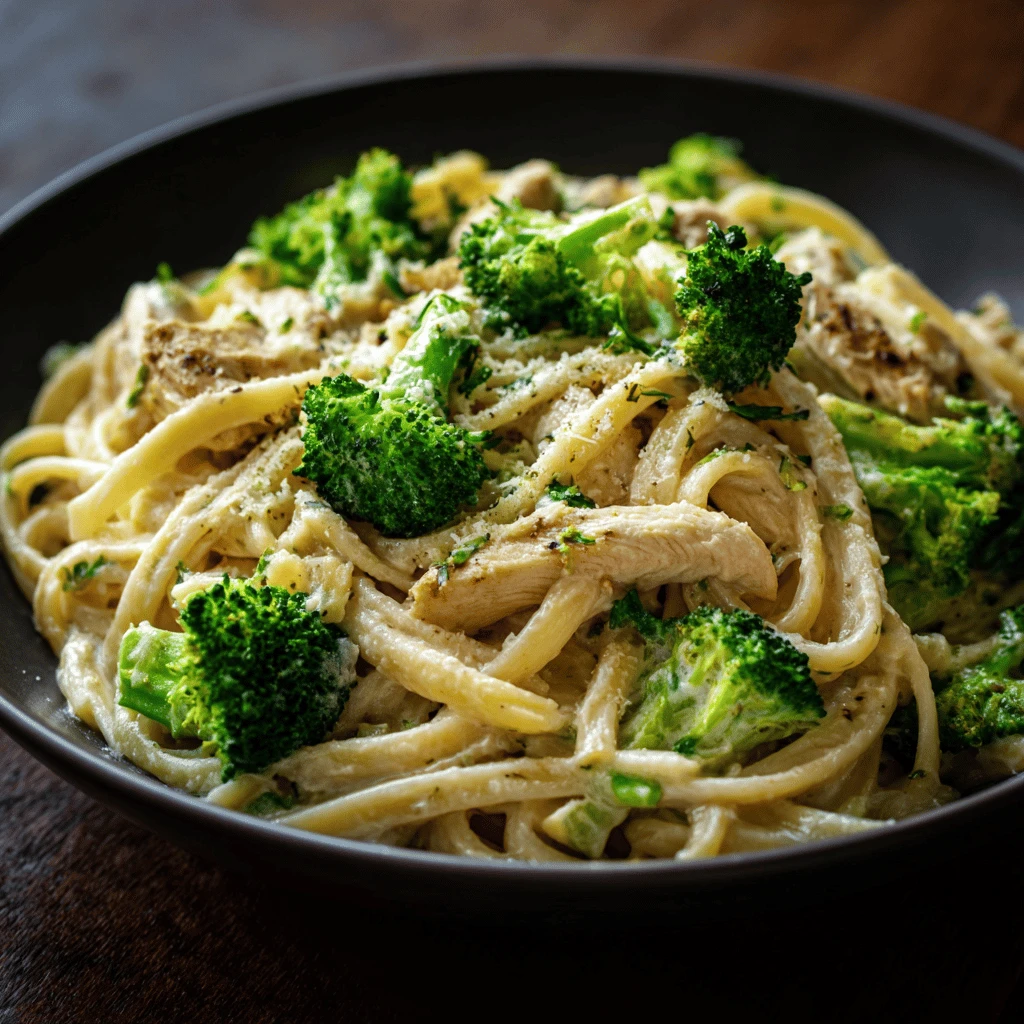
- Serving Suggestions: Serve the Chicken and Broccoli Alfredo immediately after it’s prepared. Garnish with extra Parmesan cheese, fresh parsley, and a sprinkle of red pepper flakes, if desired. Serve with a side salad and garlic bread for a complete and satisfying meal.
- Storage Solutions: Store leftover Chicken and Broccoli Alfredo in an airtight container in the refrigerator for up to 3 days. Reheat gently over low heat or in the microwave. Add a splash of milk or cream to prevent the sauce from drying out.
- Freezing Considerations: While it’s possible to freeze Chicken and Broccoli Alfredo, the sauce may separate upon thawing and reheating. If you choose to freeze it, use an airtight container and thaw it in the refrigerator overnight before reheating. Be aware that the texture may not be as smooth as the original.
Frequently Asked Questions
- Can I use milk instead of cream in Alfredo sauce?
While you can use milk, the sauce won't be as rich and creamy as when made with heavy cream. You may need to add a thickening agent like cornstarch to achieve the desired consistency.
- How do I prevent my Alfredo sauce from separating?
Use freshly grated Parmesan cheese, maintain a low heat, and whisk constantly. Adding pasta water can also help emulsify the sauce.
- Can I make Chicken and Broccoli Alfredo ahead of time?
It's best to make it fresh, but you can prepare the chicken and broccoli ahead of time and store them separately in the refrigerator. Make the Alfredo sauce just before serving.
- What can I add to Chicken and Broccoli Alfredo to make it healthier?
Use whole wheat pasta, add more vegetables, and use light cream instead of heavy cream (though the sauce will be less rich). You can also grill or bake the chicken instead of pan-frying it.
- Can I use frozen broccoli?
Yes, you can use frozen broccoli, but it may be slightly softer than fresh broccoli. Thaw the broccoli completely before cooking to prevent it from becoming watery.