Chicken and Veggie Sheet Pan Meal Prep: Your Guide to Easy, Healthy Meals Sheet pan meals are a lifesaver for busy individuals looking to eat healthy without spending hours in the kitchen. The beauty of a chicken and veggie sheet pan meal prep lies in its simplicity – toss everything on a pan, bake, and…
Chicken and Veggie Sheet Pan Meal Prep: Your Guide to Easy, Healthy Meals
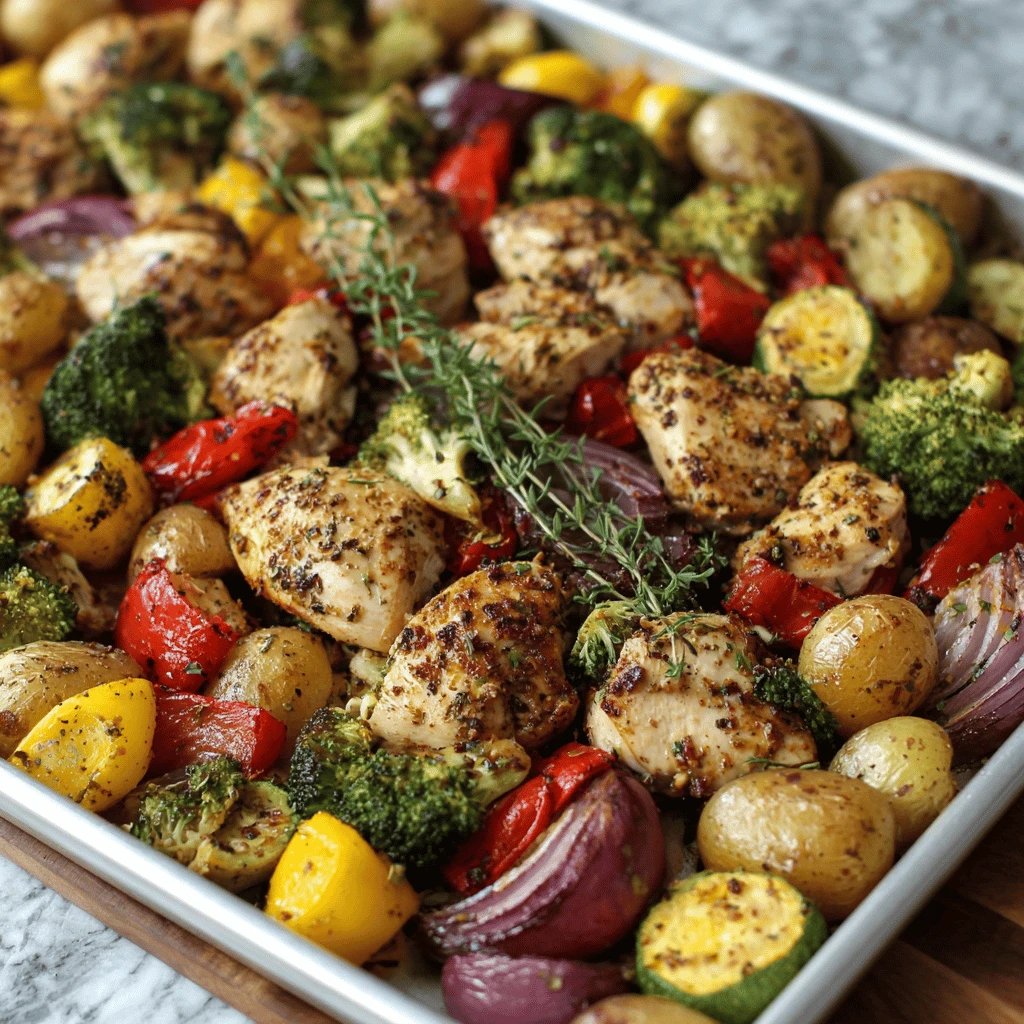
Sheet pan meals are a lifesaver for busy individuals looking to eat healthy without spending hours in the kitchen. The beauty of a chicken and veggie sheet pan meal prep lies in its simplicity – toss everything on a pan, bake, and you have several days’ worth of nutritious lunches or dinners ready to go. This guide will walk you through creating delicious and balanced chicken and veggie sheet pan meal preps, covering everything from choosing the right ingredients to mastering the cooking process.
Why Sheet Pan Meal Prep is a Game-Changer
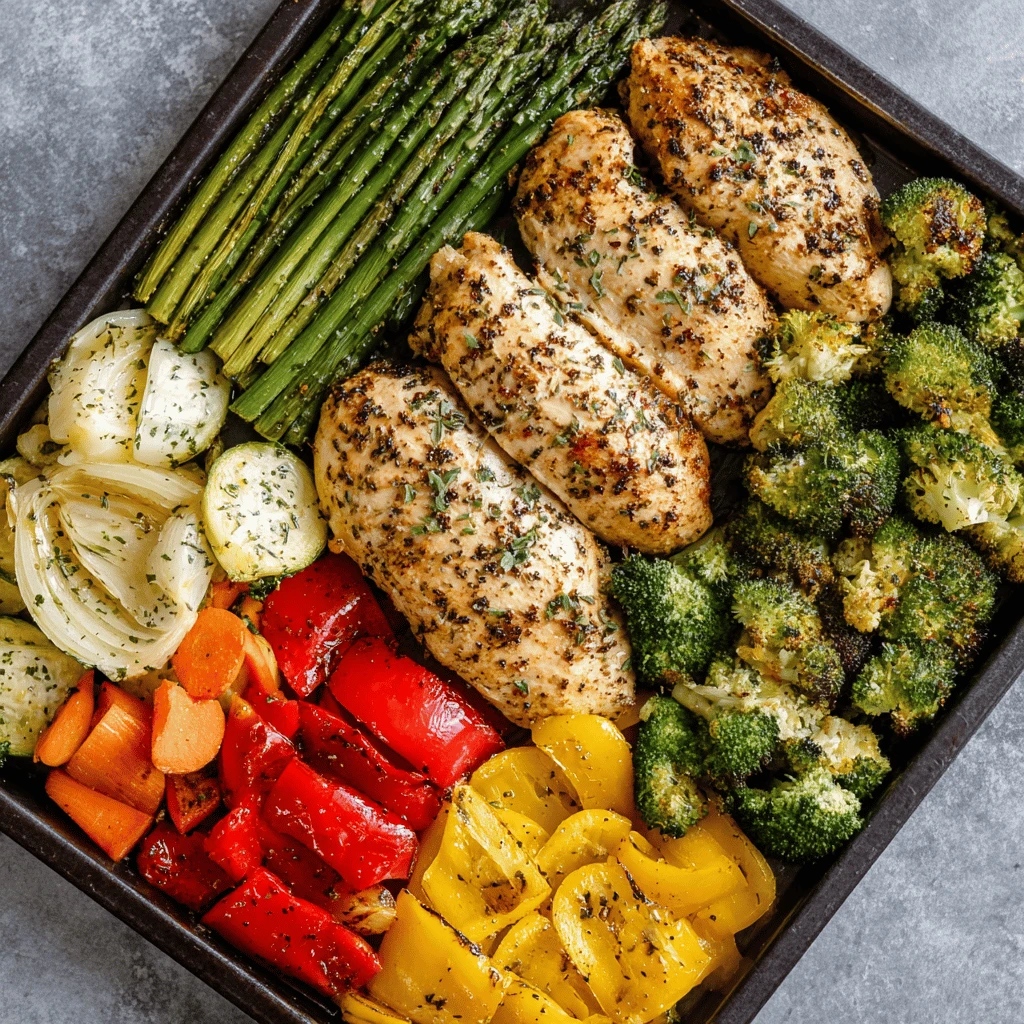
Sheet pan meal prepping offers numerous advantages:
- Convenience: Minimal cleanup is required. One pan means fewer dishes, saving you valuable time.
- Health: It encourages healthy eating by prioritizing lean protein (chicken) and a variety of vegetables. You control the ingredients and portion sizes, making it easier to meet your nutritional goals.
- Customization: You can easily tailor the recipe to your preferences and dietary needs, experimenting with different vegetables, seasonings, and sauces.
- Cost-Effectiveness: Buying ingredients in bulk for meal prepping often results in cost savings compared to eating out.
- Time-Saving: Spending an hour or two on meal prep significantly reduces the time spent cooking during the week.
Selecting the Perfect Ingredients for Your Sheet Pan
The key to a successful sheet pan meal prep lies in selecting the right ingredients. Here’s a breakdown:
Chicken: Choosing the Right Cut
- Chicken Breast: A lean protein choice that’s widely available. Cut into even-sized pieces for uniform cooking. Consider pounding thicker breasts to ensure even thickness.
- Chicken Thighs: More flavorful and forgiving than chicken breast. Bone-in, skin-on thighs offer the richest flavor but require longer cooking times. Boneless, skinless thighs are a quicker option.
- Chicken Tenderloins: Cook quickly and are ideal for busy weeks.
Tip: Ensure chicken is fresh and properly stored before cooking.
Vegetables: A Rainbow of Nutrients
The possibilities are endless when it comes to veggies. Consider these options:
- Root Vegetables: Potatoes (sweet or regular), carrots, parsnips, and beets roast well and provide a satisfyingly hearty base. Cut them into uniform sizes to ensure even cooking, as they generally take longer to cook than other vegetables.
- Cruciferous Vegetables: Broccoli, cauliflower, Brussels sprouts, and cabbage are packed with nutrients and add great texture. Broccoli and cauliflower should be cut into florets, while Brussels sprouts can be halved or quartered.
- Bell Peppers: Add color and sweetness. Choose a variety of colors (red, yellow, orange) for a wider range of nutrients.
- Onions and Garlic: Essential for flavor. Onions can be sliced or quartered, while garlic should be minced or thinly sliced.
- Asparagus and Green Beans: Cook quickly, so add them later in the cooking process or cut them into larger pieces.
- Zucchini and Summer Squash: Add moisture and a mild flavor.
Tip: Roasting vegetables at a high temperature (400-425°F) brings out their natural sweetness and creates a slightly caramelized exterior.
Flavor Boosters: Herbs, Spices, and Marinades
Don’t underestimate the power of seasonings! They can transform a simple sheet pan meal into a flavor explosion.
- Herbs: Fresh herbs like rosemary, thyme, oregano, and parsley add a vibrant flavor. Dried herbs also work well, but use less as they are more concentrated.
- Spices: Paprika (smoked or sweet), garlic powder, onion powder, chili powder, cumin, and turmeric are all excellent choices.
- Marinades: A simple marinade can tenderize the chicken and infuse it with flavor. Consider using olive oil, lemon juice, soy sauce (or tamari for gluten-free), honey, and your favorite herbs and spices.
Tip: Season generously! Don’t be afraid to experiment with different flavor combinations.
Step-by-Step Guide to Sheet Pan Success
Follow these steps for perfectly cooked chicken and veggies every time:
1. Preheat Your Oven: Preheat your oven to 400-425°F (200-220°C). This high temperature is crucial for achieving that desirable roasted texture.
2. Prepare the Chicken: If using chicken breast, pound it to an even thickness. Cut chicken into bite-sized pieces or leave thighs whole. Marinate the chicken for at least 30 minutes (or overnight for deeper flavor).
3. Prep the Vegetables: Wash and chop your chosen vegetables into uniform sizes. Toss them with olive oil, salt, pepper, and any other desired seasonings.
4. Arrange on the Sheet Pan: Spread the vegetables in a single layer on a large baking sheet. Place the chicken pieces evenly among the vegetables. Avoid overcrowding the pan, as this will steam the vegetables instead of roasting them. If necessary, use two sheet pans.
5. Roast to Perfection: Roast for 20-30 minutes, or until the chicken is cooked through (internal temperature of 165°F or 74°C) and the vegetables are tender and slightly browned. Flip the chicken and vegetables halfway through cooking to ensure even browning.
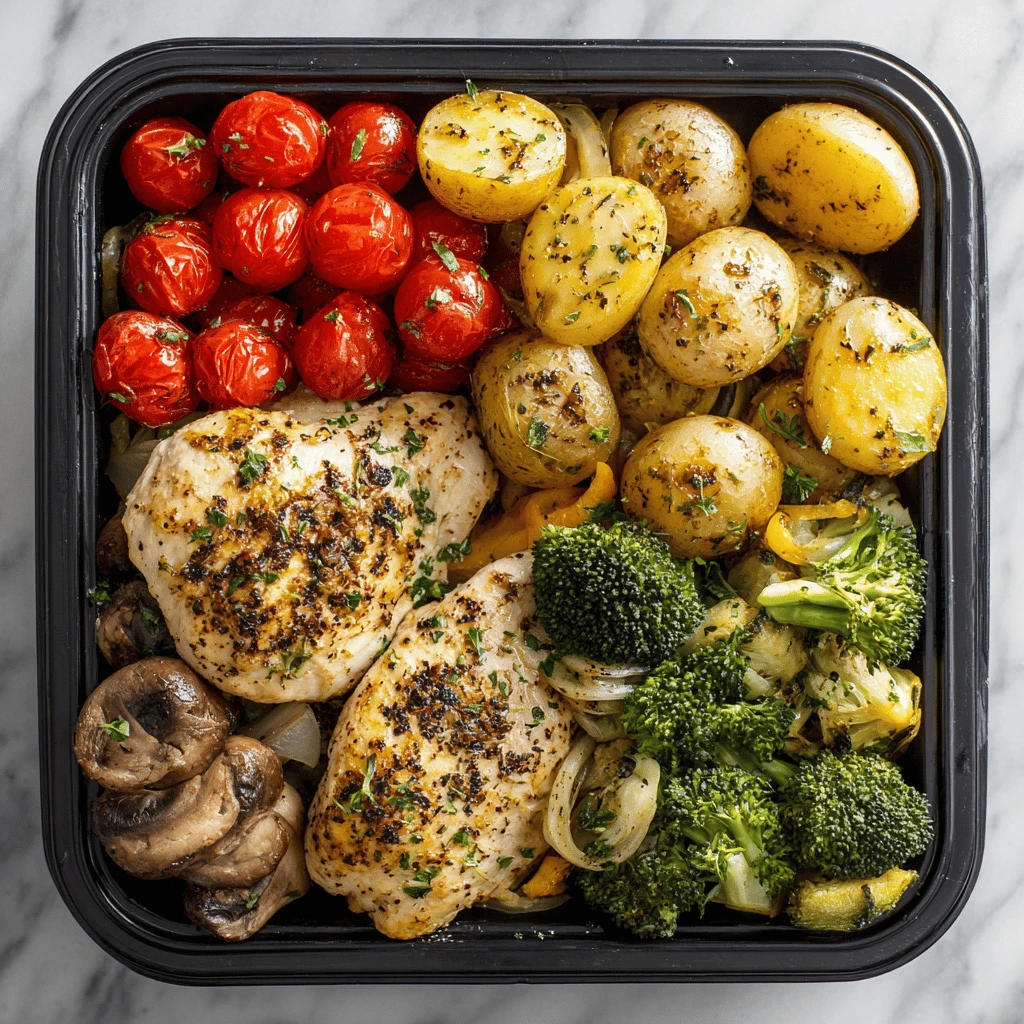
6. Cool and Portion: Let the chicken and vegetables cool slightly before portioning them into airtight containers.
7. Storage: Store in the refrigerator for up to 4 days.
Tip: Use parchment paper or a silicone baking mat to line your sheet pan for easy cleanup.
Variations and Flavor Combinations
The beauty of sheet pan meals is their versatility. Here are a few flavor combinations to inspire your creativity:
- Mediterranean: Chicken breast, bell peppers, red onion, zucchini, cherry tomatoes, olives, feta cheese, oregano, and lemon juice.
- Italian: Chicken sausage, broccoli, potatoes, bell peppers, Italian seasoning, and Parmesan cheese.
- Asian: Chicken thighs, broccoli, carrots, snap peas, soy sauce, ginger, garlic, and sesame oil.
- Mexican: Chicken breast, bell peppers, onions, corn, black beans, chili powder, cumin, and lime juice. Serve with salsa and avocado.
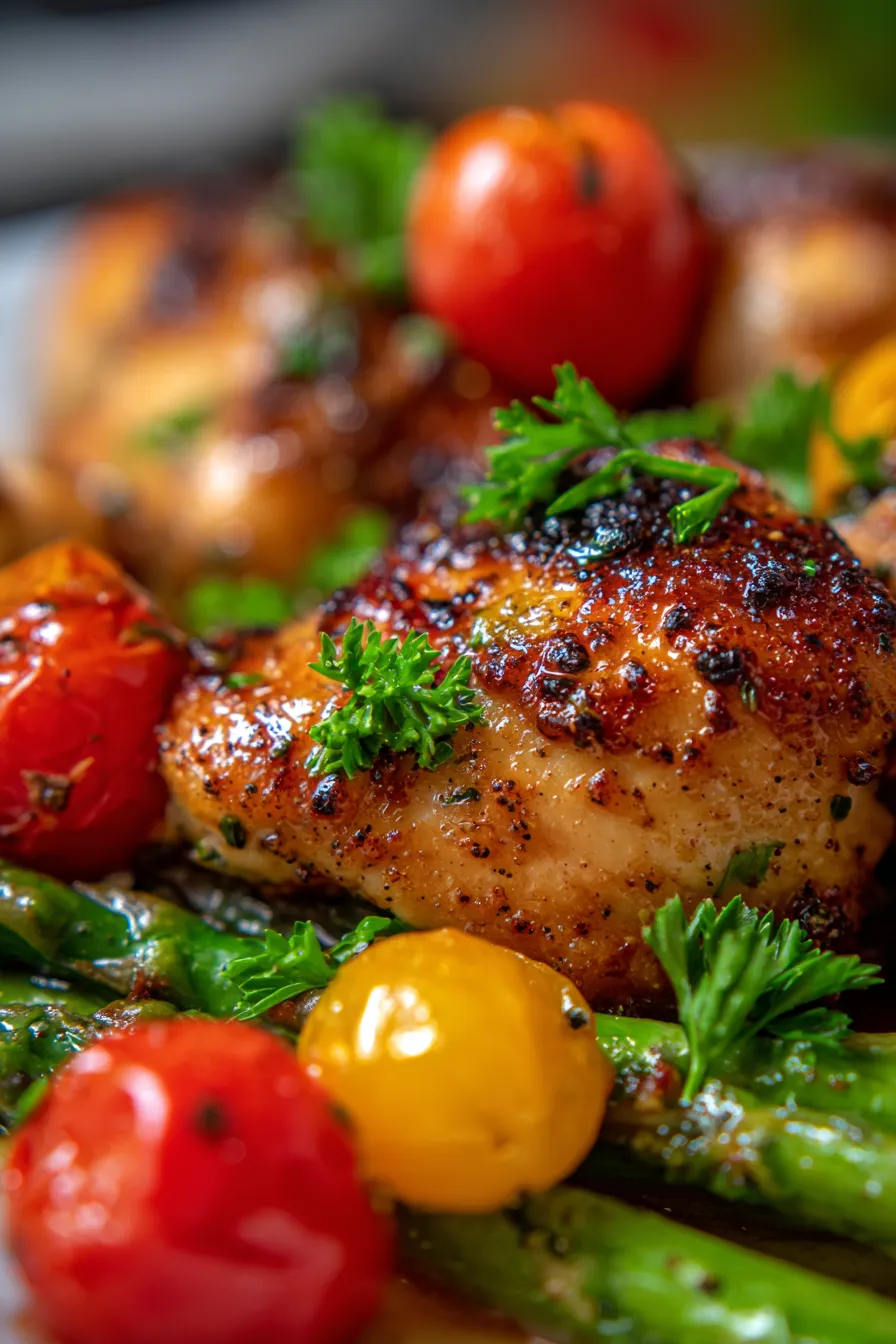
- Lemon Herb: Chicken thighs, asparagus, potatoes, lemon slices, rosemary, and thyme.
Tip: Consider adding a finishing touch, such as a squeeze of lemon juice, a sprinkle of fresh herbs, or a drizzle of balsamic glaze, to elevate the flavor.
Reheating and Serving Tips
- Reheating: Reheat your sheet pan meal prep in the microwave, oven, or skillet. Microwaving is the quickest option, but the oven or skillet will help retain the crispy texture of the vegetables.
- Serving Suggestions: Serve your sheet pan meal prep as is, or pair it with a side of quinoa, rice, or a salad. You can also use it to fill wraps or tacos.
- Sauces: Elevate your meal with a flavorful sauce, such as a creamy avocado sauce, a tangy yogurt sauce, or a spicy peanut sauce.
Tip: To prevent dryness when reheating, add a splash of water or broth to the container before microwaving.
Frequently Asked Questions (FAQ)
Q: Can I use frozen vegetables for sheet pan meal prep?
A: Yes, you can. However, frozen vegetables tend to release more water, which can prevent them from browning properly. To minimize this, thaw the vegetables slightly and pat them dry before roasting. Consider adding them to the pan a bit later in the cooking process.
Q: How do I prevent my vegetables from getting soggy?
A: Avoid overcrowding the sheet pan, as this will steam the vegetables instead of roasting them. Also, ensure that your oven is hot enough (400-425°F). Roasting at a high temperature helps to evaporate moisture and create a crispy exterior. Don’t overcrowd the pan – use two if needed.
Q: How long does sheet pan meal prep last in the refrigerator?
A: Properly stored sheet pan meal prep should last for up to 4 days in the refrigerator. Ensure that the food is cooled completely before storing it in airtight containers.
Q: Can I freeze sheet pan meal prep?
A: Yes, you can freeze it, but the texture of the vegetables may change slightly. To freeze, let the chicken and vegetables cool completely. Then, portion them into freezer-safe containers or bags. They can be stored in the freezer for up to 2-3 months. Thaw overnight in the refrigerator before reheating.
Q: What if my chicken and vegetables are cooking at different rates?
A: Choose vegetables that cook at similar rates. If using vegetables with different cooking times, add the slower-cooking vegetables (like potatoes and carrots) to the sheet pan first, then add the faster-cooking vegetables (like broccoli and asparagus) later in the cooking process.