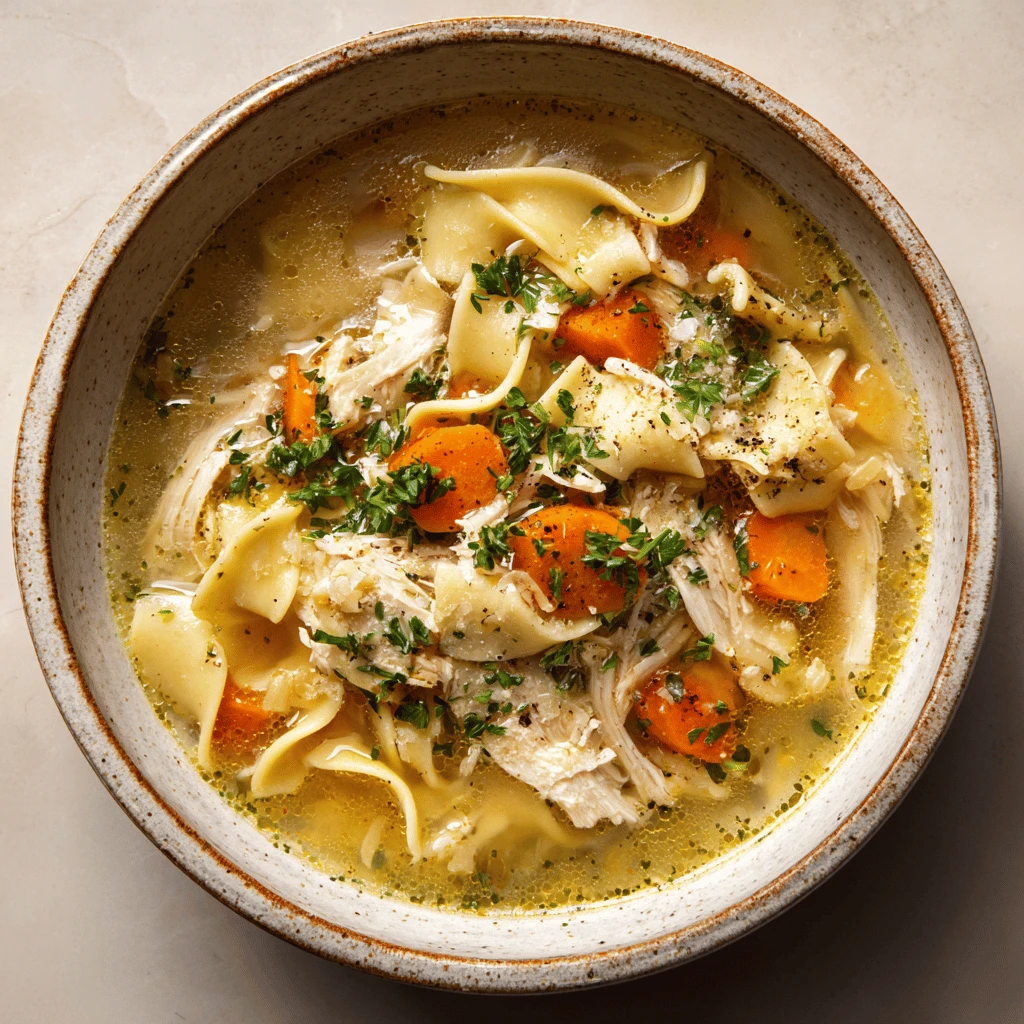
Classic Chicken Noodle Soup Chicken noodle soup is a timeless comfort food, a culinary hug in a bowl. From childhood memories to soothing a cold, its warmth and flavor evoke a sense of well-being. This classic recipe brings together simple ingredients to create a deeply satisfying and nourishing dish. Let’s explore how to make the…
Classic Chicken Noodle Soup
Chicken noodle soup is a timeless comfort food, a culinary hug in a bowl. From childhood memories to soothing a cold, its warmth and flavor evoke a sense of well-being. This classic recipe brings together simple ingredients to create a deeply satisfying and nourishing dish. Let’s explore how to make the perfect chicken noodle soup, from choosing the right chicken to adding your personal touch.
The Foundation: Building Flavorful Broth
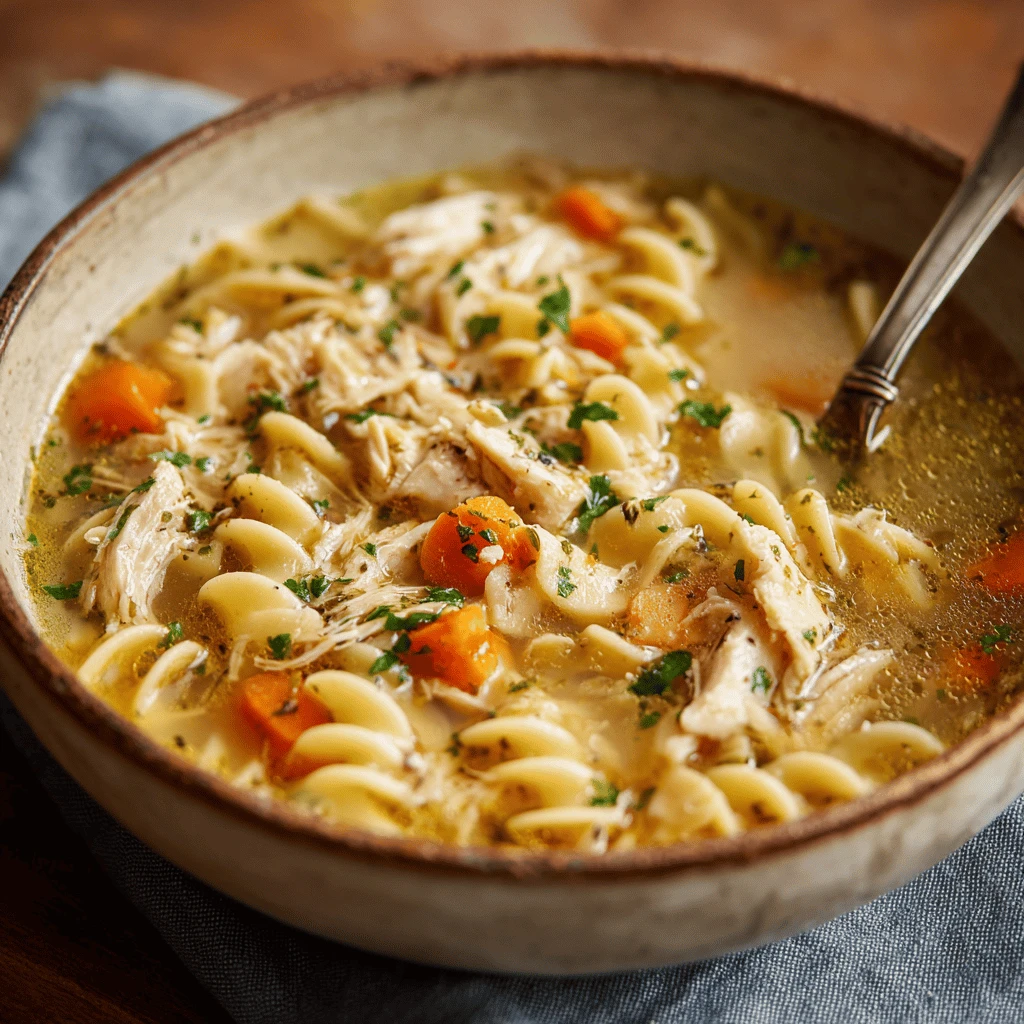
The heart of any great chicken noodle soup lies in its broth. A rich, flavorful broth elevates the entire dish, infusing every spoonful with depth and complexity. There are two primary approaches: using a whole chicken or using chicken parts like backs and necks.
Whole Chicken vs. Chicken Parts:
Using a whole chicken offers a more complete flavor profile. The bones, skin, and meat all contribute to the broth’s richness. It also provides cooked chicken for the soup itself. Chicken parts, especially backs and necks, are a more economical choice. They are packed with collagen, which creates a silky, gelatinous broth.
Creating the Broth:
Whether using a whole chicken or parts, the process is similar. Start by placing the chicken in a large pot and covering it with cold water. Add aromatics like onion, celery, carrots, garlic, and herbs such as thyme, parsley, and bay leaf. Bring the water to a boil, then reduce the heat and simmer gently for at least 1.5 to 3 hours, or even longer for a richer flavor. Skim off any foam that rises to the surface during simmering.
Seasoning the Broth:
Salt and pepper are essential for seasoning the broth. However, it’s best to start with a small amount and adjust as needed. Remember that the broth will concentrate as it simmers, so over-salting early can lead to a too-salty final product. Other seasoning options include a pinch of red pepper flakes for a subtle heat or a splash of apple cider vinegar for brightness.
Choosing the Right Noodles and Vegetables
The noodles and vegetables provide texture, flavor, and nutritional value to the soup. Selecting the right varieties and preparing them properly is crucial.
Noodle Selection:
Egg noodles are the classic choice for chicken noodle soup. Their tender texture and slightly eggy flavor complement the chicken and broth beautifully. Other options include:
- Wide noodles: Offer a heartier bite.
- Thin spaghetti: A lighter alternative.
- Ditalini or other small pasta shapes: Ideal for a more delicate soup.
- Gluten-free pasta: A readily available option for those with sensitivities.
Adding Vegetables:
The standard trio of carrots, celery, and onion forms the aromatic base of most chicken noodle soups. However, you can customize the vegetables to your liking. Consider adding:
- Potatoes: Provide a creamy texture and earthy flavor.
- Mushrooms: Add umami richness.
- Peas: Offer a pop of sweetness and color.
- Spinach or kale: Introduce leafy greens for added nutrients.
Preparing the Noodles and Vegetables:
Cook the noodles separately from the soup, following package directions. This prevents them from absorbing too much broth and becoming mushy. Add the cooked noodles to the soup just before serving.
Chop the vegetables into evenly sized pieces to ensure they cook uniformly. Add the harder vegetables, like carrots and potatoes, earlier in the cooking process, allowing them to soften before adding more tender vegetables like celery and peas.
Perfecting the Chicken: Shredding and Adding to the Soup
The chicken provides protein and a satisfying heartiness to the soup. How you prepare and add the chicken significantly impacts the final outcome.
Shredding the Chicken:
If you used a whole chicken to make the broth, remove it from the pot and let it cool slightly. Then, shred the chicken meat using two forks or your fingers. Discard the skin and bones.
Adding Chicken to the Soup:
Add the shredded chicken to the soup during the final 15-20 minutes of cooking. This allows the chicken to warm through without becoming dry or overcooked.
Alternatives to Shredded Chicken:
For a different texture, consider dicing the chicken into bite-sized pieces before adding it to the soup. You can also use leftover cooked chicken or rotisserie chicken to save time.
Seasoning and Final Touches: Elevating the Flavor
Even after simmering and adding the main ingredients, a few final touches can significantly enhance the flavor of your chicken noodle soup.
Adjusting Seasoning:
Taste the soup and adjust the seasoning as needed. Add more salt and pepper to taste. Consider adding a pinch of herbs like thyme, rosemary, or oregano for added depth.
Adding Fresh Herbs:
Fresh herbs, such as parsley, dill, or chives, add a bright, fresh flavor to the soup. Stir them in just before serving.
A Touch of Acidity:
A squeeze of lemon juice or a splash of apple cider vinegar can brighten the flavors and add a touch of acidity. Add these ingredients sparingly, tasting as you go.
Optional Add-ins:
For extra richness, stir in a tablespoon of butter or olive oil just before serving. A swirl of cream or a dollop of sour cream can also add a luxurious touch. For a bit of spice, add a dash of hot sauce or a pinch of red pepper flakes.
Serving and Storing: Enjoying Your Creation
Once your chicken noodle soup is ready, it’s time to serve and savor the comforting flavors. Proper storage ensures you can enjoy leftovers for days to come.
Serving Suggestions:
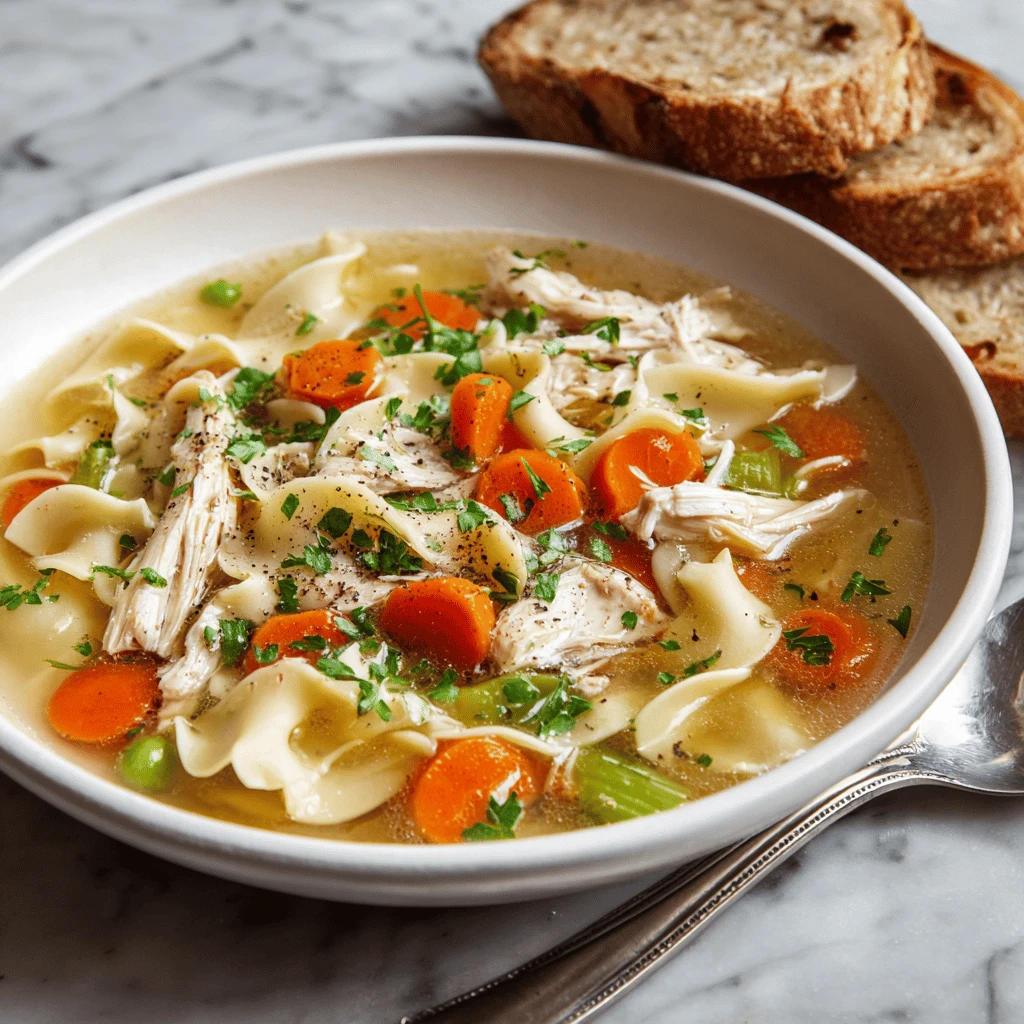
Serve the soup hot, garnished with fresh herbs and a sprinkle of black pepper. A crusty bread or crackers are perfect for dipping.
Storage Instructions:
Allow the soup to cool completely before storing it in an airtight container in the refrigerator. It will keep for 3-4 days. For longer storage, freeze the soup in individual portions.
Reheating:
Reheat the soup gently over medium heat on the stovetop. Avoid boiling, as this can cause the noodles to become mushy. You can also reheat the soup in the microwave, stirring occasionally.
Tips for Freezing and Thawing:
- Cook noodles separately, adding them only after thawing and reheating to avoid mushiness.
- Cool completely before freezing in freezer-safe containers or bags.
- Thaw overnight in the refrigerator for best results.
FAQ: Answering Common Questions About Chicken Noodle Soup
How do I prevent my noodles from getting mushy in chicken noodle soup?
Cook the noodles separately and add them to the soup just before serving. This prevents them from absorbing too much broth and becoming overcooked.
Can I use rotisserie chicken for chicken noodle soup?
Yes, rotisserie chicken is a convenient option. Remove the skin and bones, shred the meat, and add it to the soup during the final 15-20 minutes of cooking.
How long does chicken noodle soup last in the refrigerator?
Chicken noodle soup will last for 3-4 days in the refrigerator when stored in an airtight container.
What can I add to chicken noodle soup to make it more flavorful?
Adding fresh herbs, a squeeze of lemon juice, or a dash of hot sauce can enhance the flavor of chicken noodle soup. Experiment with different seasonings to find your preferred taste.
Is chicken noodle soup good for a cold?
Yes, chicken noodle soup can be soothing and comforting when you have a cold. The warm broth helps to hydrate, and the ingredients provide nutrients. The steam can also help to clear congestion.
Can I freeze chicken noodle soup?
Yes, you can freeze chicken noodle soup, but it is best to cook the noodles separately and add them after thawing and reheating. This will prevent the noodles from becoming mushy.
What are the best vegetables to put in chicken noodle soup?
The classic combination of carrots, celery, and onion is a great starting point. You can also add potatoes, mushrooms, peas, spinach, or kale to customize the soup to your liking.