Classic Hamburger Steak Hamburger steak, a comfort food staple, delivers a satisfying and flavorful meal that’s surprisingly easy to prepare. This dish elevates ground beef beyond basic burgers, offering a hearty and versatile option perfect for family dinners or a comforting solo meal. Let’s delve into the world of hamburger steak, exploring its origins, various…
Classic Hamburger Steak
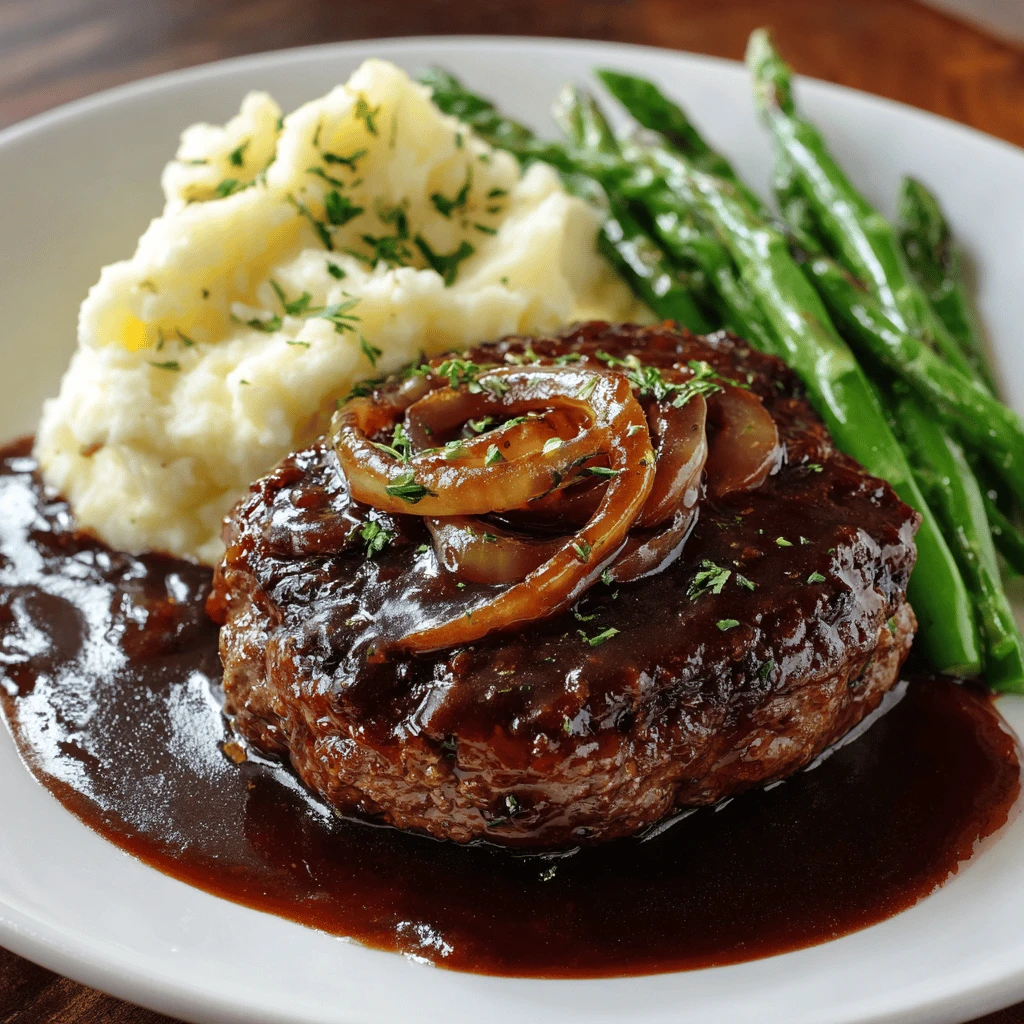
Hamburger steak, a comfort food staple, delivers a satisfying and flavorful meal that’s surprisingly easy to prepare. This dish elevates ground beef beyond basic burgers, offering a hearty and versatile option perfect for family dinners or a comforting solo meal. Let’s delve into the world of hamburger steak, exploring its origins, various preparations, and tips for achieving the perfect sear and delicious gravy.
What is Hamburger Steak? A Culinary Classic Explained
While often confused with Salisbury steak, hamburger steak is a distinct dish. The primary difference lies in the composition and sauce. Hamburger steak is primarily seasoned ground beef, often formed into oval patties and pan-fried or grilled. Salisbury steak, on the other hand, typically incorporates breadcrumbs, onions, and other binders into the ground beef mixture. It is also often served with a richer, more complex gravy. Think of hamburger steak as a stripped-down, pure beef experience that allows the flavor of the meat to shine.
Its simplicity is part of its appeal. The focus is on quality ground beef, seasoned simply with salt, pepper, and perhaps a touch of garlic or onion powder. This allows the natural beef flavor to take center stage, complemented by a delicious gravy or sauce. It’s a budget-friendly meal that’s easy to customize with your favorite seasonings and toppings.
The origins of hamburger steak are somewhat murky, but it likely evolved from German and European culinary traditions of preparing ground meat. It gained popularity in the United States in the late 19th and early 20th centuries as a more accessible and affordable alternative to steak.
Mastering the Art of the Perfect Hamburger Steak
The key to a truly memorable hamburger steak lies in a few simple yet crucial steps. Choosing the right ground beef, proper seasoning, and achieving the perfect sear are paramount.
Selecting the Right Ground Beef: The fat content of your ground beef significantly impacts the flavor and texture of the hamburger steak. While leaner ground beef might seem healthier, it can result in a dry and less flavorful steak. A blend of 80/20 (80% lean, 20% fat) is generally recommended. The fat renders during cooking, adding moisture and richness to the steak. Avoid using extra-lean ground beef unless you compensate with added moisture.
Seasoning for Success: Keep it simple but effective. Salt and freshly ground black pepper are essential. Garlic powder, onion powder, paprika, or even a dash of cayenne pepper can add depth. Consider adding a teaspoon of Worcestershire sauce to the beef mixture for umami. Avoid over-seasoning, as you want the beef flavor to be the star.
Shaping and Searing: Gently form the ground beef into oval patties about ¾ inch thick. Avoid overworking the meat, as this can make it tough. Preheat a heavy-bottomed skillet (cast iron is ideal) over medium-high heat. Add a tablespoon of cooking oil with a high smoke point, such as canola or vegetable oil. Once the oil is hot, carefully place the patties in the skillet, ensuring not to overcrowd the pan. Sear the patties for 3-4 minutes per side, until a rich brown crust forms. This searing process creates Maillard reaction, which enhances the flavor and texture of the steak. Don’t flip them too often; let the crust develop undisturbed.
Cooking to Perfection: Once seared, reduce the heat to medium and continue cooking the patties to your desired level of doneness. Use a meat thermometer to ensure accuracy. For medium-rare (130-135°F), medium (135-140°F), or medium-well (140-145°F). Remember that the internal temperature will continue to rise slightly after you remove the steak from the heat (carryover cooking).
Gravy, Sauces, and Sensational Sides
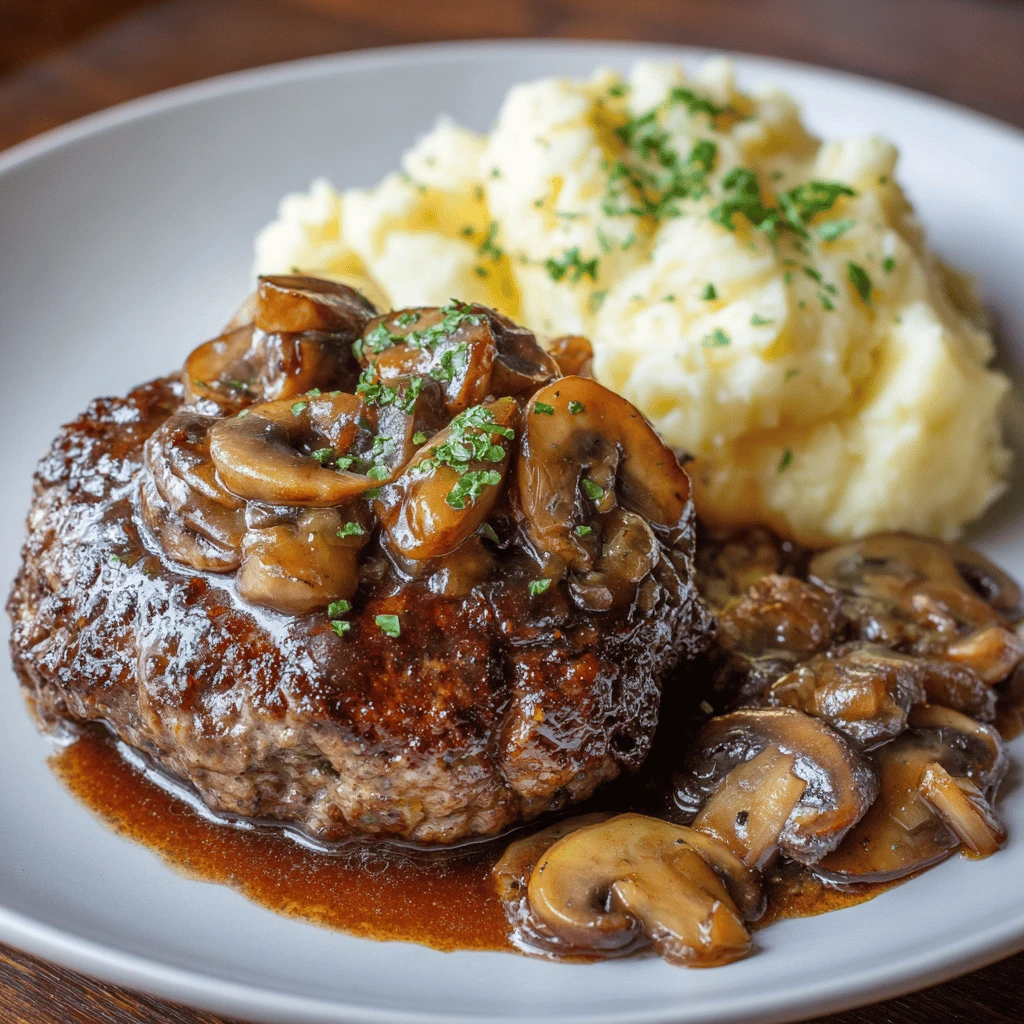
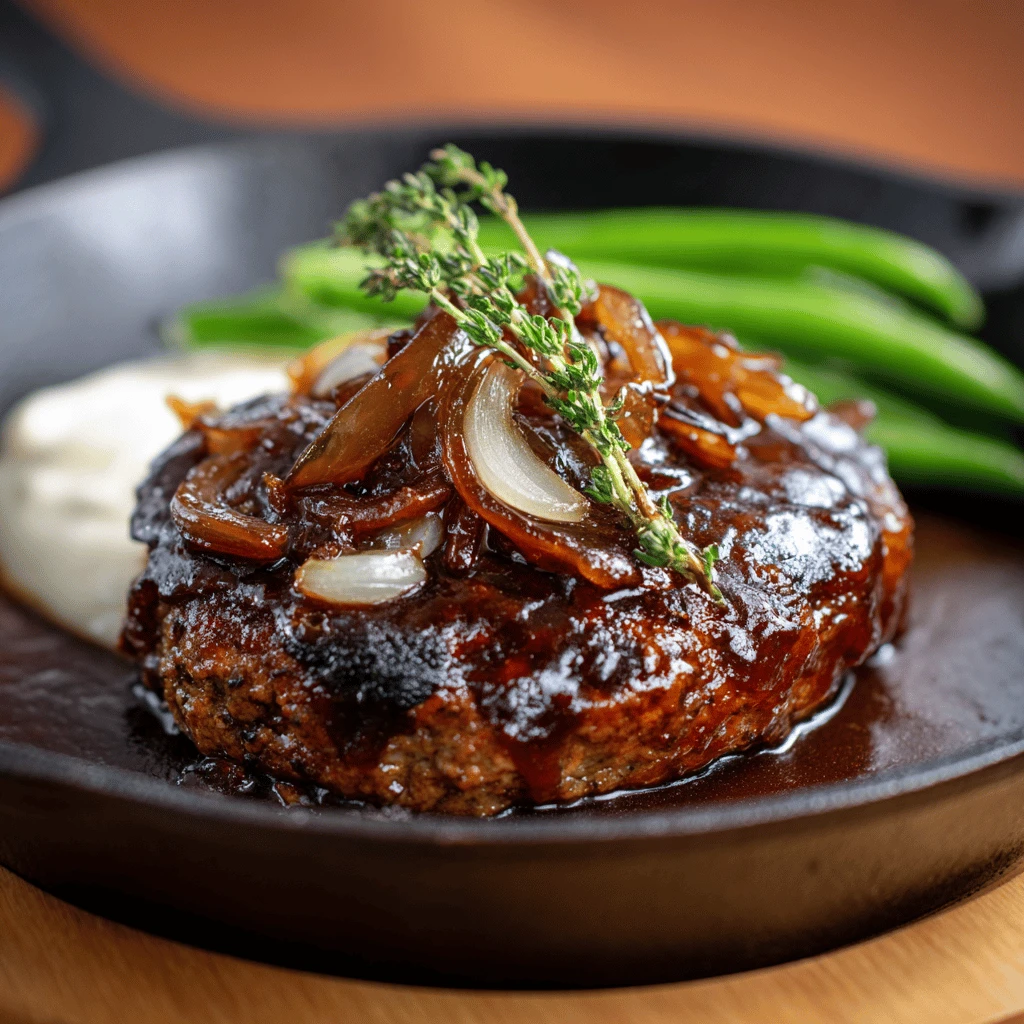
The magic of hamburger steak is amplified by the accompaniments. A rich, flavorful gravy elevates the dish from simple to sublime. Classic choices include mushroom gravy, onion gravy, or a simple beef gravy made from the pan drippings.
Crafting a Delicious Gravy: After removing the hamburger steaks from the skillet, don’t discard the pan drippings! These drippings are packed with flavor and form the base of your gravy. Add a tablespoon or two of butter to the skillet and melt it over medium heat. Whisk in an equal amount of all-purpose flour to create a roux. Cook the roux for 1-2 minutes, stirring constantly, until it turns a light golden brown. Slowly whisk in beef broth (about 1-2 cups), scraping up any browned bits from the bottom of the pan. Bring the gravy to a simmer and cook until thickened, stirring occasionally. Season with salt, pepper, and any desired herbs, such as thyme or rosemary. For mushroom gravy, sauté sliced mushrooms in the skillet before making the roux. For onion gravy, caramelize sliced onions in the skillet before proceeding with the gravy recipe.
Beyond Gravy: Sauce Variations: While gravy is a classic pairing, don’t be afraid to experiment with other sauces. A tangy Dijon mustard sauce, a creamy horseradish sauce, or even a simple tomato-based sauce can complement the richness of the hamburger steak.
Perfect Side Dish Pairings: Hamburger steak pairs exceptionally well with a variety of side dishes. Mashed potatoes are a classic choice, providing a creamy and comforting counterpoint to the savory steak and gravy. Roasted vegetables, such as broccoli, carrots, or Brussels sprouts, add a healthy and flavorful element to the meal. Green beans, corn on the cob, or a simple salad are also excellent options. Don’t forget the bread! A slice of crusty bread or a dinner roll is perfect for soaking up the delicious gravy.
Variations and Creative Twists on the Classic
While the classic hamburger steak is delicious in its own right, there are countless ways to customize the recipe to suit your taste.
Adding Flavors to the Beef Mixture: Experiment with different seasonings and ingredients in the ground beef mixture. Add chopped onions, minced garlic, Worcestershire sauce, breadcrumbs, or even a touch of hot sauce for extra flavor.
Cheese-Stuffed Hamburger Steak: Create a pocket in the center of each patty and fill it with your favorite cheese, such as cheddar, mozzarella, or provolone. Seal the edges tightly before searing. The melted cheese adds a gooey and delicious surprise.
Mushroom Swiss Hamburger Steak: Top the cooked hamburger steaks with sautéed mushrooms and melted Swiss cheese. This combination is a classic for a reason.
Hamburger Steak with Balsamic Glaze: After cooking the hamburger steaks, drizzle them with a balsamic glaze for a sweet and tangy flavor.
Spicy Hamburger Steak with Chipotle Sauce: Add chipotle peppers in adobo sauce to the ground beef mixture for a smoky and spicy kick. Serve with a creamy chipotle sauce made from sour cream, mayonnaise, and chipotle peppers.
Tips and Tricks for Hamburger Steak Success
To ensure your hamburger steak is a culinary triumph, keep these tips in mind:
- Don’t overcrowd the pan: Cooking the patties in batches ensures they sear properly and don’t steam.
- Avoid overworking the meat: Gently form the patties to prevent them from becoming tough.
- Use a meat thermometer: Ensure the hamburger steaks are cooked to your desired level of doneness.
- Let the steaks rest: After cooking, let the steaks rest for a few minutes before serving. This allows the juices to redistribute, resulting in a more tender and flavorful steak.
- Use a good quality skillet: A heavy-bottomed skillet, such as cast iron, distributes heat evenly and helps to create a perfect sear.
- Adjust seasoning to your taste: Don’t be afraid to experiment with different seasonings and herbs to find your perfect flavor combination.
- Make ahead: The ground beef mixture can be prepared ahead of time and stored in the refrigerator until ready to cook. The gravy can also be made in advance and reheated before serving.
Frequently Asked Questions (FAQ)
What’s the difference between hamburger steak and Salisbury steak?
Hamburger steak is primarily seasoned ground beef, while Salisbury steak includes breadcrumbs, onions, and other binders. Salisbury steak often has a richer, more complex gravy.
What kind of ground beef is best for hamburger steak?
An 80/20 blend (80% lean, 20% fat) is generally recommended for optimal flavor and moisture.
How do I prevent hamburger steak from being dry?
Use ground beef with sufficient fat content (80/20). Avoid overcooking the patties. Don’t overwork the ground beef when forming the patties.
Can I freeze hamburger steak?
Yes, cooked hamburger steak can be frozen. Allow it to cool completely before wrapping it tightly in plastic wrap and then placing it in a freezer bag. Reheat in the oven, microwave, or skillet.
How do I make gravy without lumps?
Whisk the roux (butter and flour mixture) continuously while slowly adding the beef broth. Ensure the roux is cooked to a light golden brown before adding the liquid.
What are some good side dishes to serve with hamburger steak?
Mashed potatoes, roasted vegetables, green beans, corn on the cob, and salad are all excellent choices.
Can I grill hamburger steak?
Yes, you can grill hamburger steak. Preheat the grill to medium-high heat and grill the patties for 3-4 minutes per side, or until cooked through.
How long does it take to cook hamburger steak?
Cooking time depends on the thickness of the patties and your desired level of doneness. Generally, it takes about 3-4 minutes per side to sear the patties, followed by another 5-10 minutes to cook them through.
What temperature should hamburger steak be cooked to?
Use a meat thermometer to ensure accuracy. For medium-rare (130-135°F), medium (135-140°F), or medium-well (140-145°F).
Can I use turkey or chicken instead of ground beef?
Yes, you can use ground turkey or chicken. However, these meats tend to be drier than ground beef, so you may need to add a binder like breadcrumbs and ensure not to overcook them.