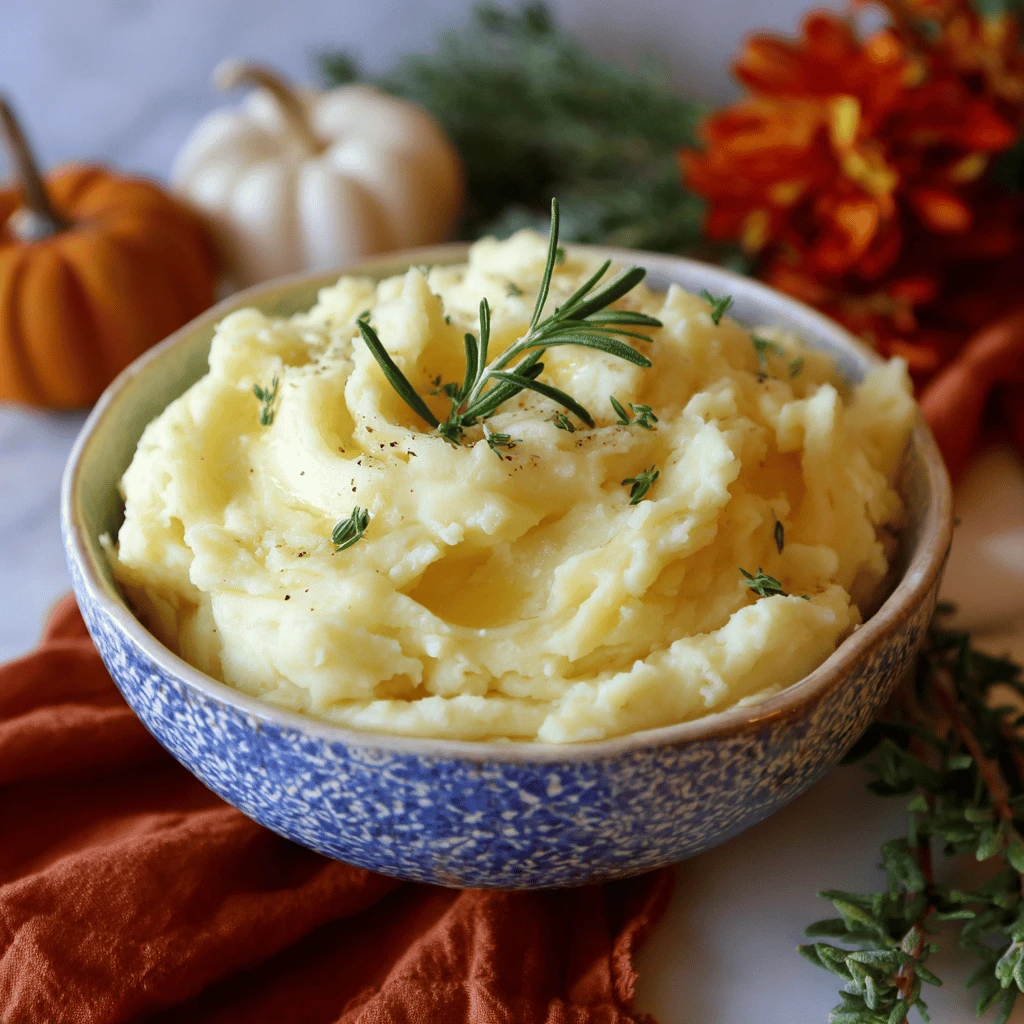
Classic Mashed Potatoes for Thanksgiving Thanksgiving isn’t Thanksgiving without a heaping bowl of creamy, comforting mashed potatoes. This quintessential side dish is a crowd-pleaser, a canvas for gravy, and a symbol of warmth and togetherness. But mastering the art of truly classic mashed potatoes requires more than just boiling potatoes and mashing them up. This…
Classic Mashed Potatoes for Thanksgiving
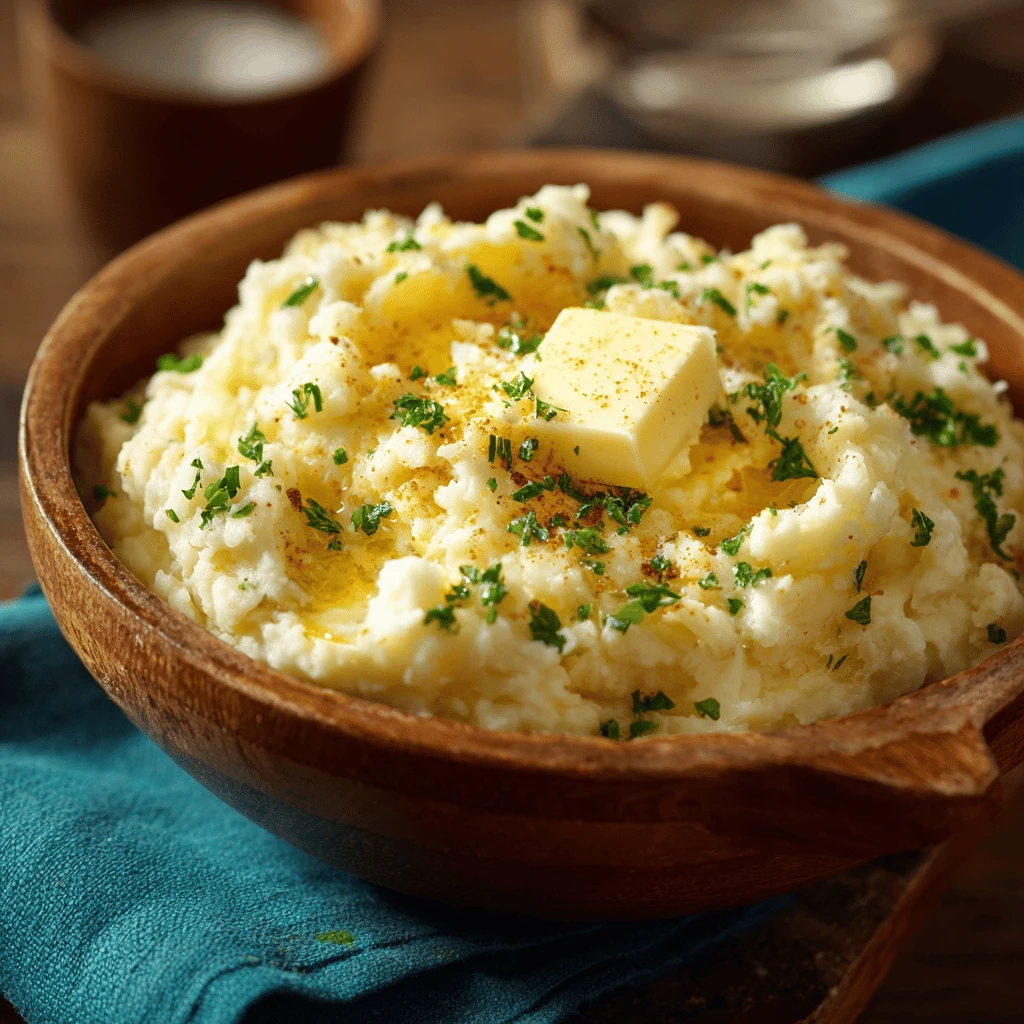
Thanksgiving isn’t Thanksgiving without a heaping bowl of creamy, comforting mashed potatoes. This quintessential side dish is a crowd-pleaser, a canvas for gravy, and a symbol of warmth and togetherness. But mastering the art of truly classic mashed potatoes requires more than just boiling potatoes and mashing them up. This guide will walk you through the key steps, techniques, and secrets to achieving mashed potato perfection this holiday season.
Choosing the Right Potatoes: The Foundation of Flavor
The type of potato you choose drastically impacts the final texture and flavor of your mashed potatoes. While you can technically use any potato, some varieties are far superior for achieving that classic, creamy consistency.
Russet Potatoes: The Fluffy Favorite
Russets are a high-starch potato, making them ideal for creating fluffy, light mashed potatoes. Their high starch content also helps them absorb flavors beautifully, readily soaking up butter, cream, and seasonings. The downside? Russets can become gluey if overmixed, so gentle handling is key.
Yukon Gold Potatoes: The Naturally Buttery Option
Yukon Golds are known for their naturally buttery flavor and creamy texture. They have a lower starch content than russets, which means they’re less prone to becoming gluey. While they might not be as intensely fluffy as russets, their inherent richness makes them a delicious choice, often requiring less added butter.
Red Potatoes: A Waxy Alternative (Use with Caution)
Red potatoes are waxy, with a lower starch content than russets or Yukon Golds. While you can use them for mashed potatoes, they tend to be denser and less fluffy. If you choose red potatoes, consider leaving the skins on for added texture and flavor, and don’t overmix. A combination of red and Yukon gold can work well for enhanced flavour.
Mastering the Cooking Process: Even Cooking is Key
The way you cook your potatoes is just as important as the variety you choose. Unevenly cooked potatoes lead to lumpy, inconsistent mashed potatoes.
Preparing the Potatoes: Peeling, Chopping, and Rinsing
Start by thoroughly washing your potatoes. Whether you peel them or leave the skins on is a matter of personal preference. Peeling creates a smoother, more refined texture, while leaving the skins on adds rustic charm and extra nutrients. Chop the potatoes into roughly equal-sized pieces (about 1-2 inches) to ensure even cooking. After chopping, rinse the potatoes in cold water to remove excess starch, which helps prevent them from becoming gluey.
Boiling the Potatoes: Cold Start vs. Hot Start
There’s a debate about whether to start potatoes in cold water or boiling water. Starting them in cold water is generally recommended, as it allows the potatoes to cook evenly from the inside out. Place the chopped potatoes in a large pot and cover them with cold water. Add a generous pinch of salt to the water; this seasons the potatoes from within. Bring the water to a boil and then reduce the heat to a simmer. Cook until the potatoes are fork-tender, meaning a fork easily slides through them, about 15-20 minutes.
Draining and Drying: Removing Excess Moisture
Once the potatoes are tender, drain them thoroughly in a colander. To remove even more moisture, return the drained potatoes to the empty pot and place it back on the burner over low heat for a minute or two. This will help evaporate any remaining water and prevent your mashed potatoes from becoming watery.
Achieving Creamy Perfection: The Art of Mashing
The mashing process is where the magic happens. The goal is to create a smooth, creamy texture without overworking the potatoes.
Choosing Your Mashing Tool: Ricer, Masher, or Mixer?
- Potato Ricer: A ricer creates the smoothest, most lump-free mashed potatoes. It forces the cooked potatoes through small holes, resulting in a light and airy texture. This is generally considered the best method for truly classic mashed potatoes.
- Potato Masher: A classic potato masher is a versatile tool that allows you to control the texture of your mashed potatoes. It’s great for creating rustic mashed potatoes with some lumps and texture.
- Electric Mixer: While an electric mixer can be used for mashed potatoes, it’s easy to overmix them, resulting in a gluey texture. If you choose to use a mixer, use it sparingly and on low speed. Avoid using a food processor, as it will almost certainly result in gluey potatoes.
Adding Dairy and Fat: The Key to Creaminess
While the potatoes are still hot, begin adding your dairy and fat. Warm your butter and cream (or milk) separately before adding them to the potatoes. Cold dairy can lower the temperature of the potatoes and make them less creamy. Add the butter first, allowing it to melt completely before adding the warmed cream or milk. Add the dairy gradually, mashing as you go, until you reach your desired consistency.
Seasoning to Perfection: Salt, Pepper, and Beyond
Salt and pepper are essential for seasoning mashed potatoes, but don’t be afraid to get creative. Taste the potatoes frequently and adjust the seasoning as needed. A pinch of garlic powder, onion powder, or even a sprinkle of nutmeg can add depth of flavor. Fresh herbs like chives, parsley, or thyme can also be added for a touch of freshness.
Elevating Your Mashed Potatoes: Flavor Variations and Add-Ins
While classic mashed potatoes are delicious on their own, there are countless ways to elevate them with different flavors and add-ins.
Garlic Mashed Potatoes: A Classic Twist
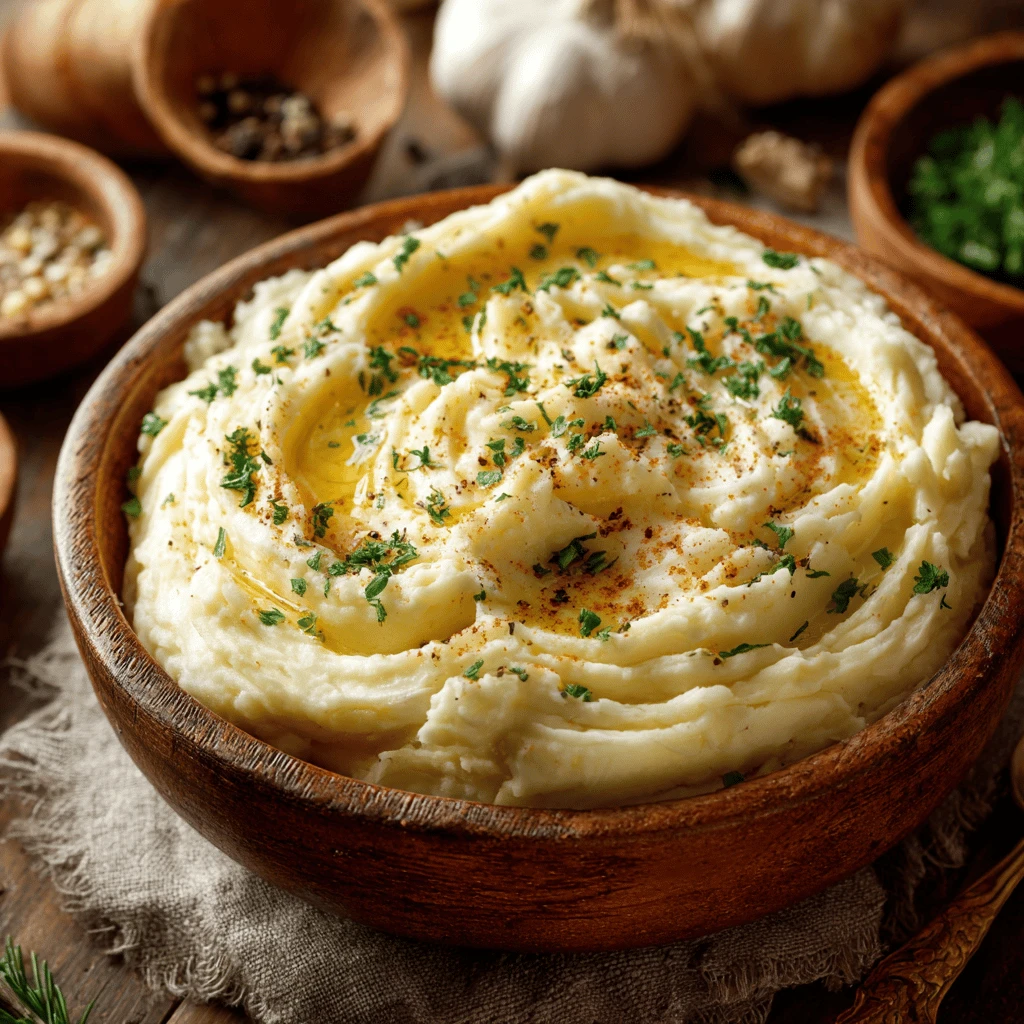
Roasting garlic cloves and then mashing them into your potatoes adds a rich, savory flavor. Simply toss garlic cloves with olive oil, salt, and pepper, and roast them until softened and caramelized. Squeeze the roasted garlic from their skins and mash them into the potatoes along with the butter and cream.
Herb-Infused Mashed Potatoes: Fresh and Flavorful
Adding fresh herbs like rosemary, thyme, or sage to your mashed potatoes adds a bright, aromatic flavor. Chop the herbs finely and add them to the potatoes along with the butter and cream.
Cheese Mashed Potatoes: Creamy and Decadent
Adding cheese to your mashed potatoes creates a creamy, decadent dish. Sharp cheddar, Gruyere, or Parmesan cheese are all excellent choices. Grate the cheese finely and add it to the potatoes along with the butter and cream.
Brown Butter Mashed Potatoes: Nutty and Rich
Browning the butter before adding it to your mashed potatoes adds a nutty, rich flavor. Melt the butter in a saucepan over medium heat, stirring constantly, until it turns a golden-brown color and has a nutty aroma. Be careful not to burn the butter. Pour the brown butter over the potatoes along with the cream.
Loaded Mashed Potatoes: The Ultimate Comfort Food
For the ultimate comfort food, load your mashed potatoes with toppings like bacon bits, shredded cheese, sour cream, and chives.
Troubleshooting Common Problems: Achieving the Perfect Texture
Even with the best intentions, mashed potatoes can sometimes go wrong. Here’s how to troubleshoot some common problems:
Gluey Mashed Potatoes: The Overmixing Issue
Gluey mashed potatoes are usually caused by overmixing. When potatoes are overmixed, the starch is released, resulting in a sticky, gummy texture. To avoid this, use a potato ricer or masher instead of an electric mixer, and be gentle when mashing.
Lumpy Mashed Potatoes: The Undercooked Problem
Lumpy mashed potatoes are often caused by undercooked potatoes. Make sure the potatoes are fork-tender before draining them. If you still have lumps, try using a potato ricer or mashing the potatoes more thoroughly.
Watery Mashed Potatoes: The Excess Moisture Challenge
Watery mashed potatoes can be caused by not draining the potatoes thoroughly enough. After draining the potatoes, return them to the pot and cook them over low heat for a minute or two to evaporate any remaining water.
Bland Mashed Potatoes: The Seasoning Solution
Bland mashed potatoes are easily fixed with more seasoning. Taste the potatoes frequently and adjust the salt, pepper, and other seasonings as needed. Don’t be afraid to experiment with different flavors.
FAQ: Your Mashed Potato Questions Answered
Q: Can I make mashed potatoes ahead of time?
A: Yes, you can make mashed potatoes ahead of time. Store them in an airtight container in the refrigerator for up to 2 days. Reheat them gently in a saucepan over low heat, adding a little extra milk or cream if needed to restore their creamy consistency.
Q: How do I keep mashed potatoes warm?
A: You can keep mashed potatoes warm in a slow cooker on the warm setting or in a covered dish in a warm oven (around 200°F). Stir them occasionally to prevent them from drying out.
Q: What’s the best way to reheat mashed potatoes?
A: The best way to reheat mashed potatoes is gently in a saucepan over low heat. Add a little extra milk or cream if needed to restore their creamy consistency. You can also reheat them in the microwave, but be sure to stir them frequently to prevent them from drying out.
Q: Can I freeze mashed potatoes?
A: Freezing mashed potatoes is not recommended, as they tend to become grainy and watery when thawed. However, if you must freeze them, use a potato ricer to make the mashed potatoes as smooth as possible, add extra butter or cream, and store them in an airtight container. Thaw them in the refrigerator overnight and reheat them gently, adding more liquid as needed.
Q: What can I add to mashed potatoes to make them more flavorful?
A: There are many ways to add flavor to mashed potatoes. Try adding roasted garlic, fresh herbs, cheese, brown butter, or bacon bits.
Q: Should I peel the potatoes before boiling them for mashed potatoes?
A: That is a matter of personal preference. Peeling creates a smoother, more refined texture, while leaving the skins on adds rustic charm and extra nutrients.
Q: How much butter and cream should I add to my mashed potatoes?
A: That also depends on personal preference, but generally, start with 1/2 cup of butter and 1/2 cup of cream per 2 pounds of potatoes, and adjust to taste.
By following these tips and techniques, you’ll be well on your way to creating the perfect classic mashed potatoes for your Thanksgiving feast. Enjoy!