Classic Roast Turkey Thanksgiving Recipes Thanksgiving is incomplete without a beautifully roasted turkey gracing the center of the table. A classic roast turkey is the star of the show, a symbol of abundance and togetherness. This guide will walk you through creating a succulent, flavorful, and memorable Thanksgiving turkey, covering everything from preparation and brining…
Classic Roast Turkey Thanksgiving Recipes
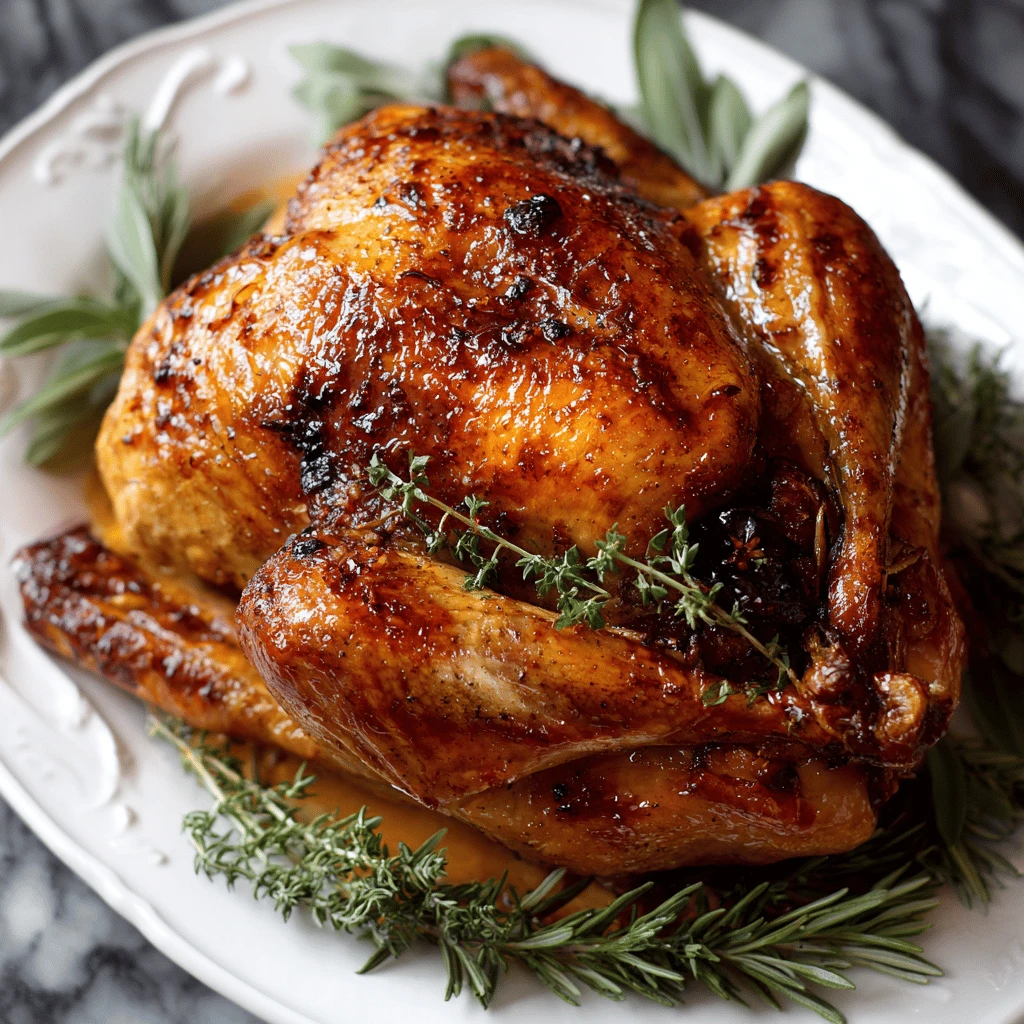
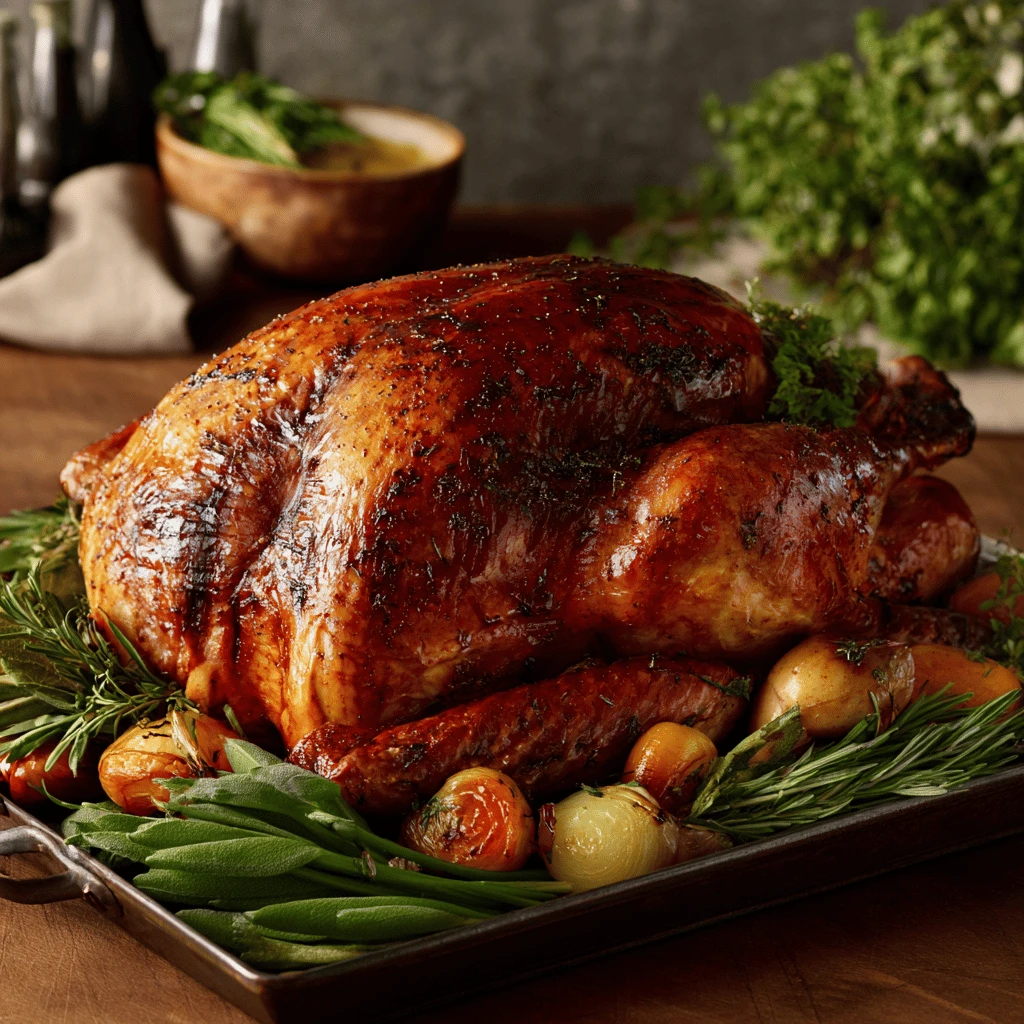
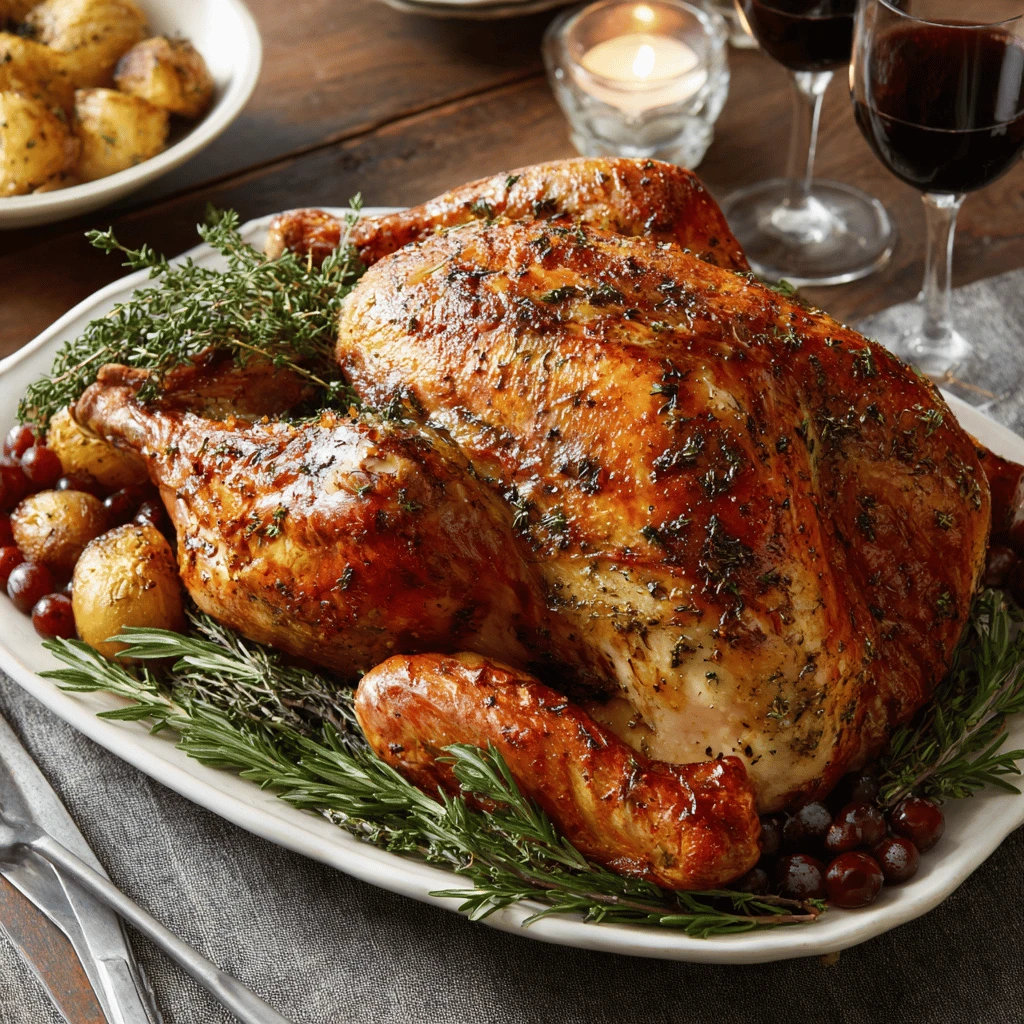
Thanksgiving is incomplete without a beautifully roasted turkey gracing the center of the table. A classic roast turkey is the star of the show, a symbol of abundance and togetherness. This guide will walk you through creating a succulent, flavorful, and memorable Thanksgiving turkey, covering everything from preparation and brining to roasting techniques and carving.
Preparing Your Perfect Thanksgiving Turkey
The foundation of a delicious roast turkey lies in proper preparation. This involves thawing, brining (optional but highly recommended), and seasoning.
Thawing: A Crucial First Step
Never underestimate the importance of properly thawing your turkey. Improper thawing can lead to uneven cooking and potential bacterial growth. The safest and most recommended method is thawing in the refrigerator. Allow approximately 24 hours of thawing time for every 5 pounds of turkey. So, a 15-pound turkey will need about three days in the refrigerator. Ensure the turkey is placed on a tray or in a container to catch any drips.
For a faster method, you can use the cold water method. Submerge the turkey, in its original packaging, in a large container of cold water. Change the water every 30 minutes to maintain a consistent, cold temperature. This method requires approximately 30 minutes per pound of turkey.
Brining: Enhancing Flavor and Moisture
Brining is the secret weapon for achieving a moist and flavorful turkey. It involves soaking the turkey in a saltwater solution, which allows the meat to absorb moisture and seasoning. A simple brine can be made with water, salt, sugar, and aromatic herbs and spices like thyme, rosemary, peppercorns, and bay leaves.
For a basic brine, use 1 cup of kosher salt and 1/2 cup of sugar per gallon of water. Make sure the salt and sugar are completely dissolved. Submerge the turkey in the brine, ensuring it’s fully covered. Refrigerate for 12-24 hours. Remember to rinse the turkey thoroughly after brining to remove excess salt.
Seasoning: The Art of Flavor Infusion
Once the turkey is thawed and brined (if using), it’s time to infuse it with flavor. Pat the turkey dry with paper towels – this is essential for achieving crispy skin.
A simple yet effective seasoning blend includes salt, pepper, garlic powder, onion powder, paprika, and dried herbs like thyme, rosemary, and sage. Mix the spices together and generously rub them all over the turkey, both under the skin of the breast and thighs and on the outside.
Consider adding aromatics to the cavity of the turkey. Quartered onions, celery stalks, carrot chunks, and fresh herbs will add depth of flavor during roasting. You can also include citrus fruits like lemons or oranges, cut into wedges.
Roasting Techniques for a Juicy Turkey
Mastering the roasting technique is paramount to achieving a perfectly cooked turkey. This section will cover oven temperature, roasting time, and essential tips for ensuring a juicy and evenly cooked bird.
Oven Temperature and Roasting Time
The ideal oven temperature for roasting a turkey is generally between 325°F (163°C) and 350°F (177°C). Lower temperatures promote more even cooking and prevent the breast from drying out before the thighs are fully cooked.
Roasting time depends on the size of the turkey. A general guideline is to roast the turkey for approximately 13 minutes per pound at 350°F. A 15-pound turkey, therefore, would take around 3 hours and 15 minutes. Always use a meat thermometer to ensure the turkey is cooked to a safe internal temperature.
Essential Tips for a Juicy Turkey
- Basting: Basting the turkey with its own juices or melted butter every 30-45 minutes helps to keep the skin moist and promote browning.
- Tent with Foil: If the turkey skin is browning too quickly, tent it loosely with aluminum foil to prevent burning.
- Resting Time: Allow the turkey to rest for at least 20-30 minutes before carving. This allows the juices to redistribute throughout the meat, resulting in a more tender and flavorful bird.
Monitoring Internal Temperature
Use a meat thermometer to ensure the turkey reaches a safe internal temperature. Insert the thermometer into the thickest part of the thigh, avoiding the bone. The turkey is done when the thigh reaches 165°F (74°C). The breast meat should also reach 165°F (74°C).
Variations on the Classic Roast Turkey
While the classic roast turkey is a timeless favorite, there are several variations you can try to add your own personal touch.
Smoked Turkey
Smoking a turkey adds a unique smoky flavor that is sure to impress your guests. Use a smoker or grill with indirect heat, maintaining a temperature of around 275°F (135°C). Smoking a turkey typically takes longer than roasting, so plan accordingly.
Deep-Fried Turkey
Deep-frying a turkey results in incredibly crispy skin and juicy meat. However, it’s essential to follow safety precautions when deep-frying. Use a turkey fryer specifically designed for this purpose, and always fry outdoors away from flammable materials.
Spatchcock Turkey
Spatchcocking, or butterflying, a turkey involves removing the backbone and flattening the bird. This allows the turkey to cook more evenly and quickly. Spatchcocking also results in extra crispy skin.
Herb Butter Turkey
Rubbing the turkey with herb butter adds intense flavor and moisture. Mix softened butter with fresh herbs like rosemary, thyme, and sage, along with garlic and lemon zest. Spread the herb butter under the skin of the breast and thighs, as well as on the outside of the turkey.
Carving and Serving Your Masterpiece
Proper carving enhances the presentation of your Thanksgiving turkey and ensures that your guests receive delicious, even slices.
Essential Carving Tools
A sharp carving knife and a carving fork are essential tools for carving a turkey. A boning knife can also be helpful for removing the thighs and legs.
Carving Techniques
1. Remove the Legs and Thighs: Use a boning knife to separate the legs and thighs from the body.
2. Slice the Thighs: Remove the thigh bone and slice the meat against the grain.
3. Remove the Wings: Cut off the wings at the joint.
4. Slice the Breast: Use a carving knife to slice the breast meat, starting from the top and working your way down. Cut the slices at a slight angle for better presentation.
5. Arrange on a Platter: Arrange the carved turkey on a platter, garnishing with fresh herbs or cranberries.
Serving Suggestions
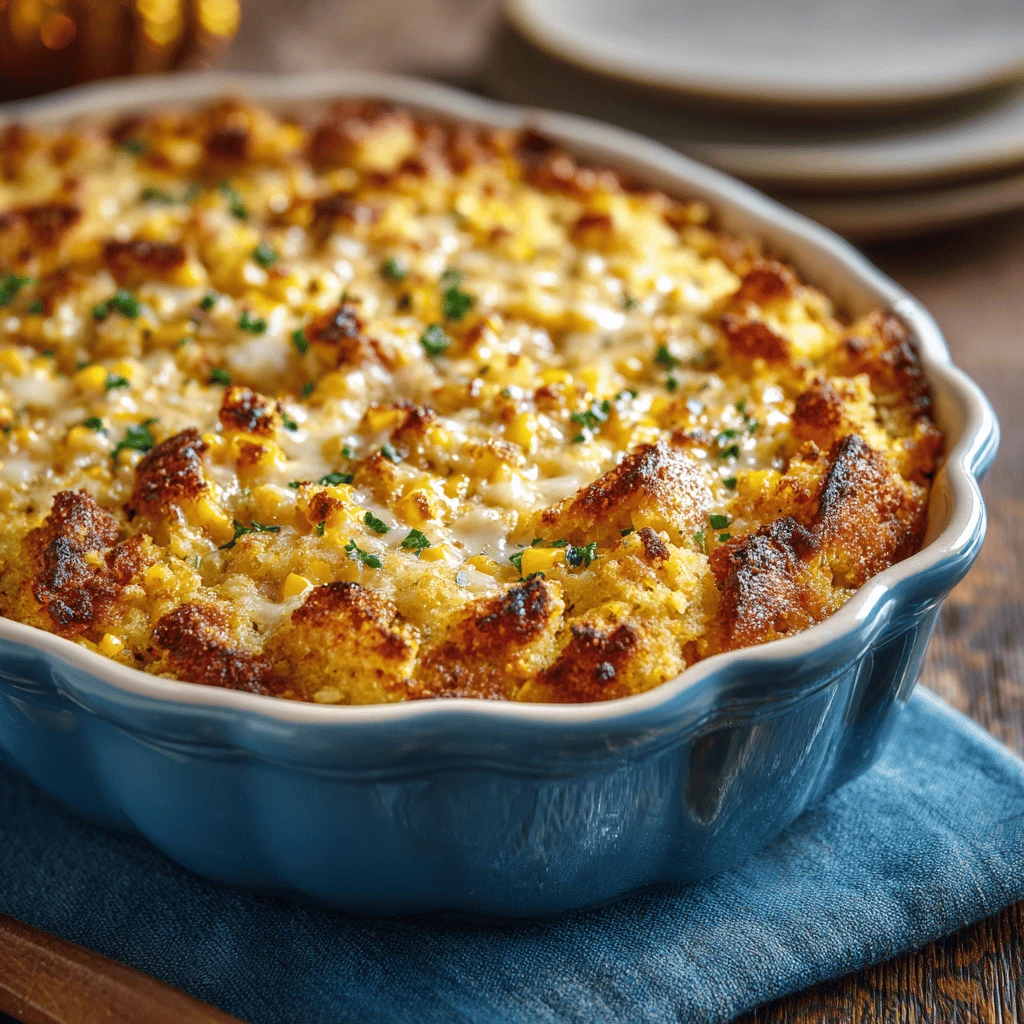
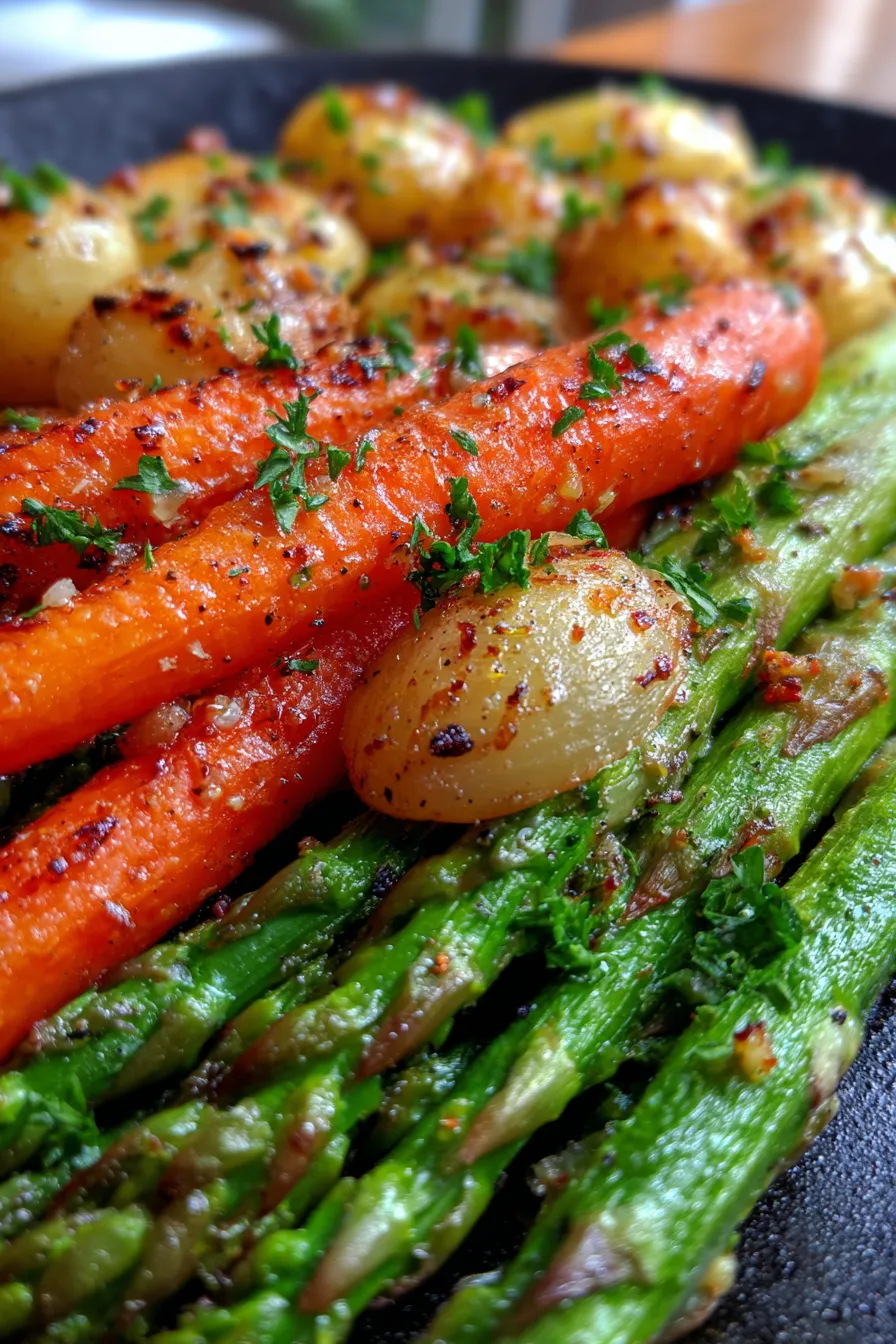
Serve the turkey with your favorite Thanksgiving side dishes, such as stuffing, mashed potatoes, gravy, cranberry sauce, and green bean casserole. A selection of wines that pair well with turkey includes Pinot Noir, Chardonnay, and Riesling.
Troubleshooting Common Turkey Roasting Issues
Even with careful preparation, occasional issues can arise during the turkey roasting process. Here’s how to tackle some common problems:
Dry Turkey
Prevention is key. Brining, proper cooking temperature, and basting all help to keep the turkey moist. If the turkey is already dry, serving it with plenty of gravy can help. You can also try shredding the remaining turkey and mixing it with broth or gravy for a delicious turkey salad or pot pie.
Uneven Cooking
Uneven cooking is often caused by improper thawing or an oven that isn’t heating evenly. Make sure the turkey is fully thawed before roasting. You can also use an oven thermometer to check the accuracy of your oven’s temperature. Tenting the breast with foil can help to prevent it from overcooking while the thighs finish cooking.
Skin Not Crispy
Patting the turkey dry before seasoning is crucial for crispy skin. Roasting at a slightly higher temperature during the last 30 minutes can also help to crisp up the skin.
Overcooked Turkey
Unfortunately, there is no way to completely reverse an overcooked turkey. However, you can still salvage it by shredding the meat and using it in dishes like turkey pot pie or turkey sandwiches.
Frequently Asked Questions (FAQs)
- How long does it take to thaw a turkey?
Allow approximately 24 hours of thawing time for every 5 pounds of turkey in the refrigerator.
- Do I need to brine my turkey?
Brining is optional, but highly recommended for a moist and flavorful turkey.
- What temperature should my turkey be cooked to?
The turkey should reach an internal temperature of 165°F (74°C) in the thickest part of the thigh.
- How long should I rest my turkey before carving?
Allow the turkey to rest for at least 20-30 minutes before carving.
- Can I cook stuffing inside the turkey?
While convenient, cooking stuffing inside the turkey can increase the risk of foodborne illness. It's safer to cook the stuffing separately.