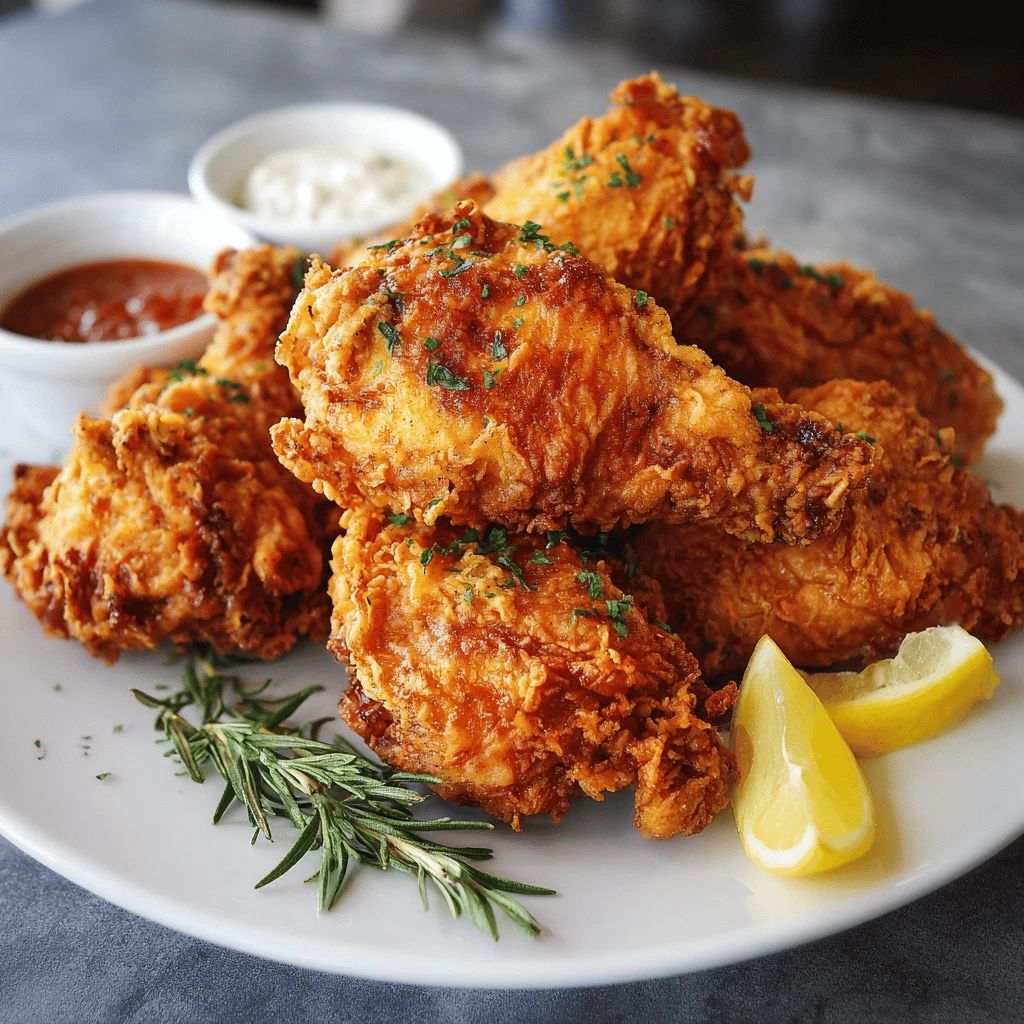
Classic Southern Fried Chicken Fried chicken, a cornerstone of Southern cuisine, evokes images of family gatherings, church potlucks, and comforting home-cooked meals. Achieving that perfectly crispy, golden-brown exterior while maintaining juicy, flavorful meat is a culinary art form passed down through generations. This article delves into the essential techniques and secrets to creating classic Southern…
Classic Southern Fried Chicken
Fried chicken, a cornerstone of Southern cuisine, evokes images of family gatherings, church potlucks, and comforting home-cooked meals. Achieving that perfectly crispy, golden-brown exterior while maintaining juicy, flavorful meat is a culinary art form passed down through generations. This article delves into the essential techniques and secrets to creating classic Southern fried chicken that will impress your family and friends.
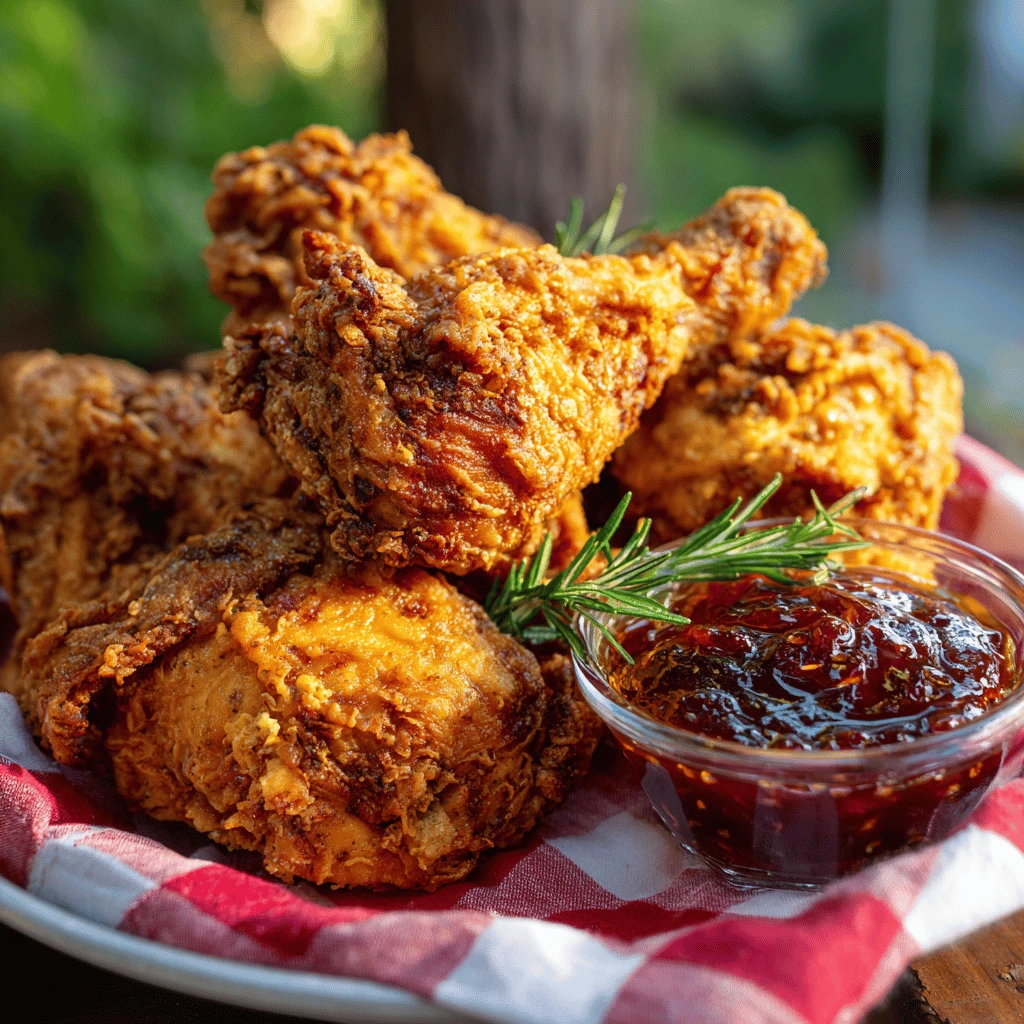
The Essentials: Ingredients and Preparation
The quality of your fried chicken begins with selecting the right ingredients. Starting with high-quality chicken is paramount. Opt for a whole chicken, cut into individual pieces: breasts, thighs, drumsticks, and wings. While you can purchase pre-cut chicken, cutting it yourself allows for more even cooking.
Brining or Marinating: The Key to Flavor and Moisture
Before you even think about dredging, consider brining or marinating your chicken. A brine, typically composed of water, salt, and sugar, will infuse the chicken with moisture and flavor. A marinade, on the other hand, uses acidic ingredients like buttermilk or lemon juice to tenderize the meat.
- Brining: Submerge the chicken in a brine for at least 4 hours, or ideally overnight. This will result in incredibly juicy chicken.
- Buttermilk Marinade: Buttermilk not only tenderizes the chicken but also helps the breading adhere better. Soak the chicken in buttermilk for at least 2 hours, or overnight for maximum effect. Add spices like garlic powder, onion powder, paprika, and black pepper to the buttermilk for an extra layer of flavor.
Preparing the Chicken
Once the chicken has brined or marinated, remove it from the liquid and pat it dry with paper towels. This crucial step ensures that the breading will adhere properly and that the chicken will brown evenly.
The Perfect Breading: Achieving that Crispy Crust
The breading is what gives fried chicken its signature crispy texture. A simple breading typically consists of flour, salt, pepper, and other seasonings. However, there are several variations you can experiment with to achieve your desired level of crispiness and flavor.
Flour Power: Types of Flour and Seasonings
All-purpose flour is a reliable choice for breading. However, some cooks prefer using self-rising flour for a slightly lighter and airier crust. You can also add cornstarch to the flour mixture for extra crispiness.
- Seasonings: Don’t be shy with the seasonings! In addition to salt and pepper, consider adding garlic powder, onion powder, paprika, cayenne pepper (for a little heat), and dried herbs like thyme or oregano.
- Double Dredging: For an extra-thick and crispy crust, try double dredging the chicken. Dip the chicken in the flour mixture, then back into the buttermilk (or a beaten egg), and then back into the flour mixture again.
The Dredging Process
The dredging process is just as important as the ingredients. Work in batches to avoid overcrowding the breading station.
1. Place the flour mixture in a shallow dish or a large zip-top bag.
2. Dredge each piece of chicken in the flour, ensuring that it is completely coated.
3. Shake off any excess flour.
4. If double dredging, dip the chicken in the buttermilk (or beaten egg) and then dredge it in the flour mixture again.
The Art of Frying: Temperature, Technique, and Safety
Frying chicken is a delicate balance of temperature control and timing. Maintaining the proper oil temperature is crucial for ensuring that the chicken cooks evenly and doesn’t become greasy.
Choosing the Right Oil and Temperature
Peanut oil is a popular choice for frying chicken due to its high smoke point and neutral flavor. However, other oils with high smoke points, such as canola oil, vegetable oil, or shortening, can also be used.
- Temperature: The ideal oil temperature for frying chicken is between 325°F and 350°F (160°C and 175°C). Use a deep-fry thermometer to monitor the temperature and adjust the heat as needed.
Frying Techniques: Maintaining Crispy Perfection
There are several frying techniques you can use, including deep frying, pan frying, and oven frying. Deep frying involves submerging the chicken completely in hot oil, while pan frying involves cooking the chicken in a skillet with a shallower layer of oil. Oven frying is a healthier alternative that uses less oil.
- Deep Frying: Heat the oil in a large, heavy-bottomed pot or deep fryer. Carefully add the chicken pieces to the hot oil, ensuring that they are not overcrowded. Fry the chicken for 6-8 minutes per side, or until it is golden brown and cooked through.
- Pan Frying: Heat the oil in a large skillet over medium-high heat. Add the chicken pieces to the skillet, skin-side down. Fry the chicken for 6-8 minutes per side, or until it is golden brown and cooked through.
- Oven Frying: Preheat the oven to 400°F (200°C). Place the breaded chicken pieces on a baking sheet lined with parchment paper. Drizzle the chicken with oil and bake for 30-40 minutes, or until it is golden brown and cooked through.
Safety First: Tips for Avoiding Accidents
Frying with hot oil can be dangerous, so it’s important to take precautions to prevent accidents.
- Never leave hot oil unattended.
- Use a splatter screen to prevent oil from splattering.
- Keep a fire extinguisher nearby.
- If the oil catches fire, do not pour water on it. Instead, cover the pot with a lid or use a fire extinguisher.
Achieving Perfection: Doneness and Resting
Knowing when the chicken is cooked through is crucial for avoiding undercooked or overcooked chicken. Use a meat thermometer to check the internal temperature of the chicken. The thickest part of the thigh should reach 165°F (74°C).
Resting the Chicken: Locking in Juiciness
Once the chicken is cooked through, remove it from the oil and place it on a wire rack to drain. This allows excess oil to drip off and helps the chicken stay crispy. Let the chicken rest for 5-10 minutes before serving. This allows the juices to redistribute, resulting in more tender and flavorful meat.
Serving Suggestions: Complementing the Main Course
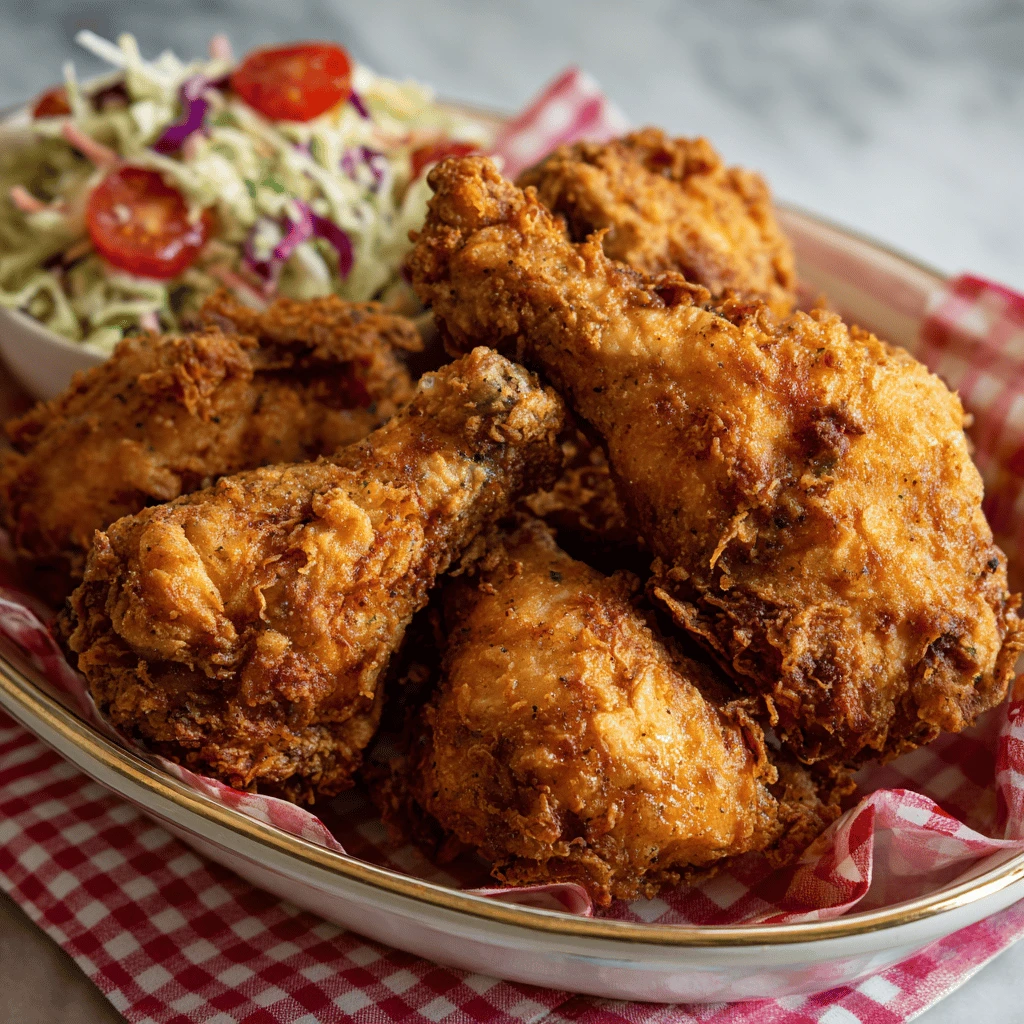
Classic Southern fried chicken is often served with a variety of sides, such as mashed potatoes, gravy, coleslaw, collard greens, macaroni and cheese, and biscuits. Consider offering a selection of these sides to create a complete and satisfying meal.
Troubleshooting: Common Fried Chicken Problems and Solutions
Even experienced cooks can encounter problems when frying chicken. Here are some common issues and their solutions:
- Chicken is greasy: This is often caused by frying the chicken at too low of a temperature. Make sure the oil is hot enough before adding the chicken. Also, avoid overcrowding the pot, as this will lower the oil temperature.
- Crust is not crispy: This can be caused by not drying the chicken thoroughly before breading it, or by using too much oil. Pat the chicken dry with paper towels before breading it and make sure to drain the chicken on a wire rack after frying.
- Chicken is overcooked: Use a meat thermometer to check the internal temperature of the chicken. Remove the chicken from the oil when it reaches 165°F (74°C).
- Chicken is undercooked: Ensure that the oil temperature is consistent and that the chicken is cooked for the appropriate amount of time. Use a meat thermometer to check the internal temperature of the chicken. If the chicken is browning too quickly, lower the heat.
Frequently Asked Questions (FAQ)
Why is my fried chicken not crispy?
Several factors can contribute to this: insufficient oil temperature, overcrowding the pan, not drying the chicken thoroughly before breading, or using the wrong type of flour. Ensure your oil is at a consistent 325-350°F, fry in batches, pat the chicken dry, and consider adding cornstarch to your flour mixture.
How do I keep fried chicken crispy after cooking?
Place the fried chicken on a wire rack in a warm oven (around 200°F). This allows air to circulate around the chicken, preventing it from becoming soggy. Avoid stacking the chicken, as this will trap moisture.
What is the best oil for frying chicken?
Peanut oil is often recommended due to its high smoke point and neutral flavor. However, canola oil, vegetable oil, and shortening are also suitable options. Choose an oil with a high smoke point to prevent it from burning and imparting a bad taste to the chicken.
Do you soak chicken in buttermilk before frying?
Yes, soaking chicken in buttermilk is a common practice in Southern fried chicken recipes. Buttermilk tenderizes the chicken, adds flavor, and helps the breading adhere better. Marinate the chicken in buttermilk for at least 2 hours, or preferably overnight.
How do you keep fried chicken from getting soggy?
Drain the chicken on a wire rack after frying to allow excess oil to drip off. Avoid stacking the chicken, as this will trap moisture. If you’re not serving the chicken immediately, keep it warm in a low oven on a wire rack.