Creamy Pumpkin Pie: A Thanksgiving Special Pumpkin pie is a Thanksgiving staple, a dessert synonymous with autumnal flavors and warm family gatherings. But this year, elevate your pie game with a creamy twist that will have everyone clamoring for seconds. This guide will walk you through creating the ultimate creamy pumpkin pie, covering everything from…
Creamy Pumpkin Pie: A Thanksgiving Special
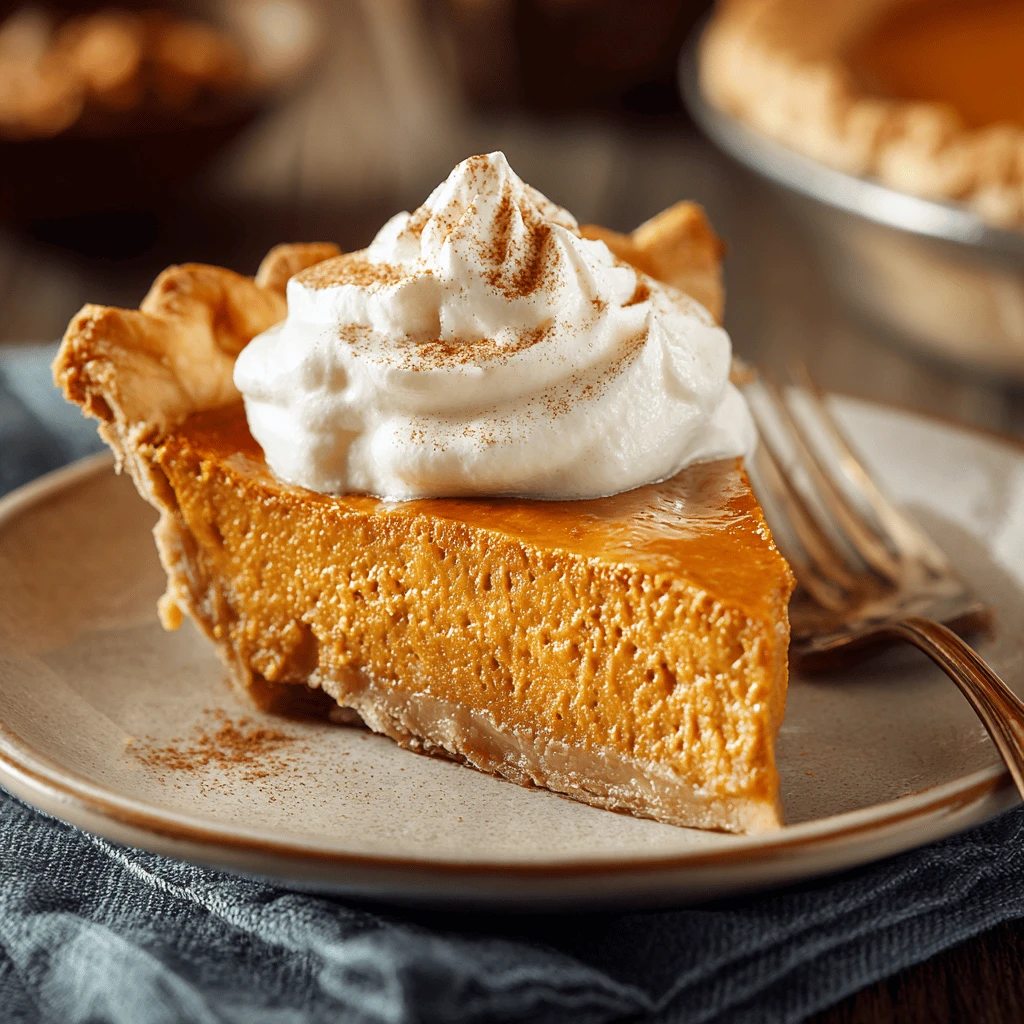
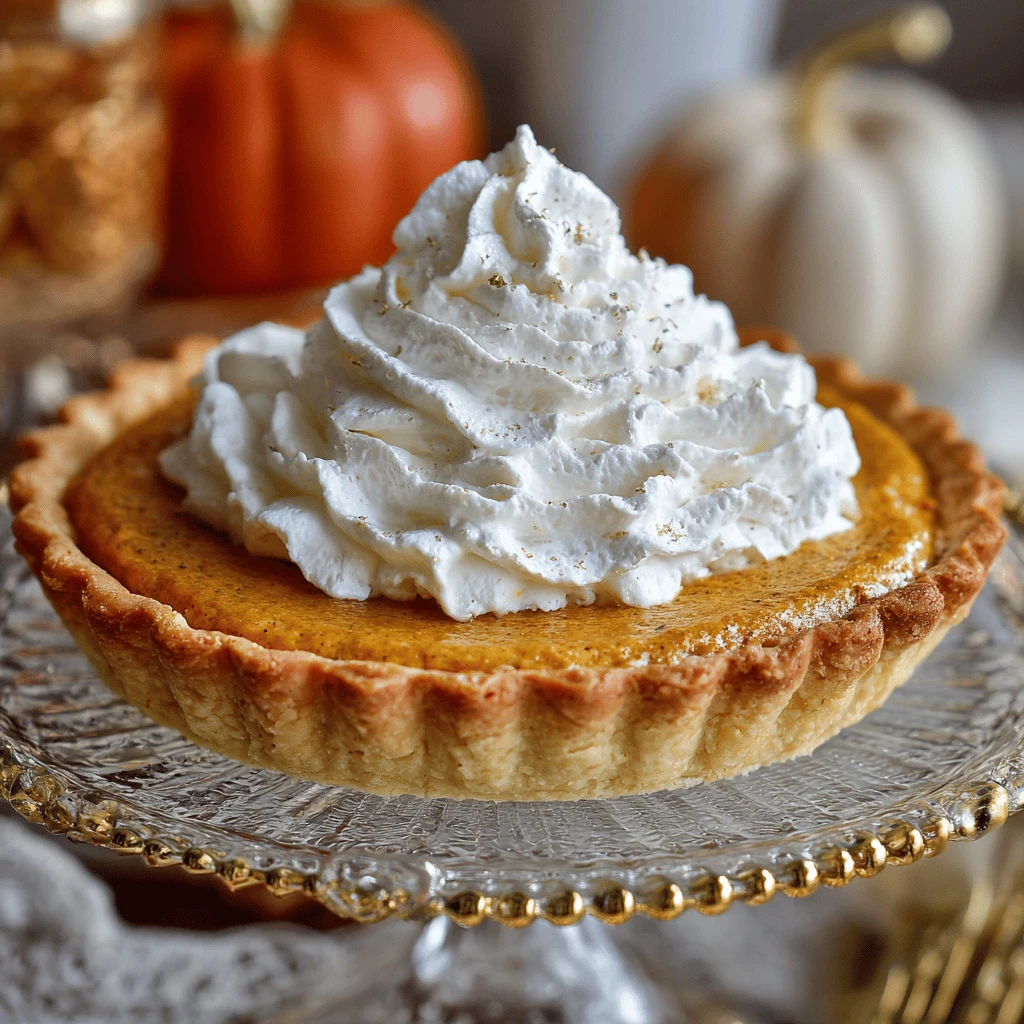
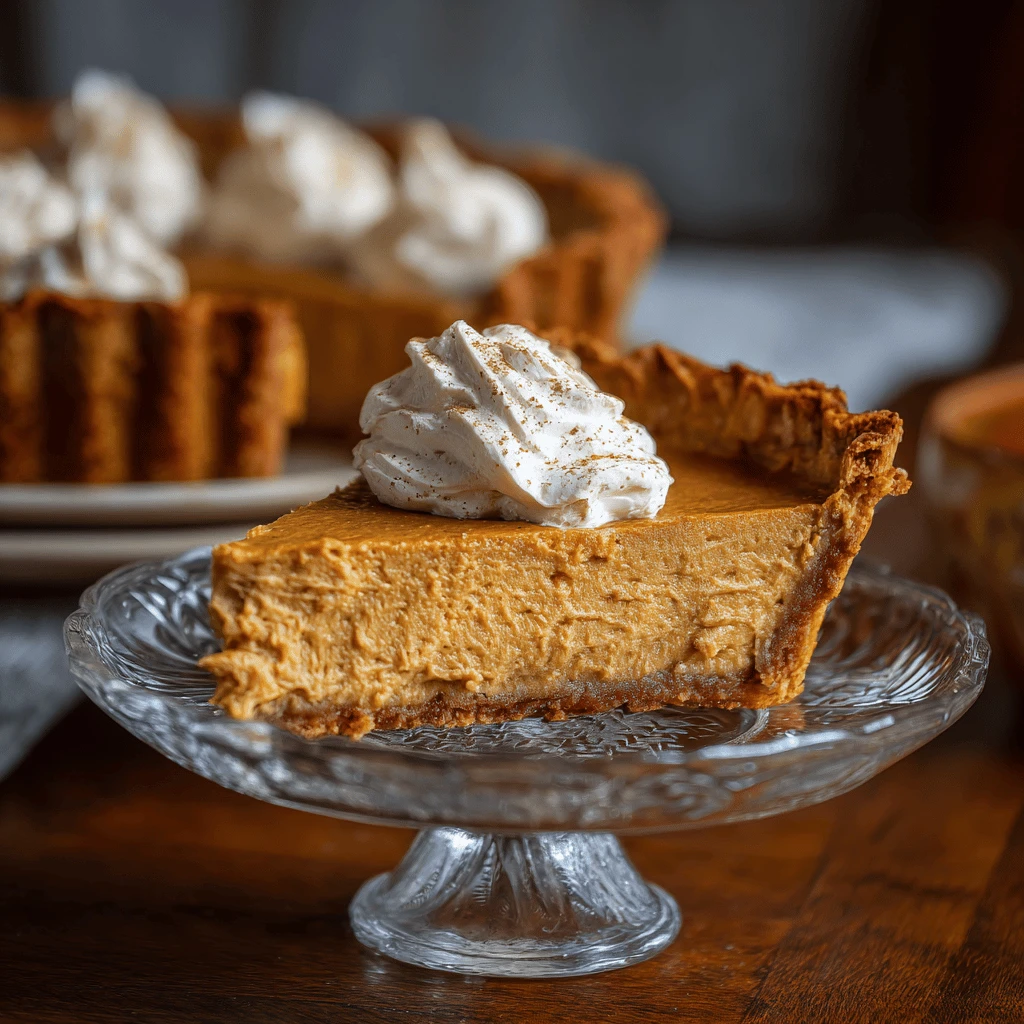
Pumpkin pie is a Thanksgiving staple, a dessert synonymous with autumnal flavors and warm family gatherings. But this year, elevate your pie game with a creamy twist that will have everyone clamoring for seconds. This guide will walk you through creating the ultimate creamy pumpkin pie, covering everything from ingredient selection to baking tips, ensuring a show-stopping centerpiece for your Thanksgiving feast.
The Secret to Creamy Perfection: Ingredients and Preparation
The foundation of any great pumpkin pie is, of course, the pumpkin itself. While canned pumpkin puree is a convenient option, freshly roasted pumpkin adds a depth of flavor that’s hard to beat. If opting for fresh, sugar pumpkins (also known as pie pumpkins) are the ideal choice. Simply halve them, scoop out the seeds, and roast them cut-side down until tender. The flesh can then be easily scooped out and pureed.
The key to creamy texture lies in the dairy. We’re not just talking about evaporated milk here. A combination of heavy cream and cream cheese (or even sour cream for a tangy kick) creates a luxuriously smooth filling. The ratios are important – too much cream cheese and the pie can become dense; too little, and the creaminess is lost.
Beyond pumpkin and dairy, the spice blend is crucial. Cinnamon, ginger, nutmeg, and cloves are the classic quartet, but feel free to experiment with cardamom or allspice for a unique twist. Freshly grated spices will always deliver a more vibrant flavor than pre-ground versions. A touch of vanilla extract rounds out the flavor profile, adding a hint of sweetness and warmth.
Finally, the crust. Whether you opt for a homemade pastry crust or a store-bought one, ensure it’s blind-baked before adding the filling to prevent a soggy bottom. Blind baking involves pre-baking the crust with pie weights (or dried beans) to help it maintain its shape.
Choosing Your Pumpkin: Fresh vs. Canned
The debate between fresh and canned pumpkin rages on, and the truth is, both have their merits. Fresh pumpkin, as mentioned, offers superior flavor, but requires more time and effort. Canned pumpkin puree is convenient and readily available. Be sure to select pure pumpkin puree, not pumpkin pie filling, which already contains spices and sugar. If using canned, consider roasting it briefly in the oven to deepen its flavor.
The Role of Cream Cheese (or Sour Cream)
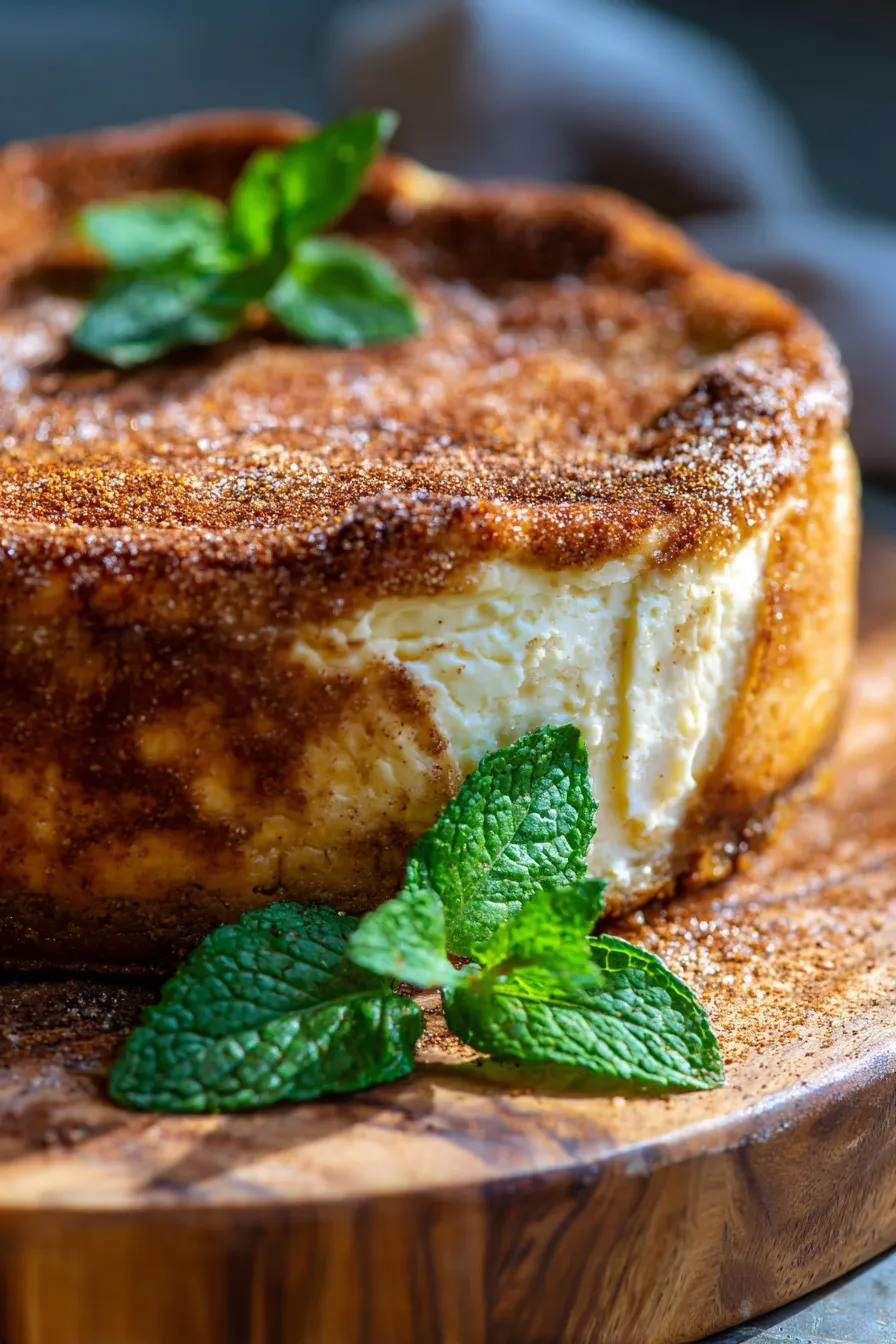
Cream cheese adds a wonderful tang and richness to the filling, contributing significantly to the creamy texture. It also helps stabilize the pie, preventing it from cracking. Soften the cream cheese completely before adding it to the other ingredients to ensure a smooth, lump-free batter.
Sour cream is an excellent substitute for cream cheese, offering a similar tang with a slightly lighter texture. It also tends to be less expensive. If using sour cream, opt for full-fat variety for the best results.
Spices: The Soul of Pumpkin Pie
Don’t underestimate the power of spices! They’re what transform a simple pumpkin filling into a warm, inviting dessert. Adjust the quantities to your liking, but remember that a balance is key. Too much of one spice can overpower the others. Toasting whole spices before grinding them will further enhance their flavor.
Mastering the Crust: From Dough to Blind Baking
A flaky, buttery crust is the perfect complement to creamy pumpkin filling. While homemade crust is undoubtedly the best, a good quality store-bought crust can work in a pinch.
Homemade vs. Store-Bought: The Crust Decision
Making your own pie crust allows for complete control over ingredients and flavor. It’s also surprisingly easy with a few simple techniques. A basic pie crust recipe typically consists of flour, butter, salt, and ice water. The key is to keep the butter cold and avoid overworking the dough.
If time is short, a store-bought crust is a perfectly acceptable option. Look for brands that use real butter and have a good reputation. Avoid overly processed crusts with artificial flavors.
The Blind Baking Process: Preventing a Soggy Bottom
Blind baking is essential for preventing a soggy crust, especially with a moist filling like pumpkin pie. To blind bake, line the pie crust with parchment paper or aluminum foil and fill it with pie weights (or dried beans). Bake for 15-20 minutes, then remove the weights and bake for another 5-10 minutes, or until the crust is lightly golden brown. This will ensure a crisp, sturdy base for the filling. You can optionally brush the crust with egg wash after removing the weights to seal it further.
Troubleshooting Common Crust Problems
- Shrinking: This is often caused by overworking the dough or using too much water. Allow the dough to rest in the refrigerator before rolling it out.
- Toughness: Overworking the dough or using too much flour can lead to a tough crust. Be gentle and use only enough flour to prevent sticking.
- Cracking: This can happen if the dough is too dry or if the oven is too hot. Add a little more water to the dough or lower the oven temperature.
The Baking Process: Achieving the Perfect Set
Baking pumpkin pie is a delicate balance. You want the filling to be set but still have a slight wobble in the center. Overbaking will result in a cracked and dry pie.
Oven Temperature and Baking Time: Finding the Sweet Spot
The ideal oven temperature for baking pumpkin pie is typically around 350°F (175°C). This allows the filling to bake evenly without browning too quickly. Baking time will vary depending on the size of the pie and your oven, but it usually takes between 50-60 minutes.
Recognizing Doneness: The Jiggle Test
The best way to determine if a pumpkin pie is done is to perform the jiggle test. Gently shake the pie. The edges should be set, but the center should still have a slight wobble. It will continue to set as it cools.
Preventing Cracks: Tips and Tricks
Cracking is a common problem with pumpkin pie, but it can be prevented with a few simple techniques:
- Bake at a lower temperature: As mentioned above, a lower temperature allows the filling to bake more evenly and reduces the risk of cracking.
- Don’t overbake: Overbaking is the most common cause of cracking.
- Cool slowly: Once the pie is done, turn off the oven and crack the door slightly. Let the pie cool in the oven for about an hour before transferring it to the refrigerator.
- Water Bath: Baking the pie in a water bath creates a moist environment which helps prevent cracking and ensures even baking.
Serving and Storing Your Creamy Masterpiece
Once your creamy pumpkin pie is baked to perfection, it’s time to serve and enjoy! But before you dig in, consider these tips for serving and storing your pie.
Serving Suggestions: Toppings and Accompaniments
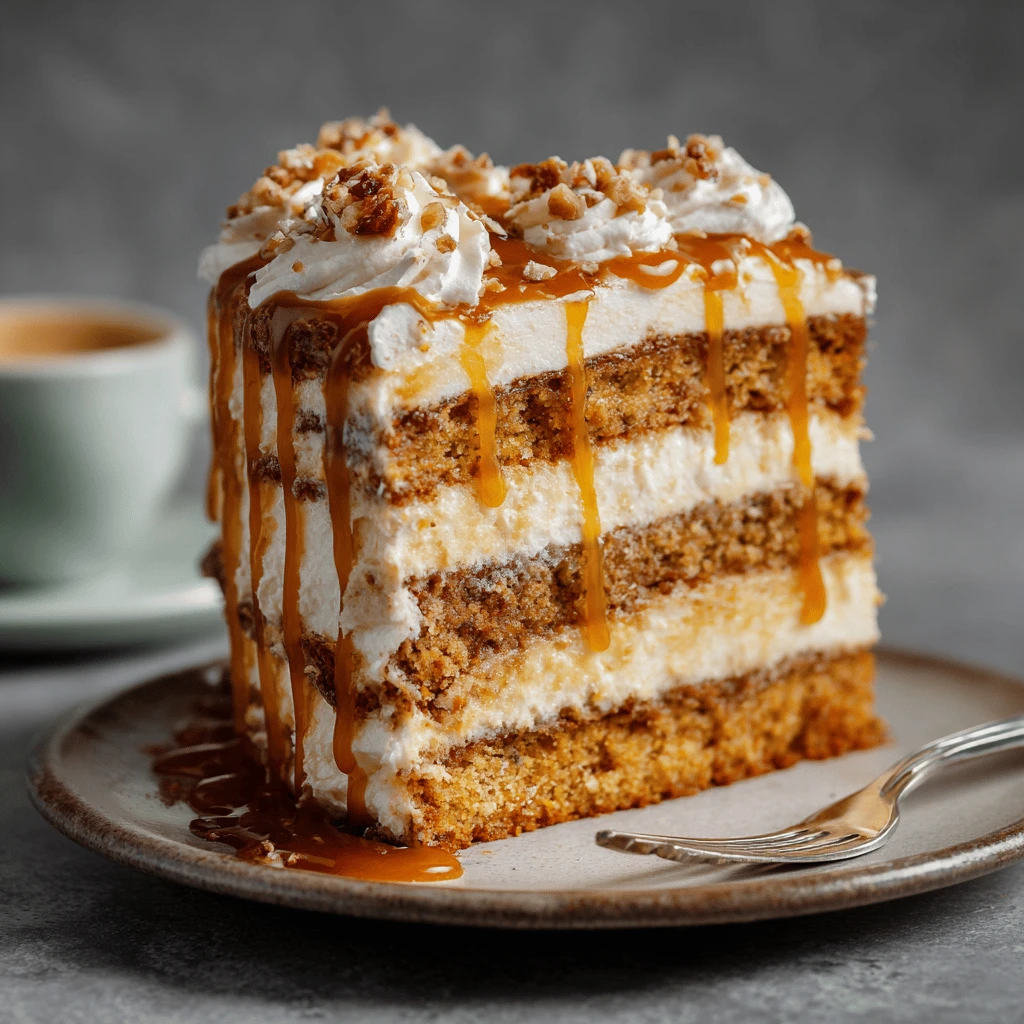
Pumpkin pie is delicious on its own, but it’s even better with the right toppings and accompaniments. Whipped cream is a classic choice, but you can also try vanilla ice cream, caramel sauce, or a sprinkle of toasted pecans.
Storage Guidelines: Keeping Your Pie Fresh
Pumpkin pie can be stored in the refrigerator for up to 3-4 days. Cover it loosely with plastic wrap or aluminum foil to prevent it from drying out. You can also freeze pumpkin pie for up to 2-3 months. Wrap it tightly in plastic wrap and then in foil. Thaw it in the refrigerator overnight before serving.
Reheating: Restoring the Creamy Texture
While pumpkin pie is best served cold or at room temperature, you can reheat it if desired. Warm slices in a low oven (around 300°F or 150°C) for a few minutes, or microwave them briefly. Be careful not to overheat, as this can dry out the filling.
Variations and Creative Twists on Creamy Pumpkin Pie
Once you’ve mastered the basic creamy pumpkin pie, feel free to experiment with different variations and creative twists. Here are a few ideas to get you started:
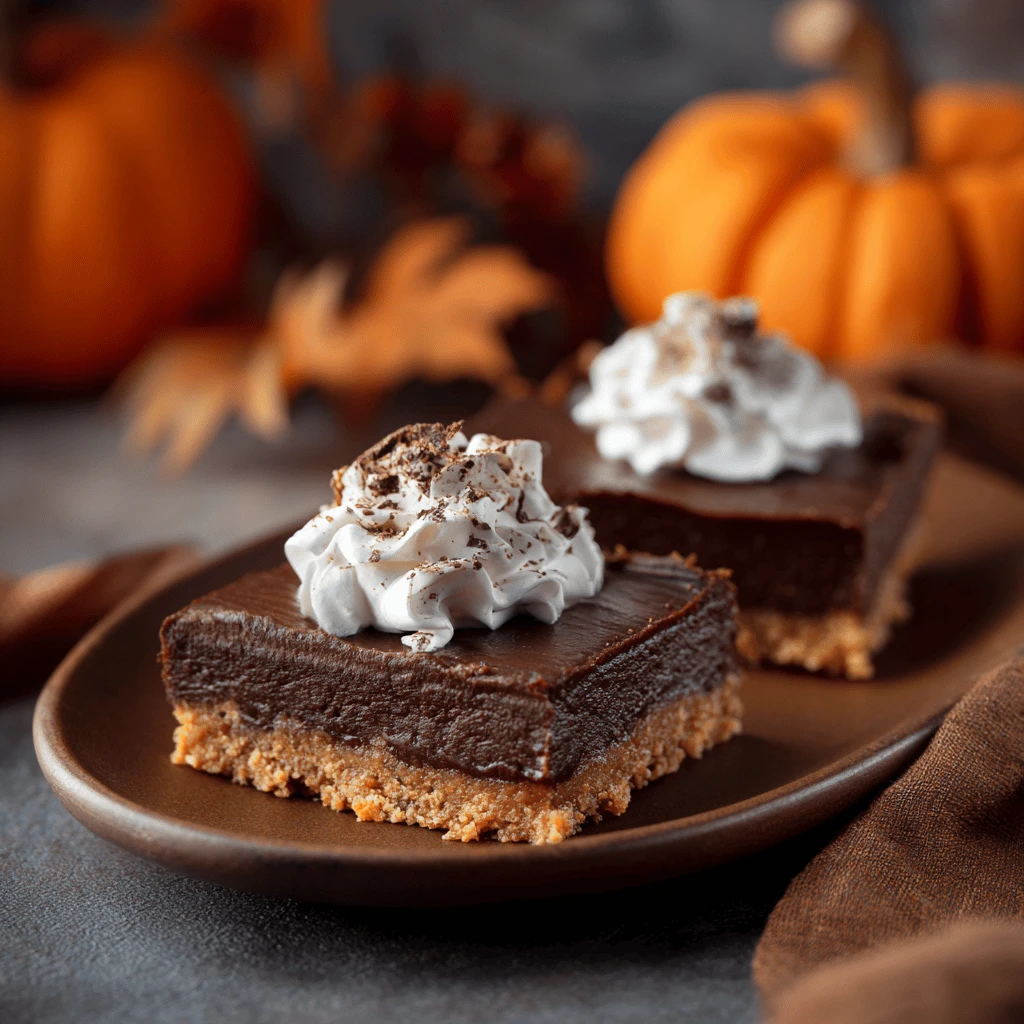
Chocolate Pumpkin Pie: A Decadent Indulgence
Add melted chocolate to the pumpkin filling for a rich and decadent twist. Dark chocolate pairs particularly well with pumpkin spice.
Maple Pumpkin Pie: Sweetened with Nature’s Syrup
Substitute maple syrup for some of the sugar in the filling for a more complex and nuanced sweetness.
Spiced Pecan Crust: A Nutty Delight
Incorporate chopped pecans and spices into the pie crust for added flavor and texture.
Bourbon Pumpkin Pie: An Adult Upgrade
Add a splash of bourbon to the filling for a warm and boozy kick.
Gingersnap Crust Pumpkin Pie: Add some bite.
Use gingersnap cookies to create a wonderful flavored crust for the pumpkin pie.
Frequently Asked Questions (FAQ)
Why is my pumpkin pie watery?
This can be caused by several factors, including using too much liquid in the filling, not baking the pie long enough, or not allowing it to cool properly. Make sure to measure your ingredients accurately, bake the pie until the center is set but still slightly wobbly, and let it cool completely before slicing.
How do you keep pumpkin pie from cracking?
To prevent cracks, bake the pie at a lower temperature (350°F or 175°C), don’t overbake it, cool it slowly (by turning off the oven and cracking the door), and consider baking it in a water bath.
Can you freeze pumpkin pie?
Yes, pumpkin pie freezes well. Wrap it tightly in plastic wrap and then in foil. Thaw it in the refrigerator overnight before serving.
Should pumpkin pie be refrigerated?
Yes, pumpkin pie should be refrigerated after baking to prevent bacterial growth.
How long does pumpkin pie last?
Pumpkin pie can be stored in the refrigerator for up to 3-4 days.