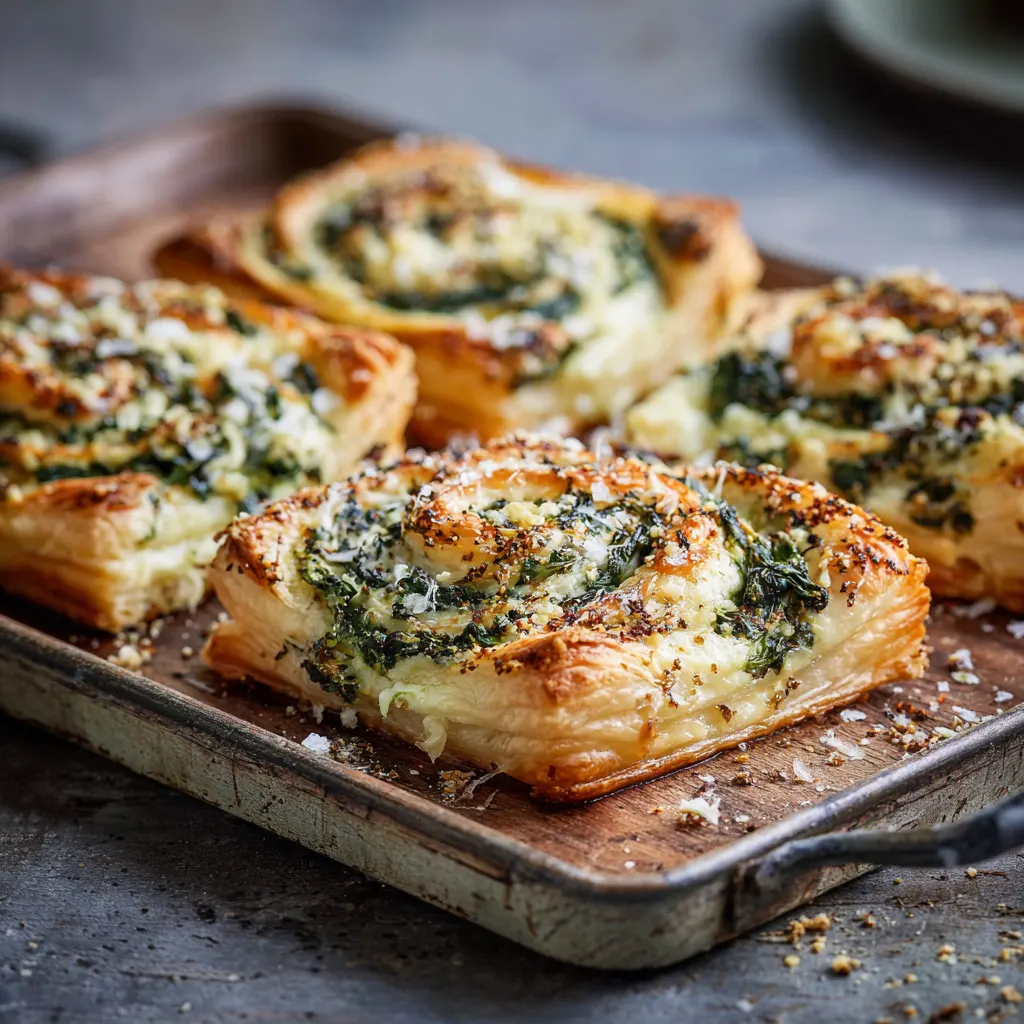
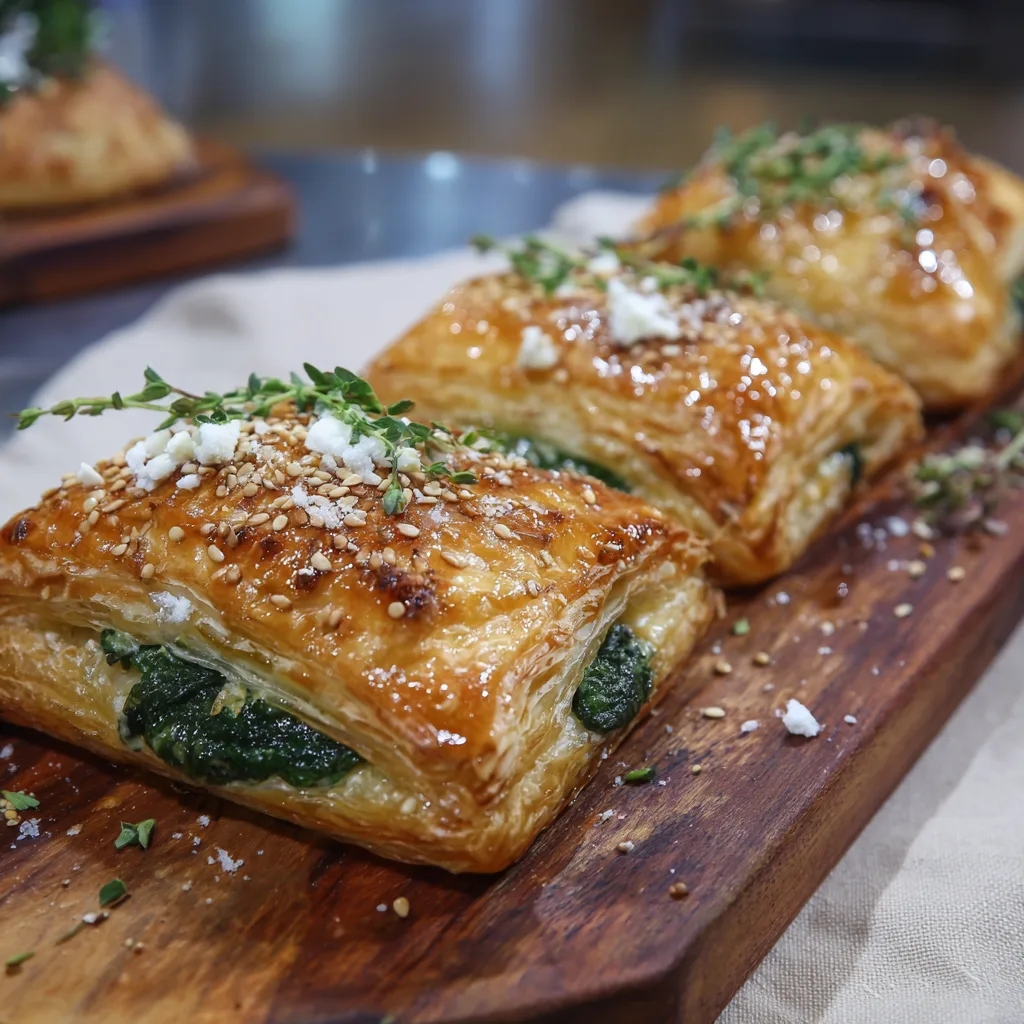
Spinach and Ricotta Puff Pastry is the quintessential appetizer, snack, or light lunch that balances elegance with ease. Its universal appeal lies in the contrast between the buttery, golden layers of flaky pastry and the rich, savory filling of creamy ricotta and vibrant spinach. Whether you are prepping for a large gathering, seeking a simple…
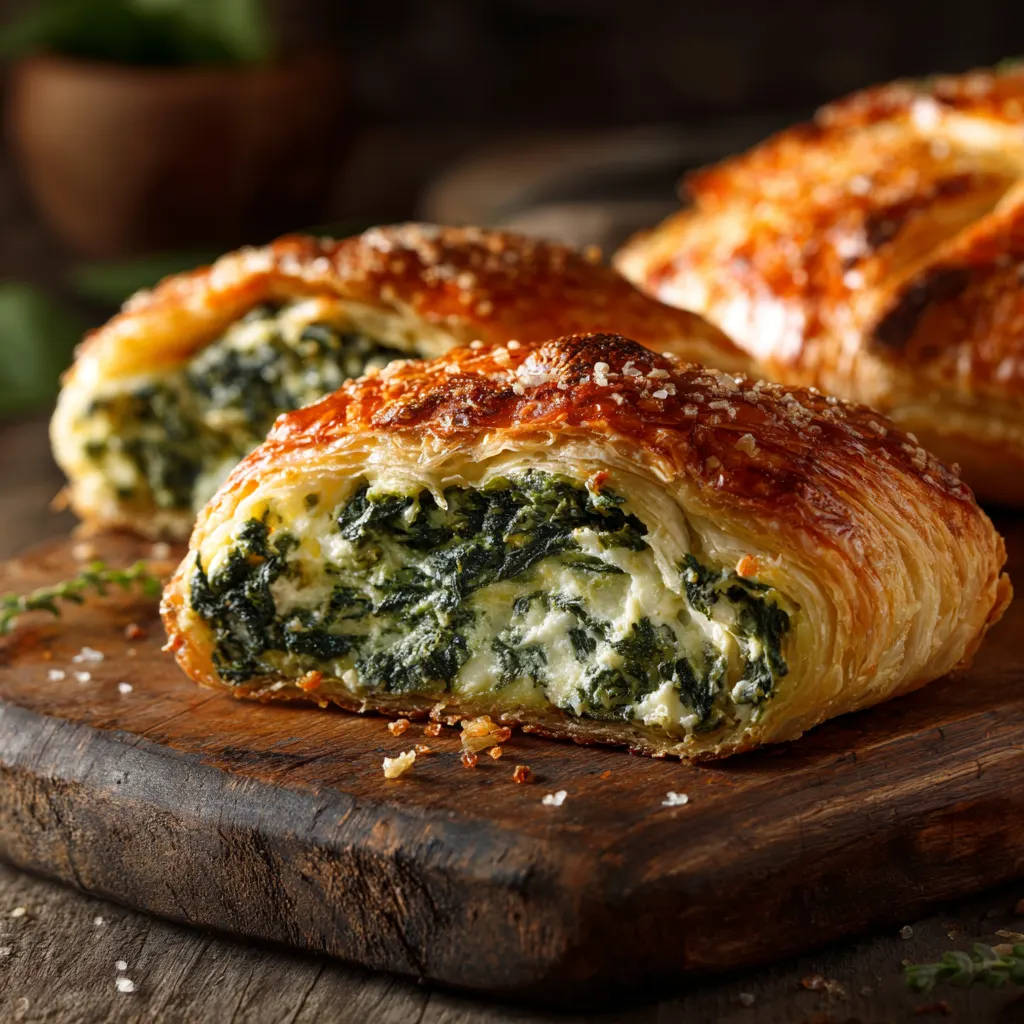
Spinach and Ricotta Puff Pastry is the quintessential appetizer, snack, or light lunch that balances elegance with ease. Its universal appeal lies in the contrast between the buttery, golden layers of flaky pastry and the rich, savory filling of creamy ricotta and vibrant spinach. Whether you are prepping for a large gathering, seeking a simple weekend baking project, or looking for an optimized make-ahead meal component, this classic dish is reliably delicious and simple to customize. Achieving perfect, non-soggy results hinges on a few crucial steps, which we detail below in our essential recipe guide, followed by expert tips for mastering the technique, exploring creative variations, and planning your preparation in advance.
Essential Recipe: Spinach and Ricotta Pinwheels
This recipe focuses on the versatile and popular pinwheel shape, perfect for appetizers.
Ingredients
-
1 sheet (approx. 14 oz / 397g) frozen puff pastry, thawed (ensure it is cold but pliable)
-
10 oz (280g) frozen chopped spinach, thawed
-
1 ½ cups (375g) whole milk ricotta cheese
-
½ cup (50g) freshly grated Parmesan cheese
-
½ cup (50g) shredded Mozzarella or Gruyère cheese (optional, for extra melt)
-
1 large clove garlic, minced
-
½ teaspoon ground nutmeg
-
½ teaspoon onion powder (optional, for depth)
-
1 teaspoon Kosher salt, or to taste
-
½ teaspoon freshly ground black pepper
-
1 large egg, lightly beaten (for egg wash)
-
1 tablespoon water (to thin the egg wash)
-
Sesame seeds or poppy seeds (optional, for topping)
Step-by-Step Instructions
-
Prepare the Spinach: Thaw the frozen spinach completely. Place the thawed spinach in a clean kitchen towel, cheesecloth, or a fine-mesh sieve. Crucially, squeeze out as much moisture as possible. Twist the cloth tightly until no more liquid drips out. Finely chop the remaining dry spinach and place it in a large mixing bowl.
-
Drain the Ricotta: If your ricotta seems watery, place it in a fine-mesh sieve lined with paper towels for 10-15 minutes or gently press it with a paper towel to absorb excess liquid. Add the drained ricotta to the bowl with the spinach.
-
Make the Filling: Add the Parmesan, Mozzarella (if using), minced garlic, nutmeg, onion powder, salt, and black pepper to the spinach and ricotta mixture. Stir all ingredients thoroughly until they are uniformly combined. Taste and adjust seasoning as necessary.
-
Prep the Pastry: Lightly flour a work surface and gently unfold the thawed puff pastry sheet. Roll the pastry out slightly, ensuring it is a consistent rectangle, roughly 1/8 to 1/4 inch thick.
-
Spread and Roll: Spread the spinach and cheese mixture evenly across the entire surface of the puff pastry, leaving a 1/2-inch border bare on the two longest sides. Starting from one of the long edges, tightly roll the pastry into a neat, firm log. Pinch the seam gently to seal it shut.
-
Chill (Crucial Step): Wrap the pastry log tightly in plastic wrap and refrigerate for at least 30 minutes, or up to 24 hours. Chilling firms the pastry and the filling, making the log much easier to slice without flattening the layers.
-
Slice and Arrange: Preheat your oven to 400°F (200°C). Line a large baking sheet with parchment paper. Using a very sharp knife (a serrated knife works well), cut the chilled log into 1-inch thick slices, creating the pinwheel shape. Place the pinwheels cut-side up on the prepared baking sheet, leaving about 1 to 2 inches of space between each piece.
-
Egg Wash and Bake: Whisk the egg and water together to create an egg wash. Lightly brush the tops of the pinwheels with the egg wash for a deep golden finish. Sprinkle with sesame or poppy seeds, if desired.
-
Bake: Bake for 18 to 25 minutes, or until the pastry is beautifully puffed up, deep golden brown, and cooked through. Serve warm or at room temperature.
Mastering the Filling: The Critical Role of Moisture Control
The difference between a perfect, towering puff and a flat, soggy disappointment almost always comes down to managing moisture in the filling. Puff pastry relies on high heat turning the water content in the dough to steam, which forces the delicate layers apart. If the filling is too wet, it acts as a suppressant, steam-baking the underside of the pastry and preventing it from fully rising.
Techniques for Maximum Dryness
The two main culprits for excess moisture are spinach and ricotta. Dedicated effort in this area guarantees success:
-
Draining the Spinach: Whether you use fresh or frozen spinach, the process is the same: cook (blanch fresh, thaw frozen) and then squeeze. A cheesecloth offers the most efficient way to drain: place the spinach in the center, gather the corners, and twist with all your strength over a sink or bowl. If using paper towels, divide the spinach into smaller batches and squeeze repeatedly until the paper towels come away damp but not soaked.
-
Draining the Ricotta: Standard supermarket ricotta often contains excess liquid. To remove it, spoon the ricotta into a fine-mesh sieve lined with paper towels or a coffee filter, set it over a bowl, cover, and let it drain in the refrigerator for at least 30 minutes, or even overnight. This slightly drier, firmer ricotta will bind better and prevent leaching during baking.
Flavor Boosters for the Perfect Blend
While the basic recipe is delicious, incorporating secondary cheeses and aromatics deepens the complexity of the filling:
-
Cheese Variation: Using a sharp, melting cheese alongside Parmesan, such as Gruyère, sharp white Cheddar, or Provolone, adds a fantastic savory depth. For a Mediterranean twist, crumble in Feta cheese (just be mindful of its saltiness).
-
Aromatics: Freshly minced garlic is preferable to garlic powder. Sautéing the garlic and onions gently before mixing them into the filling (and ensuring they cool completely) adds a warm, savory foundation.
-
Spice and Herb Accents: A generous pinch of freshly grated nutmeg is traditional and essential, complementing the spinach beautifully. For a subtle kick, add a dash of red pepper flakes or a few pinches of dried Italian herbs like oregano or basil.
Creative Shapes and Serving Formats
One of the great joys of working with puff pastry is its adaptability. You can transform the standard roll into several unique shapes suitable for different occasions, from formal appetizers to casual entrees.
Regardless of the shape, always ensure the edges are sealed tightly, especially for parcels and rolls, to prevent the rich, molten filling from escaping during the rapid rise of the pastry.
Prepare Ahead and Freezing Strategies
The ability to prepare these savory pastries in advance is a major advantage for entertaining or meal prepping, making them a true culinary shortcut.
Preparing and Chilling Raw Pastries
The best method for making this dish ahead of time is to assemble the rolls without baking:
-
Filling: The spinach and ricotta filling can be mixed up to 48 hours in advance and stored in an airtight container in the refrigerator.
-
Uncut Log: After spreading the filling and rolling the pastry into a log (Step 5 of the main recipe), wrap it tightly in plastic wrap. The log can be stored in the refrigerator for up to 24 hours. This allows the filling to fully set and the puff pastry to stay cold, ensuring a perfect slice the next day.
-
Cut Pieces: If you slice the pinwheels ahead of time, arrange them on a parchment-lined tray, cover loosely with plastic wrap, and refrigerate for up to 12 hours. The goal is to keep the pastry cold right up until it enters the oven.
Freezing for Future Use
These pastries freeze exceptionally well, whether baked or unbaked. Freezing them raw offers the freshest, flakiest result.
-
Freezing Raw Pinwheels: Follow the recipe through the slicing stage (Step 7), but skip the egg wash. Place the cut pinwheels on a parchment-lined baking sheet, ensuring they don’t touch, and flash freeze them for 2-3 hours until solid. Once solid, transfer them to a freezer-safe bag or container. They can be stored for up to 3 months.
-
To Bake from Frozen: Do not thaw. Place the frozen pinwheels on a prepared baking sheet, brush with egg wash, and bake at 400°F (200°C). Add approximately 5-10 minutes to the original baking time (25-30 minutes total).
-
-
Freezing Cooked Pastries: Bake the pinwheels completely, then allow them to cool fully. Freeze them in a single layer before transferring to an airtight container.
-
Reheating: Reheat in a preheated oven at 350°F (175°C) for 10-15 minutes until warmed through and the pastry is re-crisped. Avoid microwaving, which will make the pastry soggy.
-
Serving Suggestions and Wine Pairings
Spinach and Ricotta Puff Pastry can easily anchor a menu, serving various roles depending on the accompanying dishes.
Culinary Roles
-
Appetizer/Snack: The pinwheels or small parcels are ideal served slightly warm as a starter or finger food. They are excellent on a charcuterie board.
-
Light Lunch: Serve 3-4 rolls alongside a vibrant green salad tossed in a light vinaigrette.
-
Side Dish: The rolls pair exceptionally well with roasted meats, particularly chicken or pork, providing a comforting, savory counterpoint to a rich main course.
Complementary Pairings
The richness of the ricotta and butter in the puff pastry works best with bright, acidic accompaniments that cut through the fat.
-
Sauces: A light, fresh, chunky tomato sauce (marinara or pomodoro) makes an excellent dipping sauce. A vibrant lemon-herb pesto or a simple drizzle of balsamic glaze can also elevate the flavor profile.
-
Salads: Serve with a simple Arugula Salad dressed with lemon juice, olive oil, and shaved Parmesan. The peppery bite of the arugula is a perfect contrast.
-
Wine Pairings: Choose a crisp, dry white wine. Sauvignon Blanc offers herbaceous notes that echo the spinach, while a dry Pinot Grigio or Chablis provides a clean, acidic finish that balances the richness of the pastry and cheese.