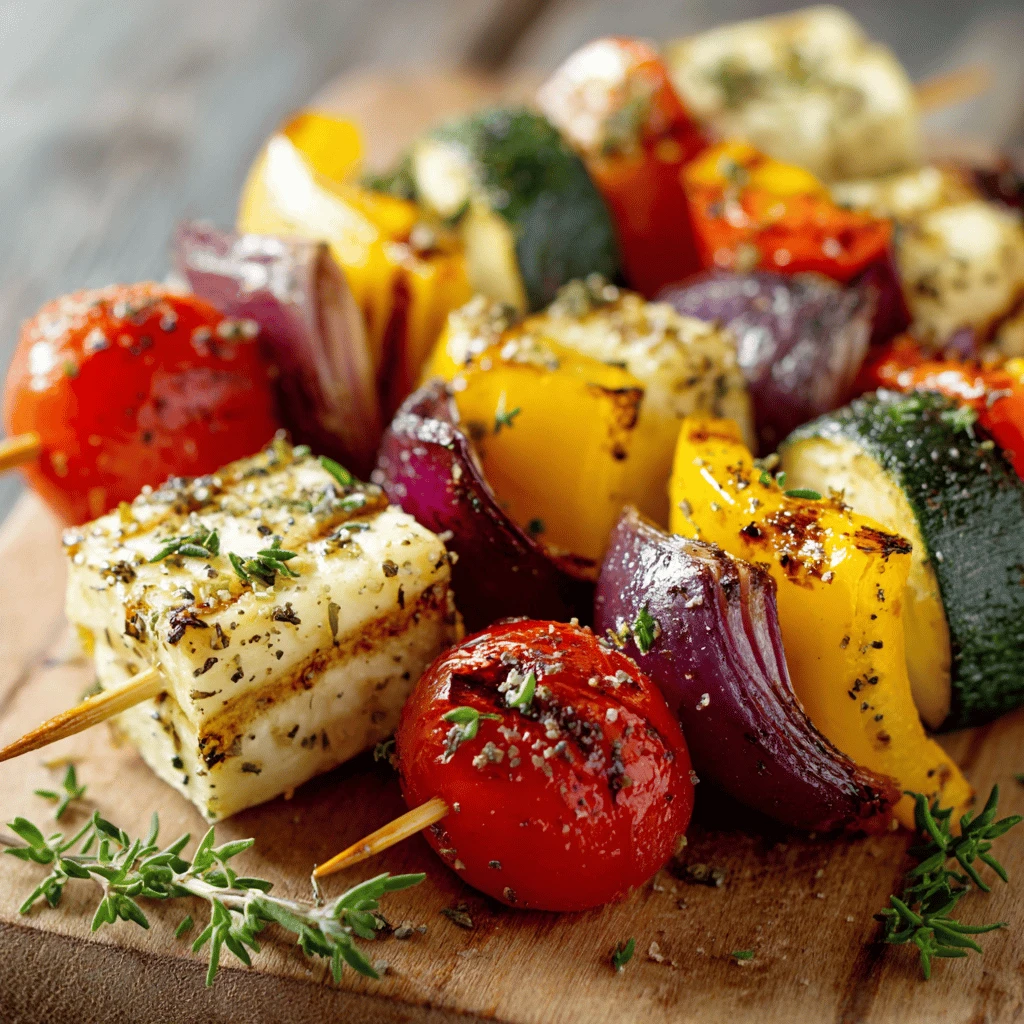
Roasted Veggie Skewers: The Perfect Healthy Snack Vegetable skewers are a fantastic way to enjoy a variety of flavors and textures in a single, convenient package. Roasting them brings out the natural sweetness of the vegetables, creating a delightful snack or side dish that’s both healthy and satisfying. Whether you’re looking for a quick bite,…
Roasted Veggie Skewers: The Perfect Healthy Snack
Vegetable skewers are a fantastic way to enjoy a variety of flavors and textures in a single, convenient package. Roasting them brings out the natural sweetness of the vegetables, creating a delightful snack or side dish that’s both healthy and satisfying. Whether you’re looking for a quick bite, a colorful addition to a party platter, or a simple way to incorporate more vegetables into your diet, roasted veggie skewers are a versatile and delicious choice. This article explores everything you need to know to create the perfect roasted vegetable skewers, from selecting your ingredients to mastering the roasting process.

Choosing the Right Vegetables for Your Skewers
The beauty of roasted veggie skewers lies in their adaptability. You can tailor the ingredients to your personal preferences and what’s seasonally available. However, some vegetables tend to roast better than others, offering a more consistent and enjoyable eating experience.
Best Vegetables for Roasting:
- Bell Peppers: Available in a rainbow of colors, bell peppers offer a slightly sweet flavor that intensifies with roasting. They also hold their shape well on skewers.
- Cherry Tomatoes: These small tomatoes burst with flavor when roasted, adding a juicy and slightly acidic element to the skewers. Be mindful of their tendency to soften, and handle them gently.
- Red Onion: Roasting mellows the sharpness of red onion, bringing out its sweetness and adding a savory depth to the skewers.
- Zucchini and Yellow Squash: These summer squashes roast quickly and evenly, providing a tender and slightly nutty flavor.
- Eggplant: Cube eggplant and toss with a bit of salt to draw out excess moisture before roasting. Roasting eggplant gives it a creamy texture and smoky flavor.
- Mushrooms: Cremini, button, or shiitake mushrooms work well on skewers. Roasting enhances their earthy flavor and creates a satisfyingly chewy texture.
- Broccoli and Cauliflower: These cruciferous vegetables benefit from a brief blanching before roasting to ensure they cook through evenly. Roasting brings out their natural sweetness.
- Potatoes and Sweet Potatoes: Cut these root vegetables into small cubes and parboil or microwave them for a few minutes before adding them to the skewers to shorten their roasting time.
Tips for Vegetable Selection:
- Choose vegetables of similar density: This will help them cook at a similar rate.
- Cut vegetables into roughly the same size pieces: Aim for consistent size to ensure even cooking. About 1-inch cubes are ideal.
- Consider the colors and textures: Mix and match different colors and textures to create visually appealing and flavorful skewers.
Mastering the Roasting Process
Roasting vegetables is a simple process, but a few key techniques can significantly improve the outcome. Achieving perfectly tender and slightly caramelized vegetables requires attention to detail.
Preparing Your Vegetables:
1. Wash and dry: Thoroughly wash and dry all vegetables before cutting.
2. Cut into uniform pieces: As mentioned earlier, aim for roughly 1-inch cubes to ensure even cooking.
3. Toss with oil and seasonings: In a large bowl, toss the cut vegetables with olive oil (or another high-heat oil) and your desired seasonings. A simple mixture of salt, pepper, garlic powder, and Italian herbs is a great starting point.
4. Soak wooden skewers (if using): If using wooden skewers, soak them in water for at least 30 minutes before threading the vegetables. This will prevent them from burning during roasting.
Roasting Techniques:
1. Preheat your oven: Preheat your oven to 400°F (200°C). A high temperature is essential for achieving that desirable caramelization.
2. Arrange the skewers: Thread the vegetables onto the skewers, alternating colors and textures for visual appeal. Do not overcrowd the skewers, as this can prevent even cooking.
3. Place on a baking sheet: Line a baking sheet with parchment paper for easy cleanup. Arrange the skewers on the prepared baking sheet, ensuring they are not touching each other.
4. Roast: Roast the skewers for 20-30 minutes, flipping them halfway through, until the vegetables are tender and slightly browned. The exact roasting time will depend on the type and size of the vegetables used.
5. Check for doneness: Pierce the vegetables with a fork to check for tenderness. They should be easily pierced without being mushy.
Tips for Perfect Roasting:
- Don’t overcrowd the baking sheet: Overcrowding will steam the vegetables instead of roasting them. Use two baking sheets if necessary.
- Rotate the baking sheet: Rotating the baking sheet halfway through roasting ensures even cooking on all sides.
- Use a high-heat oil: Olive oil, avocado oil, or grapeseed oil are all good choices for roasting vegetables.
- Season generously: Don’t be afraid to season the vegetables generously with salt, pepper, and other desired spices.
Flavor Variations and Seasoning Ideas
The possibilities for flavoring roasted veggie skewers are endless. Experimenting with different herbs, spices, and marinades can create a wide range of flavor profiles to suit your taste.
Herb and Spice Combinations:
- Mediterranean: Olive oil, lemon juice, garlic, oregano, thyme, and rosemary.
- Italian: Olive oil, balsamic vinegar, garlic, basil, oregano, and parsley.
- Spicy: Olive oil, chili powder, cumin, paprika, cayenne pepper, and garlic.
- Asian: Sesame oil, soy sauce, ginger, garlic, and red pepper flakes.
- Indian: Olive oil, turmeric, cumin, coriander, garam masala, and ginger.
Marinade Ideas:
- Honey-Balsamic: Combine balsamic vinegar, honey, olive oil, garlic, and a pinch of salt and pepper.
- Lemon-Herb: Combine lemon juice, olive oil, garlic, oregano, thyme, and rosemary.
- Teriyaki: Combine soy sauce, honey, ginger, garlic, and sesame oil.
Tips for Flavoring:
- Marinate: Marinating the vegetables for at least 30 minutes before roasting allows the flavors to penetrate deeply.
- Use fresh herbs: Fresh herbs add a vibrant flavor to roasted vegetables.
- Don’t be afraid to experiment: Try different combinations of herbs, spices, and marinades to find your favorite flavor profile.
Serving and Storing Your Roasted Veggie Skewers
Roasted veggie skewers are best served warm, but they can also be enjoyed cold. They make a great snack, side dish, or appetizer.
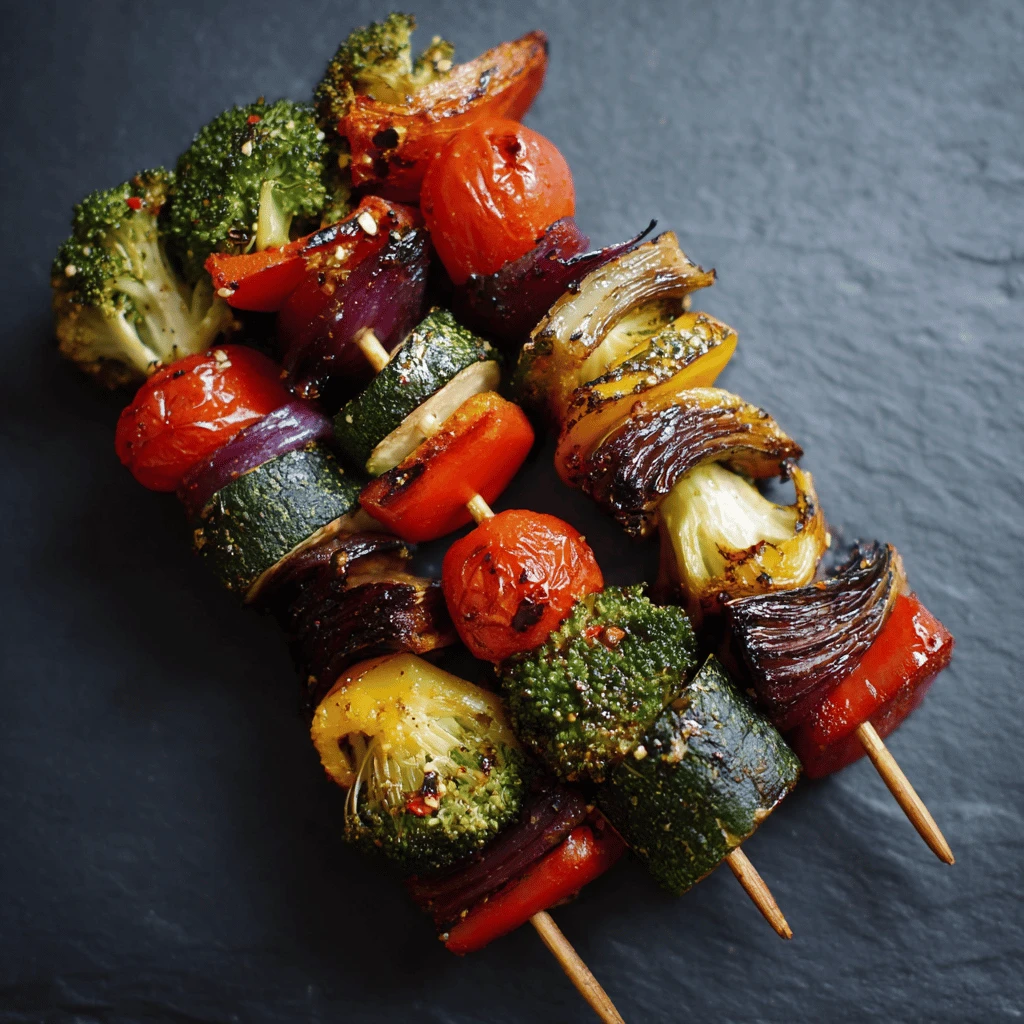
Serving Suggestions:
- As a snack: Serve the skewers as a healthy and satisfying snack.
- As a side dish: Pair the skewers with grilled chicken, fish, or tofu for a complete meal.
- As an appetizer: Serve the skewers as a colorful and flavorful appetizer at parties or gatherings.
- With dipping sauces: Offer a variety of dipping sauces, such as hummus, tzatziki, pesto, or a simple yogurt dip.
- In salads or bowls: Cut the roasted vegetables off the skewers and add them to salads or grain bowls.
Storage Instructions:
- Refrigerate: Store leftover roasted veggie skewers in an airtight container in the refrigerator for up to 3-4 days.
- Reheat: Reheat the skewers in the oven, microwave, or on the stovetop until warmed through.
Tips for Serving and Storage:
- Serve immediately: For the best flavor and texture, serve the skewers immediately after roasting.
- Don’t overcook: Overcooked vegetables will become mushy and lose their flavor.
- Store properly: Storing the skewers in an airtight container will prevent them from drying out.
FAQs About Roasted Veggie Skewers
1. Can I use frozen vegetables for roasted veggie skewers?
While fresh vegetables are ideal for roasting, you can use frozen vegetables in a pinch. Thaw them completely and pat them dry before adding them to the skewers. Keep in mind that frozen vegetables may release more moisture during roasting, so they may not get as caramelized as fresh vegetables.
2. How do I prevent my vegetables from burning on the skewers?
To prevent vegetables from burning, make sure to cut them into uniform sizes and avoid overcrowding the skewers or the baking sheet. Soaking wooden skewers in water for at least 30 minutes before use will also help prevent them from burning.
3. Can I add protein to my roasted veggie skewers?
Yes, you can definitely add protein to your roasted veggie skewers. Cubes of chicken, sausage, tofu, or halloumi cheese all work well. Adjust the roasting time accordingly, ensuring the protein is cooked through before serving.
4. What are some good dipping sauces for roasted veggie skewers?
A variety of dipping sauces pair well with roasted veggie skewers, including hummus, tzatziki, pesto, ranch dressing, and various yogurt-based dips. Consider the flavor profile of your skewers when choosing a dipping sauce.
5. How can I make vegan roasted veggie skewers?
To make vegan roasted veggie skewers, simply omit any non-vegan ingredients, such as cheese or honey in marinades. Most vegetables are naturally vegan, and you can use plant-based oils and seasonings to create delicious and satisfying skewers.