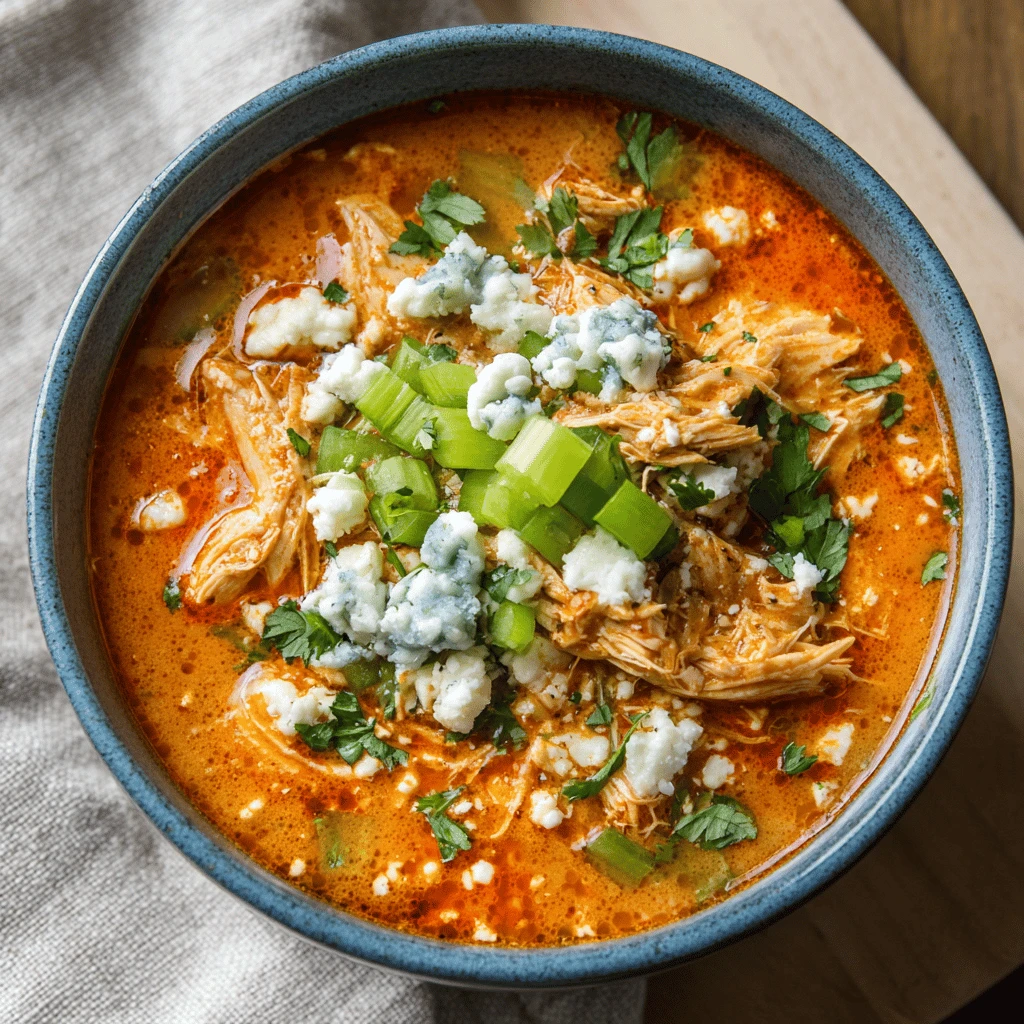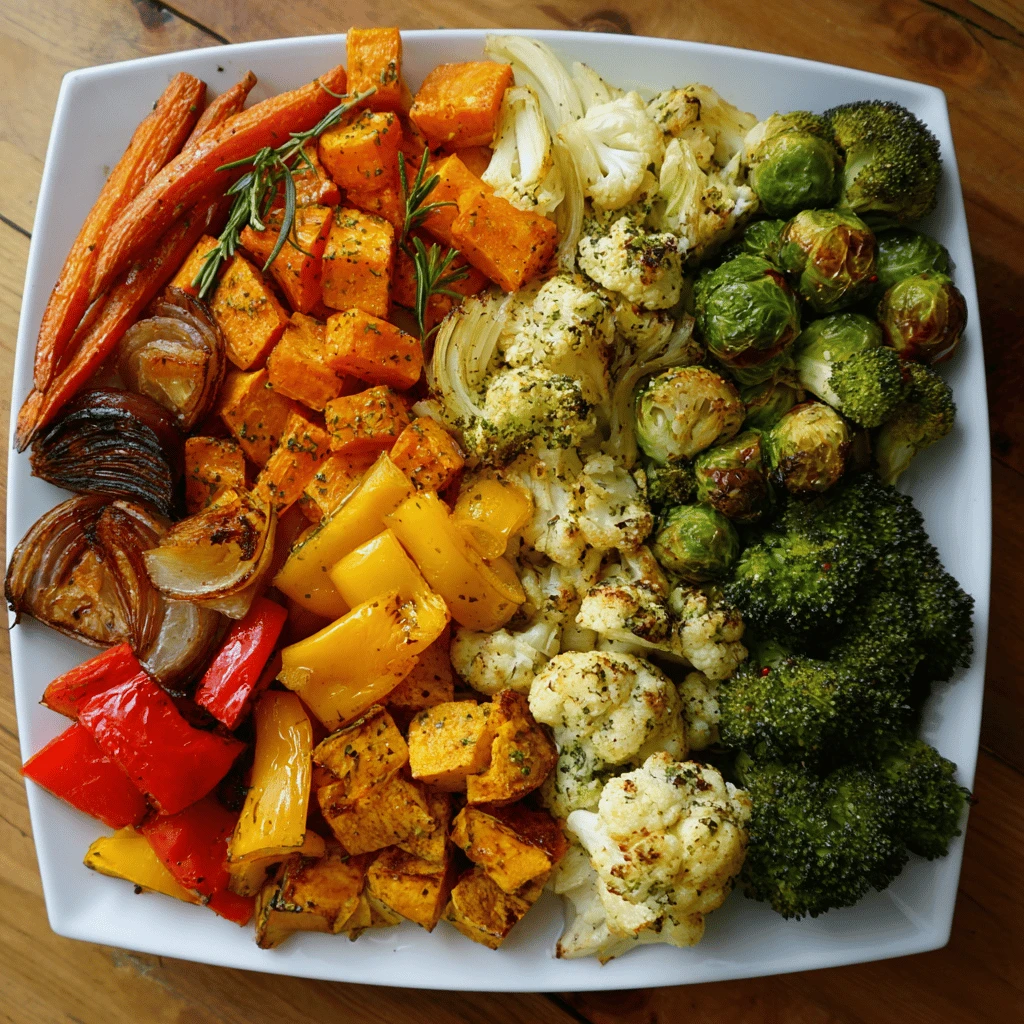
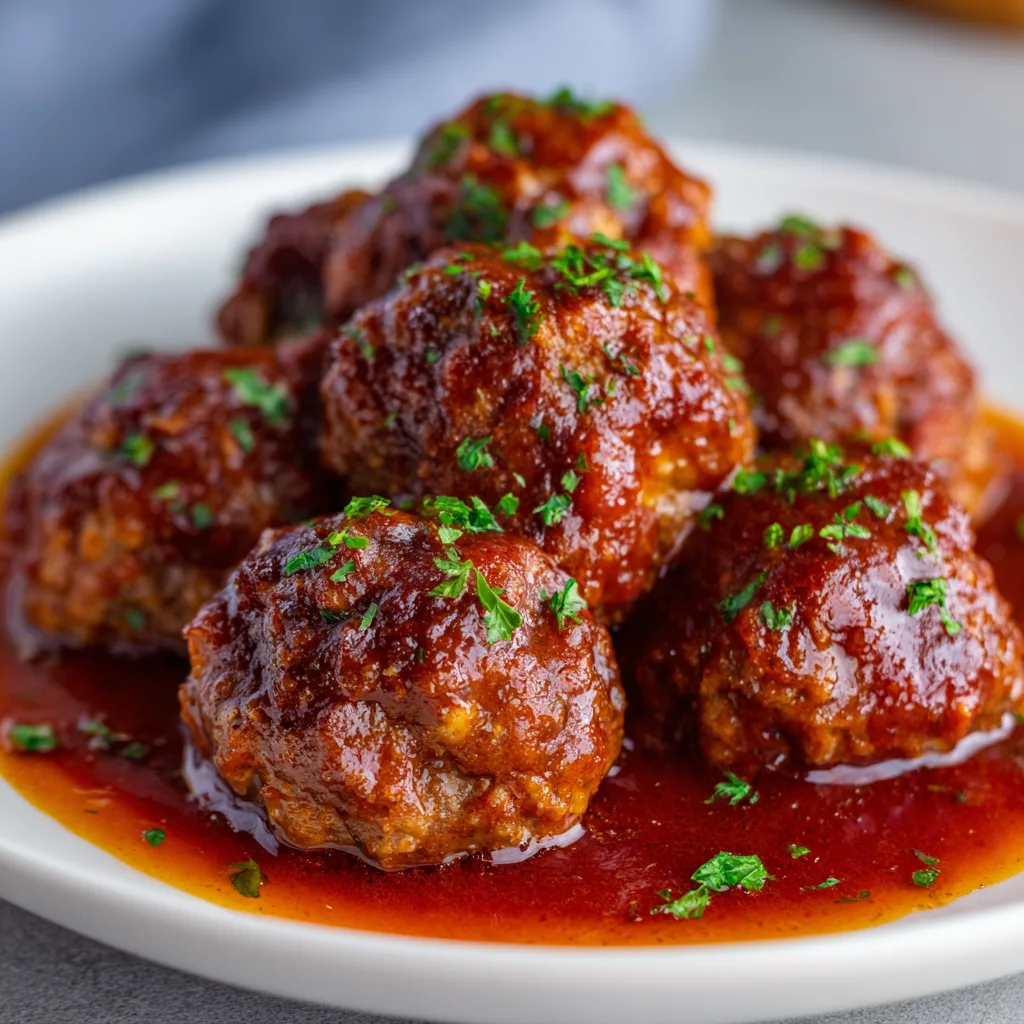
There is perhaps no more universally beloved comfort food than tender, juicy meatballs simmered low and slow in a rich, herby tomato sauce. This classic dish, often called spaghetti and meatballs, is a testament to simple ingredients executed perfectly. While many recipes overcomplicate the process, the secret to truly excellent meatballs lies in a light…
There is perhaps no more universally beloved comfort food than tender, juicy meatballs simmered low and slow in a rich, herby tomato sauce. This classic dish, often called spaghetti and meatballs, is a testament to simple ingredients executed perfectly. While many recipes overcomplicate the process, the secret to truly excellent meatballs lies in a light touch, the right ratio of ingredients, and the slow, deep infusion of flavor as they finish cooking in the sauce. This recipe is designed for maximum flavor with minimal effort, providing a simple yet comprehensive guide to achieving restaurant-quality results right in your home kitchen.
Ingredients
For the Meatballs:
-
1 pound (450g) ground beef (85/15 blend recommended)
-
½ cup plain breadcrumbs (or panko)
-
¼ cup whole milk or beef broth
-
¼ cup freshly grated Parmesan cheese
-
1 large egg, lightly whisked
-
2 cloves garlic, finely minced (or 1 tsp garlic powder)
-
2 tablespoons fresh parsley, finely chopped
-
1 teaspoon Italian seasoning
-
1 teaspoon kosher salt
-
½ teaspoon black pepper
-
2 tablespoons olive oil (for browning)
For the Easy Marinara Sauce:
-
1 tablespoon olive oil
-
½ cup yellow onion, finely minced
-
2 cloves garlic, minced
-
1 (28-ounce) can crushed tomatoes (high-quality recommended)
-
1 teaspoon granulated sugar (to balance acidity)
-
1 teaspoon dried oregano
-
½ teaspoon salt
-
Pinch of crushed red pepper flakes (optional)
Step-by-Step Instructions
1. Prepare the Meatball Mixture
In a small bowl, combine the breadcrumbs and milk/broth. Let stand for 5-10 minutes to create a panade, ensuring the breadcrumbs are fully soaked. In a large bowl, combine the ground beef, the soaked panade, grated Parmesan cheese, whisked egg, minced garlic, chopped parsley, Italian seasoning, salt, and pepper. Using very light hands, gently mix the ingredients until they are just combined. Avoid over-mixing, as this will lead to tough, dense meatballs.
2. Shape the Meatballs
Wet your hands slightly to prevent sticking. Scoop the mixture (a standard cookie scoop works well) and roll it into uniform balls, approximately 1 ½ inches in diameter. You should yield about 18-20 meatballs. Do not tightly pack the mixture.
3. Brown the Meatballs (Stovetop Method)
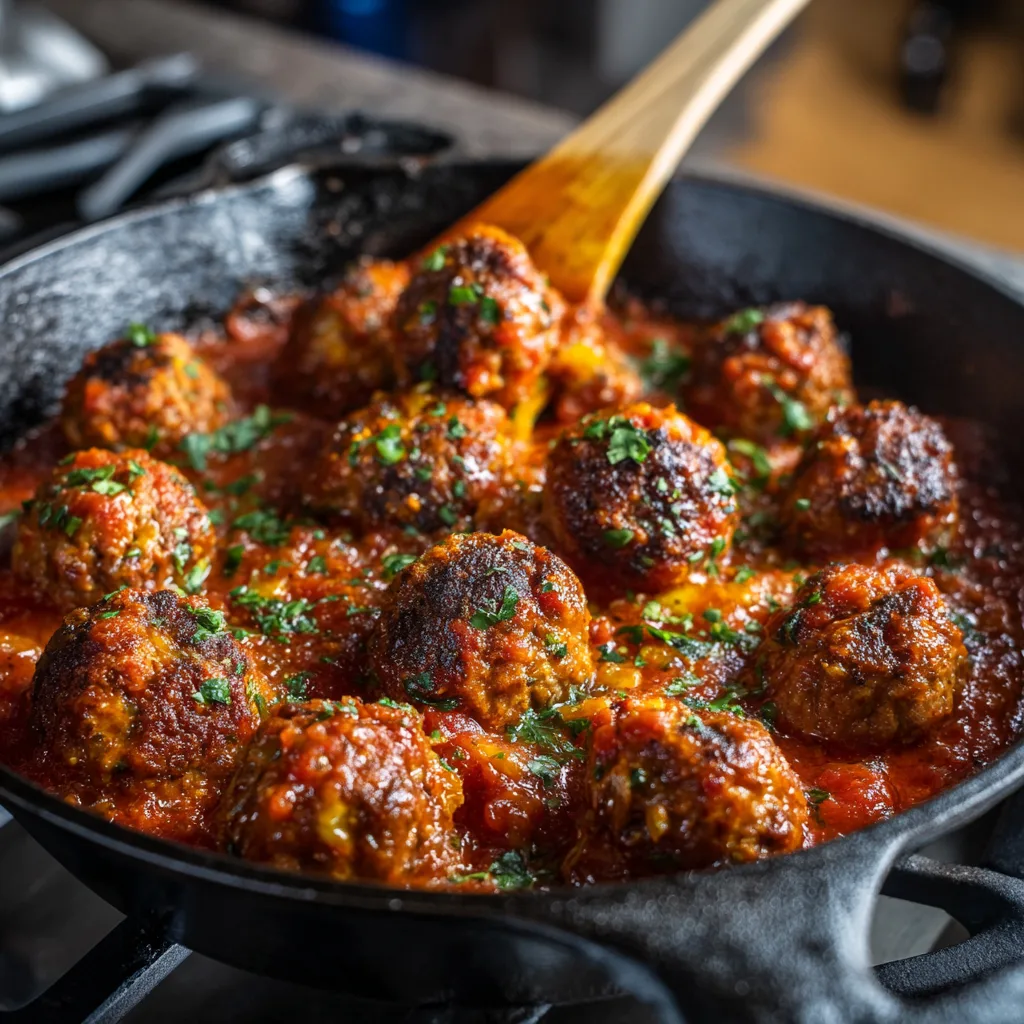
Heat 2 tablespoons of olive oil in a large, heavy-bottomed skillet or Dutch oven over medium-high heat. Place the meatballs in the pan, ensuring not to crowd them (work in batches if necessary). Brown the meatballs on all sides for 5-8 minutes total, until a deep, golden crust forms. The meatballs do not need to be cooked through at this stage. Remove the browned meatballs and set them aside on a plate, leaving the drippings in the pan.
4. Build the Sauce
Reduce the heat to medium-low. Add the minced onion to the same pan (add a splash of olive oil if needed) and sauté until softened and translucent, about 5 minutes. Add the minced garlic and sauté for 1 minute until fragrant. Pour in the crushed tomatoes. Stir in the sugar, dried oregano, salt, and red pepper flakes (if using). Bring the sauce to a gentle simmer.
5. Simmer and Finish
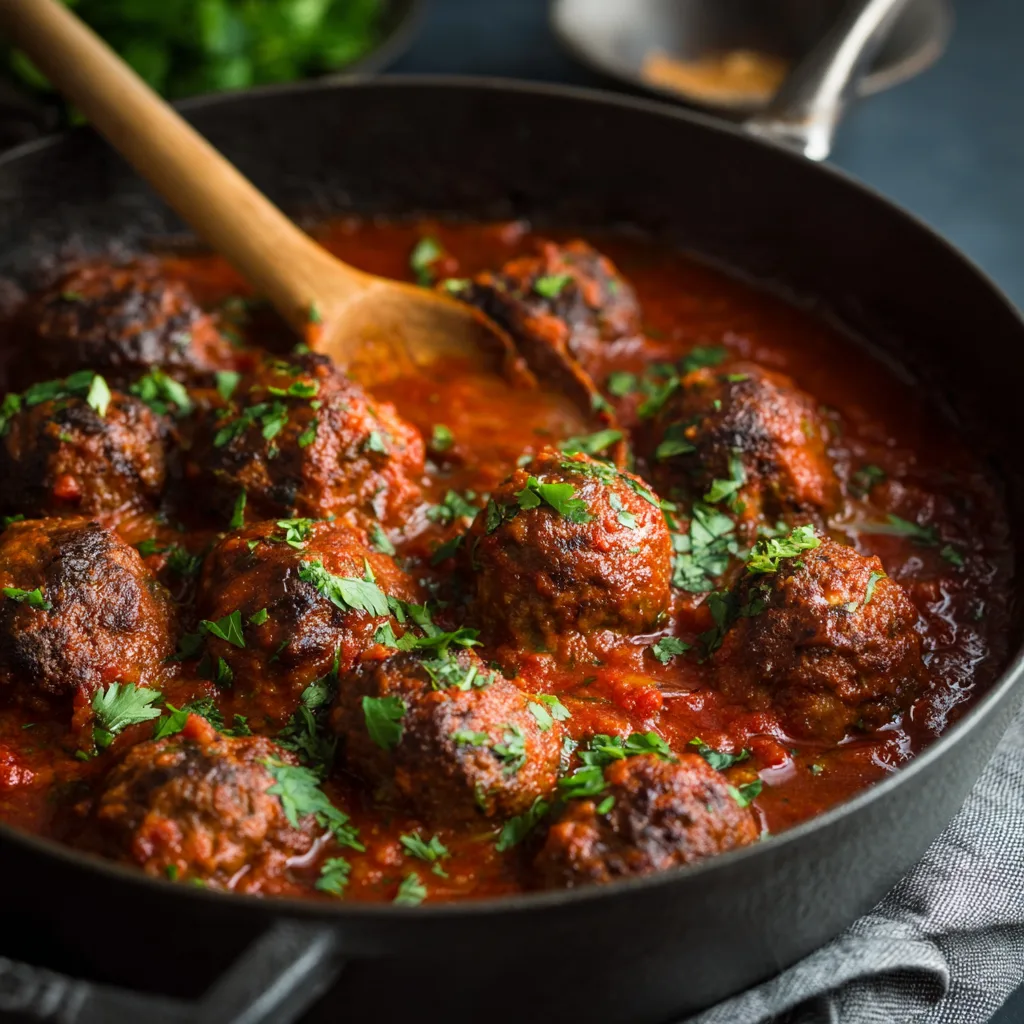
Carefully nestle the browned meatballs into the simmering sauce. The sauce should mostly cover them. Reduce the heat to low, cover the pot partially, and let the meatballs simmer gently for 25 to 40 minutes, depending on size. Simmering allows the meatballs to fully cook while absorbing the rich tomato flavor, resulting in maximum tenderness. Serve immediately, garnished with fresh basil or Parmesan cheese.
The Blueprint for Tender Meatballs: Ingredients and Mixing Secrets
Creating a fork-tender meatball begins long before you introduce it to the sauce. The foundation of a perfect meatball relies on careful ingredient selection and a specific, gentle mixing technique.
1. Choosing the Right Meat Ratio
While this recipe focuses on ground beef for simplicity and affordability, the key is the fat content. Do not opt for extremely lean meat (like 95/5). Fat melts during cooking, providing essential moisture and flavor. The consensus among expert recipes favors 80/20 or 85/15 ground beef for the juiciest result. For a more traditional Italian-American flavor profile, consider blending meats:
-
The Classic Blend: Use equal parts ground beef and ground pork. Pork adds richness and moisture that beef alone cannot provide.
-
The Ultimate Blend: A trio of beef, pork, and veal (the Holy Trinity of Italian meatballs) provides the most complex flavor and softest texture.
2. The Role of the Panade
A panade—a mixture of breadcrumbs (or stale bread) soaked in milk or broth—is the secret weapon against dry, dense meatballs. The moistened breadcrumbs absorb and hold moisture from the meat and eggs, preventing the meat protein from contracting and seizing up when cooked. This ensures the finished product remains tender and airy, not tough or rubbery. Finely grated Parmesan cheese also acts as a supplemental binder and flavor enhancer.
3. The Gentle Hand Technique
The most critical rule in meatball preparation is simple: Do not over-mix. Mixing ground meat activates the protein strands, causing them to link together. The more you mix, the tighter and denser the structure becomes. Use your hands to combine the ingredients just until they are evenly distributed, typically no more than 30 seconds. The mixture should be soft, moist, and slightly sticky, not paste-like. For extra tenderness, some chefs recommend a final chill in the refrigerator for 30 minutes to allow the ingredients to fully hydrate and the meat to firm up for easier rolling.
The Golden Rule: Browning for Flavor (Three Essential Methods)
Browning your meatballs before simmering them in the sauce is not strictly necessary for safety, but it is essential for flavor and texture. This process, known as the Maillard reaction, creates a crust that adds deep, savory complexity to the final dish and helps the meatballs retain their shape during the long simmer.
1. Stovetop Pan-Frying (Best for Flavor)
This is the traditional and most flavorful method. Cooking the meatballs in a hot pan creates a superior sear.
-
Technique: Use a heavy-bottomed pan, like a Dutch oven or cast iron skillet. Brown the meatballs in batches over medium-high heat. Do not disturb them until a crust forms, then gently turn them with tongs.
-
Benefit: The resulting fond (browned bits) left on the bottom of the pan is incorporated into the sauce, adding unparalleled depth.
2. Oven Baking (Best for Ease and Cleanup)
If you prefer a hands-off approach and easier cleanup, baking is the ideal choice.
-
Technique: Preheat the oven to 400°F (200°C). Arrange the shaped meatballs on a parchment-lined baking sheet. Bake for 15–20 minutes, or until the exterior is lightly browned and they are mostly cooked through (internal temperature around 160°F/71°C).
-
Benefit: Uniform browning, less splattering, and no need to handle the raw meat multiple times.
3. Simmering from Raw (The Quickest Option)
For the absolute quickest method, skip the browning step entirely and drop the raw, shaped meatballs directly into a briskly simmering sauce.
-
Technique: Ensure the sauce is fully heated and gently place the raw meatballs into the sauce. Maintain a gentle simmer for at least 45 minutes to one hour, stirring minimally.
-
Drawback: While easy, the meatballs will lack the savory crust and firm texture that browning provides, resulting in a softer, more delicate finished product. This method is often used for slow-cooker recipes.
From Simple Marinara to Rich Gravy: Crafting the Perfect Sauce
The sauce is the environment in which the meatballs finish cooking, and it is crucial to the ultimate success of the dish. A good sauce not only coats the pasta but also penetrates the meatballs, transforming their texture and flavor.
1. Developing Depth with Aromatics
Do not simply pour canned tomatoes into a pot. The best sauces start with a foundation of sautéed aromatics.
-
The Base: Start by sweating finely minced yellow onion or shallots in olive oil until soft. This process, known as sweating, releases their sweet flavor compounds without browning.
-
The Fragrance: Add fresh minced garlic towards the end of the sweating process, cooking it for just one minute until fragrant. Burnt garlic is bitter, so be vigilant.
-
The Boost: Use the same pan you used to brown the meatballs. The brown bits stuck to the bottom of the pan will release and dissolve into the sauce, adding a layer of meaty, caramelized flavor that canned tomatoes cannot replicate.
2. Selecting Your Tomatoes
The quality of your canned tomatoes dictates the quality of your sauce. Choose high-quality crushed tomatoes, ideally with a basil puree already included, for a thick, rich texture. Avoid using diced tomatoes, as their tougher structure prevents them from breaking down properly during simmering, resulting in a chunkier, less velvety sauce. A small amount of sugar is often added to counteract the natural acidity of the tomatoes, creating a smoother, more balanced flavor.
3. The Power of the Long Simmer
The simmering stage is the critical integration step. Once the meatballs are added to the sauce, reduce the heat to the lowest setting possible—a gentle bubble is all you need.
-
Tenderization: The low heat prevents the meatballs from drying out and allows the muscle fibers to relax, yielding maximum tenderness.
-
Infusion: Over the 30- to 60-minute simmer, the sauce absorbs the savory juices released by the meatballs, and the meatballs, in turn, absorb the rich, seasoned tomato liquid. This exchange of flavor is what defines a truly great meatball in sauce.
Meal Planning and Presentation: Serving Your Masterpiece
Meatballs in sauce are incredibly versatile, transitioning effortlessly from a weeknight meal to a party appetizer. Mastering the serving, pairing, and storage techniques ensures this dish remains a reliable fixture in your culinary repertoire.
1. Classic and Creative Serving Suggestions
While spaghetti is the classic partner, consider these alternatives to refresh your meal:
-
Simple Pasta: Toss the sauce and meatballs directly with spaghetti, fettuccine, or bucatini until every strand is coated before plating. This traditional Italian technique prevents a “puddle of sauce on top of dry pasta” effect.
-
Submarine Sandwiches: Serve the meatballs and sauce tucked into a toasted Italian roll, topped generously with provolone or mozzarella cheese, and broiled until melted and bubbly for a classic meatball sub.
-
Low-Carb Options: Serve over zucchini noodles (zoodles), spaghetti squash, or creamy polenta.
-
Appetizer Style: Serve miniature meatballs straight from a slow cooker for a buffet or party, keeping them warm and tender.
2. Perfect Side Pairings
Complement the richness of the dish with light, fresh sides:
-
Green Salad: A simple salad with bitter greens (like arugula) and a bright vinaigrette provides a necessary contrast to the heavy sauce.
-
Garlic Bread: Crusty Italian bread or cheesy garlic bread is essential for soaking up the remaining sauce (the scarpetta).
-
Roasted Vegetables: Asparagus, green beans, or broccoli tossed in olive oil and roasted lightly.