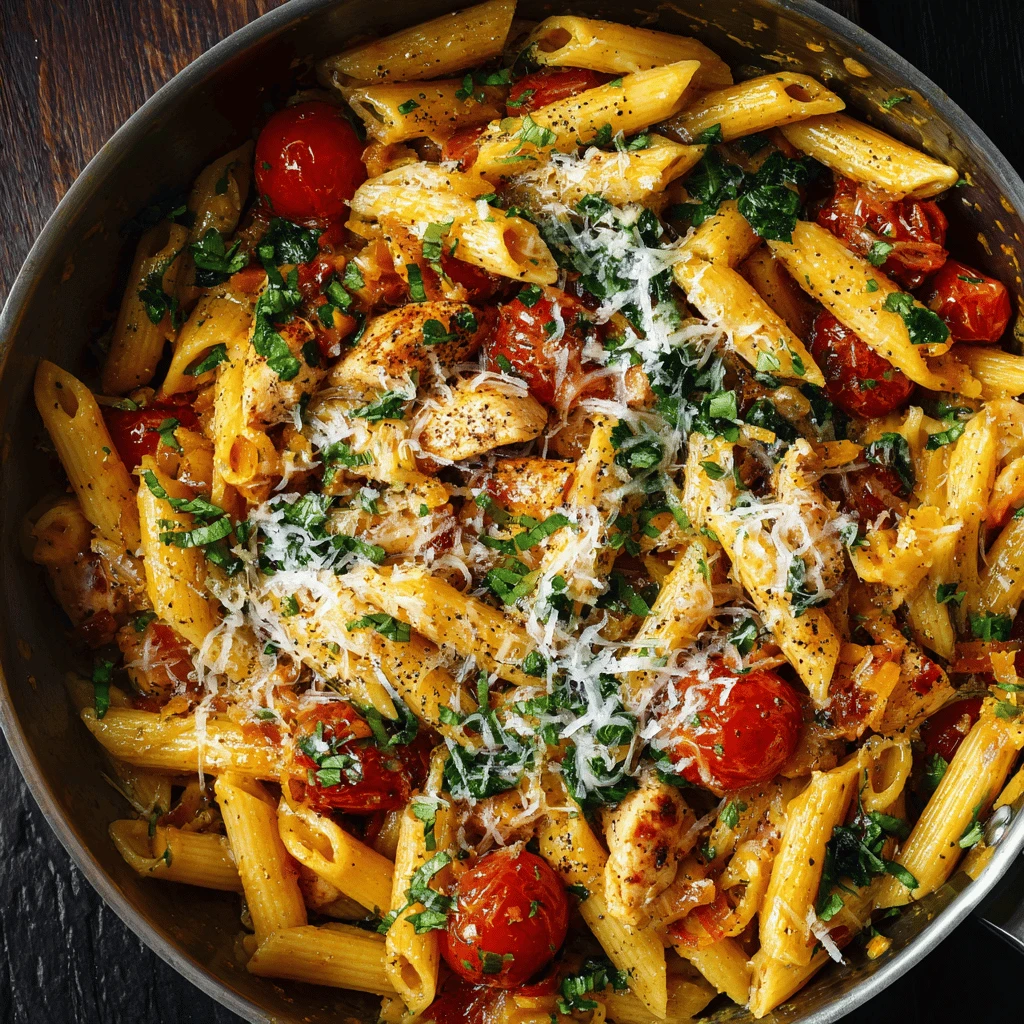
One-Pot Pasta Easy Dinner One-pot pasta meals are the ultimate weeknight dinner solution. They’re quick, easy to clean up, and infinitely customizable. This guide will show you how to create delicious and satisfying one-pot pasta dishes that will become staples in your culinary repertoire. The Magic of One-Pot Pasta: Simplicity and Flavor The beauty of…
One-Pot Pasta Easy Dinner
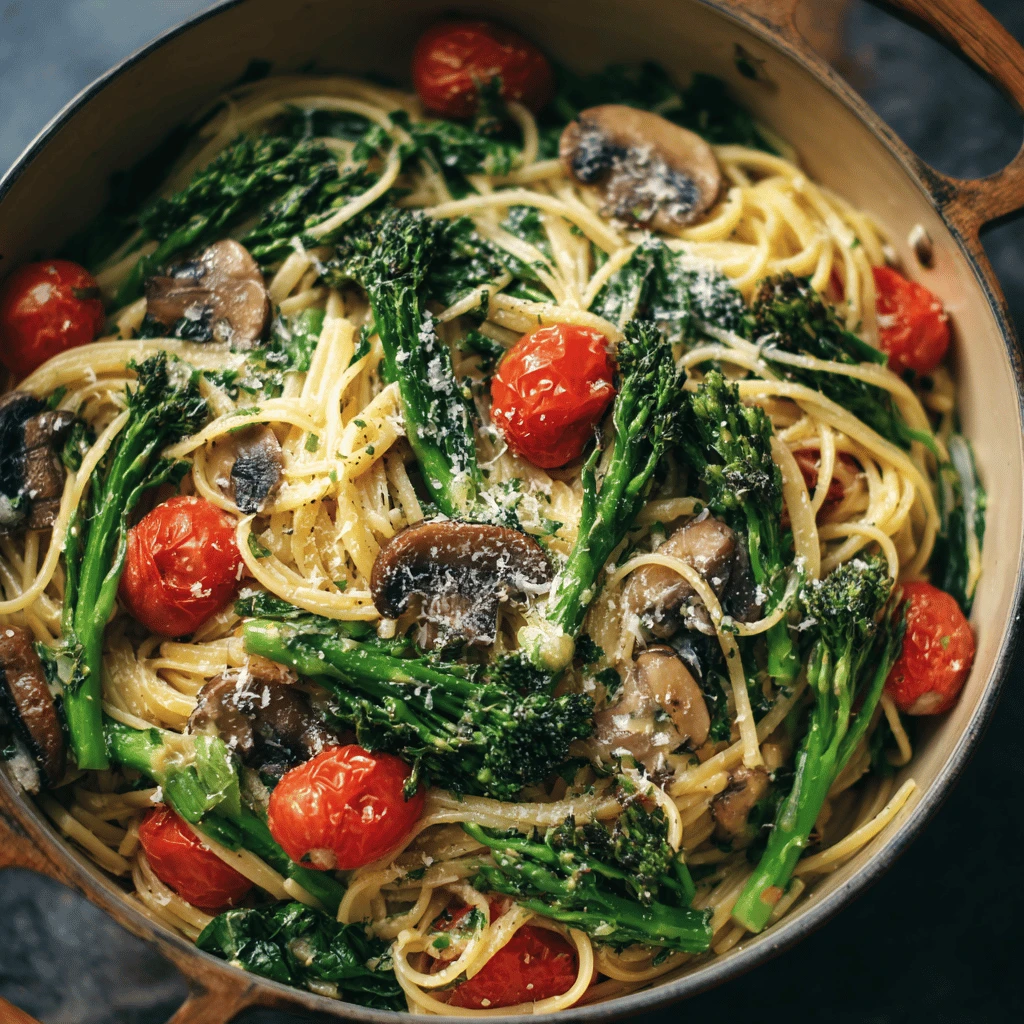
One-pot pasta meals are the ultimate weeknight dinner solution. They’re quick, easy to clean up, and infinitely customizable. This guide will show you how to create delicious and satisfying one-pot pasta dishes that will become staples in your culinary repertoire.

The Magic of One-Pot Pasta: Simplicity and Flavor
The beauty of one-pot pasta lies in its simplicity. You cook the pasta, sauce, and vegetables all together in a single pot, allowing the pasta to absorb the flavors from the other ingredients as it cooks. This method results in a creamy, flavorful dish with minimal effort and cleanup. Forget draining the pasta, dirtying multiple pans – this is streamlined cooking at its finest.
Why Choose One-Pot?
- Efficiency: Everything cooks together, saving time and energy.
- Flavor Infusion: The pasta absorbs the flavors of the sauce as it cooks.
- Minimal Cleanup: One pot means fewer dishes to wash.
- Versatility: Easily adaptable to different ingredients and dietary needs.
- Budget-Friendly: Often uses simple, inexpensive ingredients.
Mastering the Technique: Tips for One-Pot Pasta Success
While the concept is simple, a few key techniques will ensure your one-pot pasta turns out perfectly every time.
Choosing the Right Pasta Shape:
Smaller pasta shapes like penne, rotini, or farfalle work best in one-pot recipes. Long pasta like spaghetti or linguine can also be used, but they may require breaking in half to fit in the pot. Avoid delicate pasta shapes like angel hair, as they can easily become overcooked and mushy.
Liquid Ratio is Key:
The correct liquid-to-pasta ratio is crucial for success. Too little liquid, and the pasta will be dry and undercooked. Too much liquid, and you’ll end up with a soupy mess. As a general rule, use just enough liquid to cover the pasta and other ingredients. You can always add more liquid if needed during cooking. Using a liquid of reduced sodium can allow you to control the salty flavors that you like best.
Adding Ingredients in the Right Order:
Add ingredients that take longer to cook first, followed by those that cook more quickly. For example, start with onions, garlic, and other vegetables, then add the pasta and liquid. Add delicate ingredients like fresh herbs and cheese towards the end of cooking.
Stirring for Even Cooking:
Stir the pasta frequently during cooking to prevent it from sticking to the bottom of the pot and to ensure even cooking. This also helps to release starch from the pasta, which thickens the sauce and creates a creamy texture.
Adjusting the Heat:
Start with high heat to bring the liquid to a boil, then reduce the heat to a simmer and cover the pot. This will help the pasta cook evenly and prevent the liquid from evaporating too quickly.
One-Pot Pasta Recipe Ideas: Flavor Combinations to Try
The possibilities for one-pot pasta are endless. Here are a few recipe ideas to get you started:
Creamy Tomato and Basil:
- Ingredients: Olive oil, garlic, diced tomatoes, vegetable broth, penne pasta, fresh basil, Parmesan cheese.
- Instructions: Sauté garlic in olive oil, add diced tomatoes and vegetable broth, bring to a boil. Add pasta and cook until al dente. Stir in fresh basil and Parmesan cheese.
Lemon Garlic Shrimp:
- Ingredients: Olive oil, garlic, shrimp, chicken broth, linguine pasta, lemon juice, parsley.
- Instructions: Sauté garlic and shrimp in olive oil, add chicken broth and linguine pasta, bring to a boil. Cook until pasta is al dente. Stir in lemon juice and parsley.
Spinach and Ricotta:
- Ingredients: Olive oil, garlic, spinach, vegetable broth, rotini pasta, ricotta cheese, nutmeg.
- Instructions: Sauté garlic in olive oil, add spinach and vegetable broth, bring to a boil. Add pasta and cook until al dente. Stir in ricotta cheese and nutmeg.
Spicy Sausage and Peppers:
- Ingredients: Olive oil, Italian sausage, bell peppers, onion, diced tomatoes, chicken broth, penne pasta, red pepper flakes.
- Instructions: Brown sausage in olive oil, add bell peppers and onion, sauté until softened. Add diced tomatoes, chicken broth, and penne pasta, bring to a boil. Cook until pasta is al dente. Stir in red pepper flakes.
Vegetarian Primavera:
- Ingredients: Olive oil, garlic, broccoli florets, carrots, zucchini, vegetable broth, farfalle pasta, Parmesan cheese.
- Instructions: Sauté garlic in olive oil, add broccoli, carrots, and zucchini, sauté until slightly softened. Add vegetable broth and farfalle pasta, bring to a boil. Cook until pasta is al dente. Stir in Parmesan cheese.
Customizing Your One-Pot Pasta: Making it Your Own
One of the best things about one-pot pasta is how easy it is to customize. Use these tips to create your signature dishes:
Protein Power:
Add cooked chicken, sausage, shrimp, or tofu to your one-pot pasta for a protein boost. You can also use canned beans or lentils for a vegetarian option.
Vegetable Variety:
Experiment with different vegetables based on what you have on hand or what’s in season. Mushrooms, bell peppers, onions, spinach, zucchini, and tomatoes all work well in one-pot pasta dishes.
Spice it Up:
Add a pinch of red pepper flakes, a dash of hot sauce, or a spoonful of pesto to your one-pot pasta for an extra kick of flavor.
Cheese, Please:
Stir in grated Parmesan cheese, mozzarella, ricotta, or goat cheese to add richness and creaminess to your one-pot pasta.
Herbs and Aromatics:
Fresh herbs like basil, parsley, oregano, and thyme can add a burst of flavor to your one-pot pasta. Add them towards the end of cooking to preserve their freshness.
Troubleshooting Common One-Pot Pasta Problems
Even with the best intentions, sometimes things don’t go according to plan. Here’s how to troubleshoot some common one-pot pasta problems:
Pasta is Undercooked:
If the pasta is still hard after the recommended cooking time, add a little more liquid (about 1/2 cup) and continue cooking until the pasta is tender.
Pasta is Overcooked:
If the pasta is mushy, it’s likely that you added too much liquid or cooked it for too long. Unfortunately, there’s not much you can do to fix overcooked pasta, but you can still salvage the dish by draining off any excess liquid and adding some fresh ingredients to brighten it up.
Sauce is Too Thin:
If the sauce is too thin, continue cooking the pasta uncovered over medium heat until the sauce thickens. You can also add a cornstarch slurry (1 tablespoon cornstarch mixed with 2 tablespoons water) to help thicken the sauce.
Sauce is Too Thick:
If the sauce is too thick, add a little more liquid (water, broth, or milk) until it reaches the desired consistency.
Sticking:
Make sure you are using a pot that has a decent bottom and you are stirring it occasionally.
One-Pot Pasta FAQs
What kind of pot should I use for one-pot pasta?
A large, wide pot or Dutch oven works best. This provides enough space for all the ingredients to cook evenly. A non-stick pot can also be helpful to prevent the pasta from sticking.
Can I use whole wheat pasta in a one-pot recipe?
Yes, you can use whole wheat pasta, but it may require a slightly longer cooking time and more liquid. Be sure to check the pasta frequently and add more liquid as needed.
Can I make one-pot pasta ahead of time?
One-pot pasta is best served immediately, but you can make it ahead of time and reheat it. Store leftovers in an airtight container in the refrigerator for up to 3 days. When reheating, add a little liquid to prevent the pasta from drying out.
Can I freeze one-pot pasta?
Yes, you can freeze one-pot pasta, but the texture of the pasta may change slightly. Store in an airtight container for up to 2 months. Thaw in the refrigerator overnight before reheating.
Can I add cream to one-pot pasta?
Yes, you can add cream or half-and-half to one-pot pasta to make it extra creamy. Add it towards the end of cooking, after the pasta is cooked through.