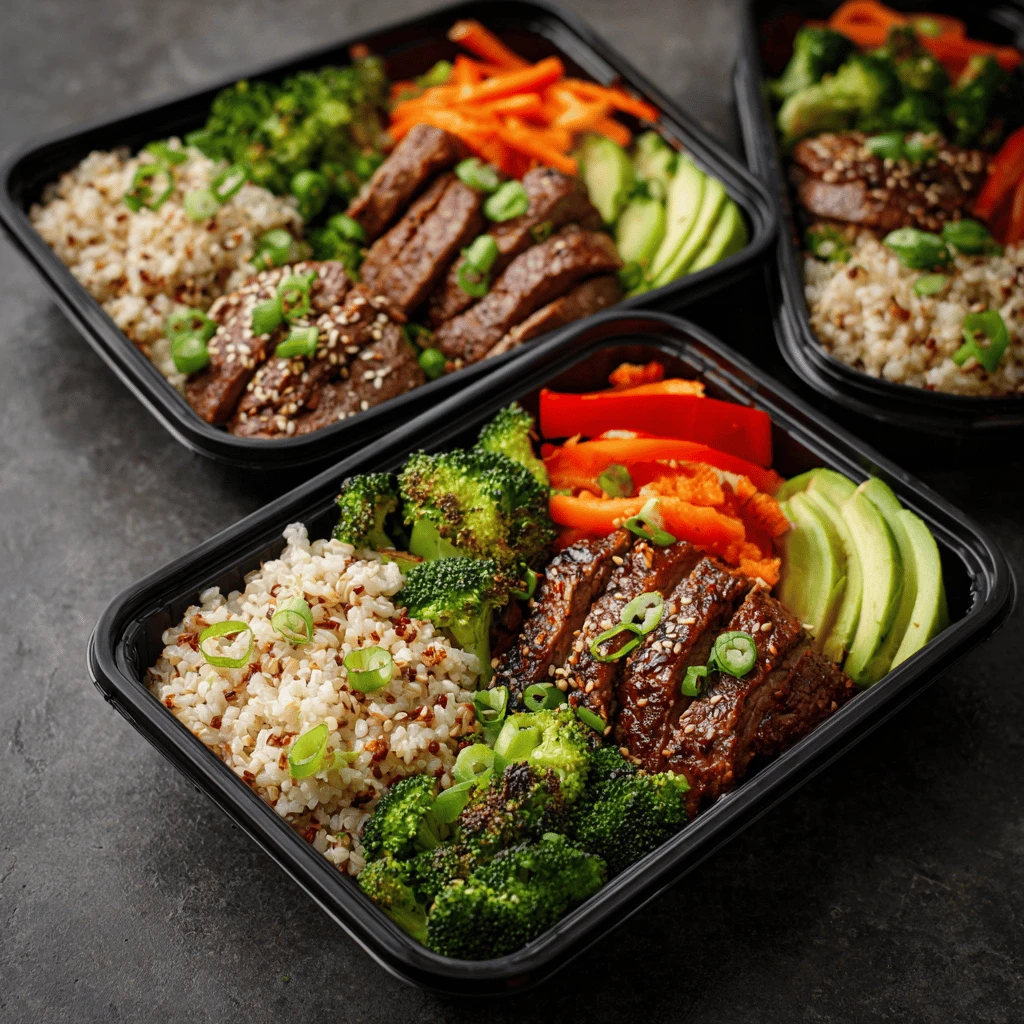
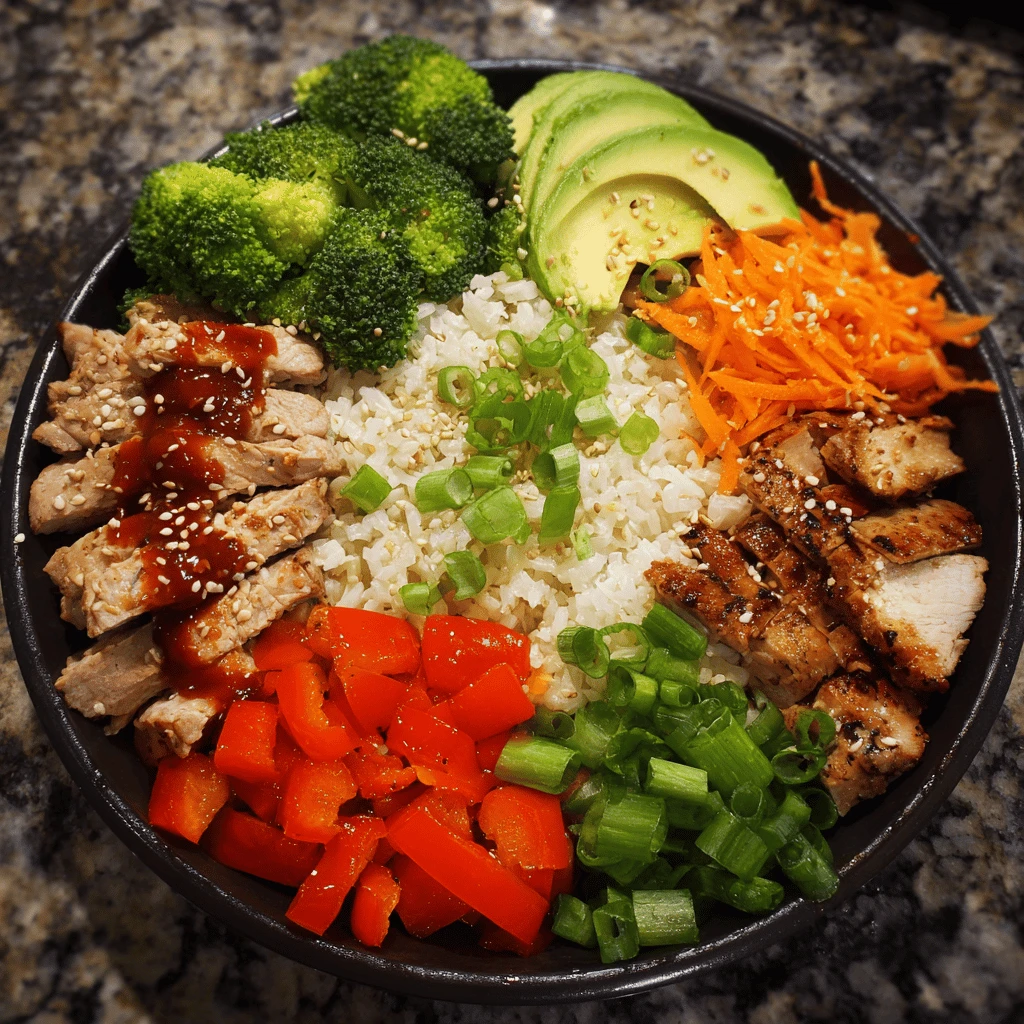
torso and Rice Bowl Meal Prep Ingredients 1 lb boneless, skinless protein (chicken breast, steak, tofu) 2 cups cooked rice (brown, white, or quinoa) 1 cup broccoli florets 1 cup sliced bell peppers (various colors) 1/2 cup shredded carrots 1/4 cup chopped green onions 2 tbsp soy sauce (low sodium) 1 tbsp honey 1 tbsp…
torso and Rice Bowl Meal Prep
Ingredients
- 1 lb boneless, skinless protein (chicken breast, steak, tofu)
- 2 cups cooked rice (brown, white, or quinoa)
- 1 cup broccoli florets
- 1 cup sliced bell peppers (various colors)
- 1/2 cup shredded carrots
- 1/4 cup chopped green onions
- 2 tbsp soy sauce (low sodium)
- 1 tbsp honey
- 1 tbsp rice vinegar
- 1 tsp sesame oil
- 1/2 tsp garlic powder
- 1/4 tsp ground ginger
- Salt and pepper to taste
- Optional toppings: sesame seeds, sriracha, avocado slices
Step-by-Step
1. Prepare your protein. If using chicken or steak, cut into bite-sized pieces. If using tofu, press out excess water and cube.
2. Marinate the protein. In a bowl, whisk together soy sauce, honey, rice vinegar, sesame oil, garlic powder, and ground ginger. Add the protein and toss to coat. Let it marinate for at least 15 minutes (or up to overnight in the refrigerator).
3. Cook the protein. Heat a skillet or wok over medium-high heat. Add the marinated protein and cook until fully cooked and slightly caramelized. This usually takes 5-7 minutes for chicken or steak, and slightly less for tofu.
4. Steam or roast the vegetables. Steam the broccoli florets until tender-crisp (about 5-7 minutes). Alternatively, roast the broccoli and bell peppers in the oven at 400°F (200°C) for 15-20 minutes, tossing halfway through.
5. Cook the rice according to package directions.
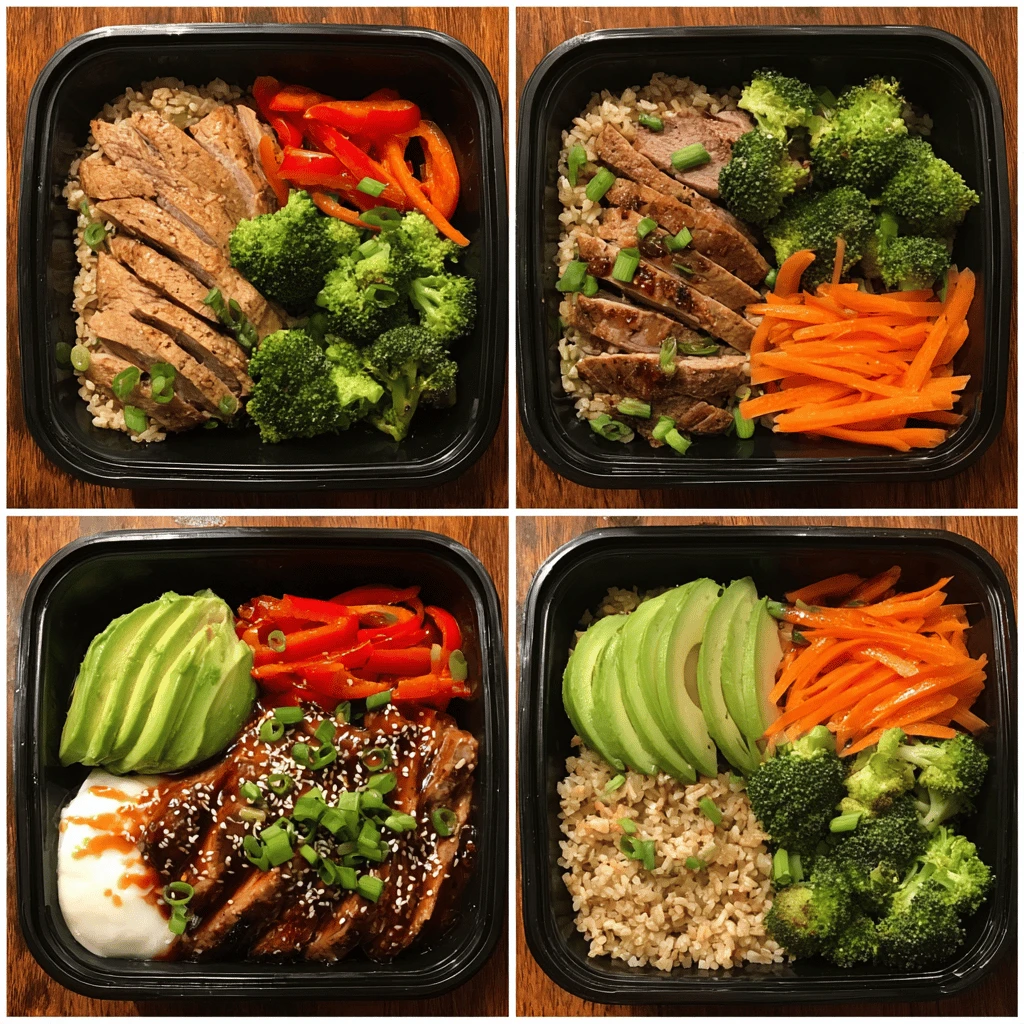
6. Assemble the bowls. Divide the cooked rice evenly among meal prep containers.
7. Add the protein to each container.
8. Arrange the broccoli, bell peppers, shredded carrots, and green onions on top of the rice and protein.
9. Add optional toppings. Sprinkle sesame seeds or a drizzle of sriracha, or add avocado slices just before serving.
10. Store in the refrigerator for up to 4 days.
11. Reheat in the microwave for 1-2 minutes, or until heated through.
Meal Prep Benefits and Considerations
### Saving Time and Money
Meal prepping rice bowls can significantly reduce your weekly cooking time. Instead of preparing lunch or dinner every day, you dedicate a single session to cooking multiple meals.
This saves valuable time during the busy workweek. It also helps you avoid the temptation of ordering takeout, which can be costly.
By planning your meals in advance, you can buy groceries in bulk. This often translates to lower costs per serving compared to individual meals.
### Nutritional Control and Health
Meal prepping gives you complete control over the ingredients in your rice bowls. You can choose healthy options like brown rice, lean protein, and plenty of vegetables.
This allows you to customize your meals to meet your specific dietary needs and preferences. You can easily adjust portion sizes to manage calorie intake and maintain a balanced diet.
Preparing meals at home also eliminates processed foods and excessive sodium often found in restaurant meals. This can lead to improved overall health and well-being.
### Reducing Food Waste
Planning your meals helps you buy only what you need, minimizing food waste. You can use leftover ingredients from other meals in your rice bowls.
This sustainable approach reduces your environmental impact and saves money. It also encourages creativity in the kitchen as you find new ways to use up surplus produce.
Customizing Your Rice Bowl
### Protein Variations
While chicken, steak, and tofu are popular choices, the possibilities are endless. Consider using shrimp, salmon, ground turkey, or even lentils for a vegetarian option.
Each protein offers a unique flavor and nutritional profile. Experiment with different marinades and cooking methods to create diverse flavor combinations.
For example, try grilling marinated shrimp for a light and refreshing summer rice bowl. Or, use seasoned ground turkey for a hearty and satisfying meal.
### Vegetable Swaps and Additions
Don’t limit yourself to broccoli, bell peppers, and carrots. Feel free to swap them out for your favorite vegetables or add new ones to the mix.
Edamame, snap peas, mushrooms, zucchini, and spinach are all excellent additions. Roasting or grilling the vegetables can enhance their flavor and texture.
Consider adding pickled vegetables for a tangy and crunchy element. Kimchi, pickled radish, or pickled cucumbers can add a unique twist to your rice bowl.
### Sauce and Seasoning Options
The sauce is what ties the entire rice bowl together. While the soy sauce, honey, and sesame oil mixture is a classic choice, there are many other options to explore.
Try a peanut sauce, a teriyaki sauce, or a sweet chili sauce. Experiment with different spices and herbs to create your own unique flavor profile.
Add a squeeze of lime or lemon juice for a bright and acidic touch. A sprinkle of red pepper flakes can add a kick of heat.
Storage and Reheating Tips
### Proper Container Selection
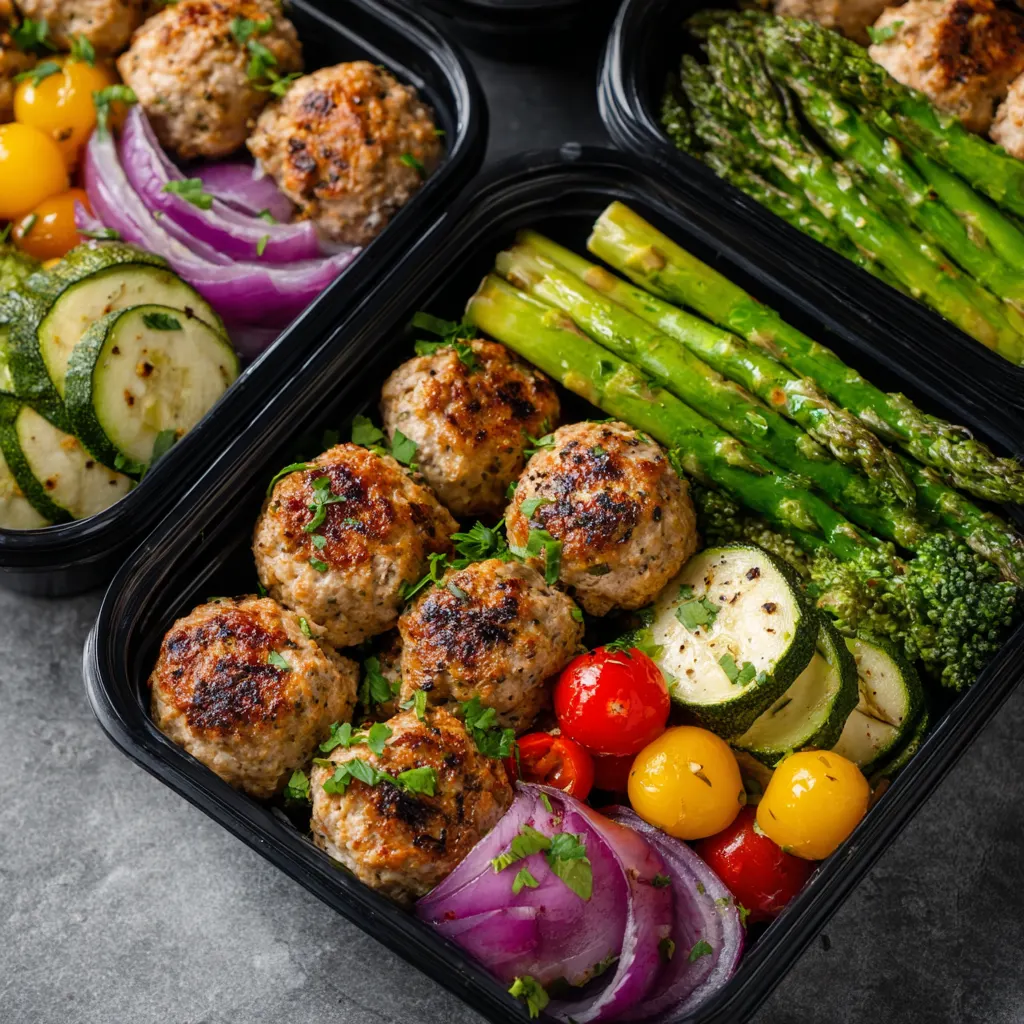
Choosing the right containers is crucial for preserving the freshness and flavor of your meal prepped rice bowls. Opt for airtight containers made from glass or BPA-free plastic.
Glass containers are durable, easy to clean, and don’t retain odors. Plastic containers are lightweight and more affordable, but make sure they are freezer-safe if you plan to freeze your rice bowls.
Ensure the containers are appropriately sized to hold a single serving of your meal. This will help prevent food waste and make portion control easier.
### Cooling and Refrigeration Guidelines
Allow your cooked rice bowls to cool completely before sealing them in containers and refrigerating them. This prevents condensation from forming, which can make the rice soggy and promote bacterial growth.
Refrigerate your rice bowls promptly after they have cooled. Store them in the refrigerator at a temperature of 40°F (4°C) or below.
Properly stored rice bowls can be safely consumed for up to 3-4 days. Label each container with the date it was prepared to keep track of its freshness.
### Reheating Methods
The best way to reheat your rice bowls depends on your preference and available appliances. Microwave reheating is the quickest and easiest method.
Simply remove the lid of the container and microwave on high for 1-2 minutes, or until heated through. Stir the contents halfway through to ensure even heating.
Alternatively, you can reheat your rice bowls in a skillet or saucepan over medium heat. Add a splash of water or broth to prevent the rice from drying out.
Common Mistakes to Avoid
### Overcooking the Rice
Overcooked rice can become mushy and unappetizing. Follow the package directions carefully and avoid adding too much water.
Use a rice cooker for consistent results. If cooking rice on the stovetop, bring the water to a boil, then reduce the heat to low, cover the pot, and simmer until the water is absorbed.
Let the rice rest for 10 minutes after cooking before fluffing it with a fork. This will help prevent it from becoming sticky.
### Soggy Vegetables
Overcooked or improperly stored vegetables can become soggy and lose their flavor. Steam or roast your vegetables until they are tender-crisp, but not mushy.
Avoid overcrowding the pan when roasting vegetables. This can cause them to steam instead of roast.
Store your rice bowls in airtight containers to prevent the vegetables from drying out or absorbing moisture from the rice.
### Neglecting Food Safety
Food safety is paramount when meal prepping. Wash your hands thoroughly before handling food.
Use separate cutting boards and utensils for raw and cooked foods to prevent cross-contamination. Cook protein to a safe internal temperature.
Refrigerate your rice bowls promptly after they have cooled and consume them within 3-4 days. Discard any leftovers that have been sitting at room temperature for more than two hours.
FAQ Section
### How long do rice bowls last in the fridge?
Properly stored rice bowls can last for 3-4 days in the refrigerator. Make sure to use airtight containers and refrigerate them promptly after cooking.
### Can I freeze rice bowls?
Yes, you can freeze rice bowls. However, the texture of some ingredients, especially vegetables, may change slightly upon thawing.
For best results, freeze rice bowls without the sauce. Add the sauce after thawing and reheating.
### How do I prevent my rice bowl from drying out?
To prevent your rice bowl from drying out, add a splash of water or broth when reheating.
Also, consider using a slightly higher ratio of sauce to rice. Make sure you use airtight containers to store the meals in the refrigerator.
### What kind of rice is best for meal prep?
Brown rice, white rice, and quinoa are all good options for meal prep. Brown rice is a whole grain and provides more fiber.
White rice is easier to digest and has a milder flavor. Quinoa is a good source of protein and essential amino acids.
### Can I make these bowls vegetarian or vegan?
Absolutely! Substitute the meat with tofu, tempeh, beans, or lentils to make the rice bowls vegetarian or vegan.