Easy Ground Beef Meatballs Meatballs are a classic comfort food, perfect for a weeknight dinner or a crowd-pleasing appetizer. This recipe for easy ground beef meatballs delivers juicy, flavorful results every time. It’s simple enough for beginner cooks and satisfying enough to become a family favorite. Whether you’re planning a spaghetti dinner, meatball subs, or…
Easy Ground Beef Meatballs
Meatballs are a classic comfort food, perfect for a weeknight dinner or a crowd-pleasing appetizer. This recipe for easy ground beef meatballs delivers juicy, flavorful results every time. It’s simple enough for beginner cooks and satisfying enough to become a family favorite. Whether you’re planning a spaghetti dinner, meatball subs, or just need a protein-packed snack, these meatballs are your go-to solution.
Mastering the Basics: Ingredients and Preparation
The key to fantastic meatballs lies in the quality of your ingredients and the way you prepare them. Let’s break down the essential components:
- Ground Beef: Opt for ground beef with a fat content around 80/20 for optimal flavor and moisture. Leaner ground beef can result in dry meatballs. You can also experiment with a blend of ground beef and ground pork or veal for added richness.
- Breadcrumbs: Breadcrumbs act as a binder, helping to hold the meatballs together and keep them tender. Use plain, unseasoned breadcrumbs or Italian breadcrumbs for extra flavor. Panko breadcrumbs offer a lighter, crispier texture, but require more moisture.
- Egg: Eggs contribute to binding and moisture. Use one large egg per pound of ground beef.
- Milk or Cream: A splash of milk or cream adds moisture and helps create a softer texture.
- Aromatics: Garlic and onion are essential for flavor. Mince them finely or grate them to ensure they distribute evenly throughout the mixture. Fresh herbs like parsley or oregano also add a bright, fresh taste.
- Seasonings: Salt, pepper, and Italian seasoning are the foundational seasonings. Don’t be afraid to experiment with other spices like paprika, garlic powder, or onion powder to customize the flavor. A pinch of red pepper flakes can add a subtle kick.
Preparation is Key:
Before you start mixing, soak the breadcrumbs in the milk or cream for a few minutes. This helps them absorb moisture and prevents them from drying out the meatballs. Gently combine all the ingredients in a large bowl, being careful not to overmix. Overmixing can lead to tough meatballs. Use your hands or a wooden spoon to mix until everything is just combined.
Cooking Methods: From Pan-Fried to Baked
There are several ways to cook ground beef meatballs, each with its own advantages:
- Pan-Frying: Pan-frying yields meatballs with a crispy exterior and a juicy interior. Heat a skillet over medium heat with a tablespoon or two of oil. Roll the meat mixture into small balls (about 1-inch in diameter) and place them in the hot skillet. Cook, turning occasionally, until browned on all sides and cooked through, about 8-10 minutes. Be careful not to overcrowd the pan, as this will lower the temperature and steam the meatballs instead of browning them.
- Baking: Baking is a hands-off method that’s great for cooking large batches of meatballs. Preheat your oven to 375°F (190°C). Line a baking sheet with parchment paper. Place the meatballs on the baking sheet, leaving some space between each one. Bake for 20-25 minutes, or until cooked through. Baking allows the meatballs to cook evenly without the need for constant monitoring.
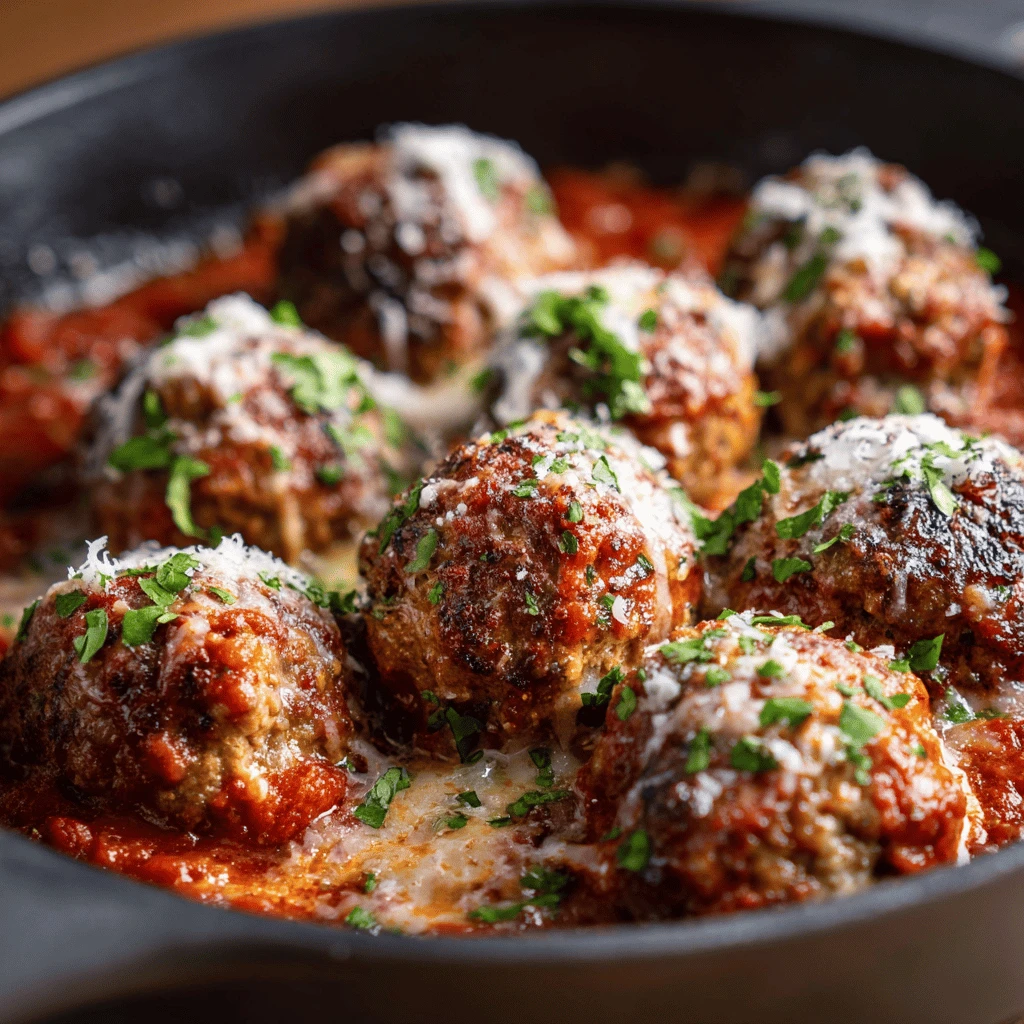
- Simmering in Sauce: Simmering meatballs directly in your favorite tomato sauce is a great way to infuse them with even more flavor. Prepare the meatballs as directed, then add them to a pot of simmering sauce. Cook for at least 30 minutes, or longer for a richer flavor. This method also helps keep the meatballs moist.
- Air Frying: Air frying is a quicker and healthier way to cook meatballs. Preheat your air fryer to 375°F (190°C). Place the meatballs in the air fryer basket in a single layer, ensuring there is some space between them. Cook for 12-15 minutes, or until cooked through, shaking the basket halfway through to ensure even cooking. Air frying results in crispy meatballs with less oil.
Enhancing Flavor: Sauces and Serving Suggestions
Meatballs are incredibly versatile and can be served with a variety of sauces and accompaniments:
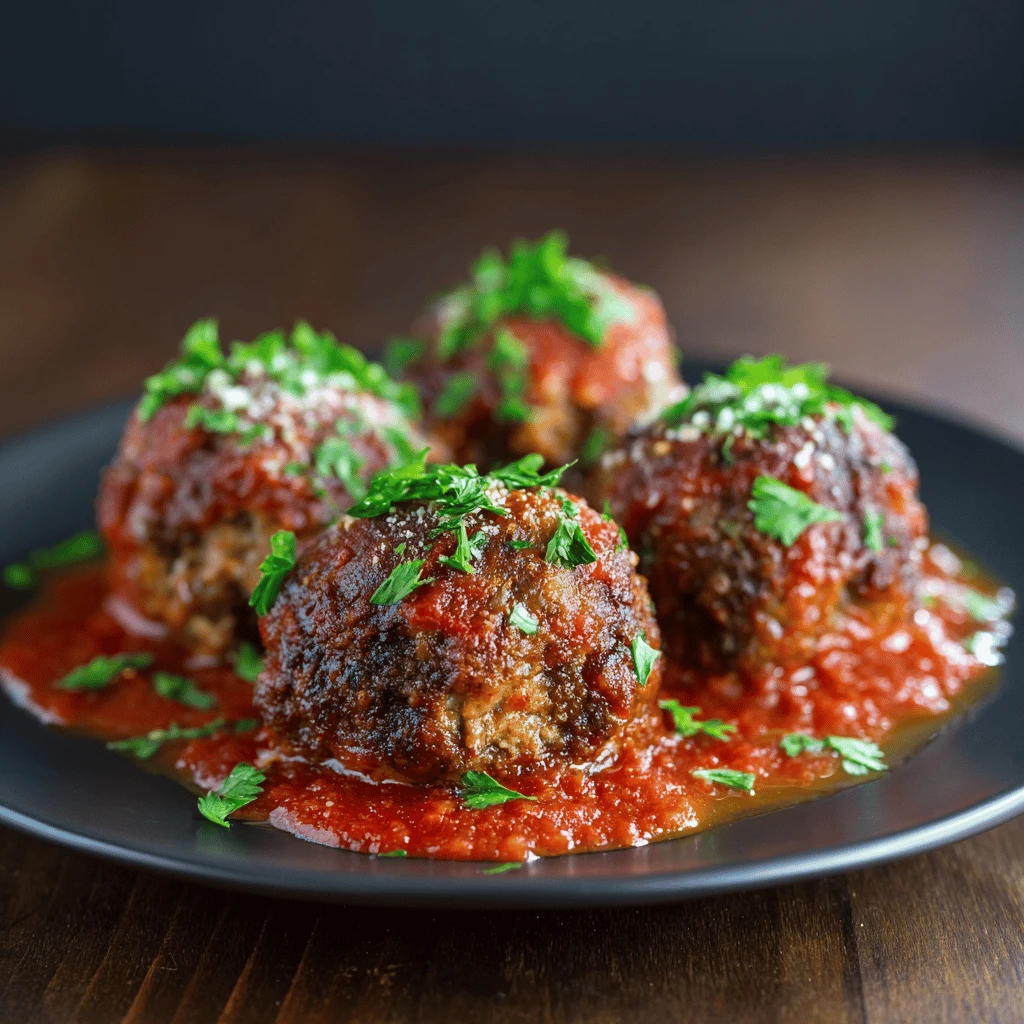
- Classic Tomato Sauce: A simple tomato sauce is the most classic pairing for meatballs. Use your favorite jarred sauce or make your own from scratch. Simmer the meatballs in the sauce for at least 30 minutes to allow the flavors to meld.
- Marinara Sauce: Marinara sauce is a slightly thinner and brighter tomato sauce that’s perfect for meatballs. It’s typically made with fresh tomatoes, garlic, onions, and herbs.
- Creamy Mushroom Sauce: For a richer and more decadent option, try serving your meatballs with a creamy mushroom sauce. Sauté mushrooms with garlic and onions, then add cream and Parmesan cheese.
- BBQ Sauce: For a more casual meal, try serving meatballs with your favorite BBQ sauce. They make great appetizers or additions to sliders.
- Sweet and Sour Sauce: For an Asian-inspired twist, serve meatballs with a sweet and sour sauce. This combination is perfect for appetizers or a quick weeknight dinner.
Serving Suggestions:
- Spaghetti and Meatballs: The classic combination! Serve meatballs with spaghetti and your favorite tomato sauce.
- Meatball Subs: Load hoagie rolls with meatballs and sauce, then top with melted mozzarella cheese.
- Appetizers: Serve meatballs on skewers with a dipping sauce for a crowd-pleasing appetizer.
- Meatball Bowls: Create a healthy and flavorful bowl with meatballs, rice or quinoa, and your favorite vegetables.
- Pizza Topping: Slice meatballs and use them as a delicious topping for homemade pizza.
Tips and Tricks for Perfect Meatballs
Achieving meatball perfection is within your reach with these helpful tips and tricks:
- Don’t Overmix: Overmixing the meatball mixture can result in tough meatballs. Mix just until the ingredients are combined.
- Keep it Cold: Keeping the ground beef cold helps prevent the fat from melting and keeps the meatballs tender.
- Test a Meatball: Before cooking the entire batch, cook a small meatball to test the seasoning and adjust as needed.
- Use an Ice Cream Scoop: Use an ice cream scoop to ensure all the meatballs are the same size. This helps them cook evenly.
- Rest the Meatballs: After cooking, let the meatballs rest for a few minutes before serving. This allows the juices to redistribute, resulting in a more tender and flavorful meatball.
- Make Ahead: Meatballs can be made ahead of time and stored in the refrigerator for up to 24 hours before cooking.
- Freeze for Later: Cooked or uncooked meatballs can be frozen for up to 3 months. Place them on a baking sheet and freeze until solid, then transfer them to a freezer bag.
Troubleshooting Common Meatball Issues
Even with the best recipe, you might encounter some common meatball issues. Here’s how to troubleshoot them:
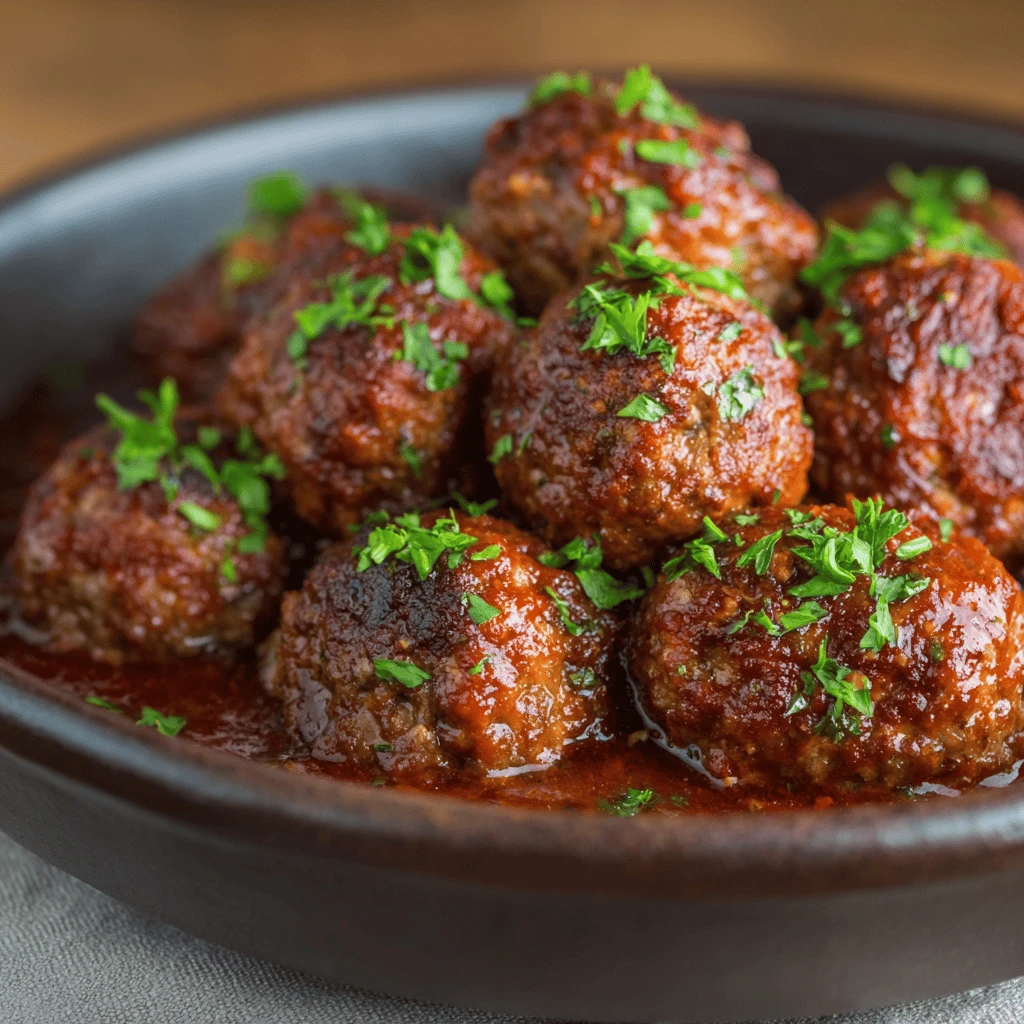
- Dry Meatballs: Dry meatballs are often the result of using lean ground beef, overmixing the meat mixture, or overcooking them. Use ground beef with a higher fat content, avoid overmixing, and be careful not to overcook. Adding more milk or cream to the mixture can also help.
- Tough Meatballs: Tough meatballs can be caused by overmixing or using ground beef that is too lean. Be gentle when mixing the ingredients and use ground beef with a higher fat content.
- Meatballs Falling Apart: Meatballs that fall apart are often the result of not using enough binder, such as breadcrumbs or eggs. Make sure you are using the correct amount of each ingredient. You can also try adding a little more breadcrumbs to the mixture.
- Bland Meatballs: Bland meatballs are often the result of not using enough seasoning. Don’t be afraid to experiment with different spices and herbs to customize the flavor.
- Meatballs are too Dense: This happens often from compacting the meat while you roll them. Try to use a lighter touch.
Frequently Asked Questions (FAQ)
-
- What is the best type of ground beef to use for meatballs?
The best type of ground beef for meatballs is typically 80/20 ground beef, which means 80% lean meat and 20% fat. This fat content helps keep the meatballs moist and flavorful.
-
- Can I use ground turkey or chicken instead of ground beef?
Yes, you can use ground turkey or chicken instead of ground beef. However, these leaner meats tend to be drier, so you may need to add more moisture to the mixture, such as extra egg or milk.
-
- How do I prevent meatballs from being dry?
To prevent meatballs from being dry, use ground beef with a higher fat content, add moisture to the mixture with milk or cream, avoid overmixing, and be careful not to overcook them.
-
- Can I make meatballs ahead of time?
Yes, meatballs can be made ahead of time. You can prepare the meat mixture and store it in the refrigerator for up to 24 hours before cooking. You can also cook the meatballs and store them in the refrigerator for up to 3-4 days or freeze them for up to 3 months.
-
- How do I freeze meatballs?
To freeze meatballs, place them on a baking sheet and freeze until solid. Then, transfer them to a freezer bag or container. This prevents them from sticking together.
-
- What can I serve with meatballs?
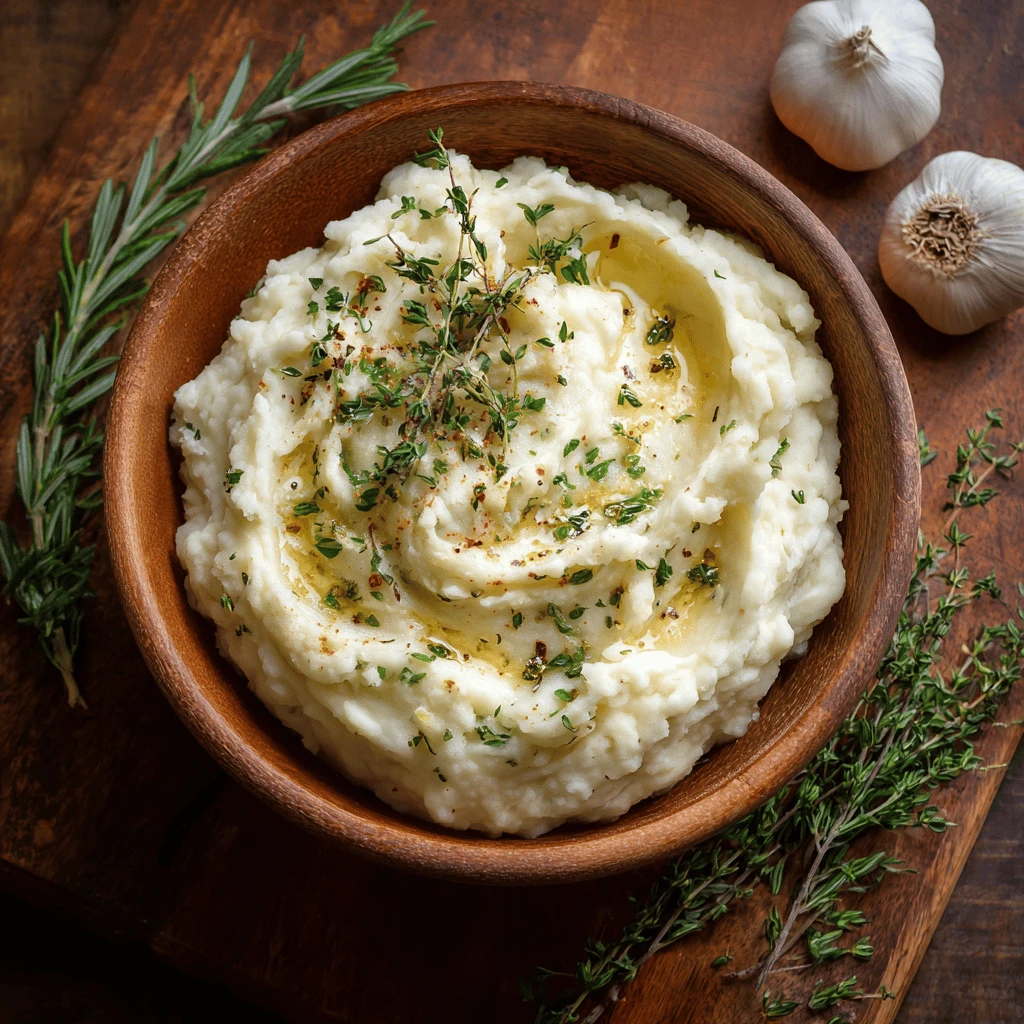
Meatballs are incredibly versatile and can be served with a variety of sauces and accompaniments, such as spaghetti and tomato sauce, meatball subs, mashed potatoes, rice, or as appetizers with dipping sauces.
-
- Can I add cheese to the meatball mixture?
Yes, you can add cheese to the meatball mixture. Parmesan cheese is a popular choice, but you can also use other cheeses like mozzarella or provolone.