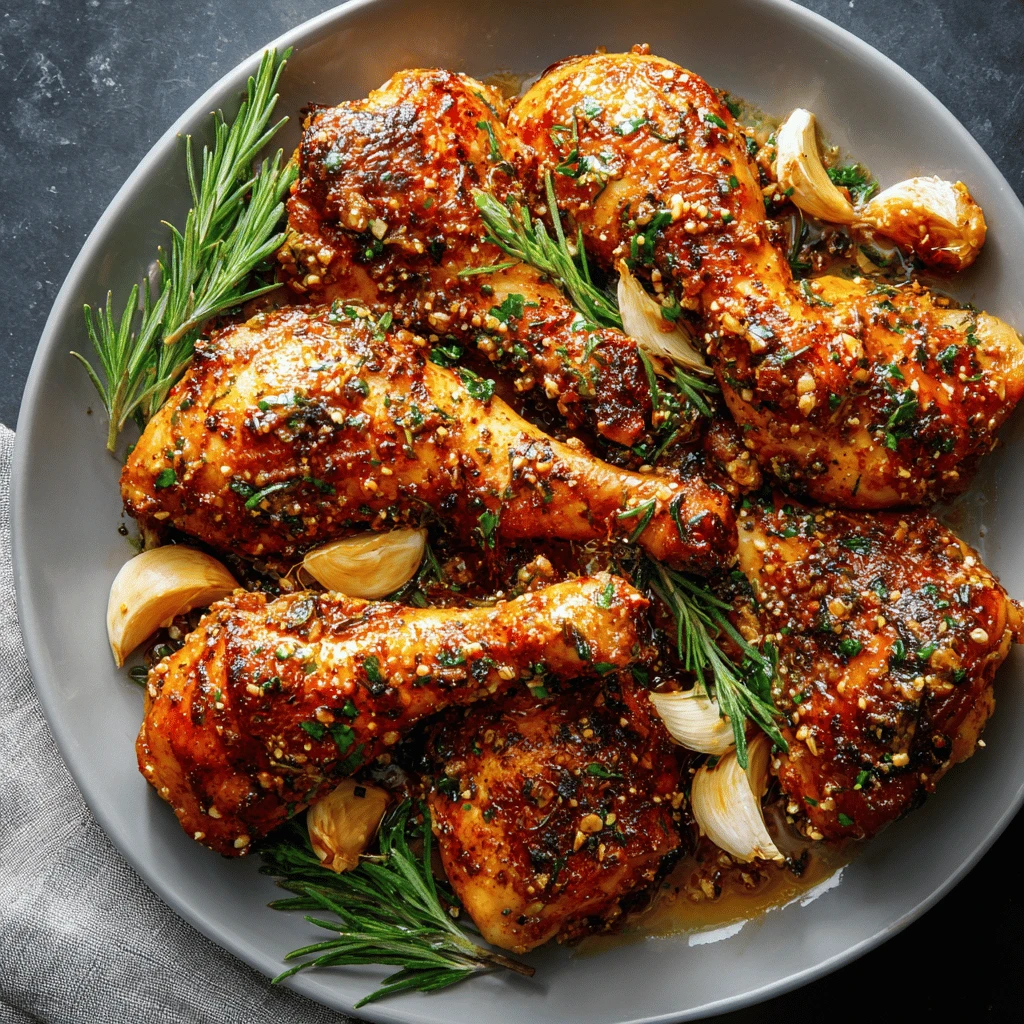
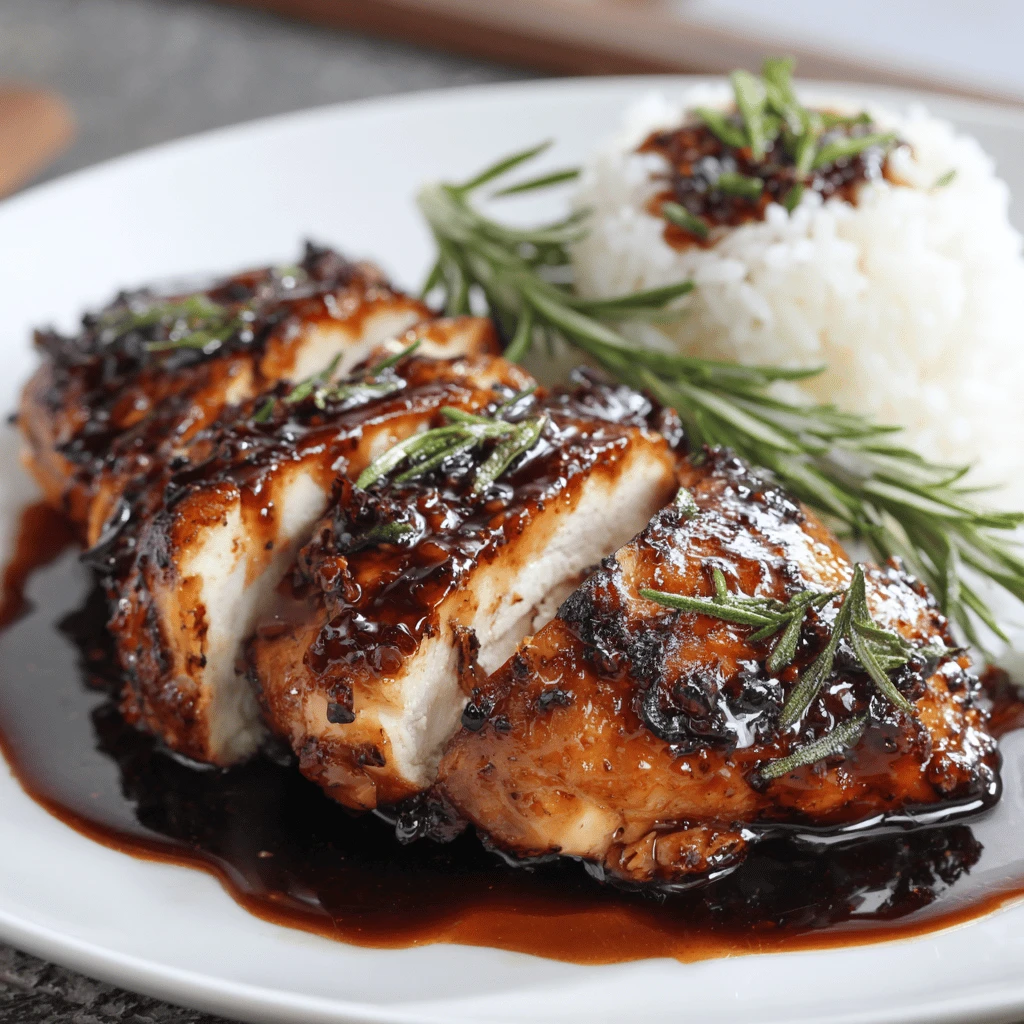
Easy Recipe Balsamic Glazed Chicken Balsamic glazed chicken is a weeknight dinner champion. It’s quick, easy, and delivers restaurant-quality flavor without the fuss. The tangy sweetness of the balsamic glaze perfectly complements the savory chicken, creating a dish that appeals to everyone. This recipe focuses on simplicity and flavor, making it perfect for busy weeknights…
Easy Recipe Balsamic Glazed Chicken
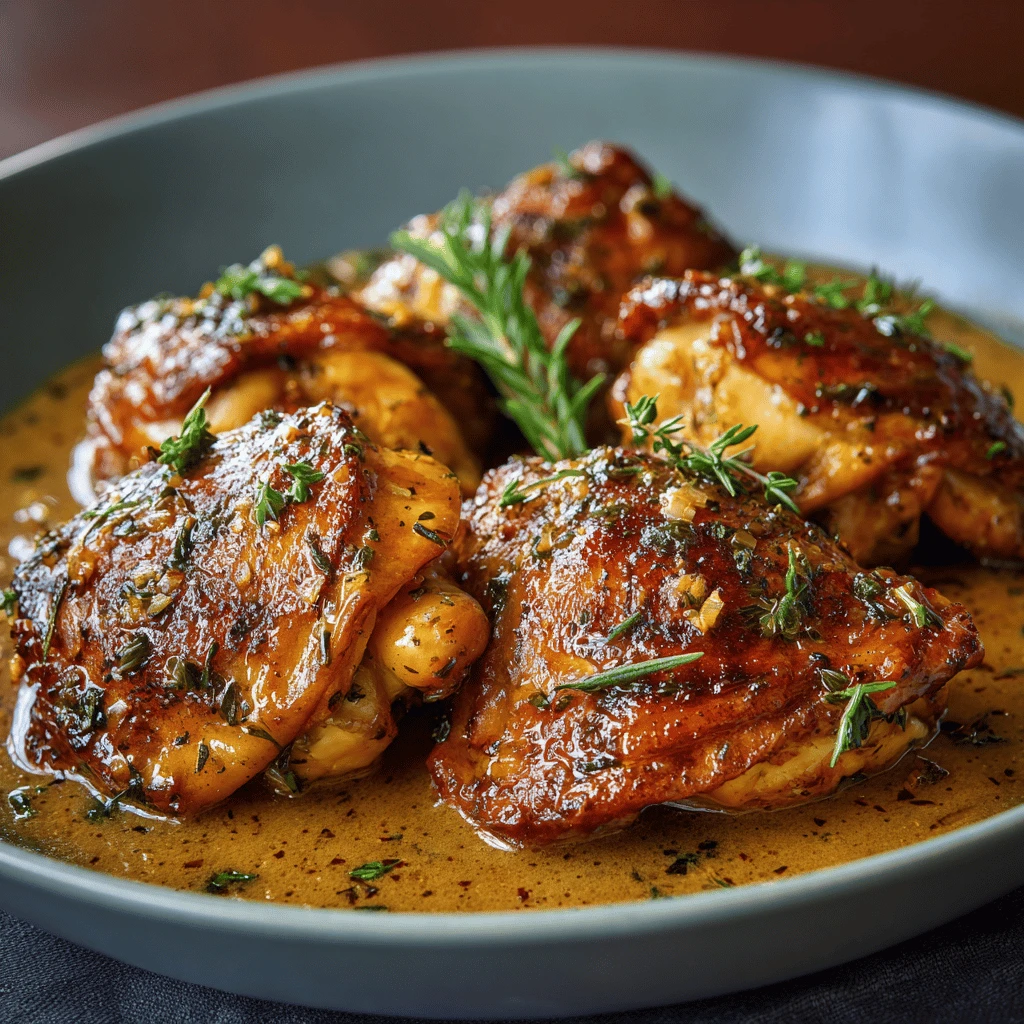
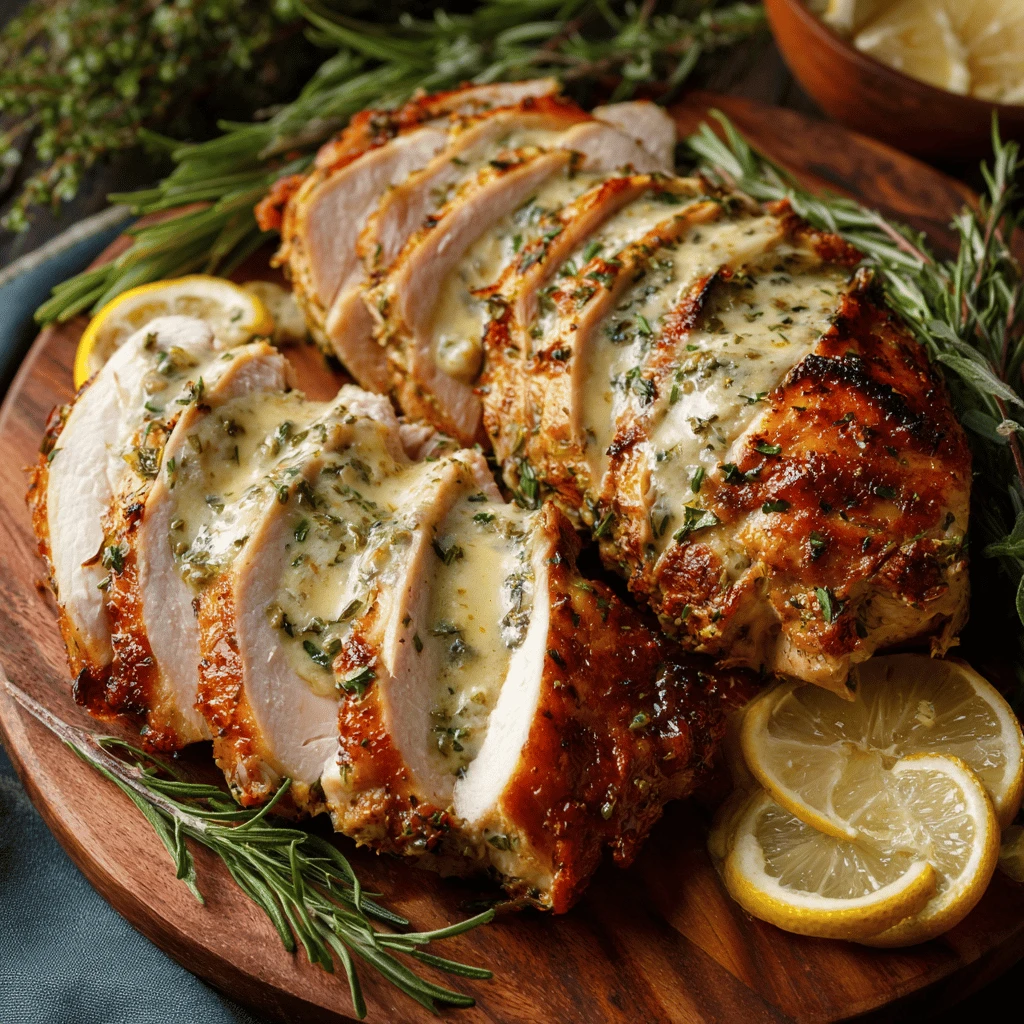
Balsamic glazed chicken is a weeknight dinner champion. It’s quick, easy, and delivers restaurant-quality flavor without the fuss. The tangy sweetness of the balsamic glaze perfectly complements the savory chicken, creating a dish that appeals to everyone. This recipe focuses on simplicity and flavor, making it perfect for busy weeknights or even a casual weekend gathering.
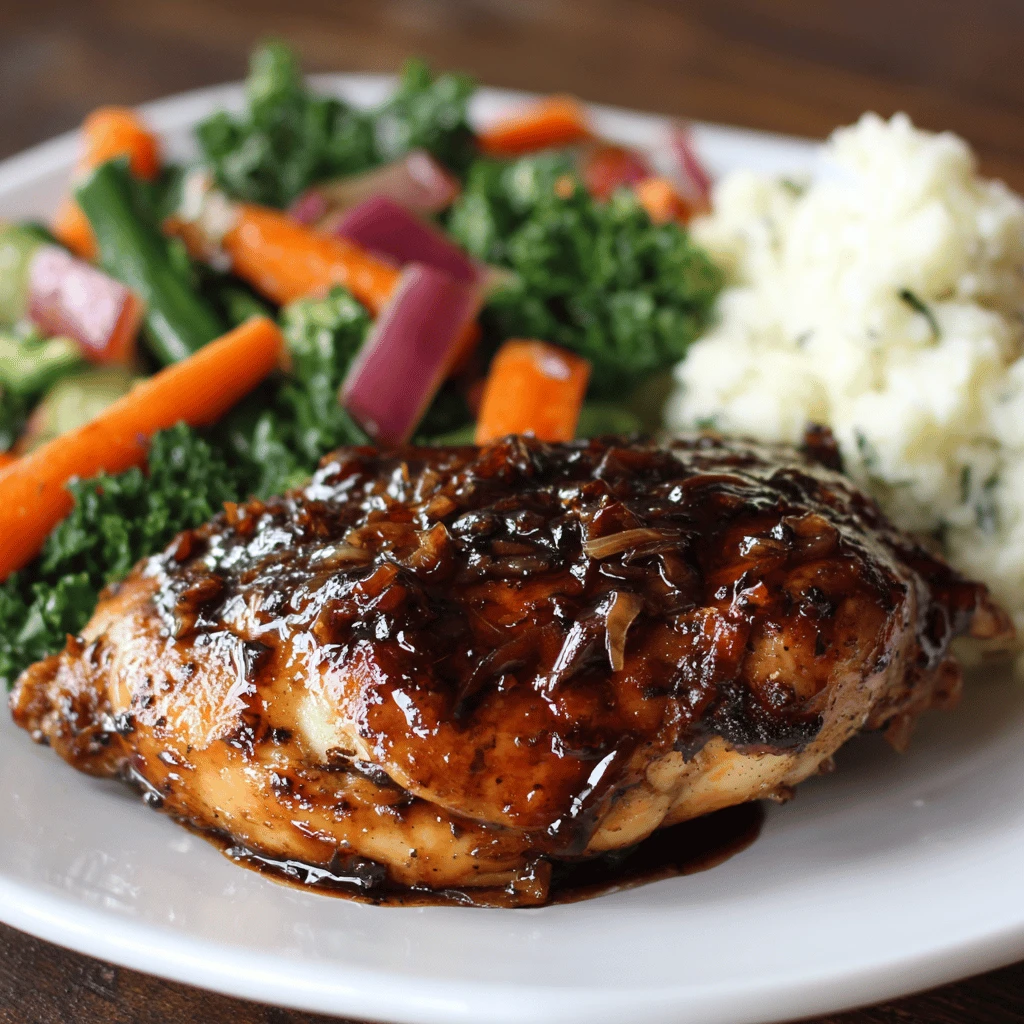
Why This Balsamic Glazed Chicken Recipe Works
Several factors make this recipe a winner. First, the ingredient list is short and sweet, relying on pantry staples you likely already have. Second, the cooking method is straightforward, minimizing cleanup. Third, the balsamic glaze itself is the star of the show, and this recipe perfects the balance of sweet, tangy, and savory notes.
Key Ingredients & Their Roles
- Chicken Breasts: Boneless, skinless chicken breasts are the go-to for quick cooking. However, boneless, skinless chicken thighs can also be substituted for a richer flavor and juicier result. Adjust cooking time accordingly.
- Balsamic Vinegar: The heart of the glaze. Use a good quality balsamic vinegar for the best flavor, though an inexpensive variety will still work.
- Soy Sauce: Adds umami and depth to the glaze, balancing the sweetness of the balsamic vinegar. Low-sodium soy sauce is recommended to control the saltiness.
- Honey or Maple Syrup: Provides sweetness and helps the glaze thicken beautifully. Honey adds a floral note, while maple syrup offers a more robust, caramel-like flavor.
- Garlic: Freshly minced garlic adds a pungent aroma and savory bite to the glaze.
- Olive Oil: Used for searing the chicken and adding richness to the glaze.
- Dried Herbs: A blend of dried herbs such as oregano, thyme, and basil adds complexity and aroma.
- Salt and Pepper: Essential for seasoning the chicken and enhancing the flavors of the glaze.
Essential Equipment
You’ll need a large skillet (cast iron is ideal but not required), a whisk, a measuring cup and spoons, and a cutting board and knife. A meat thermometer is also highly recommended to ensure the chicken is cooked to a safe internal temperature of 165°F (74°C).
Step-by-Step Guide to Perfect Balsamic Glazed Chicken
This recipe is broken down into simple, easy-to-follow steps. The key to success is proper preparation and careful monitoring of the cooking process.
Preparing the Chicken
1. Pound the Chicken (Optional): Place the chicken breasts between two sheets of plastic wrap and pound them to an even thickness of about 1/2 inch. This ensures even cooking and quicker cooking time.
2. Season the Chicken: In a small bowl, combine salt, pepper, and dried herbs. Generously season both sides of the chicken breasts with the mixture.
Making the Balsamic Glaze
1. Combine Glaze Ingredients: In a medium bowl, whisk together balsamic vinegar, soy sauce, honey (or maple syrup), and minced garlic.
2. Simmer the Glaze: Heat olive oil in the same large skillet over medium heat. Add the balsamic glaze mixture to the skillet. Bring to a simmer, stirring occasionally. Cook for 5-7 minutes, or until the glaze has thickened slightly and coats the back of a spoon. Be careful not to burn the glaze.
Cooking the Chicken
1. Sear the Chicken: Add the seasoned chicken breasts to the skillet with the simmering glaze. Sear for 3-4 minutes per side, until golden brown and slightly caramelized.
2. Cook in Glaze: Reduce heat to low. Spoon the balsamic glaze over the chicken, ensuring it is evenly coated. Cover the skillet and cook for an additional 5-7 minutes, or until the chicken is cooked through and reaches an internal temperature of 165°F (74°C). If the glaze becomes too thick, add a tablespoon of water or chicken broth to thin it out.
3. Rest and Serve: Remove the chicken from the skillet and let it rest for 5 minutes before slicing and serving. Spoon any remaining glaze from the skillet over the chicken.
Tips and Tricks for a Delicious Result
Achieving perfectly cooked and flavorful balsamic glazed chicken is all about attention to detail. Here are some tips and tricks to elevate your dish.
Common Mistakes to Avoid
- Overcooking the Chicken: The biggest mistake is overcooking the chicken, which results in dry, tough meat. Use a meat thermometer to ensure the chicken is cooked to the correct internal temperature.
- Burning the Glaze: Balsamic glaze can burn easily. Keep the heat at medium-low while simmering and stir frequently.
- Using Low-Quality Balsamic Vinegar: While inexpensive balsamic vinegar will work, using a higher quality variety will significantly enhance the flavor of the glaze.
- Skipping the Resting Period: Letting the chicken rest for 5 minutes before slicing allows the juices to redistribute, resulting in more tender and flavorful meat.
Variations and Substitutions
- Chicken Thighs: Substitute boneless, skinless chicken thighs for a richer flavor. Adjust cooking time accordingly.
- Vegetarian Option: Use firm tofu or tempeh instead of chicken. Press the tofu to remove excess moisture before marinating and cooking.
- Gluten-Free: Use tamari instead of soy sauce to ensure the recipe is gluten-free.
- Spice it Up: Add a pinch of red pepper flakes to the glaze for a touch of heat.
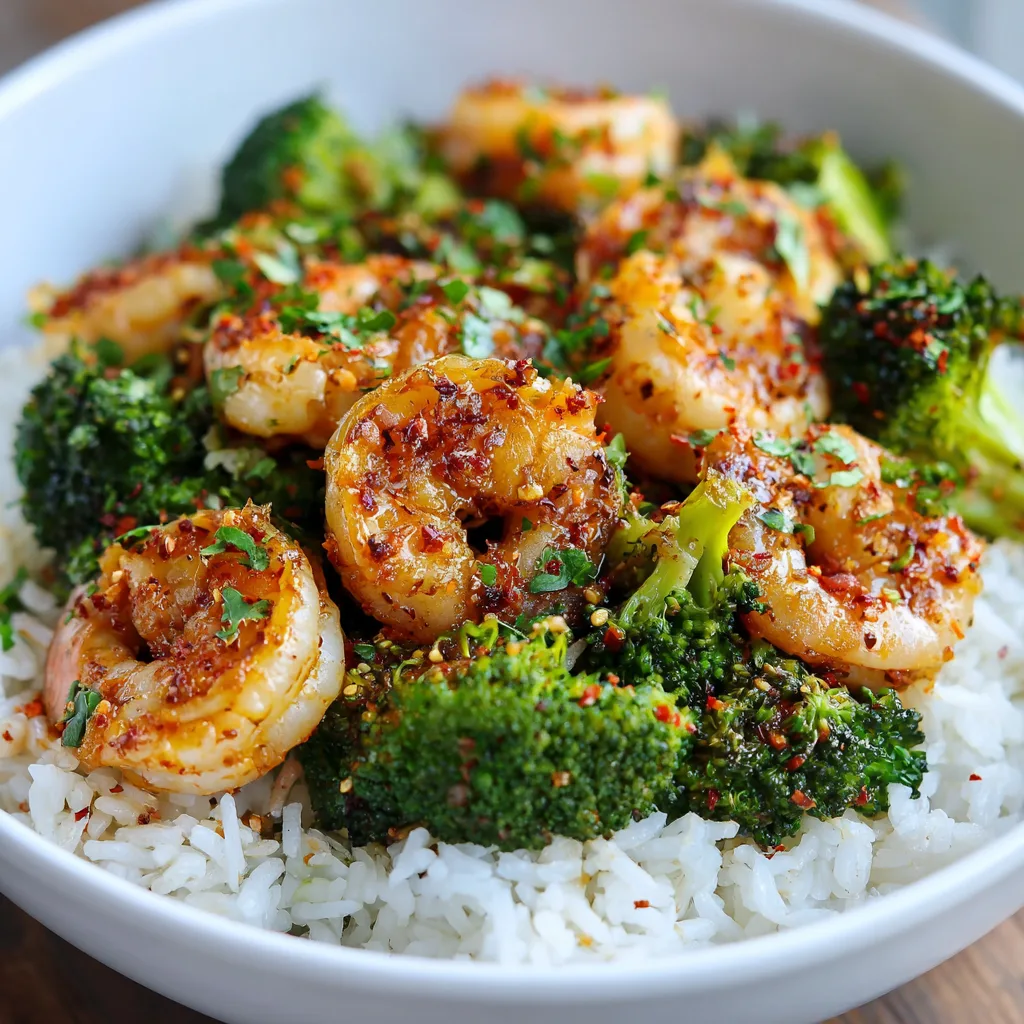
- Add Vegetables: Sauté vegetables like broccoli, bell peppers, or zucchini in the skillet before adding the chicken for a complete one-pan meal.
Serving Suggestions
Balsamic glazed chicken is incredibly versatile and pairs well with a variety of side dishes.
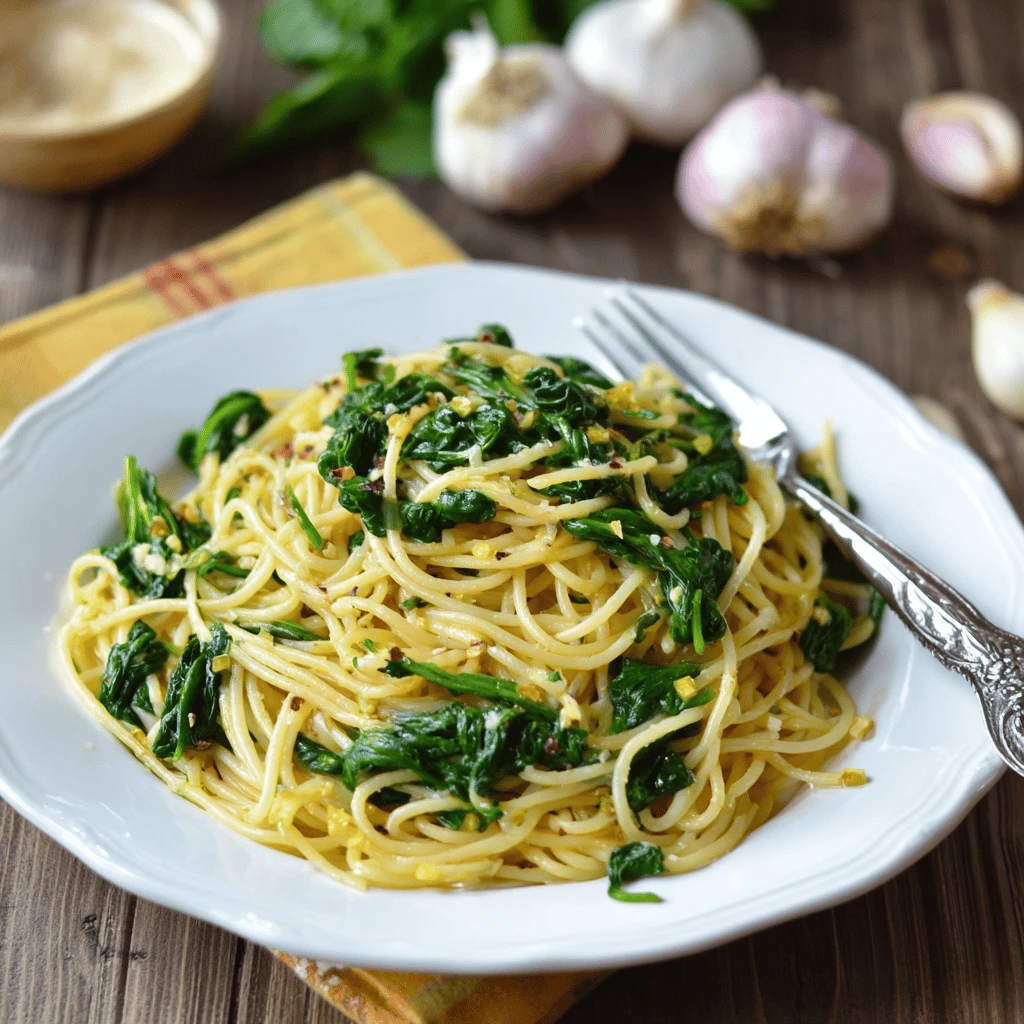
- Pasta: Serve over your favorite pasta with a drizzle of olive oil and a sprinkle of Parmesan cheese.
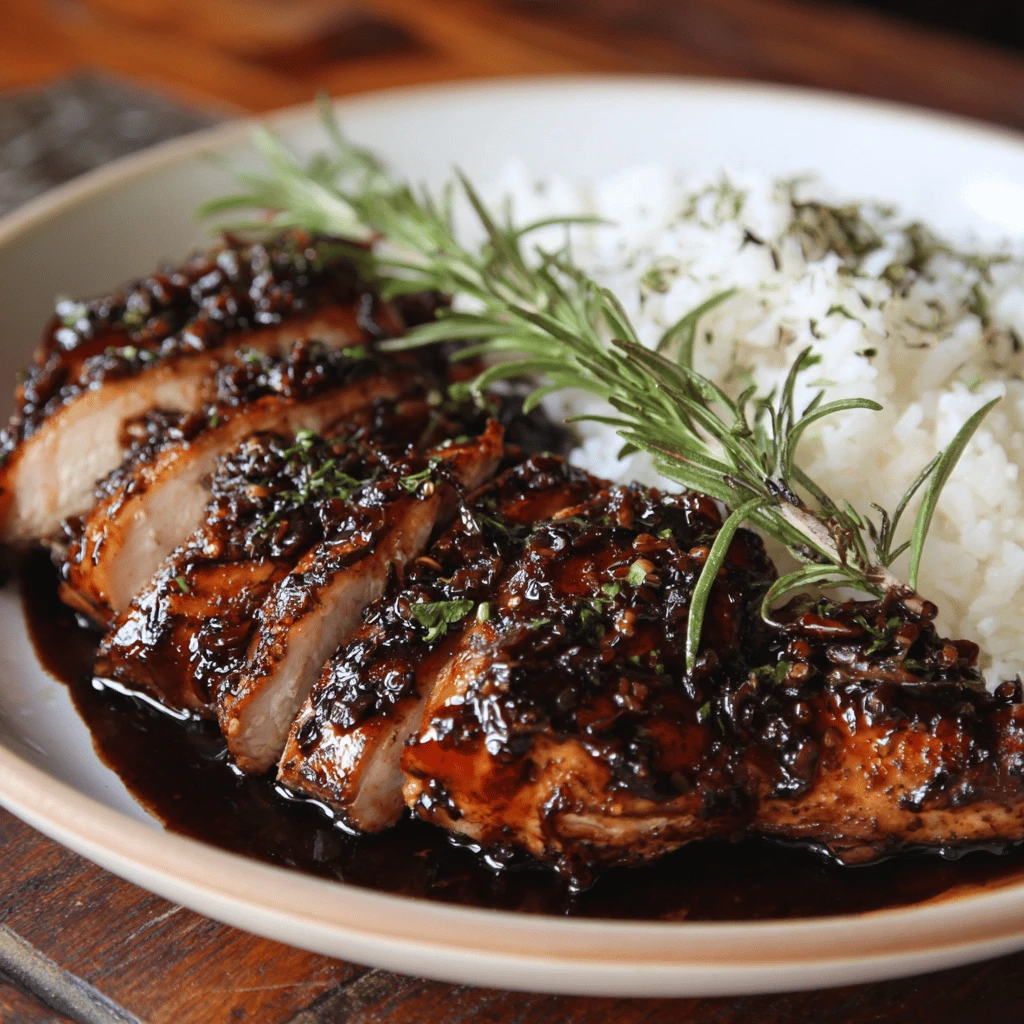
- Rice: Pair with white rice, brown rice, or quinoa for a hearty and satisfying meal.
- Roasted Vegetables: Roasted vegetables like asparagus, Brussels sprouts, or sweet potatoes are a healthy and flavorful accompaniment.
- Salad: Serve with a simple green salad for a light and refreshing meal.
- Mashed Potatoes: Creamy mashed potatoes provide a comforting and classic side dish.
Storing and Reheating Leftovers
Proper storage and reheating will ensure your leftover balsamic glazed chicken remains delicious.
Storage Instructions
Allow the chicken to cool completely before storing it in an airtight container in the refrigerator. It will keep for up to 3-4 days.
Reheating Methods
- Microwave: Reheat individual portions in the microwave for 1-2 minutes, or until heated through.
- Oven: Preheat the oven to 350°F (175°C). Place the chicken in an oven-safe dish with a little bit of water or broth to prevent it from drying out. Cover with foil and bake for 10-15 minutes, or until heated through.
- Skillet: Reheat the chicken in a skillet over medium heat with a little bit of olive oil or water. Cook for 5-7 minutes, or until heated through.
Frequently Asked Questions (FAQ)
Here are some common questions people have about making balsamic glazed chicken:
- Can I use bone-in chicken? Yes, but you’ll need to adjust the cooking time accordingly. Bone-in chicken will take longer to cook through. Make sure the internal temperature reaches 165°F (74°C).
- Can I make the glaze ahead of time? Absolutely! The glaze can be made up to 3 days in advance and stored in an airtight container in the refrigerator.
- My glaze is too thick. What should I do? Add a tablespoon of water or chicken broth to thin it out.
- My glaze is too thin. What should I do? Continue simmering the glaze for a few more minutes, stirring occasionally, until it reaches your desired consistency.
- Can I grill the chicken instead of cooking it in a skillet? Yes, you can grill the chicken. Grill the chicken over medium heat for 5-7 minutes per side, or until cooked through. Brush with the balsamic glaze during the last few minutes of grilling.
- What other herbs can I use? Feel free to experiment with different herbs such as rosemary, sage, or Italian seasoning.