Easy Recipe Shrimp Stir-Fry Shrimp stir-fry is a weeknight dinner champion. It’s quick, customizable, and packed with flavor. Forget takeout – this recipe delivers restaurant-quality results in your own kitchen in under 30 minutes. This guide walks you through creating a delicious and easy shrimp stir-fry, covering everything from ingredient selection to expert cooking tips….
Easy Recipe Shrimp Stir-Fry
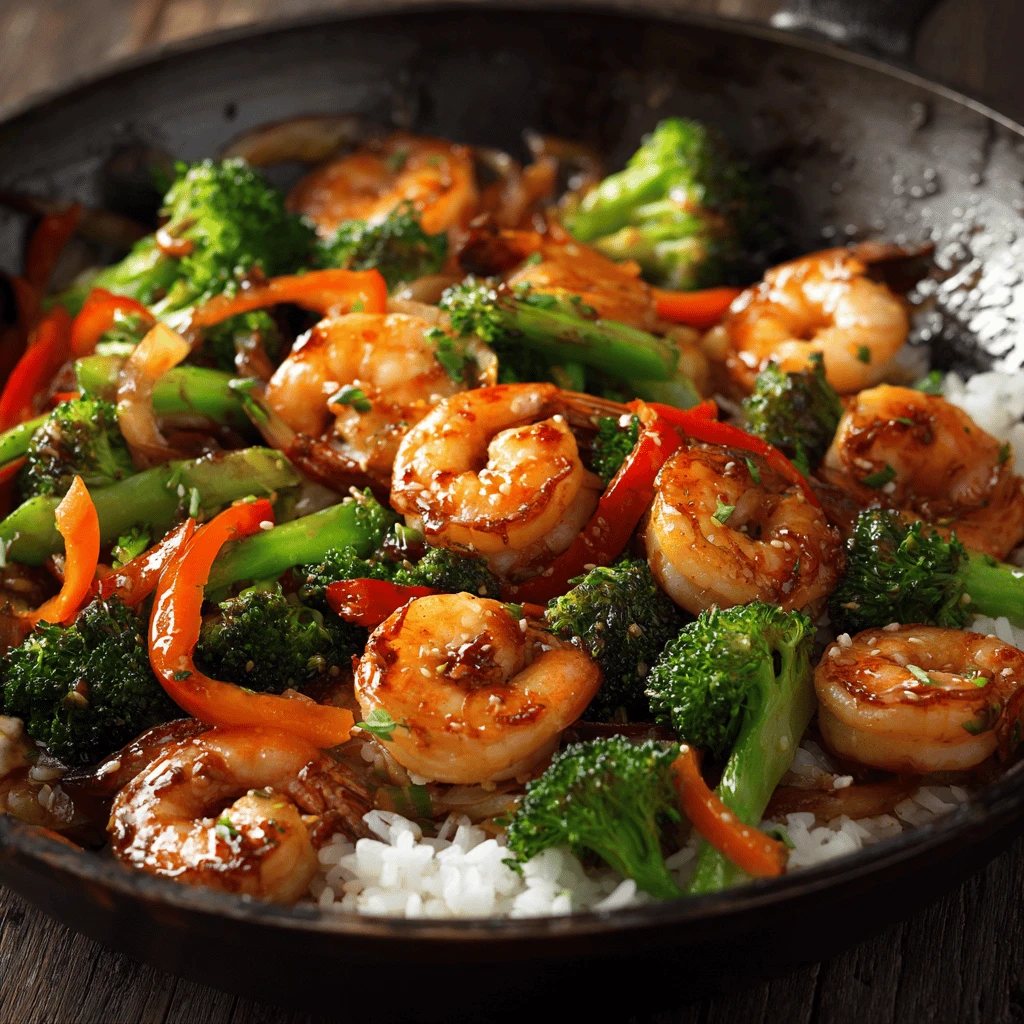
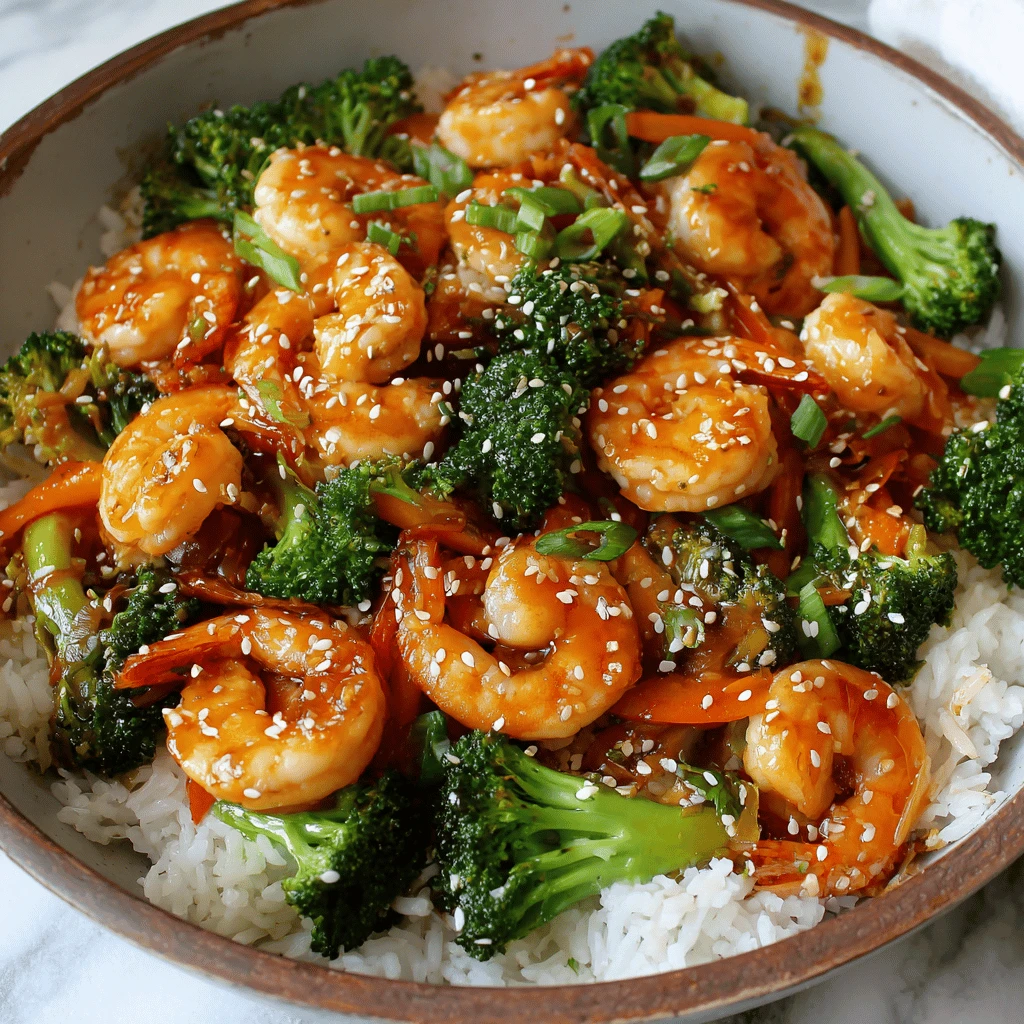
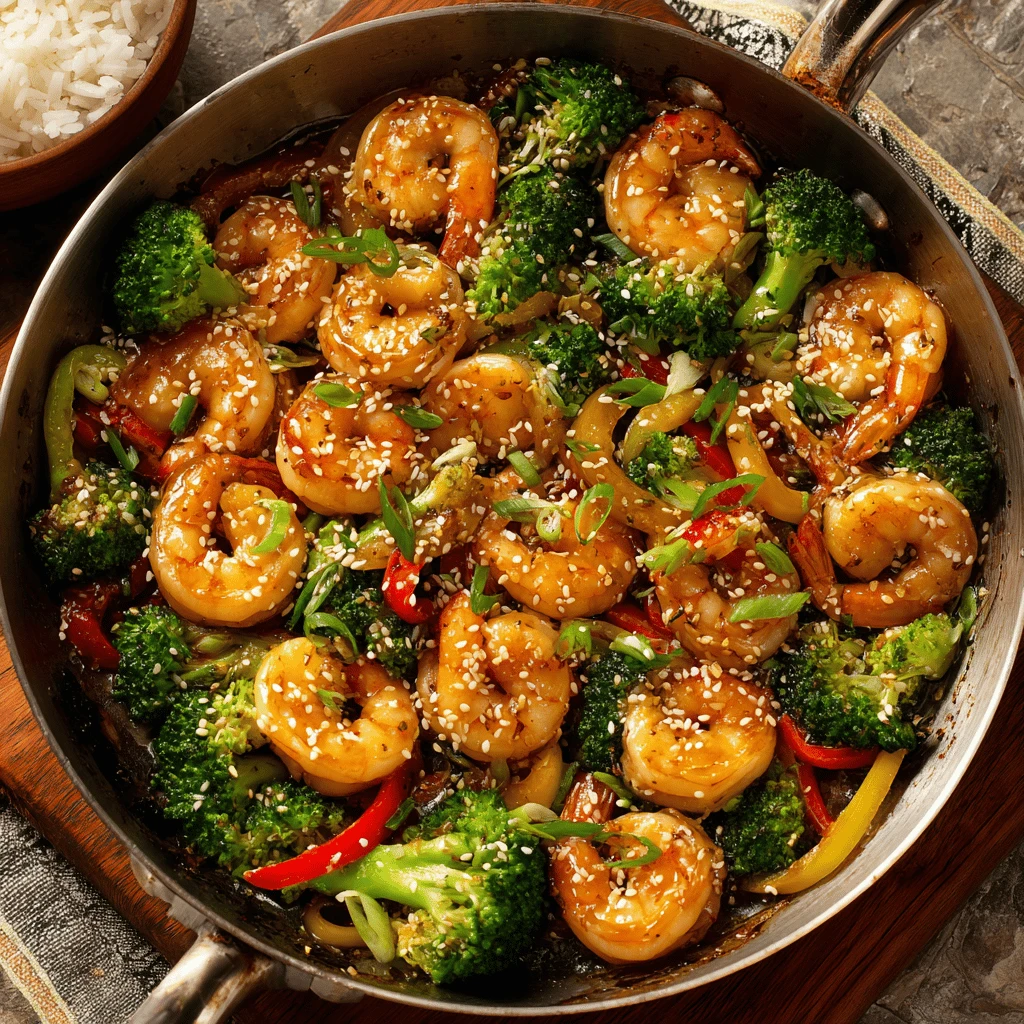
Shrimp stir-fry is a weeknight dinner champion. It’s quick, customizable, and packed with flavor. Forget takeout – this recipe delivers restaurant-quality results in your own kitchen in under 30 minutes. This guide walks you through creating a delicious and easy shrimp stir-fry, covering everything from ingredient selection to expert cooking tips.
The Foundation: Choosing Your Ingredients
The key to a great stir-fry lies in using fresh, high-quality ingredients. Here’s a breakdown of the essentials:
Shrimp Selection: Fresh or Frozen?
Fresh shrimp, if available and affordable, offers the best flavor and texture. Look for plump, firm shrimp with a fresh, slightly briny smell. Avoid shrimp with a strong fishy odor or a slimy texture. If fresh shrimp isn’t an option, frozen shrimp is a perfectly acceptable substitute. Buy shrimp that has already been peeled and deveined to save time and effort. Thaw the shrimp completely before cooking. The best way to thaw is overnight in the refrigerator. If you’re in a hurry, place the shrimp in a colander under cold running water until thawed.
Vegetable Variety: A Colorful Medley
The beauty of stir-fry is its versatility. You can use almost any vegetable you like! Some popular choices include:
- Broccoli: Adds a satisfying crunch and is packed with nutrients.
- Bell Peppers: Provide sweetness and vibrant color. Choose red, yellow, or orange for visual appeal.
- Snap Peas: Offer a delicate sweetness and a crisp texture.
- Carrots: Add sweetness and a pleasant crunch.
- Onions: Provide a savory base flavor.
- Mushrooms: Contribute an earthy umami flavor.
- Bok Choy: Adds a mild, slightly peppery flavor and a tender texture.
Feel free to mix and match your favorite vegetables. Aim for a variety of colors and textures for a more appealing and satisfying stir-fry. Remember to cut all the vegetables into uniform sizes to ensure even cooking.
The Sauce: Flavor Powerhouse
The sauce is what ties the entire stir-fry together. A good stir-fry sauce should be balanced, with a combination of sweet, savory, and umami flavors. Here’s a classic stir-fry sauce recipe:
- Soy Sauce: Provides the base of savory flavor. Use low-sodium soy sauce to control the saltiness.
- Oyster Sauce: Adds a rich, umami flavor. If you don’t have oyster sauce, you can substitute hoisin sauce or a mixture of soy sauce and a pinch of sugar.
- Sesame Oil: Contributes a nutty aroma and flavor. Use toasted sesame oil for a more intense flavor.
- Rice Vinegar: Adds a touch of acidity to balance the flavors.
- Ginger: Provides a warm, spicy flavor. Use fresh ginger for the best results.
- Garlic: Adds a pungent, aromatic flavor. Use fresh garlic for the best flavor.
- Cornstarch: Thickens the sauce and gives it a glossy sheen.
- Sugar: Balances the savory flavors and adds a touch of sweetness.
You can adjust the proportions of these ingredients to suit your taste. For a spicier stir-fry, add a pinch of red pepper flakes or a dash of sriracha.
Step-by-Step: Cooking the Perfect Stir-Fry
Now that you have your ingredients prepped, it’s time to start cooking! Follow these step-by-step instructions for a perfect shrimp stir-fry every time.
Preparation is Key: Mise en Place
Before you even turn on the stove, make sure all your ingredients are prepped and ready to go. This is crucial because stir-frying is a fast-paced cooking method. Having everything within reach will prevent you from burning or overcooking any of the ingredients.
- Chop all vegetables: Cut them into bite-sized pieces.
- Prepare the sauce: Whisk together all the sauce ingredients in a small bowl.
- Pat the shrimp dry: This will help them brown better.
High Heat is Essential: Wok Hei
The key to a good stir-fry is cooking over high heat. This creates what is known as “wok hei,” a slightly smoky, charred flavor that is characteristic of authentic stir-fries. If you have a wok, use it! Its curved shape is ideal for stir-frying because it allows the heat to be distributed evenly. If you don’t have a wok, a large skillet will work just fine.
- Heat the wok or skillet: Place your wok or skillet over high heat and let it heat up until it’s smoking hot.
- Add oil: Add a tablespoon or two of vegetable oil to the wok or skillet.
- Cook the shrimp: Add the shrimp to the wok or skillet and cook for 2-3 minutes, or until they are pink and opaque. Be careful not to overcook the shrimp, as they will become rubbery. Remove the shrimp from the wok or skillet and set aside.
- Cook the vegetables: Add the vegetables to the wok or skillet and cook for 5-7 minutes, or until they are tender-crisp. Start with the vegetables that take the longest to cook, such as broccoli and carrots.
- Add the sauce: Pour the sauce over the vegetables and cook for 1-2 minutes, or until the sauce has thickened.
- Return the shrimp: Add the shrimp back to the wok or skillet and toss to coat with the sauce.
- Serve immediately: Serve the shrimp stir-fry immediately over rice or noodles.
Tips for Success: Achieving Stir-Fry Perfection
Here are a few additional tips to help you achieve stir-fry perfection:
- Don’t overcrowd the pan: Cook the ingredients in batches if necessary to avoid overcrowding the pan. Overcrowding will lower the temperature of the pan and result in steamed vegetables instead of stir-fried vegetables.
- Stir constantly: Keep the ingredients moving in the wok or skillet to ensure even cooking.
- Adjust the sauce to your liking: Feel free to adjust the amount of soy sauce, oyster sauce, or other ingredients to suit your taste.
- Garnish with sesame seeds and green onions: This adds visual appeal and extra flavor.
Customizing Your Stir-Fry: Endless Possibilities
One of the best things about stir-fry is its versatility. You can easily customize the recipe to suit your taste and dietary preferences.
Protein Power: Beyond Shrimp
While this recipe focuses on shrimp, you can easily substitute other proteins. Chicken, beef, pork, or tofu are all great options. Just be sure to adjust the cooking time accordingly.
- Chicken: Cut the chicken into bite-sized pieces and cook until it is cooked through.
- Beef: Use a tender cut of beef, such as sirloin or flank steak. Cut the beef into thin strips and cook until it is browned.
- Pork: Use a lean cut of pork, such as pork tenderloin or pork chops. Cut the pork into bite-sized pieces and cook until it is cooked through.
- Tofu: Use firm or extra-firm tofu. Press the tofu to remove excess water before cooking. Cut the tofu into cubes and cook until it is browned.
Vegetarian Variations: Plant-Based Delights
For a vegetarian or vegan stir-fry, simply omit the shrimp and add more vegetables or tofu. You can also add other plant-based proteins, such as tempeh or seitan.
Spice It Up: Adding Heat
If you like a little heat, add a pinch of red pepper flakes or a dash of sriracha to the sauce. You can also add some sliced chili peppers to the stir-fry.
Serving Suggestions: Completing the Meal
Shrimp stir-fry is delicious served over rice or noodles. White rice, brown rice, or jasmine rice are all good options. For noodles, try egg noodles, ramen noodles, or rice noodles. You can also serve the stir-fry with a side of steamed broccoli or a simple salad.
Storage and Reheating: Making the Most of Leftovers
Shrimp stir-fry is best served fresh, but leftovers can be stored in the refrigerator for up to 3 days. To reheat, simply microwave until heated through or stir-fry in a pan over medium heat. Be careful not to overcook the shrimp when reheating, as they will become rubbery.
To prevent the vegetables from becoming soggy, store the sauce separately from the vegetables and shrimp. Add the sauce just before reheating.
Frequently Asked Questions
Can I use frozen vegetables in stir-fry?
Yes, you can use frozen vegetables, but fresh vegetables generally provide better texture. If using frozen, thaw them slightly and pat them dry before adding them to the stir-fry.
What kind of oil is best for stir-fry?
Use a high-smoke-point oil like vegetable oil, canola oil, or peanut oil. These oils can withstand the high heat required for stir-frying without burning.
How do I prevent my stir-fry from being soggy?
Avoid overcrowding the pan and pat the ingredients dry before cooking. Cook in batches if necessary. Also, don’t overcook the vegetables. They should be tender-crisp.
Can I make stir-fry ahead of time?
While it’s best served fresh, you can prep the ingredients (chop vegetables, make the sauce) ahead of time. Store them separately and cook the stir-fry just before serving.
What if I don’t have oyster sauce?
You can substitute hoisin sauce or a mixture of soy sauce and a pinch of sugar.