
Easy Recipe: Sweet and Sour Pork Sweet and sour pork is a beloved dish, known for its delightful combination of savory and sweet flavors. This classic Chinese-American favorite features crispy pork tossed in a tangy sauce, making it a satisfying and easy meal to prepare at home. This article will guide you through a foolproof…
Easy Recipe: Sweet and Sour Pork
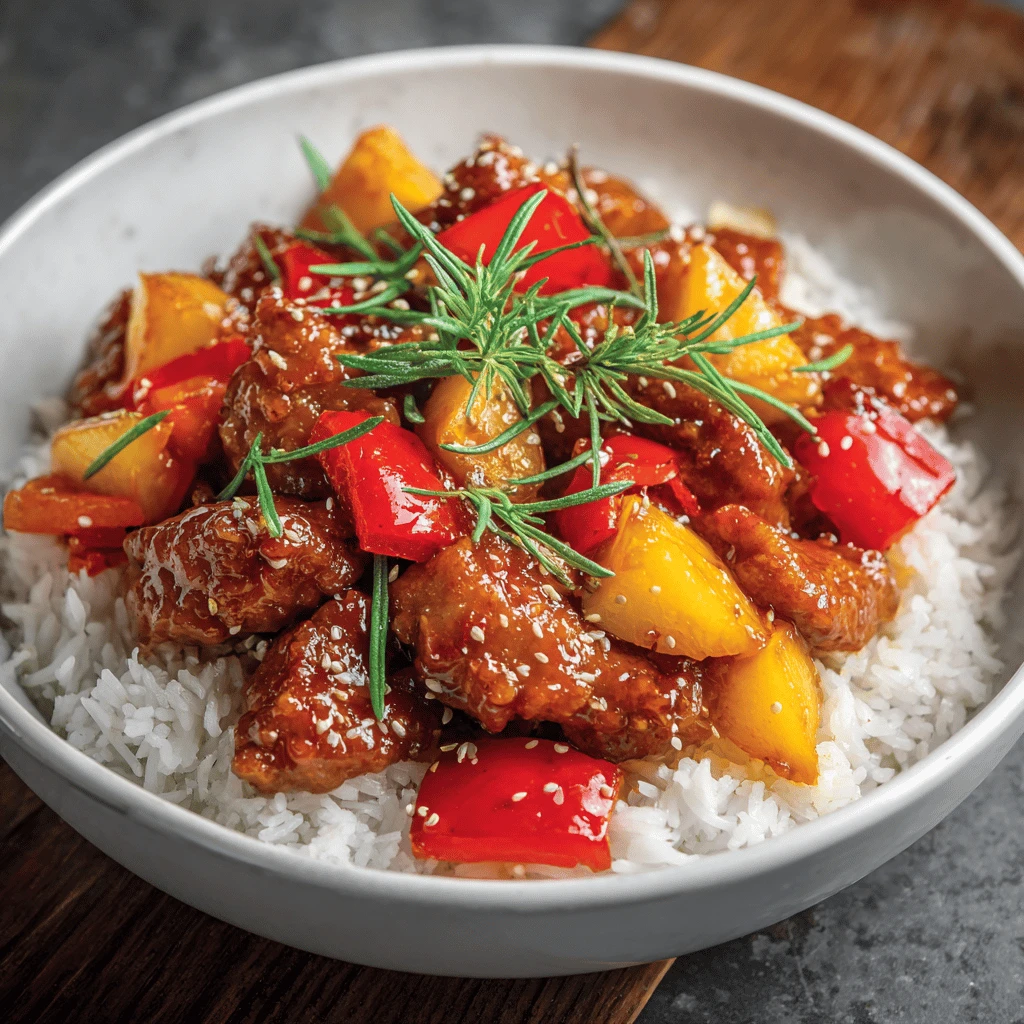
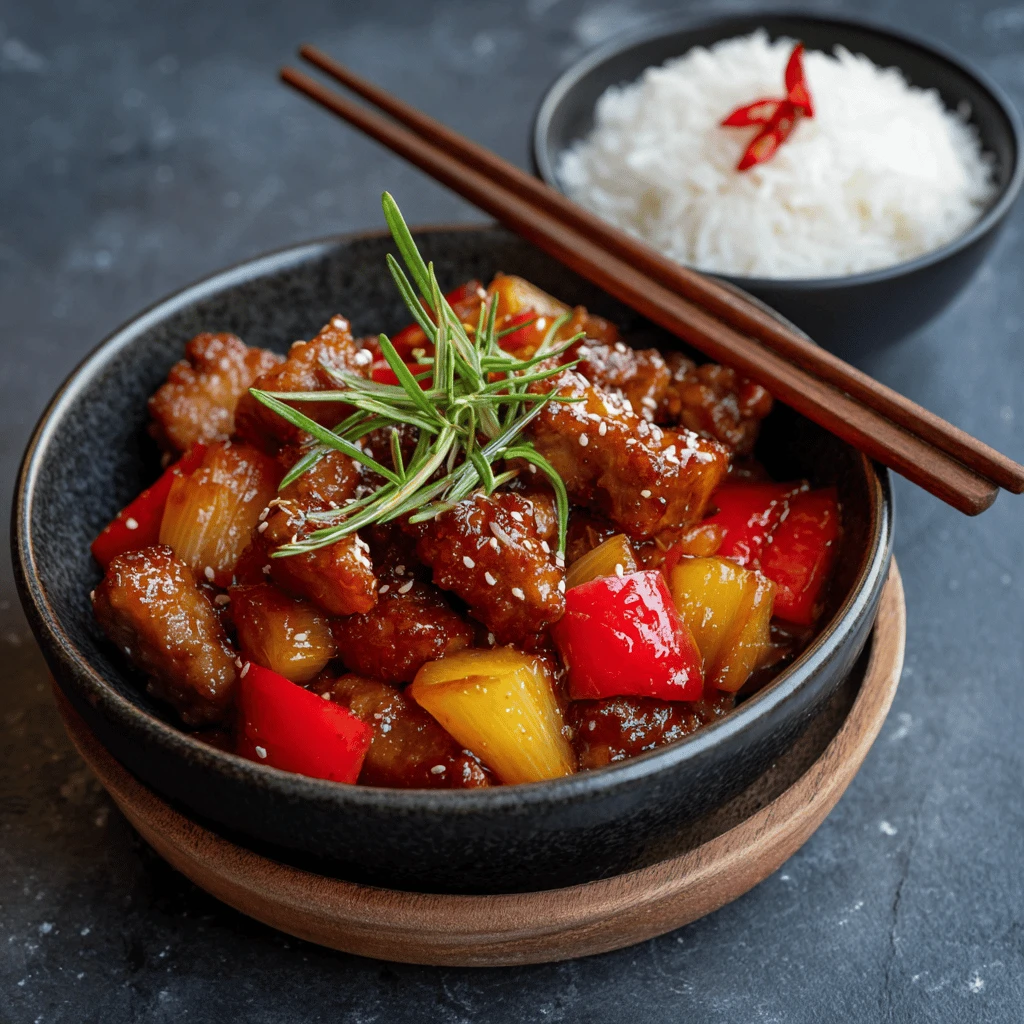
Sweet and sour pork is a beloved dish, known for its delightful combination of savory and sweet flavors. This classic Chinese-American favorite features crispy pork tossed in a tangy sauce, making it a satisfying and easy meal to prepare at home. This article will guide you through a foolproof recipe, offering helpful tips and tricks to create restaurant-quality sweet and sour pork in your kitchen.
Understanding the Foundations of Sweet and Sour Pork
The key to exceptional sweet and sour pork lies in understanding the core components: the pork, the batter, and the sauce. Each element plays a crucial role in achieving the perfect balance of textures and flavors.
Selecting the Right Pork
The most commonly used cut of pork for this dish is pork shoulder (also known as Boston butt) or pork tenderloin. Pork shoulder provides a richer flavor and remains tender during cooking, while pork tenderloin offers a leaner option that cooks quickly. Cut the pork into bite-sized, roughly 1-inch cubes. Consistent sizing ensures even cooking.
Crafting the Perfect Batter
The batter is crucial for creating the crispy exterior that contrasts beautifully with the tender pork inside. A simple batter consisting of cornstarch, flour, egg, and water works exceptionally well. Cornstarch helps achieve that characteristic crispness. A touch of baking powder can also be added for a lighter, airier texture. Whisk the ingredients until smooth, ensuring no lumps remain. The batter should be thick enough to coat the pork evenly but not so thick that it becomes heavy.
Mastering the Sweet and Sour Sauce
The sauce is where the magic happens. A classic sweet and sour sauce is a harmonious blend of sweet, sour, and savory notes. The base typically includes ingredients such as ketchup, white vinegar, sugar, and soy sauce. Some recipes incorporate pineapple juice for added sweetness and tang. For a richer flavor profile, consider adding a touch of Worcestershire sauce or rice vinegar. The sauce should be simmered until it thickens slightly, creating a glossy coating that clings to the pork.
Step-by-Step Guide to Delicious Sweet and Sour Pork
Now that you understand the fundamentals, let’s dive into the step-by-step instructions for making this delectable dish.
Preparing the Pork
1. Cut the Pork: Slice the pork into 1-inch cubes and pat them dry with paper towels. Drying the pork helps the batter adhere better, resulting in a crispier finish.
2. Marinate (Optional): While not essential, marinating the pork for 30 minutes to an hour can enhance its flavor. A simple marinade of soy sauce, ginger, and garlic works wonders.
3. Coat with Cornstarch: Lightly coat the pork cubes with cornstarch. This helps the batter adhere and creates an extra layer of crispness.
Creating the Batter and Frying the Pork
1. Prepare the Batter: In a bowl, whisk together cornstarch, flour, egg, water, and baking powder (if using) until smooth.
2. Coat the Pork: Dip each pork cube into the batter, ensuring it’s fully coated.
3. Fry the Pork: Heat vegetable oil in a deep fryer or large skillet to 350°F (175°C). Carefully add the battered pork in batches, avoiding overcrowding the pan. Fry for 3-4 minutes, or until golden brown and cooked through.
4. Drain the Pork: Remove the fried pork from the oil and place it on a wire rack to drain excess oil. This helps maintain its crispness.
Making the Sweet and Sour Sauce
1. Combine Ingredients: In a saucepan, combine ketchup, white vinegar, sugar, soy sauce, and pineapple juice (if using).
2. Simmer the Sauce: Bring the sauce to a simmer over medium heat, stirring constantly.
3. Thicken the Sauce: Simmer for 5-7 minutes, or until the sauce thickens to your desired consistency. You can add a cornstarch slurry (cornstarch mixed with water) to speed up the thickening process if needed.
4. Adjust Seasoning: Taste the sauce and adjust the seasoning as needed. Add more sugar for sweetness, vinegar for tanginess, or soy sauce for saltiness.
Combining and Serving
1. Toss the Pork: Add the fried pork to the saucepan with the sweet and sour sauce and toss to coat evenly.
2. Serve Immediately: Serve the sweet and sour pork immediately over steamed rice or noodles.
3. Garnish (Optional): Garnish with sesame seeds, chopped green onions, or pineapple chunks for added visual appeal and flavor.
Tips and Tricks for the Best Sweet and Sour Pork
To elevate your sweet and sour pork to restaurant quality, consider these helpful tips and tricks:
Achieving Maximum Crispiness
- Double Frying: For extra crispy pork, fry it twice. Fry it once at a lower temperature (325°F/160°C) for 5 minutes, then remove and let it rest for a few minutes. Fry it again at a higher temperature (375°F/190°C) for 1-2 minutes until golden brown and extra crispy.
- Use Cold Liquid: Using ice-cold water or sparkling water in the batter can help create a lighter, crispier texture.
- Don’t Overcrowd the Pan: Frying the pork in batches prevents the oil temperature from dropping too much, which can result in soggy pork.
Enhancing the Sauce Flavor
- Add Aromatics: Sautéing minced garlic and ginger in a little oil before adding the sauce ingredients can add depth of flavor.
- Experiment with Vinegar: Try using different types of vinegar, such as rice vinegar or apple cider vinegar, for a unique twist on the classic flavor.
- Incorporate Fruit: Adding diced pineapple, bell peppers, or onions to the sauce adds texture and flavor.
Serving Suggestions
- Pair with Rice or Noodles: Steamed white rice is a classic accompaniment, but brown rice or fried rice also work well. For noodles, try egg noodles or lo mein.
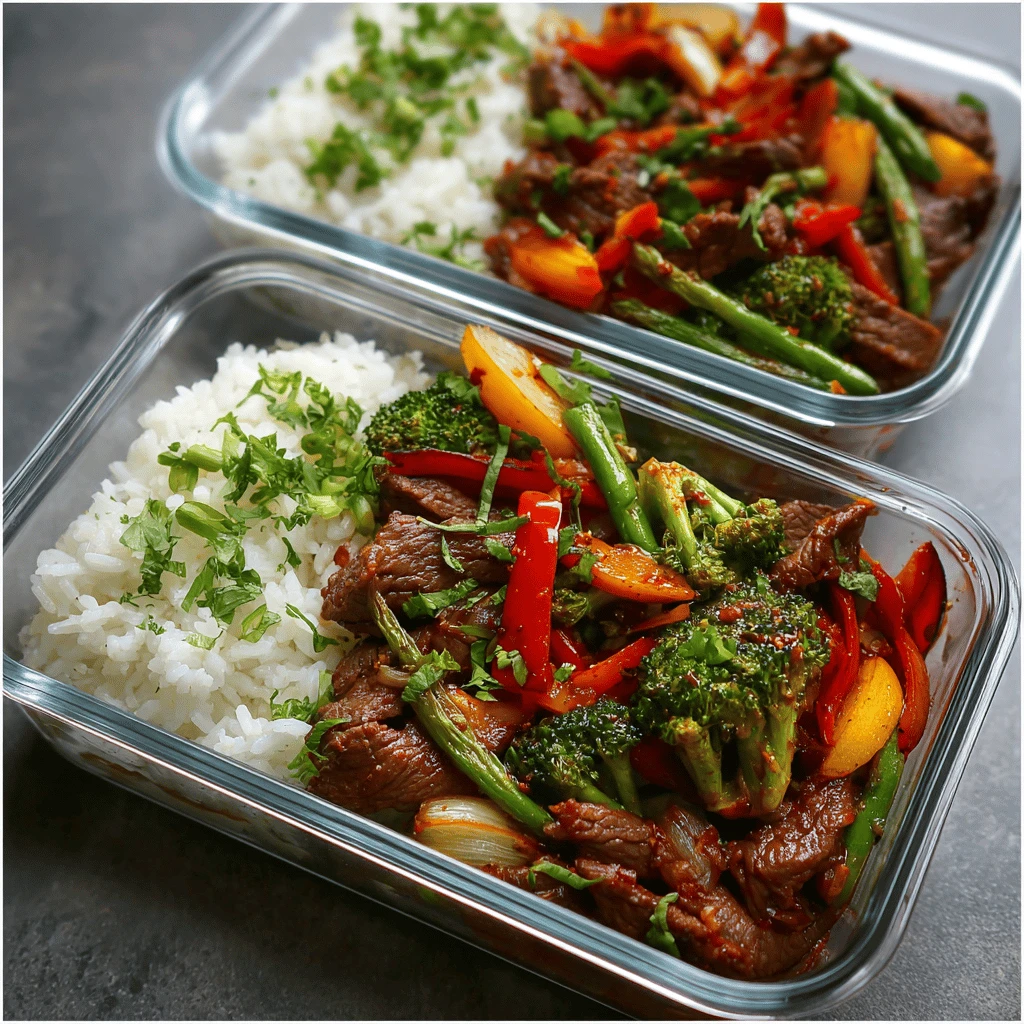
- Add Vegetables: Serve the sweet and sour pork with stir-fried vegetables such as broccoli, carrots, and snap peas for a more balanced meal.
- Make it a Family Affair: Sweet and sour pork is a great dish to share with family and friends. Serve it buffet-style with various sides and toppings for a fun and interactive meal.
Variations and Adaptations of Sweet and Sour Pork
Sweet and sour pork is a versatile dish that can be adapted to suit different tastes and dietary preferences.
Vegetarian Sweet and Sour
Replace the pork with tofu or tempeh for a vegetarian version. Press the tofu to remove excess water, then cut it into cubes and coat it with cornstarch before frying.
Healthier Options
- Bake Instead of Fry: For a healthier option, bake the pork instead of frying it. Toss the battered pork with a little oil and bake at 400°F (200°C) for 20-25 minutes, or until golden brown and cooked through.
- Reduce Sugar: Reduce the amount of sugar in the sauce to lower the calorie count. You can also use a sugar substitute, such as honey or maple syrup, in moderation.
- Use Lean Pork: Opt for pork tenderloin, which is a leaner cut of pork, to reduce the fat content.
Global Twists
- Korean Sweet and Sour Pork (Tangsuyuk): This variation features a lighter, crispier batter and a more delicate sauce made with soy sauce, vinegar, and sugar.
- Thai Sweet and Sour Pork: Add a touch of Thai flavor by incorporating ingredients such as fish sauce, lime juice, and chili flakes into the sauce.
Frequently Asked Questions (FAQ)
- What kind of pork is best for sweet and sour pork? Pork shoulder (Boston butt) or pork tenderloin are excellent choices. Pork shoulder offers rich flavor and stays tender, while pork tenderloin is leaner and cooks quickly.
- How do I make the pork crispy? Use cornstarch in the batter, avoid overcrowding the pan when frying, and consider double-frying for extra crispiness.
- Can I make sweet and sour pork ahead of time? While it’s best served fresh, you can prepare the pork and sauce separately ahead of time. Store them in airtight containers in the refrigerator. Reheat the sauce and toss with the pork just before serving.
- How do I store leftover sweet and sour pork? Store leftover sweet and sour pork in an airtight container in the refrigerator for up to 3 days. Reheat in a skillet or microwave.
- Can I freeze sweet and sour pork? Freezing is not recommended, as the pork may become soggy when thawed. However, you can freeze the sauce separately.
- What can I serve with sweet and sour pork? Steamed rice, fried rice, noodles, and stir-fried vegetables are all excellent accompaniments.
- How do I thicken sweet and sour sauce? Simmer the sauce until it thickens naturally. If needed, add a cornstarch slurry (cornstarch mixed with water) to speed up the thickening process.
- Why is my sweet and sour pork not crispy? Ensure the oil is hot enough, don’t overcrowd the pan, and use cornstarch in the batter. Double-frying can also help.
- Can I use pineapple juice in the sauce? Yes, pineapple juice adds a delightful sweetness and tang to the sauce.