Edamame with Sea Salt: A Healthy and Delicious Snack Introduction: The Perfect Guilt-Free Treat Edamame, those vibrant green soybeans in their pods, have emerged as a superstar in the world of healthy snacking. Often served steamed and sprinkled with sea salt, they offer a satisfying combination of flavor, texture, and nutritional benefits. This unassuming snack…
Edamame with Sea Salt: A Healthy and Delicious Snack
Introduction: The Perfect Guilt-Free Treat
Edamame, those vibrant green soybeans in their pods, have emerged as a superstar in the world of healthy snacking. Often served steamed and sprinkled with sea salt, they offer a satisfying combination of flavor, texture, and nutritional benefits. This unassuming snack is more than just a tasty treat; it’s a powerhouse of vitamins, minerals, and plant-based protein, making it an ideal choice for anyone seeking a nutritious and guilt-free option. In this comprehensive guide, we’ll delve into the many reasons why edamame with sea salt is a smart addition to your diet and how to incorporate it into your snacking routine.
Nutritional Powerhouse: Why Edamame is Good for You
Edamame boasts an impressive nutritional profile that contributes to its health benefits. It’s an excellent source of plant-based protein, essential for building and repairing tissues, supporting muscle growth, and keeping you feeling full and satisfied. This makes it a particularly valuable snack for vegetarians, vegans, and anyone looking to increase their protein intake.
High in Fiber and Low in Calories
Beyond protein, edamame is packed with dietary fiber. Fiber aids digestion, promotes gut health, and helps regulate blood sugar levels, preventing those energy crashes associated with processed snacks. Moreover, edamame is relatively low in calories, making it a perfect option for weight management. A half-cup serving typically contains around 120 calories.
Rich in Vitamins and Minerals
Edamame is a good source of several essential vitamins and minerals, including folate, vitamin K, manganese, and iron. Folate is crucial for cell growth and development, while vitamin K plays a key role in blood clotting and bone health. Manganese supports metabolism and protects against cell damage, and iron is essential for carrying oxygen throughout the body.
Antioxidant Properties
Edamame contains antioxidants, which help protect your body against damage from harmful free radicals. These antioxidants can reduce inflammation and lower the risk of chronic diseases. The combination of nutrients and antioxidants makes edamame a truly remarkable snack that contributes to overall well-being.
Health Benefits of Edamame: Beyond the Snack
The nutritional value of edamame translates into a variety of health benefits, making it more than just a satisfying snack; it’s a proactive choice for a healthier lifestyle.
Supporting Heart Health
Edamame may help lower cholesterol levels, a key factor in reducing the risk of heart disease. The fiber and soy protein in edamame contribute to this effect. Studies have shown that regular consumption of soy products can lead to modest reductions in LDL (“bad”) cholesterol.
Promoting Bone Health
The vitamin K and manganese in edamame play a vital role in maintaining strong and healthy bones. Adequate vitamin K intake is linked to a reduced risk of fractures and osteoporosis.
Managing Blood Sugar
The combination of protein and fiber in edamame helps regulate blood sugar levels, making it a suitable snack for individuals with diabetes or those looking to prevent blood sugar spikes.
Aiding Weight Management
Due to its high protein and fiber content, edamame can help you feel fuller for longer, reducing the likelihood of overeating. This can be a valuable tool in weight management.
Potential Cancer-Fighting Properties
Some studies suggest that compounds in edamame may have cancer-fighting properties. While more research is needed, the isoflavones in edamame have been linked to a reduced risk of certain cancers, such as breast and prostate cancer.
Incorporating Edamame into Your Diet: Creative and Delicious Ideas
Edamame with sea salt is a simple and satisfying snack on its own, but there are many creative ways to incorporate it into your diet and enjoy its health benefits.
Steamed Edamame with Sea Salt: The Classic Choice
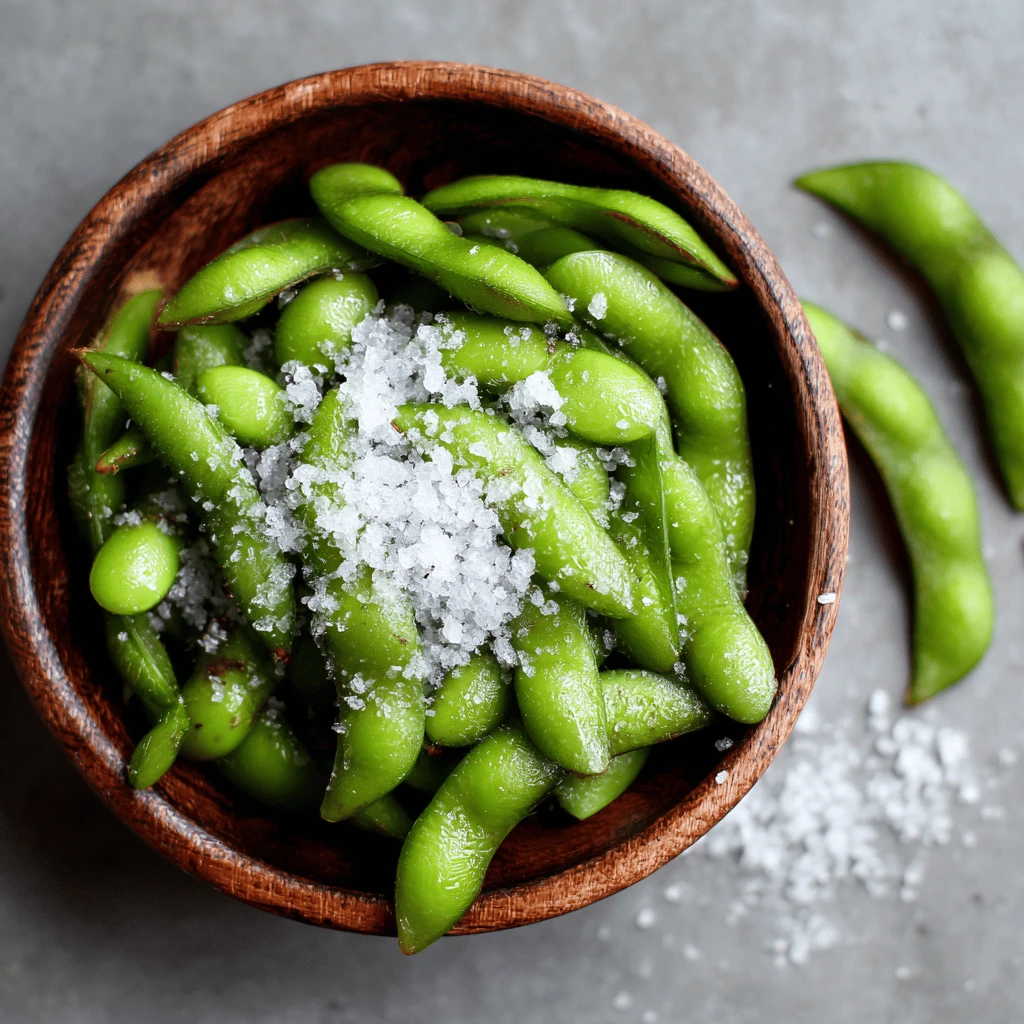
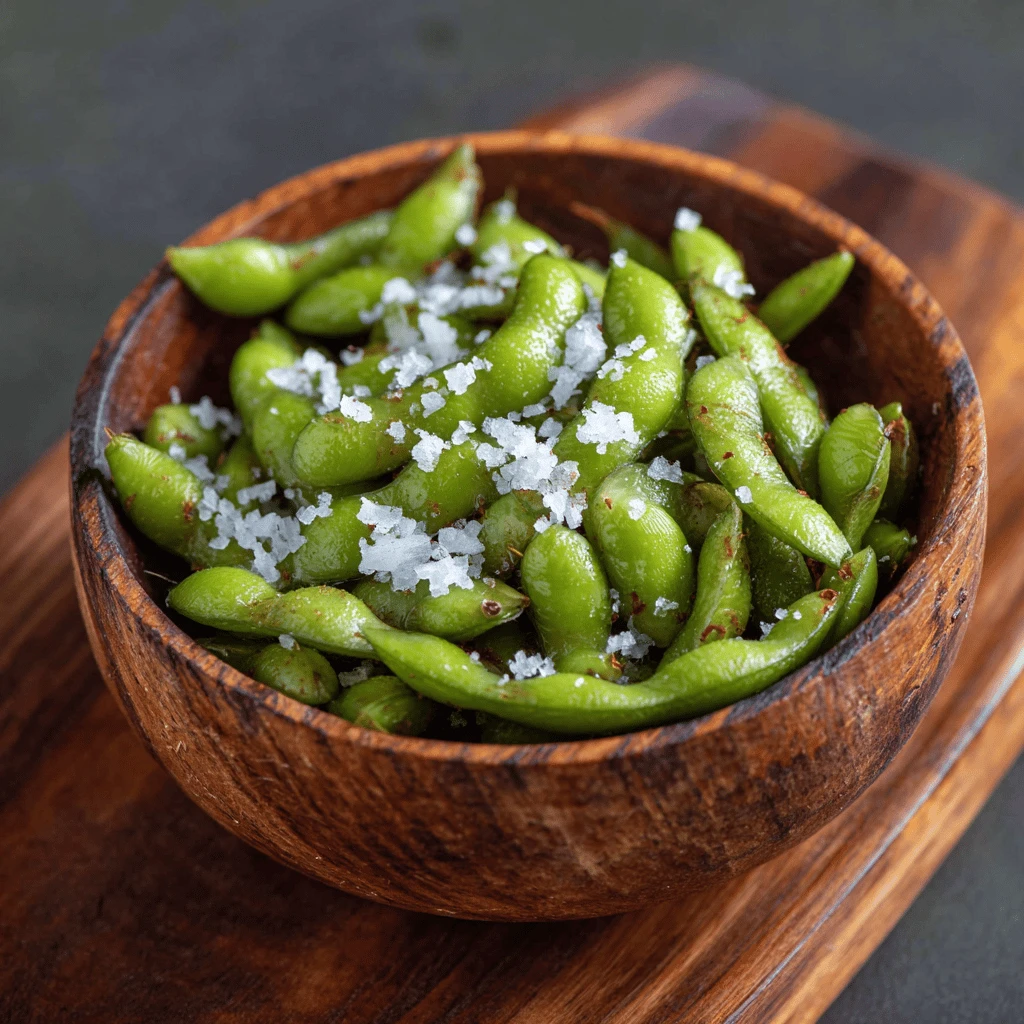
The simplest and most common way to enjoy edamame is to steam it in its pods and sprinkle it with sea salt. Simply steam the edamame for 5-7 minutes, until the pods are bright green and tender. Sprinkle with sea salt to taste and enjoy popping the beans directly into your mouth.
Edamame Salad
Add shelled edamame to your favorite salads for a boost of protein and fiber. It pairs well with leafy greens, cucumbers, tomatoes, and a light vinaigrette.
Edamame Hummus
Blend shelled edamame with tahini, lemon juice, garlic, and olive oil to create a unique and flavorful hummus. Serve with vegetables, pita bread, or crackers.
Edamame Stir-Fry
Incorporate edamame into your favorite stir-fries for added protein and texture. It complements vegetables like broccoli, carrots, and bell peppers.
Edamame Soup
Add shelled edamame to soups for a nutritious and filling meal. It works well in both clear broths and creamy soups.
Roasted Edamame
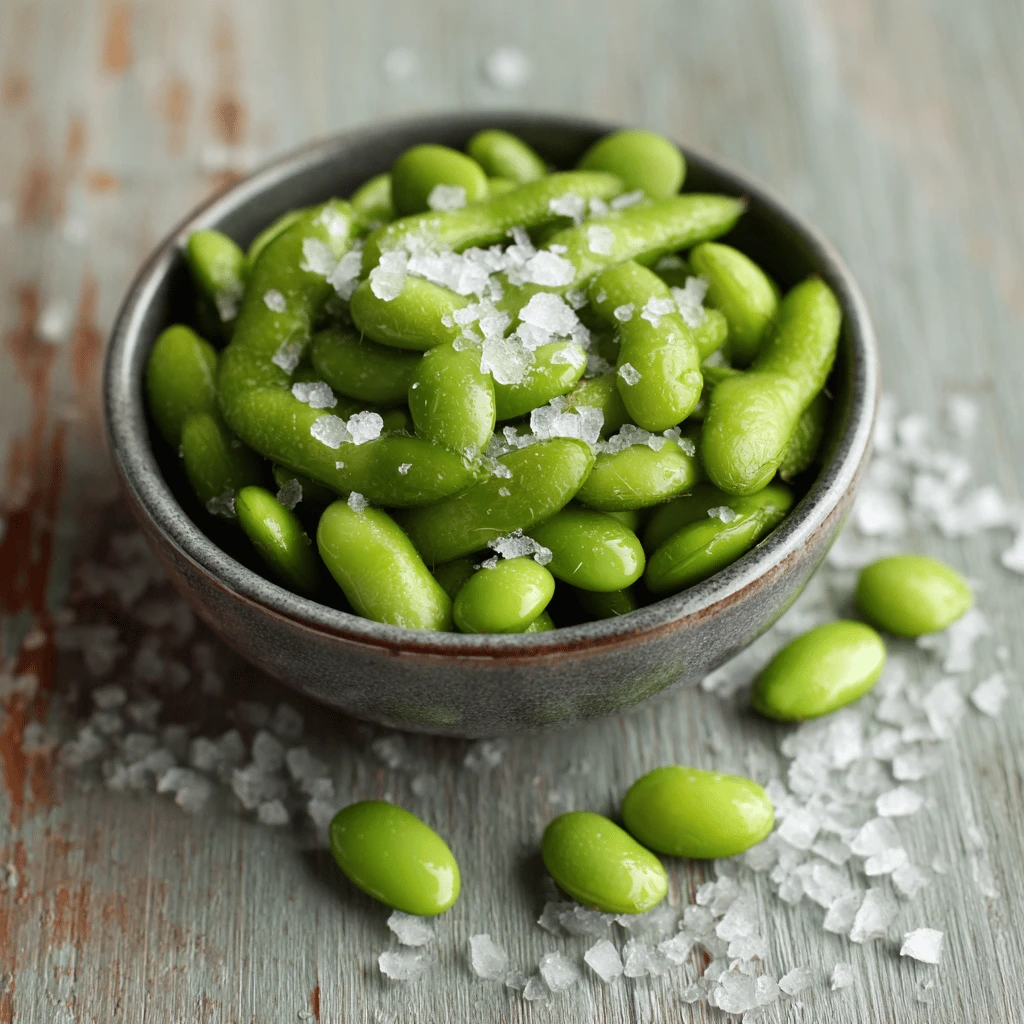
Roast shelled edamame in the oven for a crispy and crunchy snack. Toss with olive oil and your favorite spices for added flavor.
Edamame Pasta
Use edamame pasta as a base for your favorite pasta dishes. It’s a great alternative to traditional pasta for those looking to increase their protein and fiber intake.
Edamame Smoothie
Add shelled edamame to your smoothies for a boost of protein and nutrients. It blends well with fruits, vegetables, and yogurt.
Choosing and Preparing Edamame: Tips for the Best Results
When selecting edamame, look for bright green pods that are firm and plump. Avoid pods that are yellowing, shriveled, or have blemishes. Fresh edamame can be stored in the refrigerator for up to a week. Frozen edamame is also a convenient option and can be stored for several months.
Cooking Edamame
Edamame can be cooked in several ways:
- Steaming: Steam the pods for 5-7 minutes, until tender.
- Boiling: Boil the pods for 5-7 minutes, until tender.
- Microwaving: Microwave the pods for 2-3 minutes, with a little water.
- Roasting: Roast shelled edamame in the oven at 375°F (190°C) for 15-20 minutes, until crispy.
Seasoning Edamame
Sea salt is the classic seasoning for edamame, but you can experiment with other flavors as well. Try adding chili flakes, garlic powder, sesame oil, or soy sauce for a different twist.
Safety Considerations
Edamame is generally safe for most people. However, some individuals may experience allergic reactions to soy. If you have a soy allergy, avoid edamame and other soy products.
Frequently Asked Questions About Edamame
Is edamame good for weight loss?
Yes, edamame can be a helpful addition to a weight loss plan. It is low in calories and high in protein and fiber, which can help you feel full and satisfied, reducing the likelihood of overeating.
Is edamame high in protein?
Yes, edamame is a great source of plant-based protein. A half-cup serving contains about 8 grams of protein, making it a valuable snack for those looking to increase their protein intake.
Is edamame a complete protein?
Edamame is not considered a complete protein, as it doesn’t contain all nine essential amino acids in sufficient quantities. However, it contains all nine essential amino acids and is often considered a nearly complete protein and a very good source of protein, especially for plant-based eaters.
Is edamame good for you if you have diabetes?
Yes, edamame can be a good choice for individuals with diabetes. The fiber and protein in edamame help regulate blood sugar levels, preventing blood sugar spikes.
Can I eat edamame every day?
Yes, you can eat edamame every day as part of a balanced diet. It is a nutritious and versatile snack that can contribute to overall health and well-being. However, moderation is key, and it’s important to consume a variety of foods to ensure you’re getting all the nutrients your body needs.
How do you eat edamame with sea salt?
Edamame with sea salt is typically eaten straight from the pod. You pop the beans out of the pod with your teeth. Be careful not to eat the pod itself, as it is not digestible.
Is edamame a vegetable or a legume?
Edamame is technically a legume, but it is often considered a vegetable due to its nutritional profile and culinary uses.
Is edamame the same as soybeans?
Yes, edamame is the same as soybeans, but it is harvested at a younger stage when the beans are still green and tender. Mature soybeans are typically used to make soy milk, tofu, and other soy products.