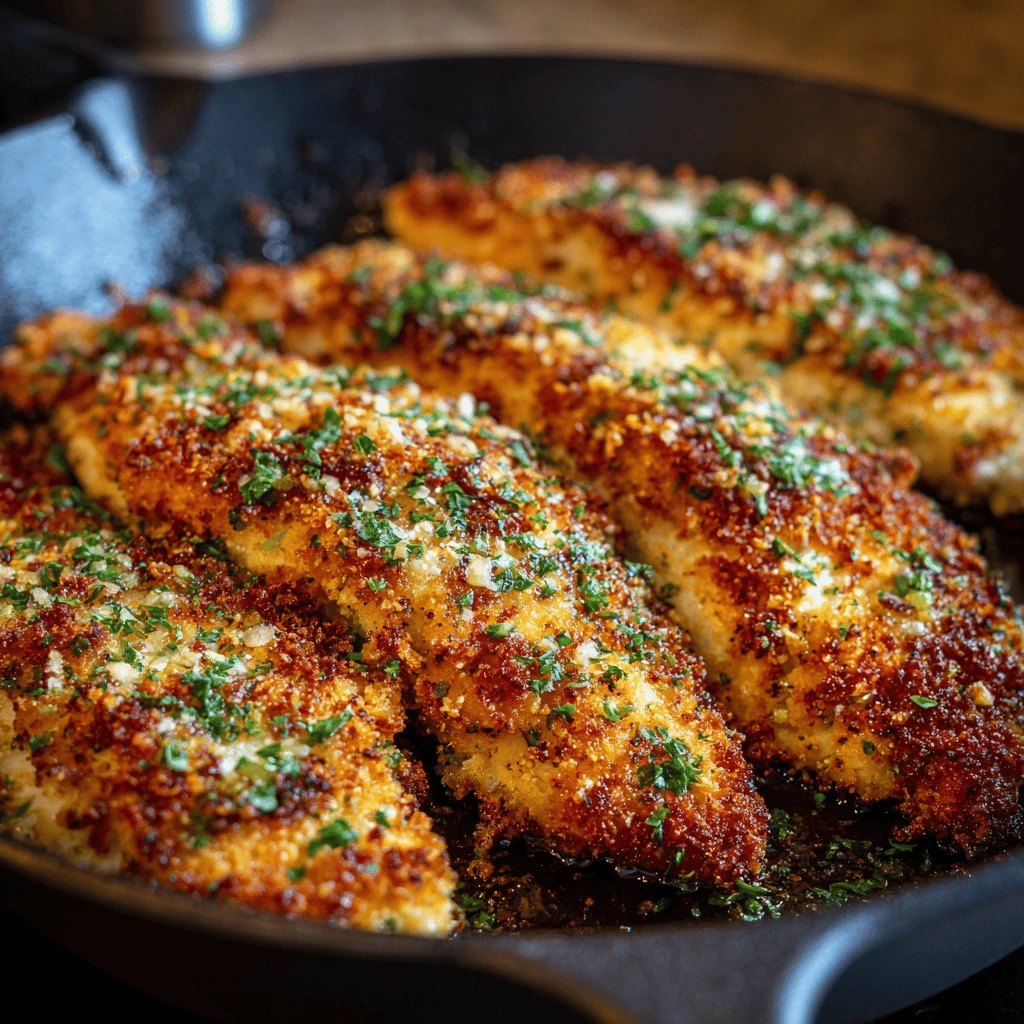
Garlic Parmesan Crusted Chicken: A Crispy, Flavor-Packed Delight Garlic Parmesan Crusted Chicken is a culinary masterpiece that marries the savory punch of garlic and parmesan with the juicy tenderness of chicken. This dish, known for its crispy, golden crust and effortless preparation, has become a weeknight staple for busy families and a crowd-pleasing option for…
Garlic Parmesan Crusted Chicken: A Crispy, Flavor-Packed Delight
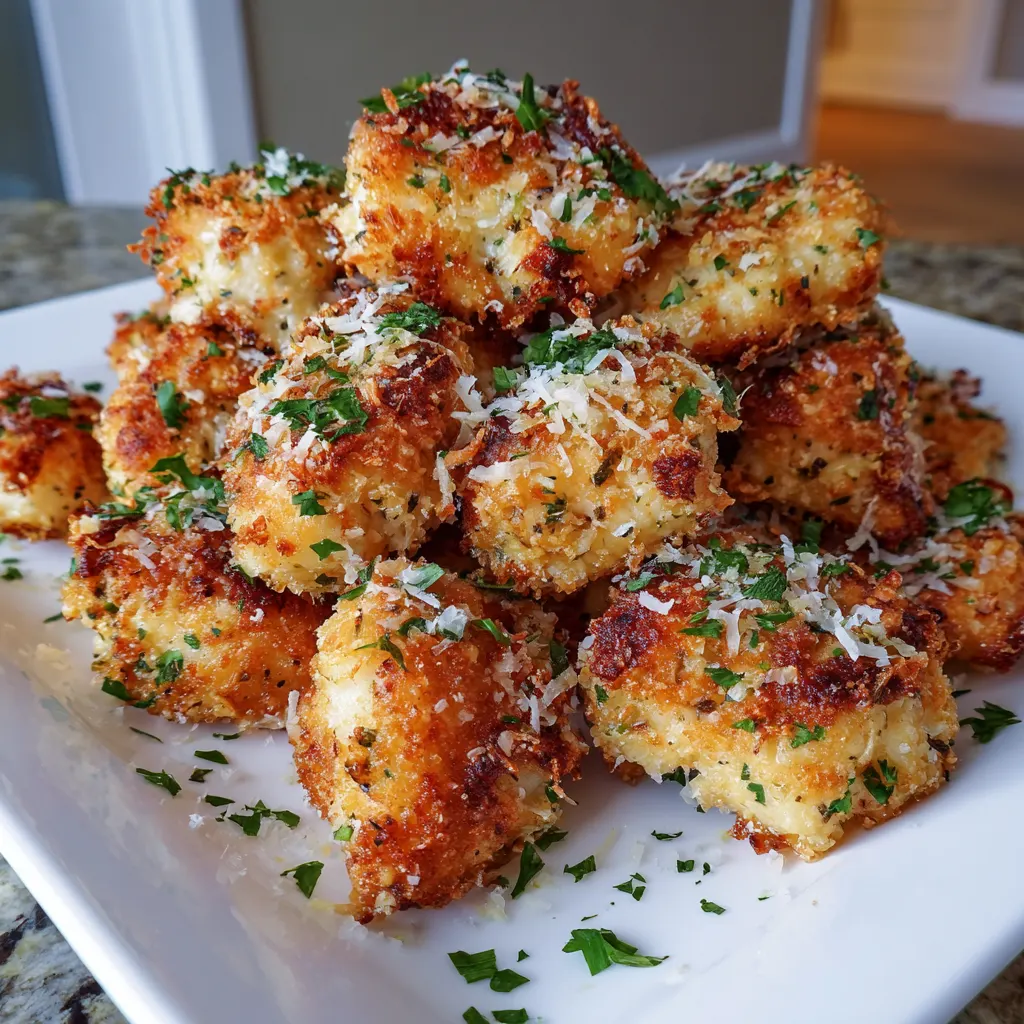
Garlic Parmesan Crusted Chicken is a culinary masterpiece that marries the savory punch of garlic and parmesan with the juicy tenderness of chicken. This dish, known for its crispy, golden crust and effortless preparation, has become a weeknight staple for busy families and a crowd-pleasing option for dinner parties. Whether you’re a seasoned chef or a novice cook, this guide will provide you with everything you need to create the perfect Garlic Parmesan Crusted Chicken every time.
The Secret to the Perfect Crust
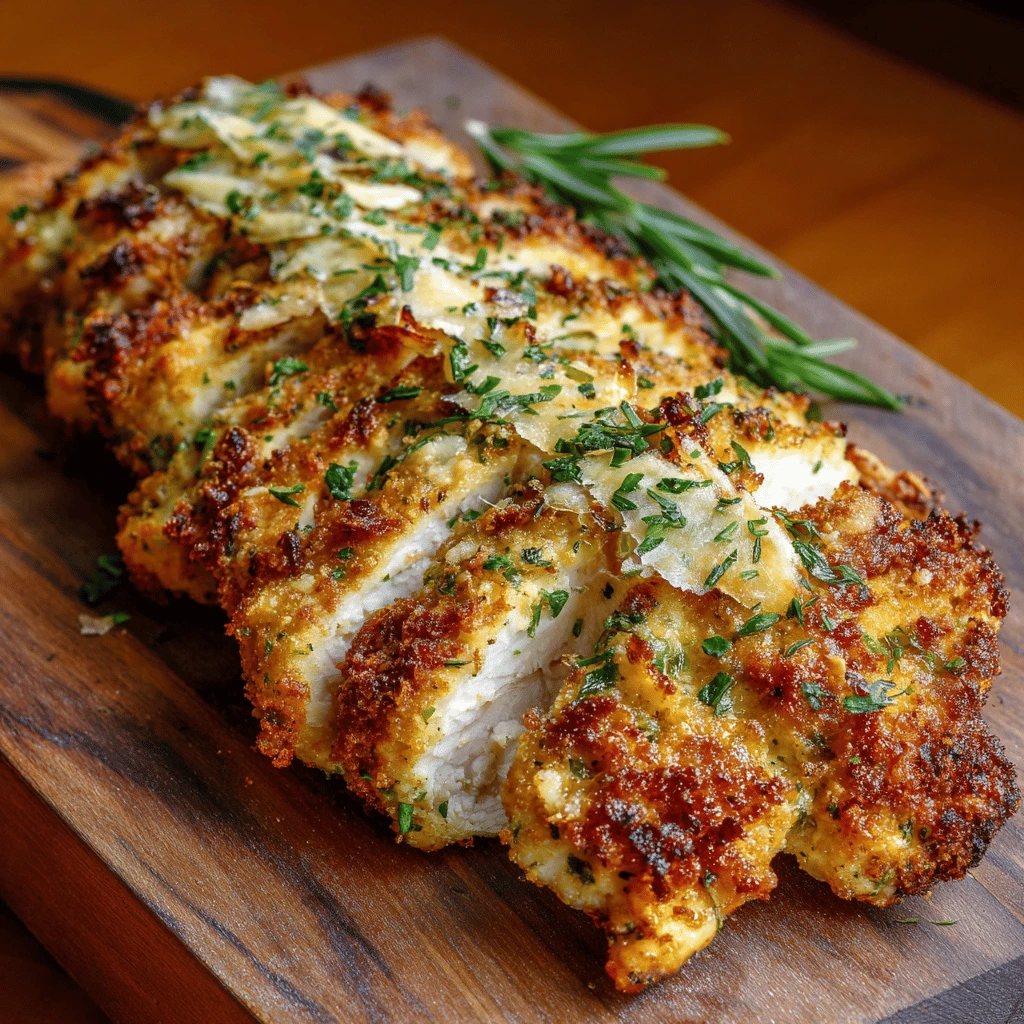
The hallmark of exceptional Garlic Parmesan Crusted Chicken lies in its irresistibly crispy and flavorful crust. Achieving this texture requires a careful balance of ingredients and technique. Here’s a breakdown of the key elements:
Choosing the Right Cheese
Parmesan cheese is non-negotiable for this dish. Its salty, nutty flavor and hard texture contribute significantly to the crust’s crispness. Opt for freshly grated Parmesan rather than the pre-shredded variety. Freshly grated cheese melts more evenly and binds better with the other ingredients, resulting in a superior crust. Avoid using Parmesan blends or substitutes, as they often contain additives that can compromise the texture and flavor of the final product.
The Importance of Panko Breadcrumbs
While traditional breadcrumbs can be used, Panko breadcrumbs are highly recommended for their light, airy texture. Panko crumbs are larger and flakier than regular breadcrumbs, allowing for greater air circulation during baking or pan-frying. This results in a significantly crispier crust. If you can’t find Panko, you can use standard breadcrumbs, but keep a close eye on them during cooking to prevent burning, as they tend to brown more quickly.
Garlic: Fresh vs. Powder
Fresh garlic is always preferable for its robust and aromatic flavor. Mince the garlic finely or use a garlic press to ensure it distributes evenly throughout the breadcrumb mixture. If using garlic powder, be mindful of the amount. Garlic powder can be quite potent, so start with a smaller quantity and adjust to taste. A combination of both fresh garlic and garlic powder can provide a layered garlic flavor that elevates the dish.
Binding Agents: Egg vs. Mayonnaise
Most recipes use either egg or mayonnaise to help the breadcrumb mixture adhere to the chicken. Egg provides a light, airy coating that crisps up beautifully in the oven or pan. Mayonnaise, on the other hand, adds richness and moisture to the chicken, keeping it tender and juicy. Some recipes even use a combination of both for optimal results. Experiment to see which method you prefer. A thin coating of Dijon mustard can also be added under the egg or mayo for an extra layer of flavor.
Mastering the Cooking Process
Once you’ve prepared the breadcrumb mixture and prepped your chicken, it’s time to cook. There are several cooking methods you can use, each with its own advantages:
Baking for Health and Convenience
Baking is a healthier option as it requires less oil than pan-frying. Preheat your oven to 400°F (200°C). Line a baking sheet with parchment paper or a silicone baking mat to prevent sticking. Dip each chicken breast in the egg or mayonnaise mixture, then dredge it thoroughly in the breadcrumb mixture, pressing gently to ensure the crumbs adhere. Place the coated chicken breasts on the prepared baking sheet and bake for 20-25 minutes, or until the chicken is cooked through and the crust is golden brown.
Pan-Frying for Ultimate Crispiness
Pan-frying delivers the most intensely crispy crust. Heat a tablespoon or two of olive oil or butter in a large skillet over medium-high heat. Dip each chicken breast in the egg or mayonnaise mixture, then dredge it in the breadcrumb mixture, pressing gently. Carefully place the coated chicken breasts in the hot skillet, being careful not to overcrowd the pan. Cook for 5-7 minutes per side, or until the chicken is cooked through and the crust is golden brown and crispy. Be sure to monitor the heat and adjust as needed to prevent burning.
Air Frying: The Best of Both Worlds
Air frying offers a compromise between baking and pan-frying, delivering a crispy crust with less oil. Preheat your air fryer to 375°F (190°C). Dip each chicken breast in the egg or mayonnaise mixture, then dredge it in the breadcrumb mixture, pressing gently. Place the coated chicken breasts in the air fryer basket in a single layer, being careful not to overcrowd. Cook for 12-15 minutes, or until the chicken is cooked through and the crust is golden brown and crispy.
Checking for Doneness
Regardless of the cooking method you choose, it’s crucial to ensure the chicken is cooked through before serving. Use a meat thermometer to check the internal temperature. The chicken should reach 165°F (74°C) in the thickest part. If the chicken is not cooked through, continue cooking for a few more minutes and check again.
Flavor Variations and Adaptations
Garlic Parmesan Crusted Chicken is a versatile dish that can be easily adapted to suit your preferences. Here are a few ideas for flavor variations and substitutions:
Spice It Up
Add a pinch of red pepper flakes to the breadcrumb mixture for a subtle kick. You can also incorporate other spices like paprika, cayenne pepper, or chili powder for a bolder flavor. A dash of hot sauce in the egg or mayonnaise mixture can also add some heat.
Add Herbs
Fresh or dried herbs can enhance the flavor profile of the dish. Consider adding chopped parsley, oregano, thyme, or basil to the breadcrumb mixture. Italian seasoning is also a great option.
Cheese Variations
While Parmesan is the star of the show, you can experiment with other cheeses. A small amount of grated Asiago, Romano, or Pecorino Romano cheese can add depth and complexity to the flavor.
Gluten-Free Options
For a gluten-free version, simply use gluten-free Panko breadcrumbs or a blend of almond flour and gluten-free breadcrumbs. Ensure that all other ingredients are also gluten-free.
Vegetarian Adaptation
While inherently a chicken dish, a similar crust can be applied to thick slices of halloumi cheese for a vegetarian option. Adjust cooking times accordingly, as halloumi will not require as long to cook as chicken.
Serving Suggestions and Pairings
Garlic Parmesan Crusted Chicken is a versatile dish that pairs well with a variety of sides. Here are a few suggestions:
Classic Sides
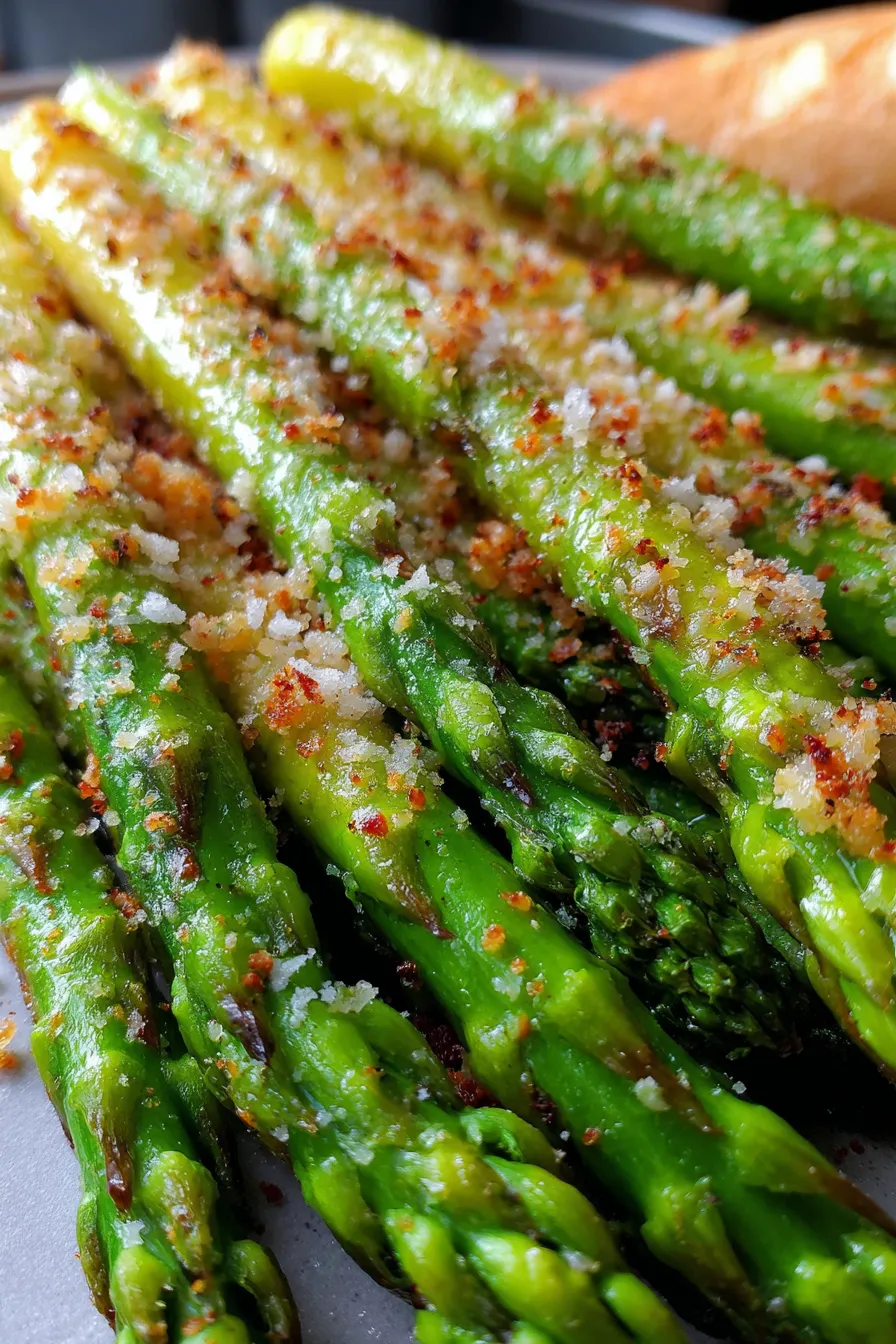
Serve it with classic sides like mashed potatoes, roasted vegetables (broccoli, asparagus, Brussels sprouts), or a simple salad. A lemon butter sauce or a creamy Alfredo sauce can also complement the dish beautifully.
Pasta Pairings
Garlic Parmesan Crusted Chicken is excellent served over pasta. Toss your favorite pasta shape with olive oil, garlic, and Parmesan cheese, or create a creamy sauce to coat the pasta.
Healthy Options
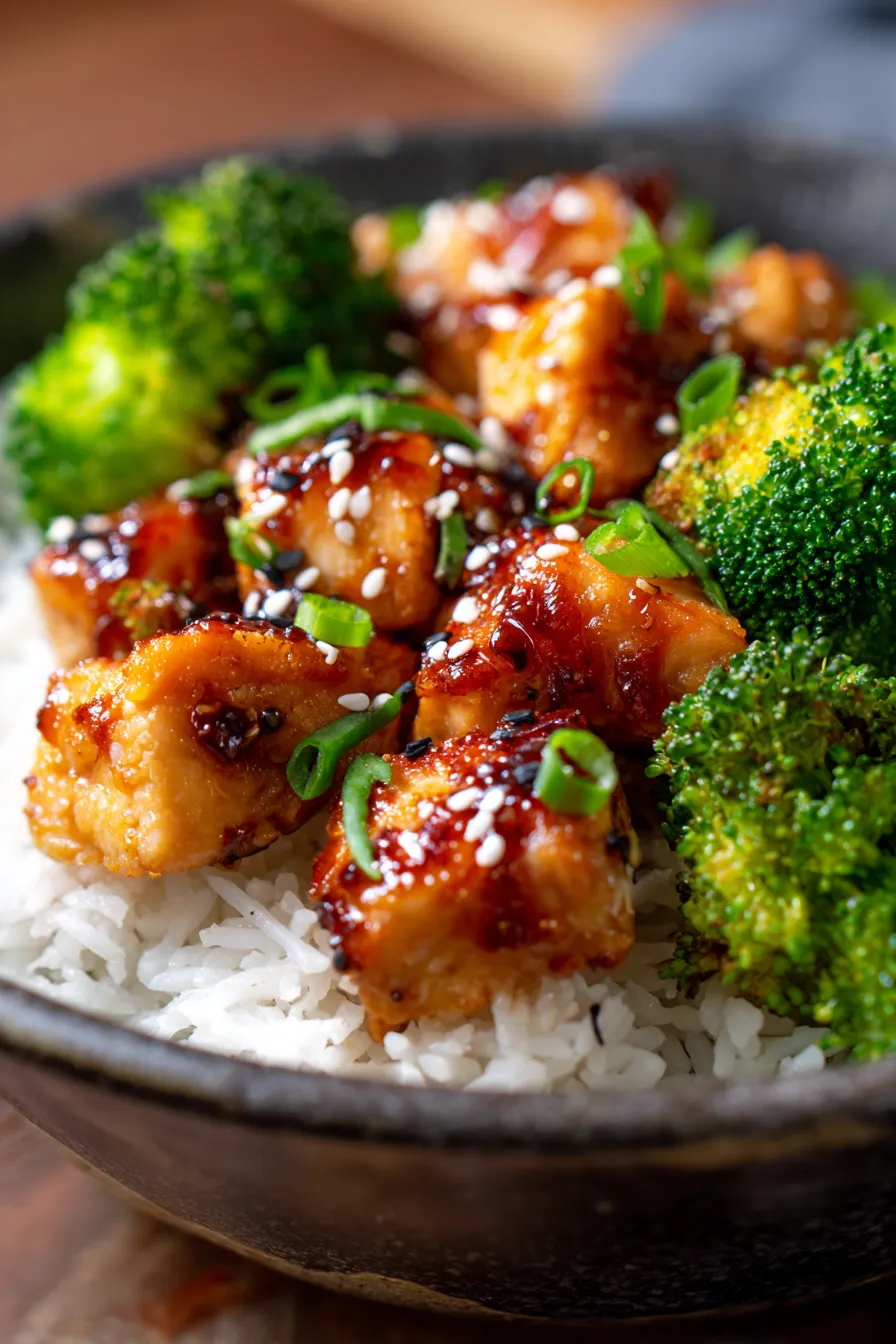
For a lighter meal, serve the chicken with quinoa, brown rice, or a large salad with a vinaigrette dressing. Steamed green beans or sautéed spinach are also healthy and delicious options.
Wine Pairings
A crisp white wine, such as Sauvignon Blanc or Pinot Grigio, pairs well with Garlic Parmesan Crusted Chicken. The acidity of the wine cuts through the richness of the dish, while the citrusy notes complement the garlic and Parmesan flavors. A light-bodied red wine, such as Pinot Noir, can also be a good choice.
Tips for Success
- Pound the chicken breasts: Pounding the chicken breasts to an even thickness ensures they cook evenly. Place the chicken breasts between two sheets of plastic wrap and use a meat mallet to gently pound them to about 1/2-inch thickness.
- Don’t overcrowd the pan: Overcrowding the pan when pan-frying will lower the temperature of the oil and result in steamed, rather than crispy, chicken. Cook the chicken in batches if necessary.
- Use a meat thermometer: A meat thermometer is the most accurate way to ensure the chicken is cooked through. Insert the thermometer into the thickest part of the chicken breast and check for an internal temperature of 165°F (74°C).
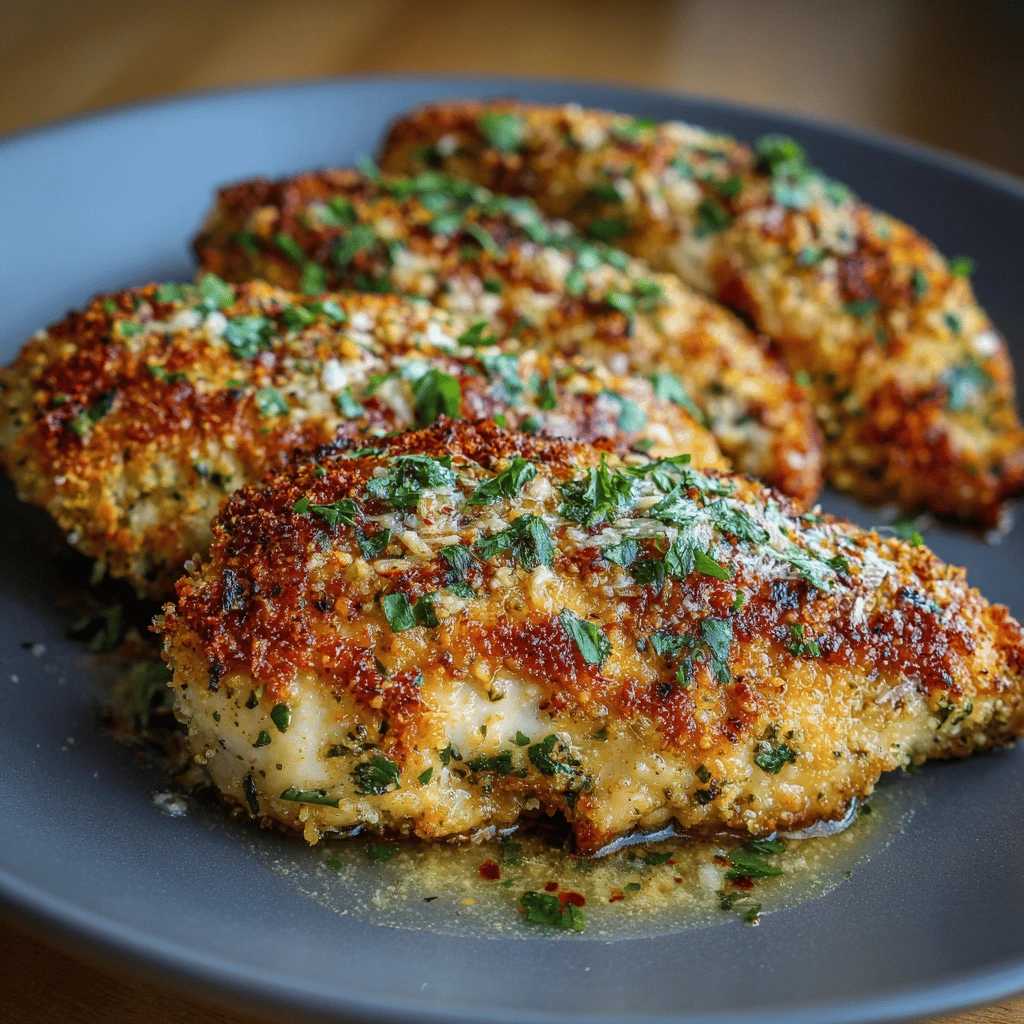
- Let the chicken rest: After cooking, let the chicken rest for a few minutes before slicing. This allows the juices to redistribute, resulting in a more tender and flavorful chicken.
- Make ahead: Prepare the breadcrumb mixture ahead of time and store it in an airtight container at room temperature. You can also coat the chicken breasts with the breadcrumb mixture ahead of time and store them in the refrigerator for up to 24 hours.
Frequently Asked Questions (FAQs)
Can I use regular breadcrumbs instead of Panko?
While Panko breadcrumbs are recommended for their superior crispiness, you can use regular breadcrumbs. However, keep a closer eye on the chicken during cooking as regular breadcrumbs tend to brown more quickly.
Can I freeze Garlic Parmesan Crusted Chicken?
Yes, you can freeze cooked Garlic Parmesan Crusted Chicken. Allow the chicken to cool completely, then wrap it tightly in plastic wrap and aluminum foil. Freeze for up to 2-3 months. Thaw in the refrigerator overnight before reheating.
How do I reheat Garlic Parmesan Crusted Chicken?
To reheat, you can bake it in the oven at 350°F (175°C) for 10-15 minutes, or until heated through. You can also reheat it in a skillet over medium heat or in the microwave. If using the microwave, be aware that the crust may not be as crispy.
Can I use boneless, skinless chicken thighs instead of breasts?
Yes, you can use boneless, skinless chicken thighs. Adjust the cooking time accordingly, as chicken thighs may require slightly longer to cook than chicken breasts.
What can I serve with Garlic Parmesan Crusted Chicken?
Garlic Parmesan Crusted Chicken pairs well with a variety of sides, including mashed potatoes, roasted vegetables, pasta, salad, and rice.