Greek Yogurt Dip with Veggies: Healthy Snacks Introduction: The Power of Greek Yogurt Dip In the quest for wholesome and satisfying snacks, Greek yogurt dip stands out as a champion. This versatile condiment transforms ordinary vegetables into delectable and guilt-free treats. Packed with protein, low in sugar, and rich in probiotics, Greek yogurt offers a…
Greek Yogurt Dip with Veggies: Healthy Snacks
Introduction: The Power of Greek Yogurt Dip
In the quest for wholesome and satisfying snacks, Greek yogurt dip stands out as a champion. This versatile condiment transforms ordinary vegetables into delectable and guilt-free treats. Packed with protein, low in sugar, and rich in probiotics, Greek yogurt offers a nutritional boost that traditional dips simply can’t match. Whether you’re looking for a quick afternoon bite, a healthy addition to your party platter, or a creative way to incorporate more vegetables into your diet, Greek yogurt dip is the answer. This article will explore the many facets of this delightful snack, from its health benefits to delicious recipes and serving suggestions.
The Health Benefits of Greek Yogurt Dip
Greek yogurt boasts a remarkable nutritional profile. Its high protein content helps promote satiety, keeping you feeling fuller for longer and curbing those mid-afternoon cravings. This is particularly beneficial for weight management and preventing overeating. Compared to regular yogurt, Greek yogurt undergoes a straining process that removes excess whey, resulting in a thicker texture and higher protein concentration.
Beyond protein, Greek yogurt is an excellent source of calcium, essential for strong bones and teeth. It also contains probiotics, beneficial bacteria that contribute to a healthy gut microbiome. A balanced gut microbiome is linked to improved digestion, enhanced immunity, and even a positive impact on mental well-being.
When used as a base for dips, Greek yogurt provides a healthier alternative to mayonnaise, sour cream, or cream cheese, which are often high in saturated fat and calories. By choosing Greek yogurt, you can significantly reduce the caloric and fat content of your dips while simultaneously increasing their nutritional value.
Furthermore, Greek yogurt’s naturally tangy flavor lends itself well to a variety of herbs, spices, and seasonings, allowing for endless flavor combinations without the need for excessive salt or sugar. This makes it an ideal choice for individuals seeking to reduce their sodium or sugar intake.
Delicious and Easy Greek Yogurt Dip Recipes
The beauty of Greek yogurt dip lies in its adaptability. Here are a few recipes to inspire your culinary creativity:
Classic Cucumber Dill Dip:
- Combine 1 cup of plain Greek yogurt with 1/2 cup of finely diced cucumber, 2 tablespoons of chopped fresh dill, 1 tablespoon of lemon juice, 1/2 teaspoon of garlic powder, and salt and pepper to taste. Mix well and chill for at least 30 minutes to allow the flavors to meld. This dip is refreshing and pairs perfectly with cucumber slices, bell peppers, and carrot sticks.
Spicy Feta Dip:
- Crumble 4 ounces of feta cheese and combine it with 1 cup of plain Greek yogurt. Add 1 tablespoon of olive oil, 1/2 teaspoon of red pepper flakes (or more, to taste), 1 clove of minced garlic, and a pinch of dried oregano. Mix until smooth and creamy. This dip offers a delightful kick and is excellent with pita bread, cherry tomatoes, and celery sticks.
Lemon Herb Dip:
- In a bowl, whisk together 1 cup of plain Greek yogurt, the zest and juice of 1 lemon, 2 tablespoons of chopped fresh parsley, 1 tablespoon of chopped fresh chives, 1/2 teaspoon of garlic powder, and salt and pepper to taste. This zesty dip is incredibly versatile and complements a wide range of vegetables, including broccoli florets, snap peas, and radishes.
Roasted Red Pepper Dip:
- Roast 2 red bell peppers until the skin is blackened. Place them in a bowl and cover with plastic wrap to steam for 10 minutes. Peel off the skin, remove the seeds, and roughly chop the peppers. Combine the roasted peppers with 1 cup of plain Greek yogurt, 1 tablespoon of olive oil, 1 clove of minced garlic, 1/4 teaspoon of smoked paprika, and salt and pepper to taste. Blend until smooth using a food processor or blender. This dip has a smoky and slightly sweet flavor that pairs well with jicama sticks, zucchini rounds, and asparagus spears.
Avocado Lime Dip:
- Mash 1 ripe avocado and combine it with 1 cup of plain Greek yogurt. Add the juice of 1 lime, 1/4 cup of chopped cilantro, 1 clove of minced garlic, 1/4 teaspoon of cumin, and salt and pepper to taste. Mix well until smooth and creamy. This dip is rich in healthy fats and offers a vibrant flavor that complements carrots, bell peppers, and tortilla chips (in moderation).
Selecting the Perfect Veggies for Dipping
The choice of vegetables for dipping is crucial for creating a satisfying and nutritious snack. Consider a variety of colors, textures, and flavors to appeal to different palates and provide a wide range of vitamins and minerals.
Classic Choices:
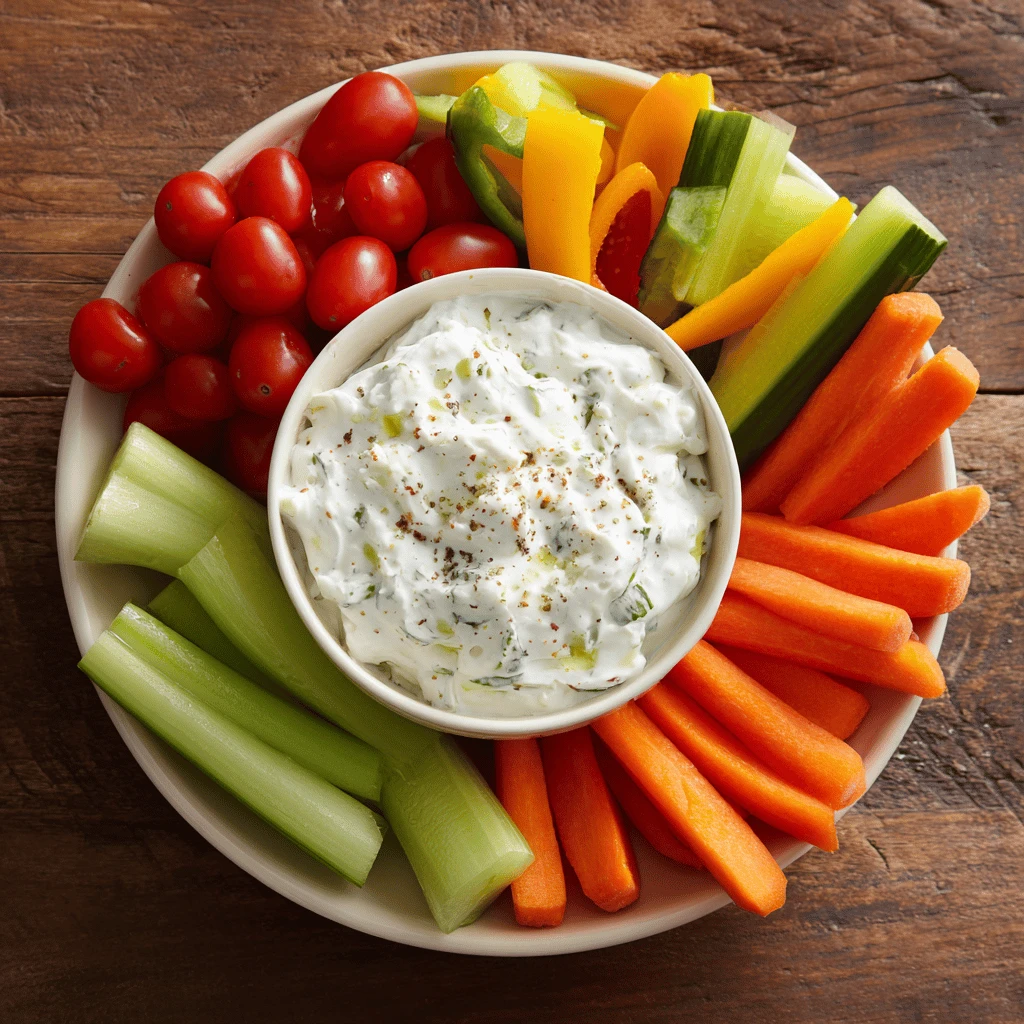
- Carrots: Available in various colors, carrots offer a satisfying crunch and a slightly sweet flavor.
- Celery: Celery provides a refreshing crispness and a mild, slightly salty taste.
- Cucumbers: Cucumbers are hydrating and offer a cool, refreshing flavor.
- Bell Peppers: Available in red, yellow, and orange, bell peppers are sweet and slightly tangy.
- Cherry Tomatoes: These bite-sized tomatoes offer a burst of juicy sweetness.
Beyond the Basics:
- Broccoli Florets: Broccoli florets provide a slightly bitter flavor and a satisfying texture.
- Cauliflower Florets: Cauliflower florets are mild and slightly sweet, making them a versatile choice.
- Snap Peas: Snap peas offer a sweet and crunchy experience.
- Radishes: Radishes provide a peppery and slightly pungent flavor.
- Jicama: Jicama offers a crisp and slightly sweet flavor with a subtle nutty undertone.
- Asparagus Spears: Asparagus spears, blanched or raw, offer a slightly grassy flavor.
- Zucchini Rounds: Zucchini rounds are mild and slightly sweet, providing a soft texture.
Tips for Preparing Veggies:
- Wash all vegetables thoroughly before serving.
- Cut vegetables into bite-sized pieces that are easy to dip.
- Arrange vegetables attractively on a platter to encourage consumption.
- Consider offering a variety of textures, such as crunchy carrots, crisp celery, and soft cherry tomatoes.
Serving Suggestions and Creative Variations
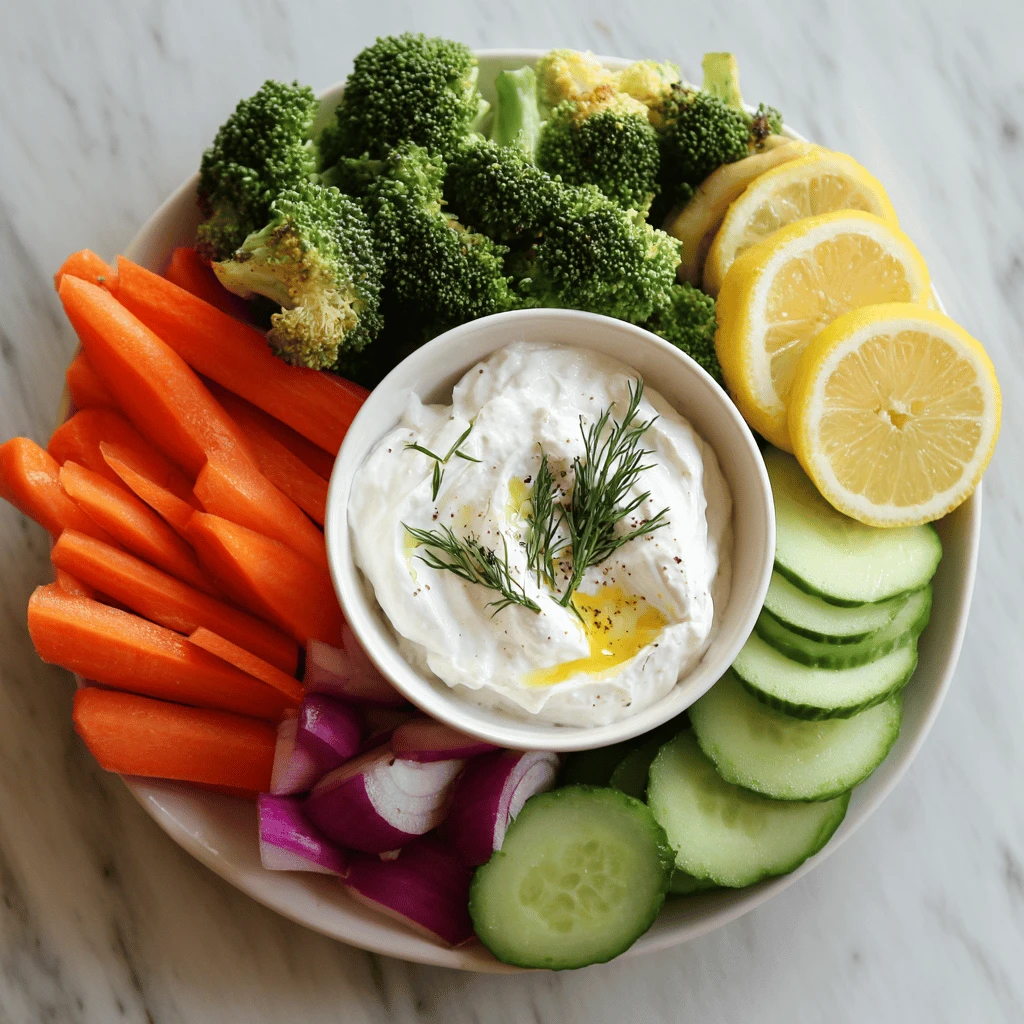
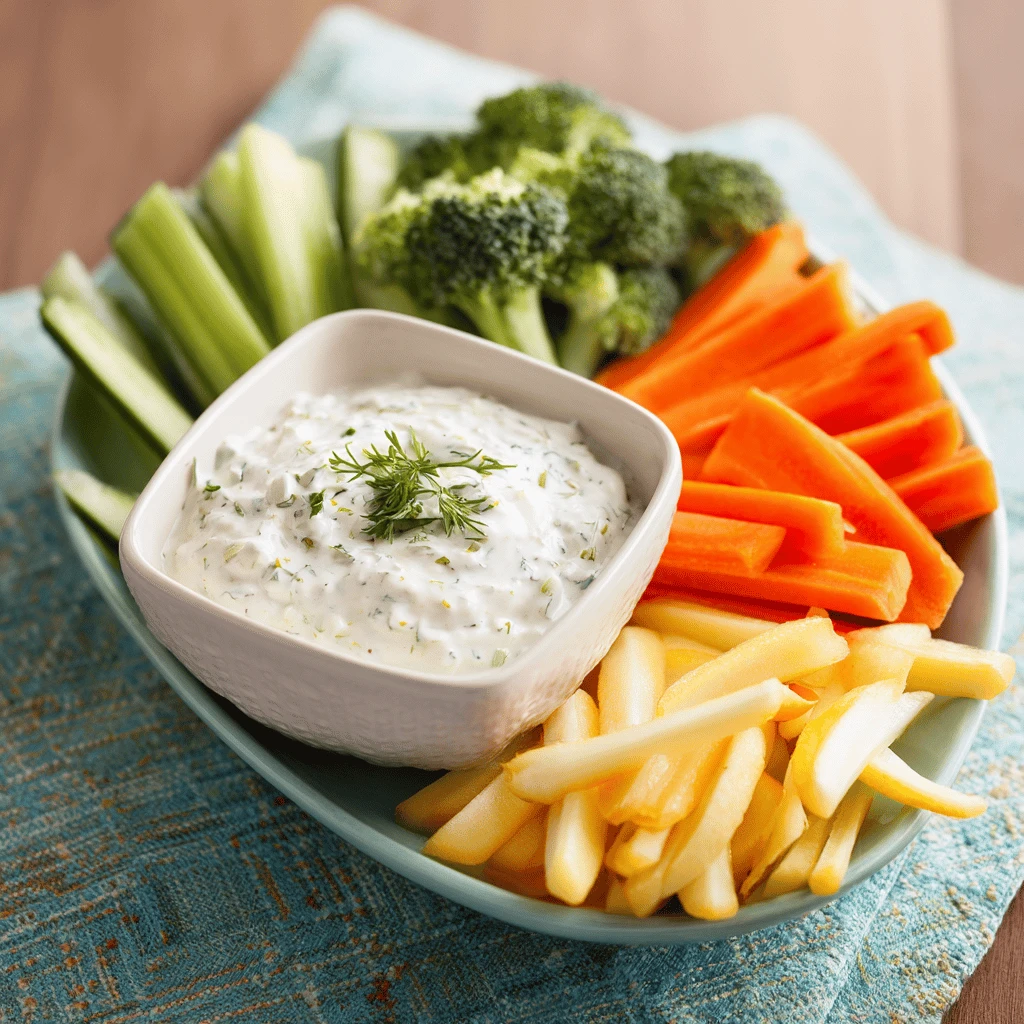
Greek yogurt dip with vegetables can be served in numerous ways. For a simple snack, arrange the dip in a bowl surrounded by a colorful assortment of vegetables. For a more elaborate presentation, consider serving the dip in individual ramekins alongside skewers of vegetables.
Here are some creative variations to elevate your Greek yogurt dip experience:
- Layered Dip: Create a layered dip by spreading a layer of Greek yogurt dip in a dish, followed by layers of chopped vegetables, herbs, and crumbled cheese.
- Stuffed Vegetables: Hollow out vegetables such as cherry tomatoes or bell peppers and fill them with Greek yogurt dip.
- Vegetable Wraps: Spread Greek yogurt dip on lettuce leaves and top with your favorite vegetables for a light and refreshing wrap.
- Grilled Vegetables: Grill vegetables such as zucchini, bell peppers, and asparagus, and serve them with a side of Greek yogurt dip.
- Charcuterie Board Addition: Incorporate a bowl of Greek yogurt dip and an assortment of vegetables into a charcuterie board for a healthy and flavorful addition.
To enhance the flavor and presentation of your Greek yogurt dip, consider garnishing it with fresh herbs, a drizzle of olive oil, a sprinkle of paprika, or a sprinkle of chopped nuts.
Greek yogurt dip can also be used as a healthier alternative to mayonnaise or sour cream in sandwiches, wraps, and salads. Its versatility makes it an indispensable ingredient in any healthy kitchen.
Frequently Asked Questions (FAQ)
Is Greek yogurt dip actually healthy?
Yes, Greek yogurt dip is a healthy snack choice! It’s packed with protein, calcium, and probiotics, and lower in fat and calories than many other dips. It becomes extra healthy when paired with fresh vegetables.
Can I use flavored Greek yogurt for dips?
Plain, unsweetened Greek yogurt is generally preferred for dips, as it allows you to control the sweetness and flavor profile. Flavored yogurts often contain added sugars and artificial ingredients. However, if you’re using a flavored yogurt, make sure to adjust the other ingredients accordingly to avoid an overly sweet or artificial-tasting dip.
How long does Greek yogurt dip last in the refrigerator?
Greek yogurt dip can be stored in an airtight container in the refrigerator for up to 3-4 days. Be sure to check for any signs of spoilage, such as an off odor or discoloration, before consuming.
Can I freeze Greek yogurt dip?
Freezing Greek yogurt dip is not recommended, as the texture may change and become grainy upon thawing. It’s best to make the dip fresh and consume it within a few days.
What if my Greek yogurt dip is too thick?
If your Greek yogurt dip is too thick, you can thin it out by adding a tablespoon or two of water, lemon juice, or olive oil. Stir well until you reach your desired consistency.
What are some good substitutions for Greek yogurt in dips?
While Greek yogurt is the star of the show, you can also use other ingredients like skyr or labneh for a similar texture and taste. These options also offer a good source of protein and probiotics.
What kind of Greek yogurt is best for making dip?
Full-fat or 2% Greek yogurt will give you the creamiest and most flavorful results. However, non-fat Greek yogurt can also be used for a lower-calorie option. Just be aware that it may have a slightly tangier flavor and a less creamy texture.
Can I add sweetener to my Greek yogurt dip?
If you prefer a sweeter dip, you can add a small amount of honey, maple syrup, or stevia. However, remember that the goal is to create a healthy snack, so use sweeteners sparingly.