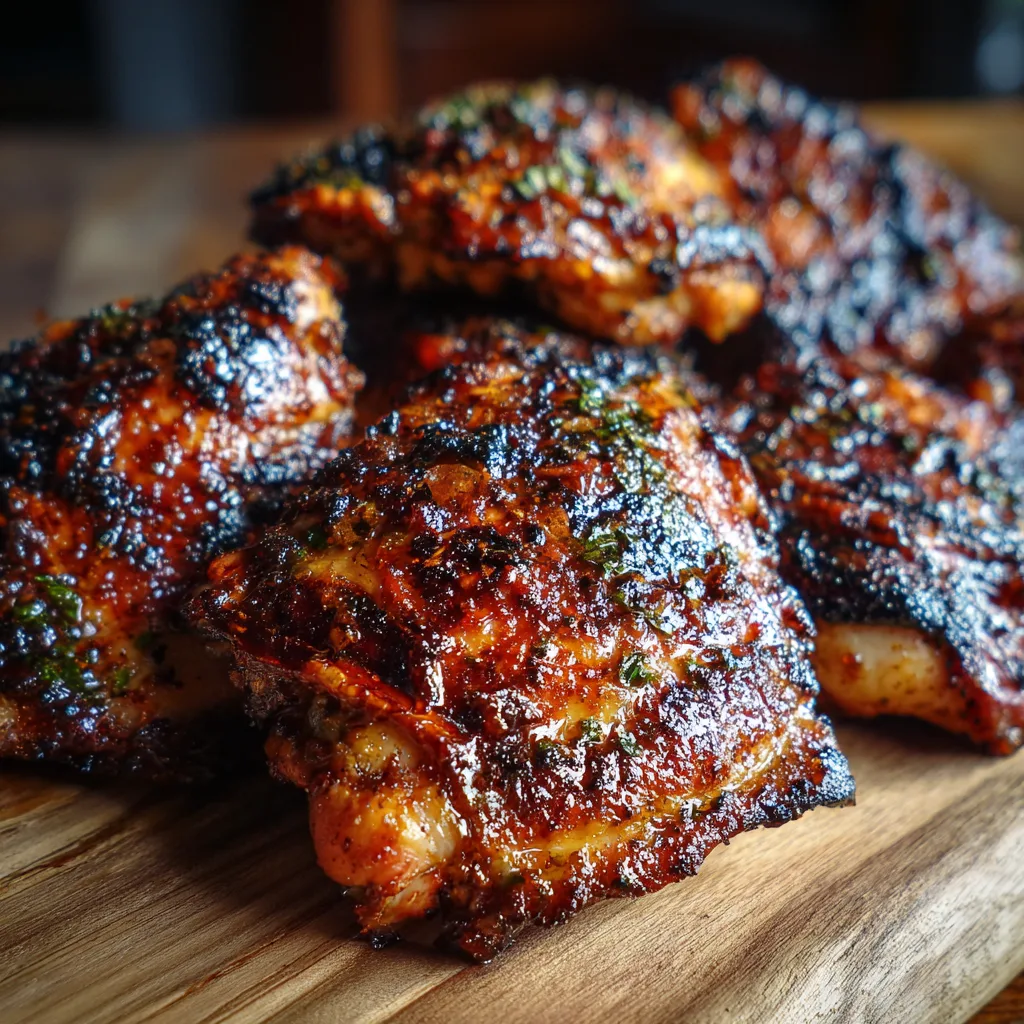
Grilled BBQ Chicken Thighs: Juicy, Flavorful Perfection Grilled BBQ chicken thighs offer a delectable combination of smoky flavor and tender, juicy meat. They’re a fantastic alternative to chicken breasts, often staying more moist and flavorful due to their higher fat content. This guide will walk you through everything you need to know to achieve BBQ…
Grilled BBQ Chicken Thighs: Juicy, Flavorful Perfection
Grilled BBQ chicken thighs offer a delectable combination of smoky flavor and tender, juicy meat. They’re a fantastic alternative to chicken breasts, often staying more moist and flavorful due to their higher fat content. This guide will walk you through everything you need to know to achieve BBQ chicken thigh perfection on your grill, from selecting the right thighs to mastering the grilling technique and crafting a mouthwatering BBQ sauce.
Choosing the Best Chicken Thighs
The foundation of excellent grilled BBQ chicken thighs lies in selecting high-quality ingredients. Here’s what to consider:
- Bone-in, Skin-on vs. Boneless, Skinless: Bone-in, skin-on thighs tend to be more flavorful and stay juicier during grilling. The bone helps retain moisture, and the skin crisps up beautifully, adding texture and taste. Boneless, skinless thighs are a quicker option but may dry out more easily. If using boneless, skinless, consider marinating them to enhance flavor and moisture.
- Freshness: Look for chicken thighs that are plump, pink, and have a fresh, clean smell. Avoid any thighs that appear discolored or have an unpleasant odor.
- Size: Opt for thighs that are relatively uniform in size to ensure even cooking. This will prevent some thighs from being overcooked while others are still underdone.
- Organic vs. Conventional: Choose organic chicken thighs if you prefer to avoid antibiotics and hormones. However, conventional chicken thighs can also be a good option, especially if you’re on a budget.
Preparing the Chicken Thighs for Grilling
Proper preparation is key to achieving delicious, evenly cooked BBQ chicken thighs.
- Trimming Excess Fat: While the fat in chicken thighs contributes to their flavor and juiciness, excessive fat can cause flare-ups on the grill. Trim away any large clumps of fat, but leave a thin layer to render and baste the chicken as it cooks.
- Patting Dry: Use paper towels to thoroughly pat the chicken thighs dry. This is crucial for achieving crispy skin. Moisture on the surface will steam the chicken rather than allowing it to brown and crisp.
- Scoring (Optional): For bone-in, skin-on thighs, consider scoring the skin in a crosshatch pattern. This helps the fat render more easily and allows the seasoning to penetrate the meat. Be careful not to cut too deep into the meat.
- Seasoning: Generously season the chicken thighs with your favorite dry rub or a simple mixture of salt, pepper, garlic powder, onion powder, paprika, and chili powder. Ensure the seasoning is evenly distributed on both sides of the thighs, including under the skin if possible.
Mastering the Grilling Technique
Grilling chicken thighs to perfection requires attention to heat control and timing.
- Grill Temperature: Preheat your grill to medium heat (around 350-400°F or 175-200°C). This allows the chicken to cook through without burning the outside. If your grill has hot spots, arrange the thighs accordingly, placing them in cooler areas to start and moving them to hotter areas to crisp the skin.
- Indirect Heat: For bone-in, skin-on thighs, start by grilling them over indirect heat (away from the direct flame) for about 20-25 minutes, or until the internal temperature reaches 165°F (74°C). This allows the chicken to cook through without the skin burning.
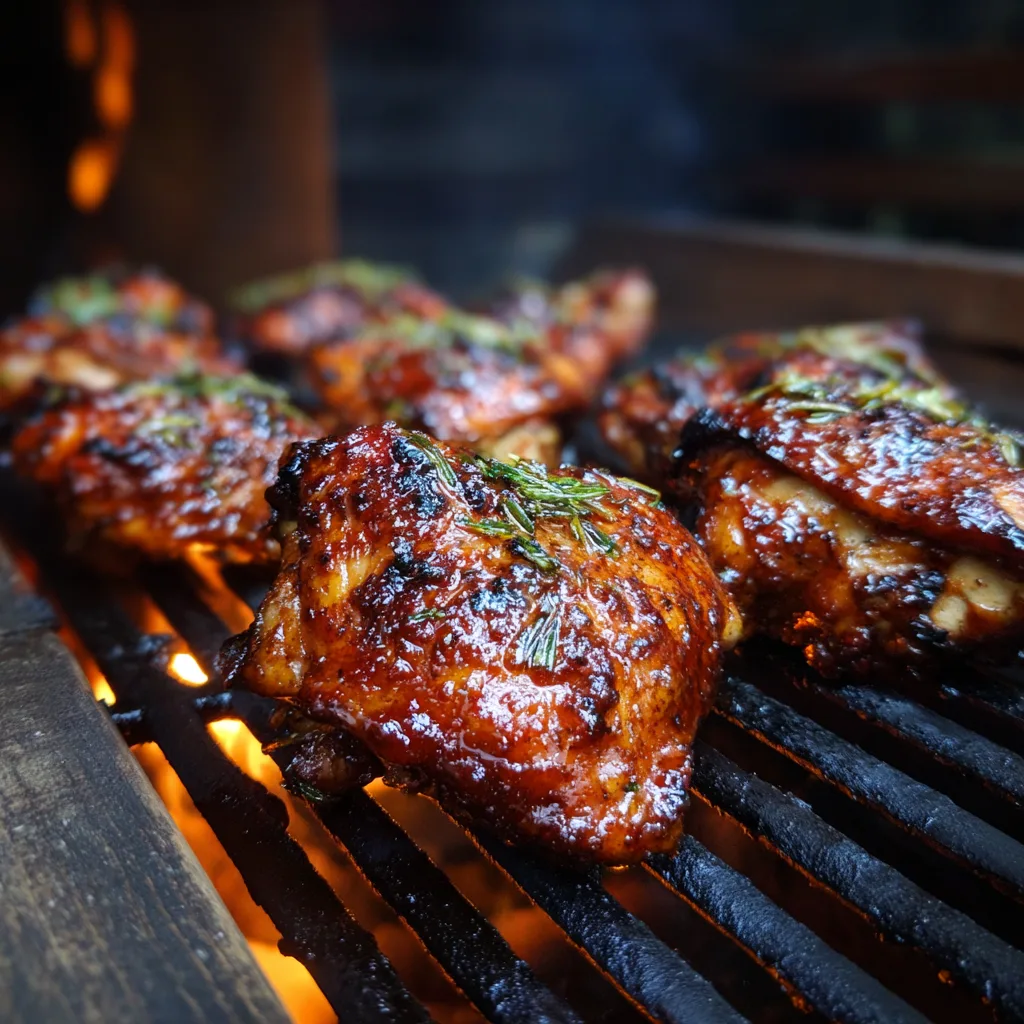
- Direct Heat for Crisping: Once the internal temperature is close to the target, move the thighs over direct heat to crisp the skin. Watch closely to prevent burning, and flip the thighs frequently.
- Basting with BBQ Sauce: During the last 5-10 minutes of grilling, begin basting the chicken thighs with your favorite BBQ sauce. Apply the sauce in thin layers, allowing each layer to caramelize slightly before adding the next.
- Internal Temperature: Use a meat thermometer to ensure the chicken thighs reach an internal temperature of 175°F (80°C) for optimal tenderness and juiciness. Chicken thighs are safe to eat at 165°F (74°C), but they become more tender and flavorful at a slightly higher temperature.
- Resting: Once the chicken thighs are cooked, remove them from the grill and let them rest for 5-10 minutes before serving. This allows the juices to redistribute throughout the meat, resulting in a more tender and flavorful product.
Crafting a Delicious BBQ Sauce
The BBQ sauce is a crucial element of grilled BBQ chicken thighs, adding flavor, moisture, and a beautiful glaze.
- Base Ingredients: Start with a base of ketchup, vinegar (such as apple cider vinegar or white vinegar), and a sweetener (such as brown sugar, honey, or maple syrup). These ingredients provide the foundation for a balanced and flavorful sauce.
- Flavor Enhancers: Add flavor enhancers such as Worcestershire sauce, Dijon mustard, smoked paprika, garlic powder, onion powder, chili powder, and black pepper. Adjust the quantities of these ingredients to suit your taste preferences.
- Heat: If you like a spicy BBQ sauce, add a dash of hot sauce, cayenne pepper, or red pepper flakes.
- Simmering: Combine all the ingredients in a saucepan and simmer over low heat for about 15-20 minutes, or until the sauce has thickened slightly. This allows the flavors to meld together and creates a richer, more complex sauce.
- Variations: Experiment with different flavor combinations to create your own signature BBQ sauce. Consider adding ingredients such as pineapple juice, bourbon, soy sauce, or liquid smoke.
- Homemade vs. Store-Bought: While homemade BBQ sauce is often preferred for its fresh flavors and customizability, high-quality store-bought BBQ sauces can also be used as a convenient alternative. Look for sauces that are made with natural ingredients and have a balanced flavor profile.
Serving and Storing Grilled BBQ Chicken Thighs
Proper serving and storage are essential to enjoying your grilled BBQ chicken thighs to the fullest.
- Serving Suggestions: Grilled BBQ chicken thighs can be served as a main course with a variety of side dishes. Classic pairings include coleslaw, potato salad, corn on the cob, baked beans, and macaroni and cheese. You can also serve them with grilled vegetables, such as asparagus, bell peppers, or zucchini.
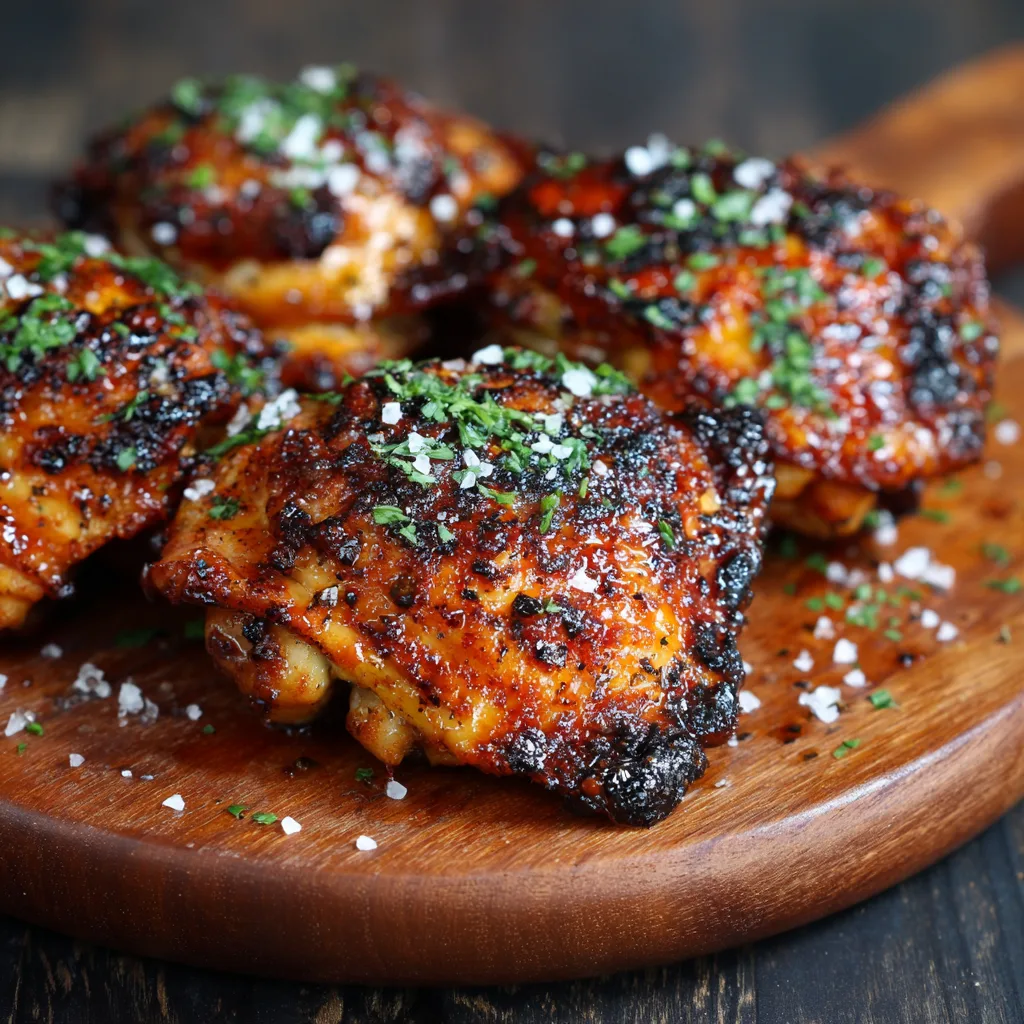
- Garnishes: Garnish the chicken thighs with fresh herbs, such as chopped parsley or cilantro, for added flavor and visual appeal. A squeeze of fresh lemon or lime juice can also brighten the flavors.
- Leftovers: Store leftover grilled BBQ chicken thighs in an airtight container in the refrigerator for up to 3-4 days. Reheat them in the oven, microwave, or on the grill until heated through.
- Freezing: To freeze grilled BBQ chicken thighs, wrap them individually in plastic wrap and then place them in a freezer-safe bag or container. They can be stored in the freezer for up to 2-3 months. Thaw them in the refrigerator overnight before reheating.
- Reheating: When reheating frozen BBQ chicken thighs, add a little moisture (such as a splash of water or chicken broth) to prevent them from drying out.
Frequently Asked Questions (FAQ)
- What temperature should BBQ chicken thighs be cooked to?
The ideal internal temperature for BBQ chicken thighs is 175°F (80°C). While they are safe to eat at 165°F (74°C), cooking them to 175°F (80°C) results in more tender and juicy meat.
- How long does it take to grill chicken thighs?
Grilling time varies depending on the size of the thighs and the temperature of your grill. Generally, it takes about 25-35 minutes to grill bone-in, skin-on chicken thighs over medium heat (350-400°F or 175-200°C).
- Should I grill chicken thighs with the lid open or closed?
For bone-in, skin-on thighs, grilling with the lid closed is recommended for most of the cooking time. This helps to cook the chicken evenly and prevent the skin from burning. During the last 5-10 minutes, you can grill with the lid open to crisp the skin while basting with BBQ sauce.
- How do I keep chicken thighs from drying out on the grill?
To prevent chicken thighs from drying out, choose bone-in, skin-on thighs, trim excess fat, pat them dry before seasoning, and use indirect heat for most of the cooking time. Basting with BBQ sauce during the last few minutes of grilling also helps to keep them moist.
- Can I use boneless, skinless chicken thighs for this recipe?
Yes, you can use boneless, skinless chicken thighs. However, they tend to dry out more easily, so consider marinating them for at least 30 minutes before grilling. Reduce the grilling time accordingly, and be sure to monitor the internal temperature closely.
- What’s the best BBQ sauce for chicken thighs?
The best BBQ sauce is a matter of personal preference. You can use a homemade sauce or a store-bought sauce. Look for a sauce that has a good balance of sweet, tangy, and smoky flavors. Experiment with different flavor combinations to find your favorite.