Ground Beef and Spinach Lasagna: A Hearty Family Favorite Lasagna is a classic comfort food, and this ground beef and spinach version elevates it to a new level of deliciousness. Packed with savory meat sauce, creamy ricotta cheese, and the goodness of spinach, this lasagna is a guaranteed crowd-pleaser. This recipe guides you through each…
Ground Beef and Spinach Lasagna: A Hearty Family Favorite
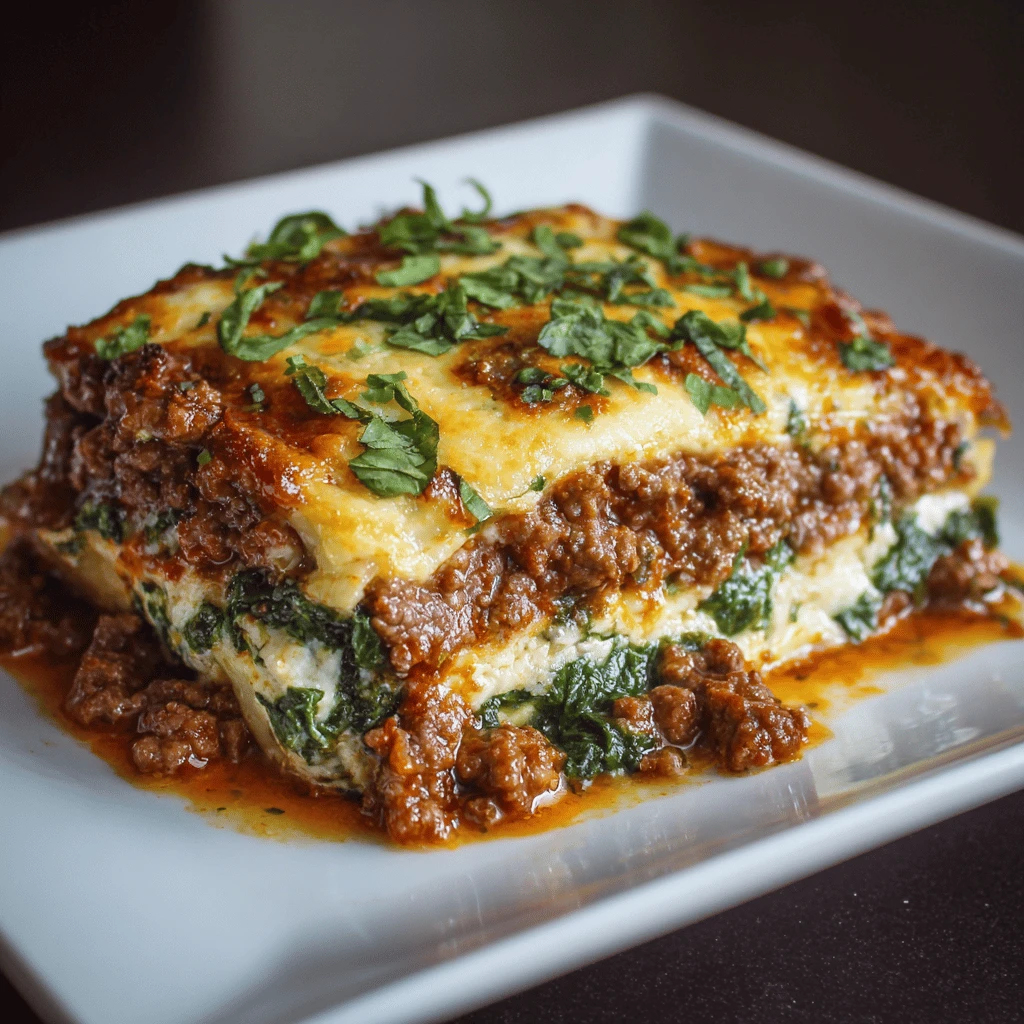
Lasagna is a classic comfort food, and this ground beef and spinach version elevates it to a new level of deliciousness. Packed with savory meat sauce, creamy ricotta cheese, and the goodness of spinach, this lasagna is a guaranteed crowd-pleaser. This recipe guides you through each step, ensuring a perfectly layered and flavorful dish that will become a family favorite.
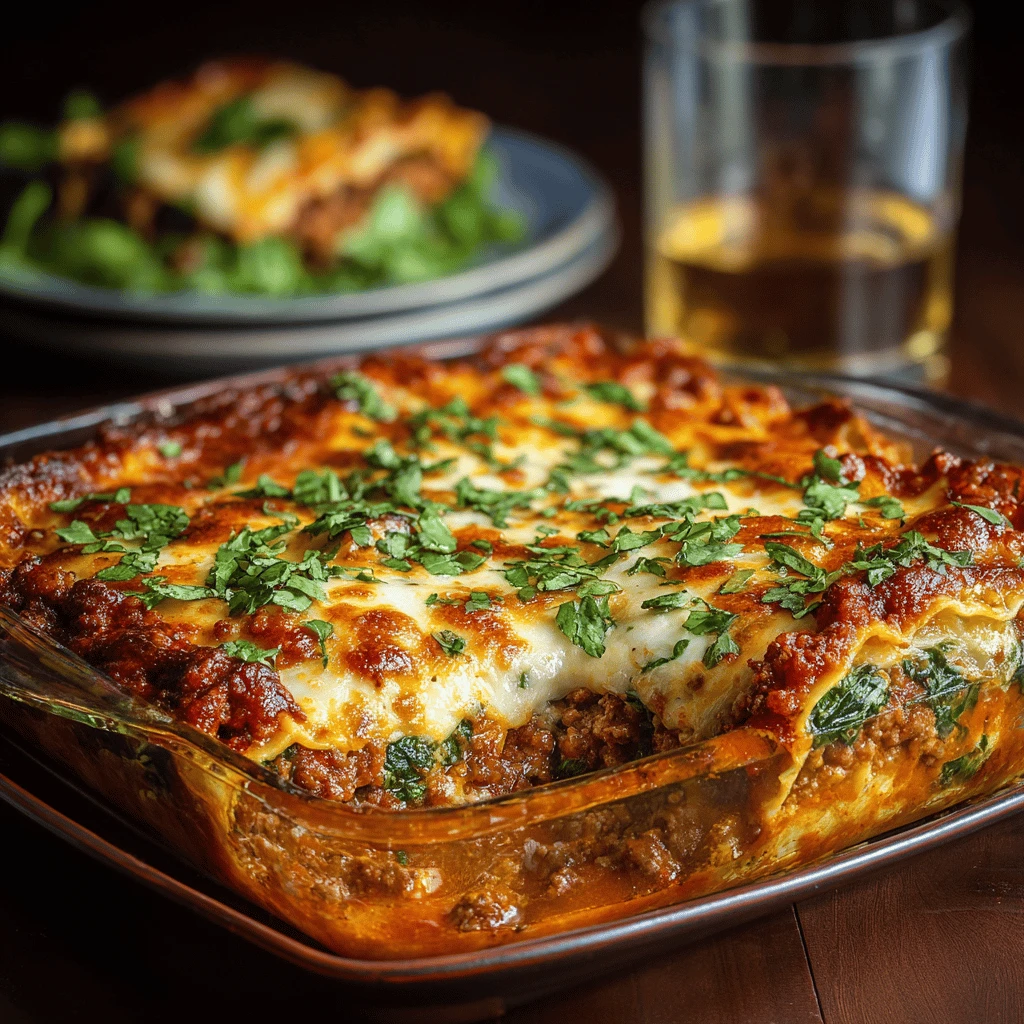
The Perfect Lasagna Foundation: Ingredients and Preparation
The key to a fantastic lasagna lies in the quality of its ingredients and the care taken in preparing them. Let’s break down the components and how to prep them for lasagna success.
Ground Beef and Sauce: Building Flavor from the Ground Up
The heart of this lasagna is the rich, savory meat sauce. We start with ground beef, which provides a robust foundation.
- Ground Beef: Opt for lean ground beef (85/15) to minimize excess grease. Brown it in a large skillet over medium-high heat, breaking it up with a spoon as it cooks. Drain any excess fat.
- Aromatic Vegetables: Add diced onion and minced garlic to the cooked beef and sauté until softened. These aromatics infuse the sauce with depth.
- Tomato Base: A combination of tomato sauce, crushed tomatoes, and tomato paste creates a complex and layered tomato flavor. The sauce provides a smooth consistency, while the crushed tomatoes add texture. The paste intensifies the tomato flavor.
- Herbs and Spices: Italian seasoning, dried oregano, basil, salt, pepper, and a pinch of sugar complete the sauce. The sugar balances the acidity of the tomatoes. A bay leaf added during simmering enhances the overall flavor profile; remember to remove it before assembling the lasagna.
- Spinach: Fresh or frozen spinach works well in this lasagna. If using fresh spinach, wash it thoroughly and chop it coarsely. If using frozen spinach, thaw it completely and squeeze out any excess moisture. Adding the spinach to the sauce during the last 10 minutes of simmering allows it to wilt and absorb the flavors.
Ricotta Cheese Mixture: Creamy Delight
The ricotta cheese layer provides a creamy contrast to the rich meat sauce.
- Ricotta Cheese: Use whole milk ricotta for the best flavor and texture. Drain any excess liquid from the ricotta before mixing it with the other ingredients.
- Egg: An egg helps bind the ricotta mixture together, preventing it from becoming too watery.
- Parmesan Cheese: Grated Parmesan cheese adds a salty, nutty flavor to the ricotta mixture.
- Mozzarella Cheese: This is a crucial ingredient. Part-skim is common.
- Seasonings: Salt, pepper, and a pinch of nutmeg enhance the flavor of the ricotta mixture.
Lasagna Noodles: Choosing the Right Kind
Lasagna noodles come in several varieties, each with its own advantages.
- Oven-Ready Noodles: These noodles require no pre-boiling, making the assembly process much faster and easier. However, they can sometimes be slightly chewier than traditional noodles.
- Traditional Noodles: These noodles must be boiled before assembling the lasagna. Be sure to cook them al dente, as they will continue to cook in the oven.
- Fresh Pasta Sheets: If you’re feeling ambitious, you can make your own fresh pasta sheets. These will result in the most tender and flavorful lasagna, but they require more time and effort.
Assembling the Lasagna: Layer by Layer
Now for the fun part: assembling the lasagna! This is where all your hard work comes together to create a beautiful and delicious dish.
1. Preheat the Oven: Preheat your oven to 375°F (190°C).
2. Prepare the Baking Dish: Grease a 9×13 inch baking dish with cooking spray or olive oil. This will prevent the lasagna from sticking to the bottom of the dish.
3. Layering Sequence: The traditional layering sequence is as follows:
Bottom Layer: Spread a thin layer of meat sauce on the bottom of the baking dish. This will prevent the noodles from sticking and create a flavorful base.
Noodles: Arrange a layer of lasagna noodles over the sauce, overlapping them slightly if necessary.
Ricotta Mixture: Spread half of the ricotta mixture evenly over the noodles.
Mozzarella Cheese: Sprinkle one-third of the mozzarella cheese over the ricotta mixture.
Meat Sauce: Spoon half of the remaining meat sauce over the mozzarella cheese.
Repeat: Repeat layers of noodles, ricotta mixture, mozzarella cheese, and meat sauce.
Top Layer: Finish with a final layer of noodles, the remaining meat sauce, and the remaining mozzarella cheese. Sprinkle with Parmesan cheese.
4. Cover and Bake: Cover the lasagna with aluminum foil and bake for 30 minutes. Remove the foil and bake for another 15-20 minutes, or until the cheese is melted and bubbly and the lasagna is heated through.
5. Rest: Let the lasagna rest for 10-15 minutes before slicing and serving. This allows the layers to set and makes it easier to cut.
Tips and Tricks for Lasagna Perfection
- Don’t Overcook the Noodles: If using traditional noodles, be sure to cook them al dente. Overcooked noodles will become mushy in the lasagna.
- Drain Excess Moisture: Squeeze out any excess moisture from the spinach to prevent the lasagna from becoming watery.
- Use High-Quality Ingredients: The better the ingredients, the better the lasagna will taste. Use fresh herbs, good-quality cheese, and flavorful tomatoes.
- Don’t Be Afraid to Experiment: This recipe is a great starting point, but feel free to customize it to your liking. Add different vegetables, cheeses, or spices to create your own signature lasagna.
- Make Ahead: Lasagna is a great dish to make ahead of time. Assemble the lasagna and store it in the refrigerator for up to 24 hours before baking. You may need to add a few minutes to the baking time if baking from cold.
Serving and Storing Your Lasagna
This lasagna is delicious served on its own, but it also pairs well with a variety of side dishes. A simple green salad with a vinaigrette dressing is a classic accompaniment. Garlic bread or crusty Italian bread is perfect for soaking up the delicious sauce.
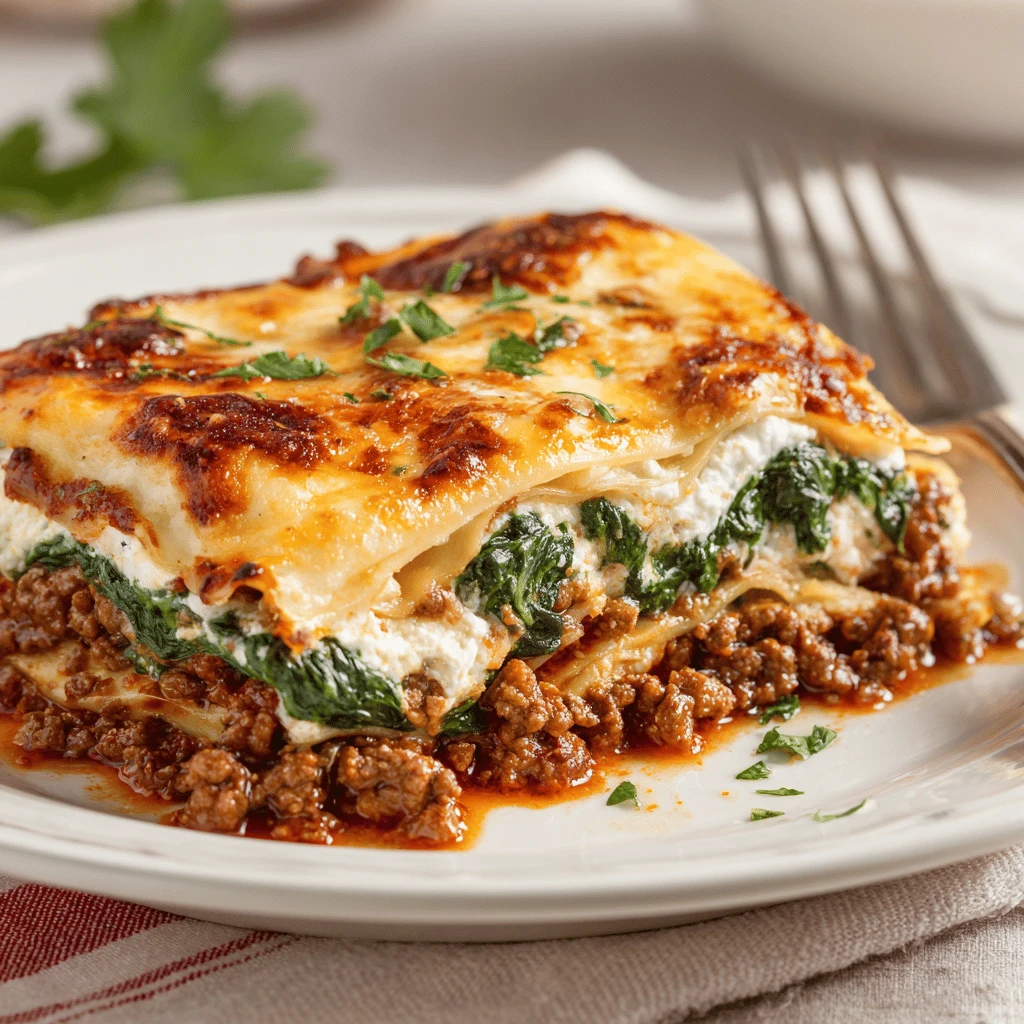
- Serving: Cut the lasagna into squares and serve warm. Garnish with fresh basil or parsley, if desired.
- Storing: Leftover lasagna can be stored in the refrigerator for up to 3-4 days. Reheat it in the oven or microwave until heated through.
- Freezing: Lasagna can also be frozen for longer storage. Wrap individual slices or the entire lasagna tightly in plastic wrap and then aluminum foil. Freeze for up to 2-3 months. Thaw in the refrigerator overnight before reheating.
Frequently Asked Questions
- Can I use a different type of meat? Yes, you can substitute ground turkey, ground chicken, or Italian sausage for the ground beef.
- Can I add other vegetables? Absolutely! Mushrooms, zucchini, bell peppers, and eggplant all make great additions to lasagna.
- Can I make this lasagna vegetarian? Yes, simply omit the ground beef and add more vegetables or a vegetarian meat substitute.
- Why is my lasagna watery? Watery lasagna is usually caused by using too much sauce or not draining excess moisture from the spinach. Make sure to squeeze out any excess moisture from the spinach and don’t overdo it on the sauce. Also, allow the lasagna to rest after baking to allow the layers to set.
- Can I use cottage cheese instead of ricotta? Cottage cheese can be used as a substitute for ricotta cheese, but it will result in a slightly different texture. Make sure to drain the cottage cheese well before using it.