
Healthy Egg Muffin Meal Prep Ingredients 12 large eggs 1/2 cup milk (dairy or non-dairy) 1/2 teaspoon salt 1/4 teaspoon black pepper 1 cup chopped vegetables (spinach, bell peppers, onions, mushrooms, zucchini, broccoli) 1/2 cup cooked protein (crumbled sausage, diced ham, cooked bacon, shredded chicken, black beans) 1/4 cup shredded cheese (cheddar, mozzarella, feta, or…
Healthy Egg Muffin Meal Prep
Ingredients
- 12 large eggs
- 1/2 cup milk (dairy or non-dairy)
- 1/2 teaspoon salt
- 1/4 teaspoon black pepper
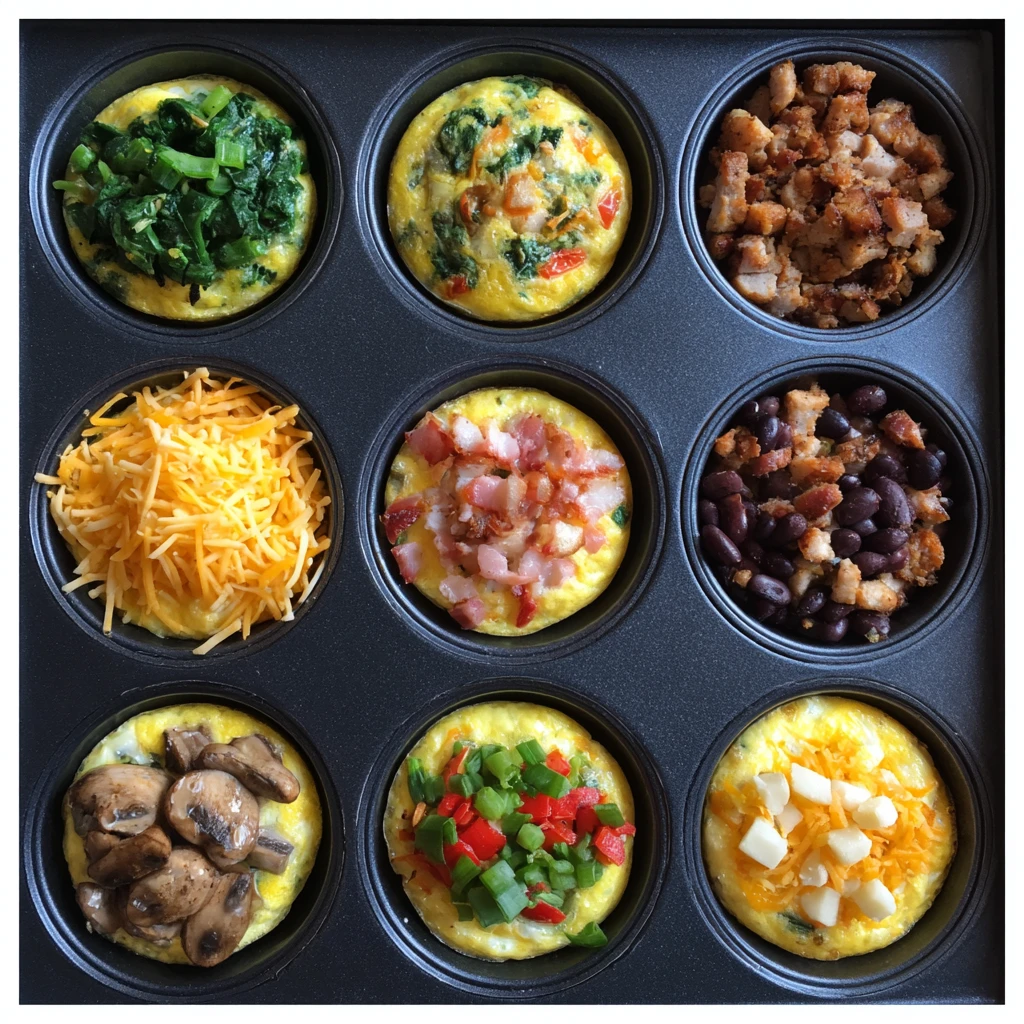
- 1 cup chopped vegetables (spinach, bell peppers, onions, mushrooms, zucchini, broccoli)
- 1/2 cup cooked protein (crumbled sausage, diced ham, cooked bacon, shredded chicken, black beans)
- 1/4 cup shredded cheese (cheddar, mozzarella, feta, or your favorite)
- Cooking spray or olive oil
Step-by-Step
1. Preheat your oven to 375°F (190°C). Prepare a 12-cup muffin tin with cooking spray or grease with olive oil.
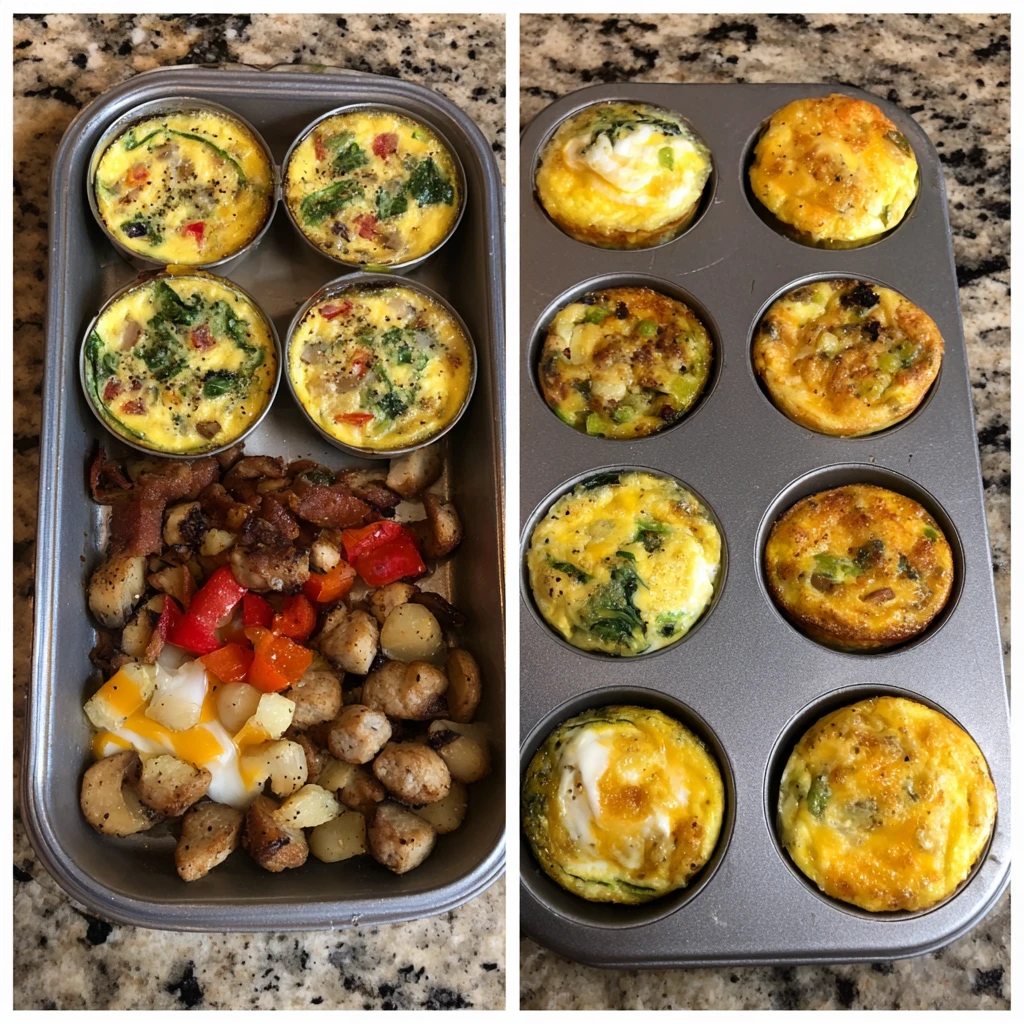
2. In a large bowl, whisk together the eggs, milk, salt, and pepper until well combined.
3. Add the chopped vegetables and cooked protein to the egg mixture. Stir gently to distribute evenly.
4. Pour the egg mixture into the prepared muffin tin, filling each cup about three-quarters full.
5. Sprinkle the shredded cheese evenly over the top of each muffin cup.
6. Bake for 20-25 minutes, or until the egg muffins are set and lightly golden brown. A toothpick inserted into the center should come out clean.
7. Remove the muffin tin from the oven and let the egg muffins cool for a few minutes before removing them from the tin.
8. Gently loosen the edges of each egg muffin with a knife or spatula and carefully lift them out.
9. Let the egg muffins cool completely before storing them in an airtight container in the refrigerator.
10. To reheat, microwave for 30-60 seconds, or bake in the oven at 350°F (175°C) for 10-15 minutes.
Mastering Your Egg Muffin Meal Prep
Meal prepping egg muffins is a fantastic way to streamline your mornings and ensure you have a healthy and satisfying breakfast readily available. It’s not just about following a recipe, but understanding how to customize it and store it properly. This section explores various aspects to help you become an egg muffin master.
Perfecting the Egg Mixture
The foundation of a great egg muffin is the egg mixture itself. Achieving the right consistency and flavor is key.
A splash of milk or cream adds richness and helps create a lighter texture. Experiment with different types of milk like almond, soy, or oat milk to find your preferred taste.
Seasoning is also crucial. Don’t be afraid to go beyond salt and pepper. Consider adding garlic powder, onion powder, paprika, or even a dash of hot sauce.
Whisking the eggs thoroughly is essential for even cooking. Make sure the yolks and whites are fully combined before adding any other ingredients.
Vegetable Variations & Protein Power
One of the best things about egg muffins is their versatility. You can customize them to your liking with a variety of vegetables and protein sources.
For vegetables, consider roasting them beforehand. Roasting vegetables like bell peppers, broccoli, and sweet potatoes intensifies their flavor and adds a nice texture.
Spinach, kale, and other leafy greens are also great additions. Saute them lightly before adding them to the egg mixture to prevent them from becoming soggy.
When it comes to protein, the possibilities are endless. Crumbled sausage, bacon, ham, or even shredded chicken are all excellent choices. Vegetarian options include black beans, lentils, or tofu.
Consider using leftover cooked protein from dinner the night before to minimize waste and save time.
Baking & Achieving the Right Texture
Baking your egg muffins properly is crucial for achieving the perfect texture. Overbaking can result in dry, rubbery muffins, while underbaking can leave them soggy.
Preheating your oven is essential for even cooking. Make sure your oven is fully preheated before placing the muffin tin inside.
Baking time can vary depending on your oven and the ingredients you use. Start checking for doneness around 20 minutes, and continue baking until a toothpick inserted into the center comes out clean.
To prevent the egg muffins from sticking to the muffin tin, use cooking spray or grease the tin with olive oil. You can also use silicone muffin liners for easy removal.
Storage & Reheating for Ultimate Convenience
Proper storage and reheating are essential for making egg muffins a truly convenient meal prep option. Knowing how to keep them fresh and reheat them effectively will ensure they taste just as good as the day they were made.
Cooling & Storing Your Creations
Allowing your egg muffins to cool completely before storing them is essential. This prevents condensation from forming, which can lead to soggy muffins.
Once cooled, store them in an airtight container. This will help keep them fresh and prevent them from drying out.
Store them in the refrigerator for up to 4-5 days. Be sure to label the container with the date you made them so you know when they need to be used.
For longer storage, you can freeze your egg muffins. Wrap each muffin individually in plastic wrap or aluminum foil before placing them in a freezer-safe bag or container. They can be stored in the freezer for up to 2-3 months.
Reheating Methods for On-the-Go Meals
There are several ways to reheat your egg muffins, depending on your preference and available equipment.
Microwaving is the quickest and easiest method. Simply microwave for 30-60 seconds, or until heated through. Be careful not to overheat, as this can make them rubbery.
Baking in the oven is another option, which can help restore some of the original texture. Preheat your oven to 350°F (175°C) and bake for 10-15 minutes, or until heated through.
Using a toaster oven is also a great way to reheat egg muffins. Toast them for a few minutes until heated through.
If you’re short on time, you can even reheat them in a skillet on the stovetop. Simply heat a lightly oiled skillet over medium heat and cook the egg muffins for a few minutes per side, until heated through.
Tips for Maintaining Freshness
To maintain the freshness of your egg muffins, there are a few key tips to keep in mind.
Always store them in an airtight container. This will prevent them from drying out and absorbing odors from the refrigerator.
Avoid overcrowding the container. This can lead to moisture buildup and make the muffins soggy.
When reheating, try to avoid overcooking them. Overcooking can make them rubbery and dry.
If you’re freezing your egg muffins, make sure to wrap them tightly to prevent freezer burn.
Health Benefits & Nutritional Value
Egg muffins are not only a convenient meal prep option, but they are also packed with nutrients and offer a variety of health benefits. Understanding their nutritional value can help you make informed choices about your diet.
Protein Powerhouse & Essential Nutrients
Eggs are an excellent source of protein, which is essential for building and repairing tissues, as well as supporting overall health.
They are also rich in vitamins and minerals, including vitamin D, vitamin B12, choline, and selenium.
Choline is important for brain health and cognitive function.
Selenium is an antioxidant that helps protect against cell damage.
The vegetables you add to your egg muffins provide additional vitamins, minerals, and fiber.
Fiber is important for digestive health and can help you feel full and satisfied.
Customizing for Dietary Needs
Egg muffins can be easily customized to meet various dietary needs and preferences.
For a low-carb option, use low-carb vegetables like spinach, bell peppers, and mushrooms, and avoid adding high-carb ingredients like potatoes or corn.
For a vegetarian option, simply omit the meat and add plant-based protein sources like black beans, lentils, or tofu.
For a dairy-free option, use non-dairy milk and cheese alternatives.
For a gluten-free option, make sure to use gluten-free ingredients and avoid adding any gluten-containing grains or fillers.
Calorie Count & Macro Breakdown
The calorie count and macro breakdown of your egg muffins will depend on the ingredients you use.
On average, one egg muffin contains approximately 80-120 calories, 6-10 grams of protein, 4-8 grams of fat, and 2-4 grams of carbohydrates.
By carefully selecting your ingredients, you can control the calorie count and macro breakdown to meet your specific dietary goals.
Creative Variations & Flavor Combinations
The beauty of egg muffins lies in their versatility. You can experiment with different flavor combinations and ingredients to create endless variations.
Global Inspired Egg Muffins
Take your taste buds on a trip around the world with these globally inspired egg muffin variations.
Mediterranean: Add sun-dried tomatoes, feta cheese, olives, and spinach.
Mexican: Add chorizo, black beans, corn, salsa, and cheddar cheese.
Italian: Add mozzarella cheese, basil, oregano, and diced tomatoes.
Asian: Add soy sauce, ginger, sesame oil, and chopped green onions.
Sweet & Savory Fusion
For a unique twist, try combining sweet and savory flavors in your egg muffins.
Apple Cinnamon: Add diced apples, cinnamon, and a touch of maple syrup.
Bacon Maple: Add crispy bacon and a drizzle of maple syrup.
Sweet Potato & Sausage: Add roasted sweet potatoes and crumbled sausage.
Kid-Friendly Options
Get your kids involved in meal prepping with these fun and kid-friendly egg muffin variations.
Pizza Muffins: Add pepperoni, mozzarella cheese, and pizza sauce.
Mac & Cheese Muffins: Add cooked macaroni and cheese.
Ham & Cheese Muffins: Add diced ham and cheddar cheese.
FAQ: Your Egg Muffin Questions Answered
This section addresses some frequently asked questions about egg muffins. These answers are based on common queries to help you create the perfect batch every time.
Can I make egg muffins ahead of time?
Yes, absolutely! That’s the whole point of meal prepping them. They can be stored in the refrigerator for up to 4-5 days or frozen for longer storage.
How do I prevent egg muffins from being rubbery?
Avoid overbaking them. Check for doneness around 20 minutes and remove them from the oven as soon as a toothpick inserted into the center comes out clean. Adding milk or cream to the egg mixture can also help prevent them from becoming rubbery.
Can I freeze egg muffins?
Yes, you can freeze them. Wrap each muffin individually in plastic wrap or aluminum foil before placing them in a freezer-safe bag or container. They can be stored in the freezer for up to 2-3 months.
How do I reheat frozen egg muffins?
You can reheat them in the microwave, oven, or toaster oven. Microwaving is the quickest method, but baking in the oven can help restore some of the original texture.
What vegetables work best in egg muffins?
The possibilities are endless! Spinach, bell peppers, onions, mushrooms, zucchini, broccoli, and sweet potatoes are all great options. Roasting vegetables beforehand can intensify their flavor.