Lentil Soup Meal Prep Bowls Lentil soup is a hearty, nutritious, and budget-friendly meal that’s perfect for meal prepping. Packed with protein, fiber, and essential nutrients, it’s a satisfying choice for lunch or dinner. These lentil soup meal prep bowls are easy to customize and keep well in the refrigerator for several days. This guide…
Lentil Soup Meal Prep Bowls
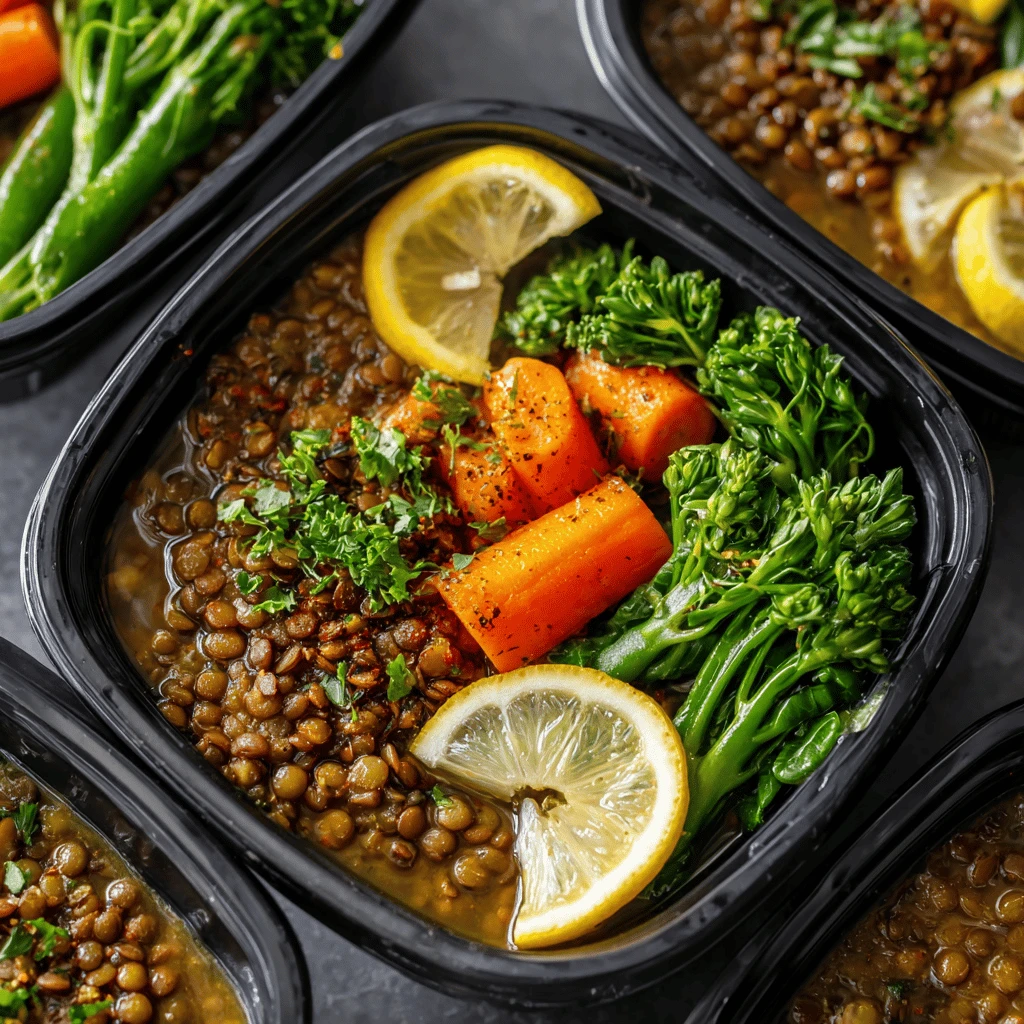
Lentil soup is a hearty, nutritious, and budget-friendly meal that’s perfect for meal prepping. Packed with protein, fiber, and essential nutrients, it’s a satisfying choice for lunch or dinner. These lentil soup meal prep bowls are easy to customize and keep well in the refrigerator for several days. This guide will walk you through creating the perfect lentil soup meal prep bowls, covering everything from ingredient selection to storage.
Why Lentil Soup is Perfect for Meal Prep
Lentil soup is an ideal candidate for meal prepping for several reasons. First, it’s incredibly economical. Lentils are inexpensive and readily available, making it a great option for those on a budget. Second, lentil soup is highly nutritious. It’s an excellent source of plant-based protein and fiber, which helps keep you feeling full and satisfied. It’s also packed with vitamins and minerals like iron, folate, and potassium. Third, lentil soup is extremely versatile. You can easily adapt the recipe to your dietary preferences and add different vegetables, spices, and herbs to customize the flavor. Finally, lentil soup holds up remarkably well in the refrigerator. It actually tastes even better the next day as the flavors meld together.
Health Benefits of Lentils
Lentils are a nutritional powerhouse. They’re low in calories and fat while being high in protein and fiber. This combination makes them a great choice for weight management and promoting healthy digestion. The fiber in lentils also helps to regulate blood sugar levels, making them a good option for people with diabetes or those looking to prevent blood sugar spikes. Lentils are also a good source of iron, an essential mineral for carrying oxygen throughout the body. They also provide folate, which is important for cell growth and development. Adding lentils to your diet can contribute to improved heart health due to their fiber and potassium content, which helps lower cholesterol and blood pressure.
Budget-Friendly Meal Prep Option
Meal prepping can sometimes feel expensive, but lentil soup is a fantastic way to save money while still eating nutritious meals. Lentils themselves are very affordable, especially when purchased in bulk. Many of the other ingredients typically used in lentil soup, such as carrots, celery, and onions, are also relatively inexpensive. By making a large batch of lentil soup at the beginning of the week, you can avoid the temptation to eat out or purchase less healthy convenience foods. You can also freeze portions of the soup to extend its shelf life and have a healthy meal ready whenever you need it.
Crafting the Perfect Lentil Soup
The key to delicious lentil soup lies in choosing the right ingredients and layering the flavors effectively. Start with a base of aromatic vegetables like onions, carrots, and celery. These vegetables provide a foundation of flavor that will build throughout the cooking process. Then, select your lentils. Brown or green lentils are a good all-purpose choice, while red lentils will break down more and create a creamier texture. Add broth for liquid, and don’t be afraid to experiment with spices and herbs to create a unique flavor profile.
Choosing Your Lentils: Green, Brown, Red, or Black?
Different types of lentils offer unique flavors and textures. Green and brown lentils are the most common and hold their shape well during cooking, making them a great choice for a heartier soup. Red lentils cook quickly and tend to break down, creating a creamier, almost porridge-like texture. They’re a good option if you prefer a smoother soup. Black lentils, also known as Beluga lentils, have a rich, earthy flavor and retain their shape beautifully. They add a touch of elegance to your lentil soup. Consider the texture and flavor you’re aiming for when choosing your lentils.
Key Ingredients for Flavor
The aromatics you use will significantly impact the overall flavor of your lentil soup. Onions, carrots, and celery (mirepoix) are a classic combination that provides a foundation of savory flavor. Garlic adds a pungent, aromatic note. For extra depth, consider adding diced tomatoes, which provide acidity and sweetness. Spices like cumin, coriander, and smoked paprika can add warmth and complexity. Fresh herbs like thyme, rosemary, or bay leaves infuse the soup with a fragrant, herbaceous aroma. Don’t be afraid to experiment with different combinations to find your favorite flavor profile. A splash of lemon juice or vinegar at the end can brighten the flavors and add a touch of acidity.
Vegetarian vs. Meat-Based Options
Lentil soup is naturally vegetarian, making it a great option for those following a plant-based diet. However, you can easily add meat to your lentil soup for extra flavor and protein. Smoked sausage, ham hock, or bacon can all add a smoky, savory element to the soup. If you’re using meat, brown it before adding the vegetables to develop a rich, caramelized flavor. You can also use chicken or beef broth instead of vegetable broth for a richer flavor. If you prefer a vegetarian version, consider adding a splash of smoked paprika or a few drops of liquid smoke to mimic the smoky flavor.
Assembling Your Meal Prep Bowls
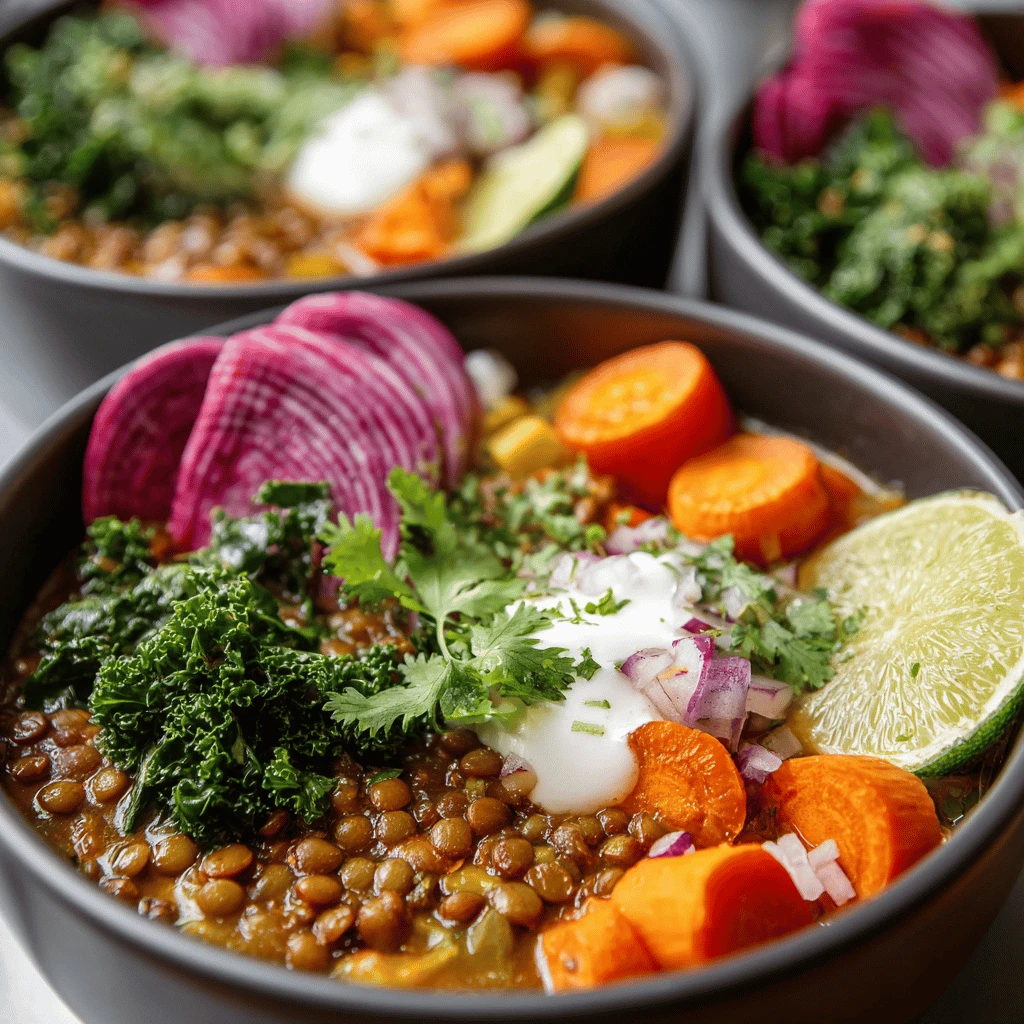
Once your lentil soup is cooked, it’s time to assemble your meal prep bowls. Allow the soup to cool slightly before portioning it into containers. Choose containers that are airtight and leak-proof to prevent spills and keep the soup fresh. Consider adding some toppings to your bowls to add texture and flavor.
Choosing the Right Containers
The right containers are essential for successful meal prepping. Look for containers that are durable, leak-proof, and easy to clean. Glass containers are a great option because they don’t stain or absorb odors and are oven-safe. However, they can be heavier and more fragile than plastic containers. Plastic containers are lighter and more affordable, but be sure to choose BPA-free options. Make sure the containers are microwave-safe if you plan to reheat your soup in the microwave. Consider the size of your containers as well. You’ll want to choose containers that are large enough to hold a satisfying portion of soup but not so large that they take up too much space in your refrigerator.
Portioning for Optimal Freshness
Proper portioning is key to maintaining the freshness of your lentil soup. Divide the soup into individual servings and place them in your chosen containers. Avoid overfilling the containers, as this can lead to spills. Leave a little space at the top of the container to allow for expansion when freezing. If you’re adding toppings, consider packing them separately to prevent them from getting soggy. This will help maintain the texture and flavor of your soup.
Topping Ideas for Extra Flavor and Texture
Adding toppings to your lentil soup can elevate it from a simple meal to a culinary delight. A dollop of Greek yogurt or sour cream adds creaminess and tanginess. A sprinkle of chopped fresh herbs, like parsley or cilantro, adds freshness and aroma. A drizzle of olive oil adds richness and flavor. Crunchy toppings, like croutons or toasted pumpkin seeds, add texture. A squeeze of lemon juice or a sprinkle of red pepper flakes adds a touch of acidity or spice. Get creative and experiment with different toppings to find your favorite combinations.
Storage and Reheating Tips
Proper storage and reheating techniques are crucial for ensuring your lentil soup meal prep bowls stay fresh and delicious. Cool the soup completely before refrigerating or freezing it. Store the soup in airtight containers in the refrigerator for up to four days or in the freezer for up to three months. When reheating, you can use the microwave, stovetop, or oven.
Refrigerating Your Lentil Soup
Cool your lentil soup to room temperature before placing it in the refrigerator. This will help prevent condensation from forming inside the containers, which can make the soup watery. Store the soup in airtight containers in the refrigerator for up to four days. Make sure to label the containers with the date so you know when they were made. Before eating, check the soup for any signs of spoilage, such as a sour smell or mold.
Freezing for Longer Storage
Freezing lentil soup is a great way to extend its shelf life. Cool the soup completely before freezing it. Divide the soup into individual portions and place them in freezer-safe containers or bags. Leave a little space at the top of the containers to allow for expansion when freezing. Label the containers with the date and contents. Lentil soup can be stored in the freezer for up to three months. Thaw the soup in the refrigerator overnight before reheating.
Reheating Methods: Microwave, Stovetop, or Oven
You can reheat lentil soup using several different methods. The microwave is the quickest and most convenient option. Simply microwave the soup on high for a few minutes, stirring occasionally, until it’s heated through. The stovetop is another good option, especially if you want to add more flavor or texture. Heat the soup in a saucepan over medium heat, stirring occasionally, until it’s heated through. You can also reheat lentil soup in the oven. Preheat the oven to 350°F (175°C) and bake the soup in an oven-safe dish for 20-30 minutes, or until it’s heated through.
Variations and Adaptations
One of the best things about lentil soup is its versatility. You can easily adapt the recipe to suit your dietary preferences and taste. Experiment with different vegetables, spices, herbs, and protein sources to create your own unique version of lentil soup.
Adding Different Vegetables
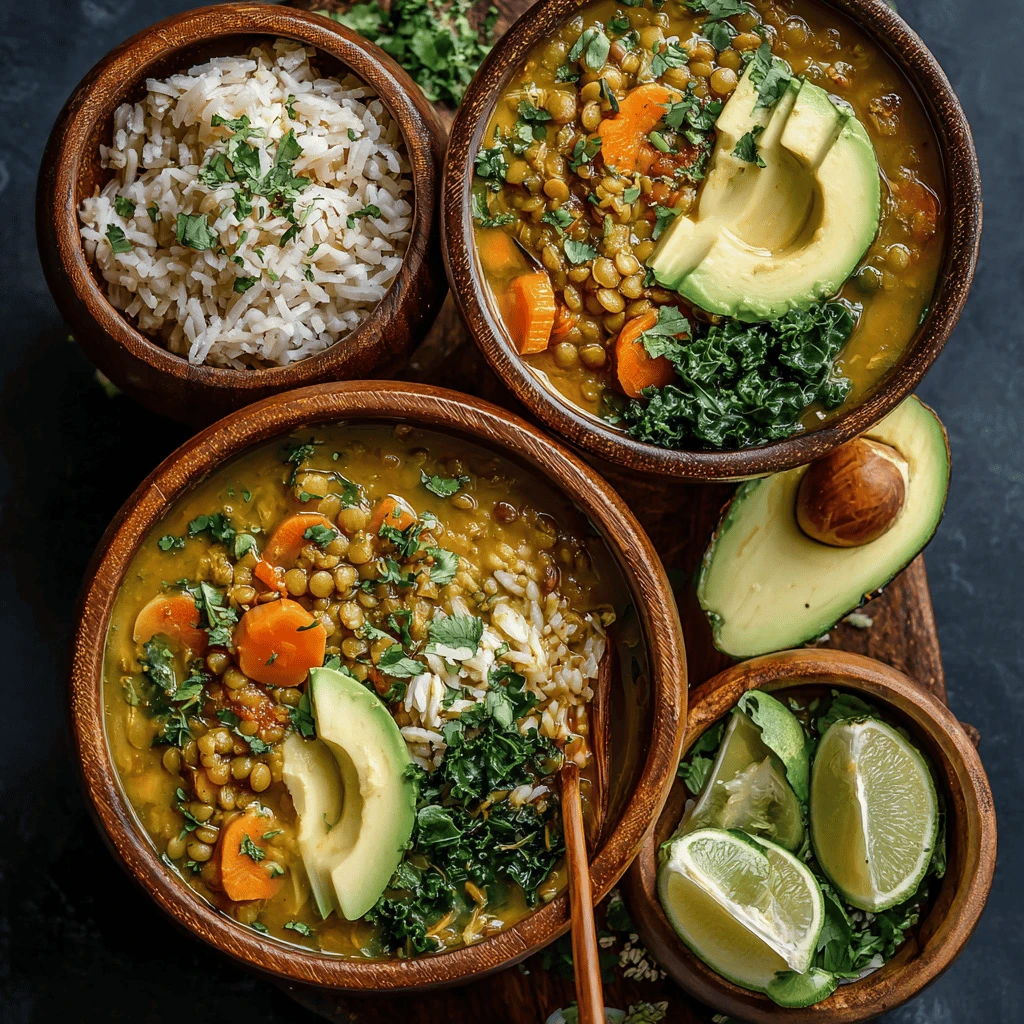
Feel free to add different vegetables to your lentil soup. Root vegetables like sweet potatoes, parsnips, and turnips add sweetness and heartiness. Leafy greens like spinach, kale, or collard greens add nutrients and fiber. Other vegetables like bell peppers, zucchini, or eggplant can also be added. Consider the cooking time of each vegetable when adding it to the soup. Add vegetables that take longer to cook earlier in the process.
Spice and Herb Combinations
Experiment with different spice and herb combinations to create unique flavor profiles. For a Middle Eastern-inspired lentil soup, try adding cumin, coriander, turmeric, and cinnamon. For a Mediterranean-inspired lentil soup, try adding oregano, basil, and thyme. For a spicy lentil soup, try adding chili powder, cayenne pepper, or red pepper flakes. Fresh herbs like parsley, cilantro, or dill can be added at the end of cooking for a burst of freshness.
Making it Spicy, Creamy, or Smoky
You can easily adapt lentil soup to suit your preferred taste. For a spicy lentil soup, add chili powder, cayenne pepper, or red pepper flakes. You can also add a chopped jalapeño pepper to the soup while it’s cooking. For a creamy lentil soup, blend a portion of the soup with an immersion blender or in a regular blender. You can also add a dollop of Greek yogurt or sour cream to each bowl before serving. For a smoky lentil soup, add smoked paprika or a few drops of liquid smoke. You can also use smoked sausage or ham hock in the soup.
FAQ About Lentil Soup Meal Prep
Is lentil soup healthy?
Yes, lentil soup is a very healthy meal option. It is high in protein, fiber, and essential nutrients like iron and folate. It’s also low in calories and fat.
How long does lentil soup last in the fridge?
Lentil soup can be stored in an airtight container in the refrigerator for up to 3-4 days.
Can you freeze lentil soup?
Yes, lentil soup freezes very well. Allow it to cool completely, then store it in freezer-safe containers or bags for up to 3 months.
What goes well with lentil soup?
Lentil soup pairs well with crusty bread, a side salad, or grilled cheese sandwich. Toppings like Greek yogurt, fresh herbs, or a drizzle of olive oil can also enhance the flavor.
What kind of lentils are best for soup?
Green or brown lentils are a good all-purpose choice for soup as they hold their shape well. Red lentils tend to break down more and create a creamier texture.