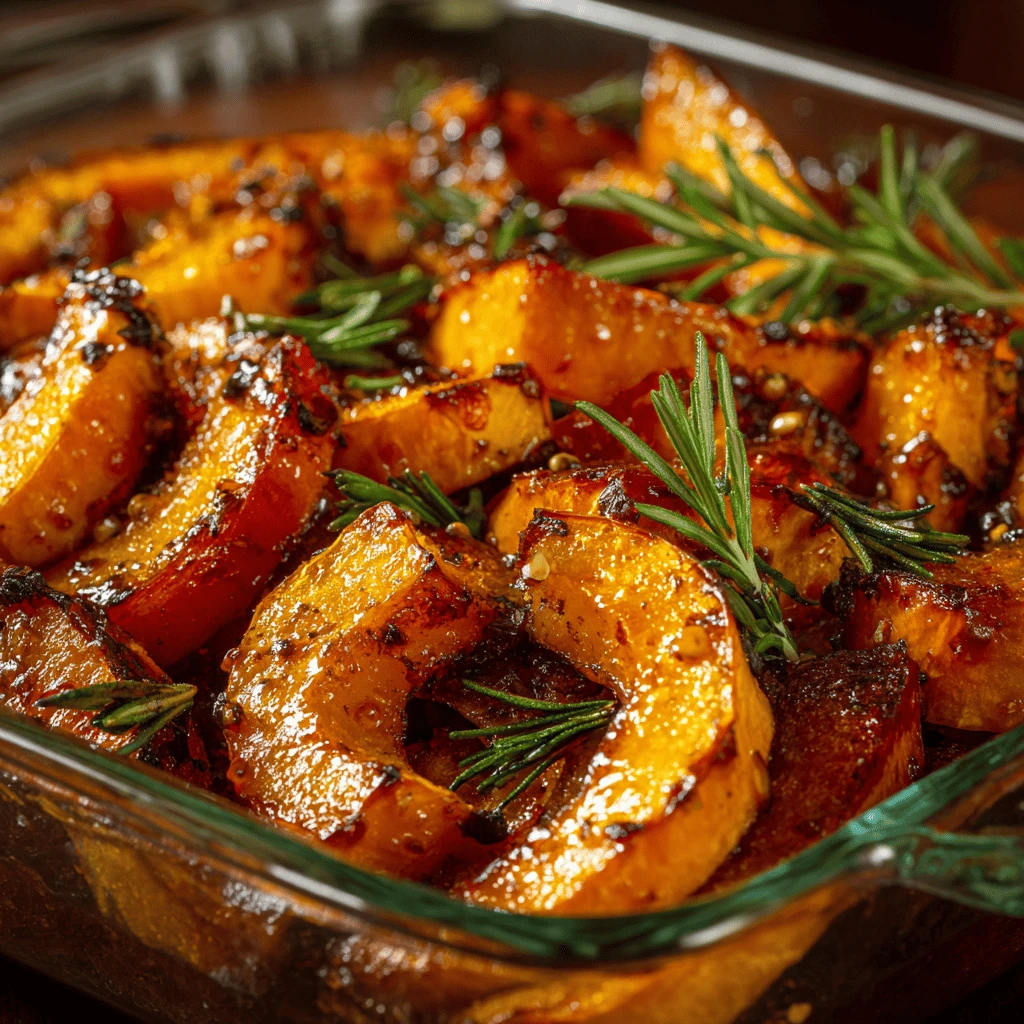
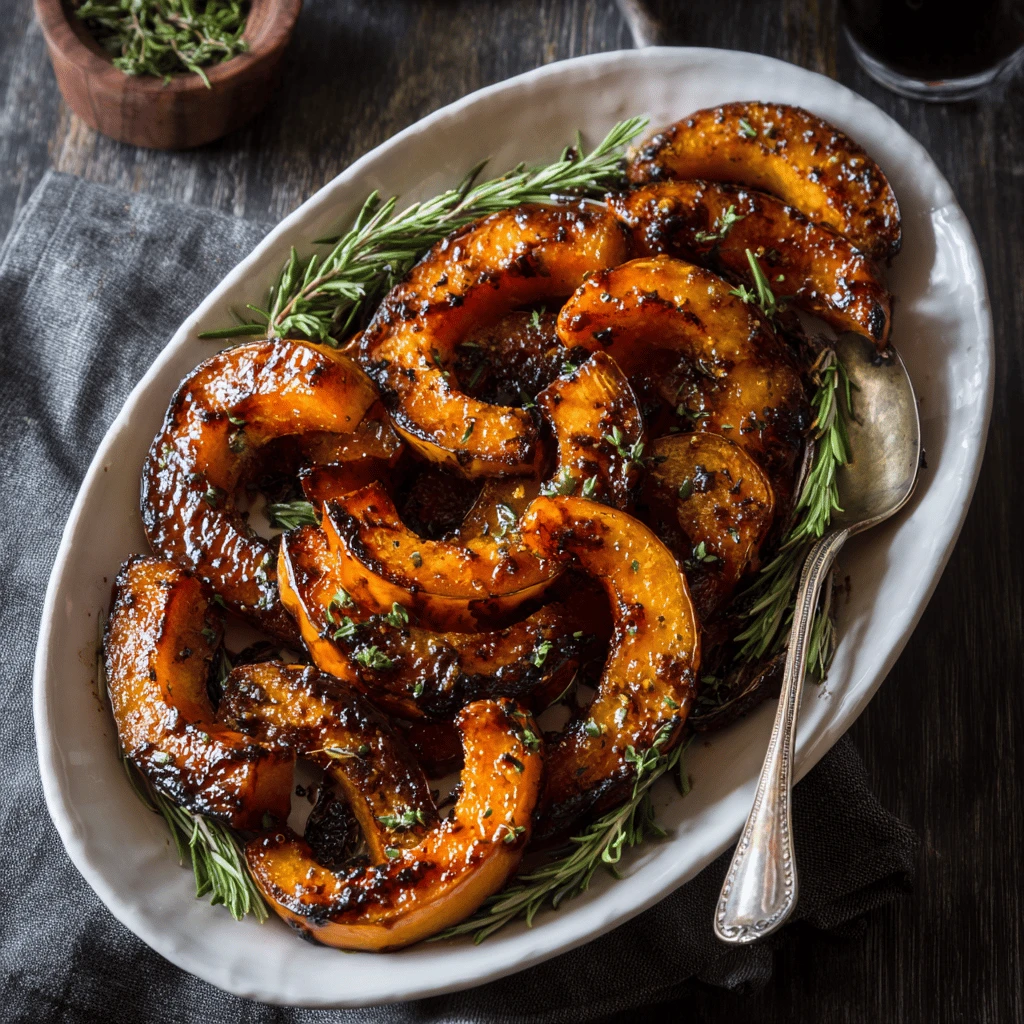
Maple Glazed Roasted Squash for Thanksgiving: A Festive Autumn Delight Thanksgiving is a time for cherished traditions, family gatherings, and, of course, an abundance of delicious food. While turkey often takes center stage, the supporting cast of side dishes is equally important. Among these, roasted squash stands out as a vibrant and flavorful addition to…
Maple Glazed Roasted Squash for Thanksgiving: A Festive Autumn Delight
Thanksgiving is a time for cherished traditions, family gatherings, and, of course, an abundance of delicious food. While turkey often takes center stage, the supporting cast of side dishes is equally important. Among these, roasted squash stands out as a vibrant and flavorful addition to the Thanksgiving table. Elevate your squash game this year with a luscious maple glaze that adds a touch of sweetness and autumnal warmth. This recipe offers a delightful balance of savory and sweet, making it a crowd-pleaser that even vegetable skeptics will enjoy.
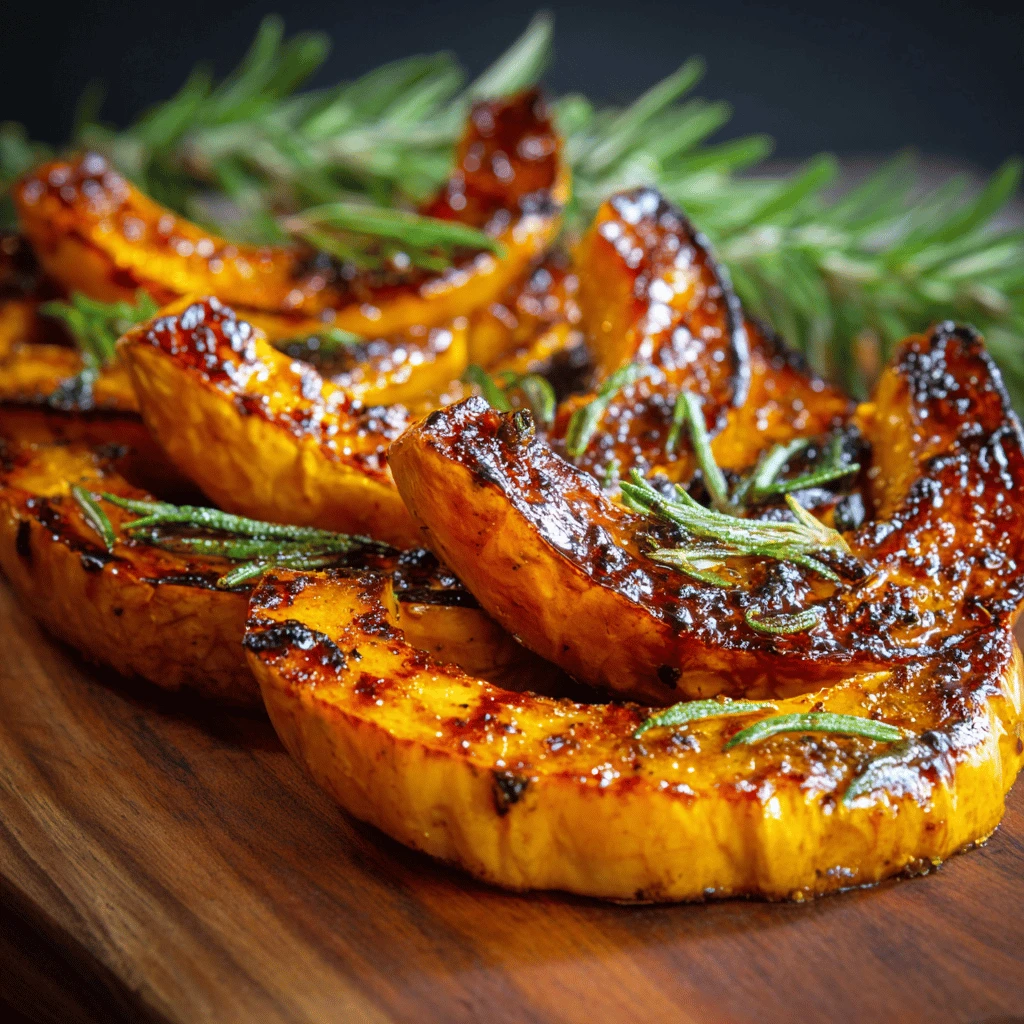
Choosing the Perfect Squash
Selecting the right squash is the first step towards Thanksgiving success. Several varieties lend themselves well to roasting and pairing with a maple glaze.
Butternut Squash: A Classic Choice
Butternut squash is perhaps the most popular choice for roasting, thanks to its sweet, nutty flavor and smooth, creamy texture when cooked. Its elongated shape makes it relatively easy to peel and cut, and its flesh cooks evenly. Look for a squash that feels heavy for its size and has a smooth, unblemished skin.
Acorn Squash: A Festive Presentation
Acorn squash offers a slightly more savory flavor than butternut squash and boasts a unique, ridged shape that makes for a visually appealing presentation. When roasted, acorn squash becomes tender and slightly caramelized, making it a wonderful canvas for a maple glaze. Choose an acorn squash that is dark green in color with a patch of orange where it rested on the ground.
Kabocha Squash: A Hidden Gem
Kabocha squash, also known as Japanese pumpkin, is a less common but equally delicious option. Its dense, sweet flesh has a slightly chestnut-like flavor. Kabocha squash is excellent roasted, and its thick skin adds a textural contrast to the tender interior. Seek out a kabocha squash that feels firm and has a dull, non-glossy skin.
Beyond the Basics: Exploring Other Varieties
Don’t be afraid to experiment with other types of squash, such as delicata, buttercup, or even pumpkin (though pumpkin might be better suited for a pie!). Each variety brings its unique flavor and texture to the table.
Crafting the Perfect Maple Glaze
The maple glaze is the star of this dish, transforming simple roasted squash into a Thanksgiving masterpiece. The key is to use high-quality maple syrup and balance it with other complementary flavors.
Selecting Your Maple Syrup
The quality of your maple syrup will significantly impact the flavor of the glaze. Opt for pure maple syrup, ideally Grade A dark or amber. These grades offer a richer, more pronounced maple flavor than lighter grades. Avoid imitation syrups, as they lack the authentic taste and complexity of real maple syrup.
Adding Depth and Complexity
While maple syrup is delicious on its own, adding other ingredients to the glaze elevates it to another level. Consider incorporating these elements:
- Butter: Adds richness and a velvety texture.
- Apple Cider Vinegar: Provides a touch of acidity to balance the sweetness.
- Dijon Mustard: Adds a subtle tang and savory note.
- Spices: Cinnamon, nutmeg, ginger, or allspice enhance the autumnal flavors.
- Herbs: Fresh rosemary or thyme can add an herbaceous touch.
- Pecans or Walnuts: Toasted nuts provide crunch and a nutty flavor.
The Glaze Recipe
Here’s a simple yet delicious maple glaze recipe to get you started:
- 1/4 cup pure maple syrup
- 2 tablespoons melted unsalted butter
- 1 tablespoon apple cider vinegar
- 1 teaspoon Dijon mustard
- 1/4 teaspoon ground cinnamon
- Pinch of salt
Whisk all ingredients together in a small bowl until well combined. Adjust the seasoning to your liking.
Roasting the Squash to Perfection
Roasting squash is a straightforward process, but there are a few key steps to ensure perfectly tender and caramelized results.
Preparing the Squash
1. Wash the squash: Thoroughly wash the exterior of the squash to remove any dirt or debris.
2. Cut the squash: Carefully cut the squash in half lengthwise. For butternut squash, you may need a sharp knife and a bit of muscle. For acorn squash, consider using a sturdy chef’s knife and cutting around the ridges.
3. Remove the seeds: Use a spoon to scoop out the seeds and stringy fibers from the cavity of each squash half.
4. Cut into wedges or cubes: Cut the squash halves into wedges or cubes, depending on your preference. Wedges offer a more rustic presentation, while cubes cook more evenly.
The Roasting Process
1. Preheat the oven: Preheat your oven to 400°F (200°C).
2. Prepare the baking sheet: Line a baking sheet with parchment paper for easy cleanup.
3. Toss with oil and seasoning: In a large bowl, toss the squash with olive oil, salt, and pepper.
4. Arrange on the baking sheet: Spread the squash in a single layer on the prepared baking sheet.
5. Roast: Roast for 20-30 minutes, or until the squash is tender and slightly caramelized.
6. Glaze: During the last 10 minutes of roasting, brush the squash with the maple glaze. Return to the oven and continue roasting until the glaze is bubbly and slightly browned.
Tips for Even Roasting
- Don’t overcrowd the baking sheet: Overcrowding will steam the squash instead of roasting it. Use two baking sheets if necessary.
- Flip halfway through: Flipping the squash halfway through ensures even browning on all sides.
- Check for doneness: The squash is done when it is easily pierced with a fork.
Serving and Pairing Suggestions
Maple glazed roasted squash is a versatile side dish that pairs well with a variety of Thanksgiving entrees and other side dishes.
Serving Suggestions
- Garnish: Garnish the roasted squash with chopped fresh herbs, such as rosemary or thyme, for a pop of color and flavor.
- Toasted Nuts: Sprinkle with toasted pecans or walnuts for added crunch and nutty flavor.
- Crumbled Cheese: A sprinkle of crumbled goat cheese or feta cheese adds a tangy contrast to the sweetness of the maple glaze.
- Seeds: Pepitas (pumpkin seeds) or sunflower seeds offer a healthy and flavorful garnish.
Perfect Pairings
- Turkey: Maple glazed roasted squash is a classic pairing with roasted turkey, complementing its savory flavor.
- Ham: The sweetness of the maple glaze also pairs well with the saltiness of ham.
- Stuffing: The squash adds a vibrant touch to traditional stuffing recipes.
- Cranberry Sauce: The tartness of cranberry sauce provides a welcome contrast to the sweetness of the squash.
- Brussels Sprouts: Roasted Brussels sprouts with bacon or balsamic vinegar make a delicious and complementary side dish.
Making it Ahead
Maple glazed roasted squash can be made ahead of time and reheated before serving. Roast the squash and prepare the glaze as directed. Let the squash cool completely, then store it in an airtight container in the refrigerator for up to 3 days. Reheat in a preheated oven at 350°F (175°C) until warmed through. Brush with the glaze before reheating for the best flavor.
Variations and Creative Twists
Feel free to experiment with different variations and creative twists to customize this recipe to your liking.
Spicy Maple Glaze
Add a pinch of red pepper flakes or a dash of hot sauce to the maple glaze for a spicy kick.
Bourbon Maple Glaze
Replace the apple cider vinegar with a tablespoon of bourbon for a richer, more complex flavor.
Brown Sugar Maple Glaze
Substitute brown sugar for some of the maple syrup for a deeper, molasses-like flavor.
Herb Infused Maple Glaze
Infuse the maple syrup with fresh rosemary or thyme by simmering it over low heat with the herbs for a few minutes. Strain the syrup before using it in the glaze.
Roasted Squash Salad
Use the roasted squash as a base for a colorful and flavorful salad. Combine it with mixed greens, toasted nuts, dried cranberries, and a vinaigrette dressing.
Frequently Asked Questions (FAQs)
Can I use frozen squash?
While fresh squash is preferred for its texture and flavor, frozen squash can be used in a pinch. Thaw the squash completely and pat it dry before roasting. Keep in mind that frozen squash may be slightly softer than fresh squash.
How do I peel a butternut squash easily?
The easiest way to peel a butternut squash is to microwave it for a few minutes to soften the skin. Pierce the squash several times with a fork and microwave for 2-3 minutes. Let it cool slightly, then use a vegetable peeler to remove the skin.
Can I make this recipe vegan?
Yes, this recipe can easily be made vegan. Substitute the butter in the glaze with vegan butter or olive oil.
How long does roasted squash last in the refrigerator?
Roasted squash will last for up to 3-4 days in the refrigerator when stored in an airtight container.
What temperature should I reheat roasted squash?
Reheat roasted squash in a preheated oven at 350°F (175°C) until warmed through. You can also reheat it in the microwave, but the texture may be slightly softer.
Can I grill the squash instead of roasting it?
Yes, you can grill the squash instead of roasting it. Preheat your grill to medium heat. Cut the squash into wedges and brush with olive oil, salt, and pepper. Grill for 15-20 minutes, or until tender, flipping occasionally. Brush with the maple glaze during the last few minutes of grilling.
What other vegetables can I roast with squash?
Squash pairs well with other root vegetables, such as carrots, sweet potatoes, parsnips, and onions. You can roast them all together on the same baking sheet.
Is Maple Glazed Roasted Squash healthy?
Maple Glazed Roasted Squash can be part of a healthy meal. Squash is packed with nutrients, including Vitamins A and C, and fiber. Using high-quality maple syrup in moderation offers minerals. You can make the dish healthier by using less glaze and adding beneficial spices like turmeric or ginger.