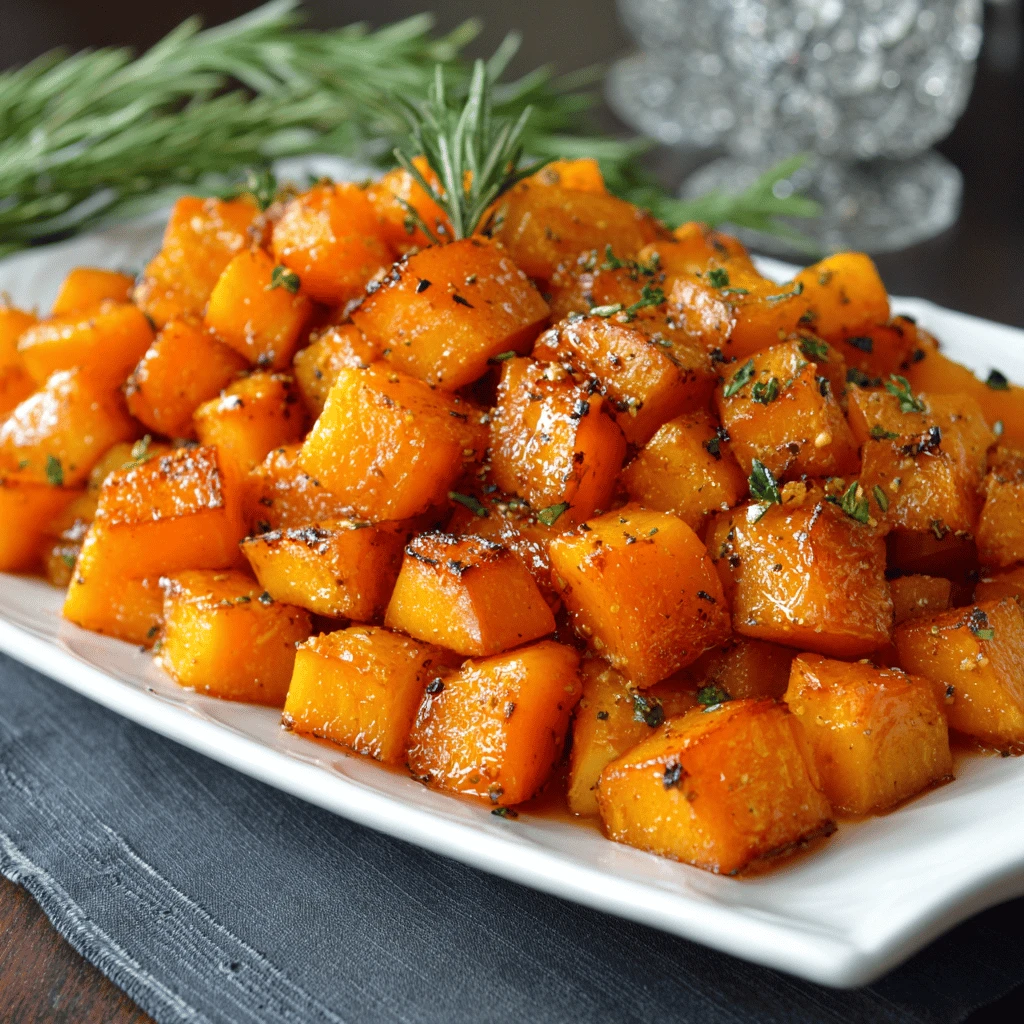
Maple Roasted Butternut Squash: The Perfect Thanksgiving Side Butternut squash is a fall staple, and what better way to showcase its sweet, nutty flavor than with a maple glaze and a roasting? This Maple Roasted Butternut Squash recipe is an easy and elegant Thanksgiving side dish that’s sure to impress your guests. It’s simple enough…
Maple Roasted Butternut Squash: The Perfect Thanksgiving Side
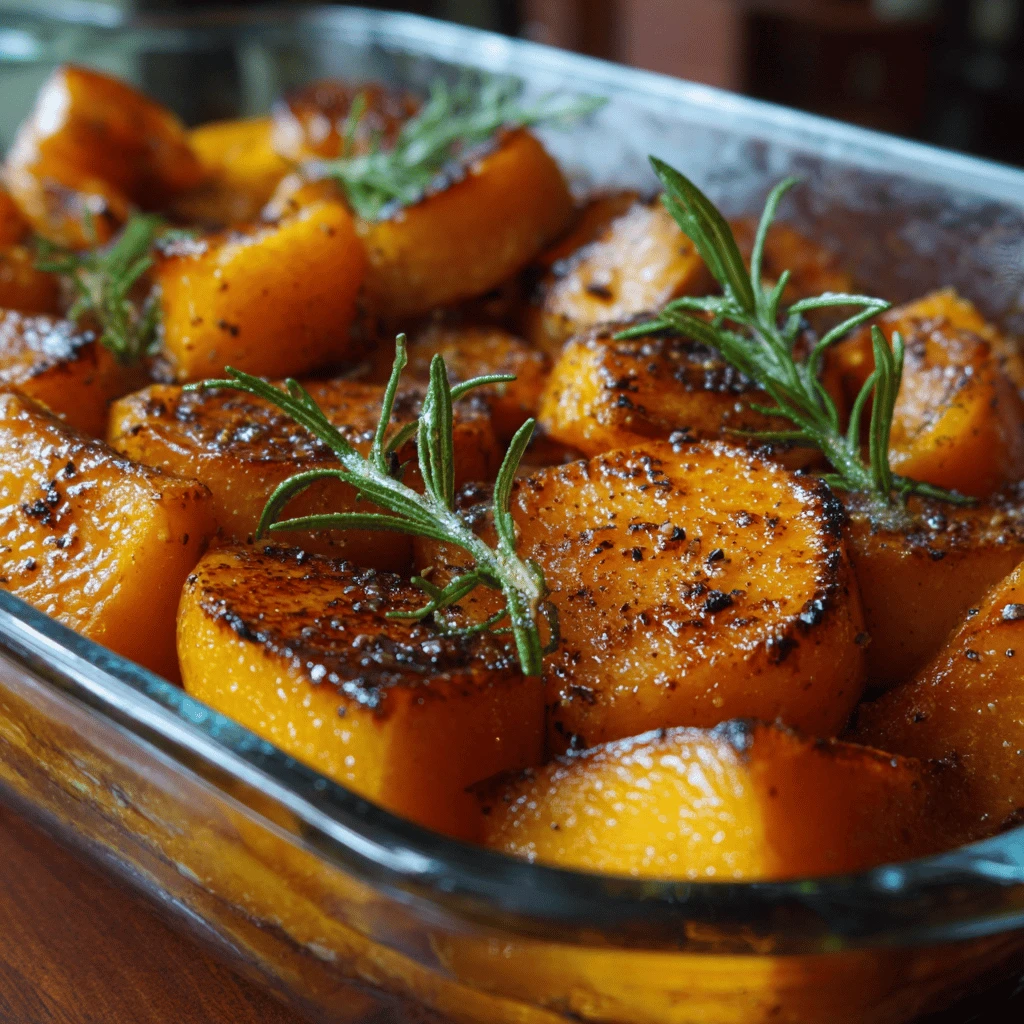
Butternut squash is a fall staple, and what better way to showcase its sweet, nutty flavor than with a maple glaze and a roasting? This Maple Roasted Butternut Squash recipe is an easy and elegant Thanksgiving side dish that’s sure to impress your guests. It’s simple enough for a weeknight meal but refined enough for your holiday table. Get ready to elevate your squash game!
Why Maple Roasted Butternut Squash is a Thanksgiving Winner
Thanksgiving is all about comfort food, and this recipe fits the bill perfectly.
Sweet and Savory Perfection
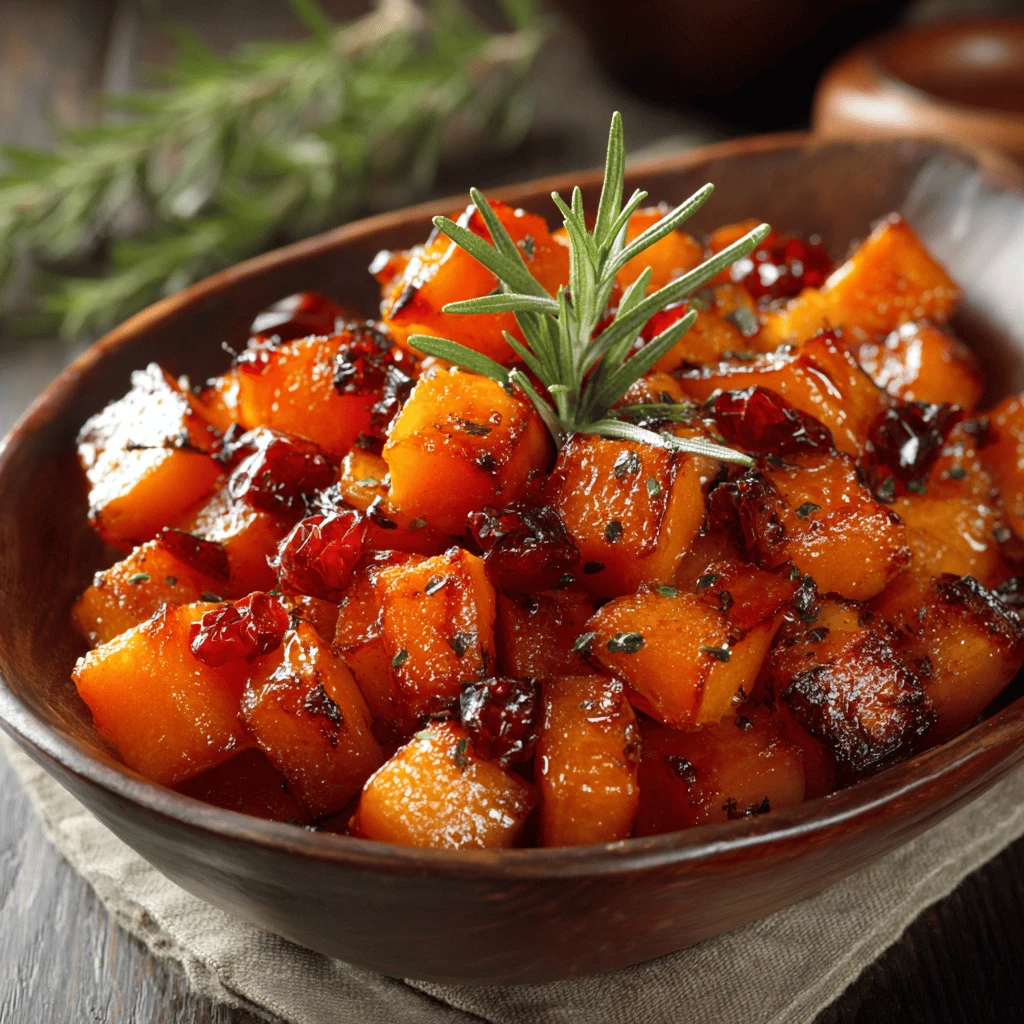
The natural sweetness of butternut squash is amplified by the maple syrup, creating a delicious caramelized glaze. A touch of salt balances the sweetness, resulting in a side dish that’s both satisfying and not overly sugary.
Simple Ingredients, Big Flavor
You don’t need a long list of exotic ingredients to make this dish shine. Butternut squash, maple syrup, olive oil, salt, and pepper are all you need for a flavorful and memorable side.
Make-Ahead Friendly
Thanksgiving day can be hectic. Luckily, this Maple Roasted Butternut Squash can be prepped ahead of time. You can chop the squash a day in advance and store it in the refrigerator. You can even roast it ahead of time and reheat it before serving.
How to Make Maple Roasted Butternut Squash
Making this side dish is easier than you might think. Here’s a step-by-step guide:
Ingredients You’ll Need:
- 1 large butternut squash (about 2-3 pounds), peeled, seeded, and cubed
- 2 tablespoons olive oil
- 2 tablespoons pure maple syrup
- 1/2 teaspoon salt
- 1/4 teaspoon black pepper
- Optional: chopped pecans, cranberries, or fresh sage for garnish
Step-by-Step Instructions:
1. Preheat the Oven: Preheat your oven to 400°F (200°C).
2. Prepare the Squash: Peel, seed, and cube the butternut squash into roughly 1-inch pieces. Try to keep the pieces uniform in size to ensure even cooking.
3. Season the Squash: In a large bowl, toss the cubed squash with olive oil, maple syrup, salt, and pepper. Make sure each piece is well coated.
4. Roast the Squash: Spread the squash in a single layer on a baking sheet. Avoid overcrowding the pan, as this will cause the squash to steam instead of roast. If necessary, use two baking sheets.
5. Roast Until Tender: Roast for 25-30 minutes, or until the squash is tender and slightly caramelized, flipping halfway through.
6. Garnish and Serve: Once the squash is roasted, garnish with chopped pecans, dried cranberries, or fresh sage, if desired. Serve immediately and enjoy!
Tips for Perfect Roasted Butternut Squash
- Peeling the Squash: Peeling a butternut squash can be tricky. Consider microwaving it for 2-3 minutes to soften the skin before peeling. A sharp vegetable peeler is your best friend!
- Roasting Temperature: 400°F (200°C) is the sweet spot for roasting butternut squash. It allows the squash to caramelize without burning.
- Don’t Overcrowd the Pan: Overcrowding the pan will result in steamed, mushy squash. Make sure the squash is spread in a single layer.
- Use Pure Maple Syrup: Real maple syrup makes all the difference in this recipe. Avoid using imitation syrups, as they lack the complex flavor of the real deal.
- Add Spice: For a touch of warmth, add a pinch of cinnamon or nutmeg to the squash before roasting. A dash of cayenne pepper can add a subtle kick.
Variations and Additions to Elevate Your Dish
This recipe is a blank canvas for your culinary creativity. Here are some variations and additions to consider:
Add Spices
Experiment with different spices to customize the flavor profile.
- Cinnamon: Adds warmth and depth.
- Nutmeg: A classic fall spice that complements squash beautifully.
- Ginger: Adds a subtle zing.
- Cayenne Pepper: For a touch of heat.
- Smoked Paprika: Adds a smoky flavor.
Add Nuts and Seeds
Nuts and seeds add crunch and texture to the dish.
- Pecans: A classic pairing with butternut squash and maple syrup.
- Walnuts: Offer a slightly bitter flavor that balances the sweetness.
- Pumpkin Seeds (Pepitas): Add a nutty crunch and a pop of color.
- Toasted Almonds: Provide a delicate, nutty flavor.
Add Fruit
Dried or fresh fruit adds sweetness and chewiness.
- Dried Cranberries: A Thanksgiving staple that adds tartness and sweetness.
- Dried Apricots: Provide a chewy texture and a unique flavor.
- Apple Chunks: Adds a sweet, crisp texture.
- Pomegranate Seeds: Add a burst of color and tartness.
Add Herbs
Fresh herbs add a touch of freshness and aroma.
- Fresh Sage: A classic pairing with butternut squash.
- Fresh Rosemary: Adds a woodsy, aromatic flavor.
- Fresh Thyme: Provides a subtle, earthy flavor.
- Fresh Parsley: Adds a bright, fresh flavor.
Other Additions
- Balsamic Glaze: Drizzle with balsamic glaze for a tangy, sweet finish.
- Goat Cheese: Crumble goat cheese over the roasted squash for a creamy, tangy contrast.
- Brown Butter: Toss the roasted squash with brown butter for a nutty, rich flavor.
Serving Suggestions and Pairings
Maple Roasted Butternut Squash is a versatile side dish that pairs well with a variety of main courses.
Thanksgiving Dinner
This dish is a natural fit for your Thanksgiving feast. It complements turkey, ham, or even a vegetarian main course like a lentil loaf or stuffed acorn squash.
Weeknight Meals
This recipe is also simple enough for a weeknight meal. Serve it alongside roasted chicken, pork chops, or fish.
Vegetarian Dishes
Pair this dish with other vegetarian dishes for a complete and satisfying meal.
- Quinoa Salad: A hearty quinoa salad with roasted vegetables and a lemon vinaigrette.
- Lentil Soup: A comforting lentil soup with crusty bread.
- Black Bean Burgers: A flavorful black bean burger on a whole-wheat bun.
Wine Pairings
The sweetness of the maple syrup and the richness of the squash pair well with a variety of wines.
- Off-Dry Riesling: The slight sweetness of the Riesling complements the maple syrup and squash.
- Pinot Noir: The earthy notes of the Pinot Noir pair well with the squash.
- Gewürztraminer: The aromatic Gewürztraminer complements the spices in the dish.
Frequently Asked Questions (FAQ)
Here are some common questions about making Maple Roasted Butternut Squash:
Can I use pre-cut butternut squash?
Yes, you can use pre-cut butternut squash to save time. Just make sure the pieces are relatively uniform in size.
Can I roast the squash ahead of time?
Yes, you can roast the squash ahead of time and reheat it before serving. Store the roasted squash in an airtight container in the refrigerator for up to 3 days. Reheat in a 350°F (175°C) oven for 10-15 minutes, or until heated through.
How do I store leftover roasted butternut squash?
Store leftover roasted butternut squash in an airtight container in the refrigerator for up to 3 days.
Can I freeze roasted butternut squash?
Yes, you can freeze roasted butternut squash. Spread the roasted squash in a single layer on a baking sheet and freeze for 1-2 hours, or until solid. Then, transfer the frozen squash to an airtight container or freezer bag and freeze for up to 2 months. Thaw in the refrigerator overnight before reheating.
Can I use a different sweetener instead of maple syrup?
You can substitute honey or brown sugar for maple syrup. However, maple syrup provides a unique flavor that complements the squash perfectly.
What if my squash is not sweet enough?
If your squash is not sweet enough, you can add a little extra maple syrup or brown sugar. You can also add a pinch of salt to enhance the sweetness.
How do I know when the butternut squash is done?
The butternut squash is done when it is tender and easily pierced with a fork. It should also be slightly caramelized on the edges.