Spaghetti with Ground Beef Marinara: A Classic Comfort Food Recipe Spaghetti with ground beef marinara is a timeless dish that evokes feelings of warmth and satisfaction. This easy-to-make meal is a staple in many households, offering a hearty and flavorful experience that’s perfect for weeknight dinners or weekend gatherings. This article explores the secrets to…
Spaghetti with Ground Beef Marinara: A Classic Comfort Food Recipe
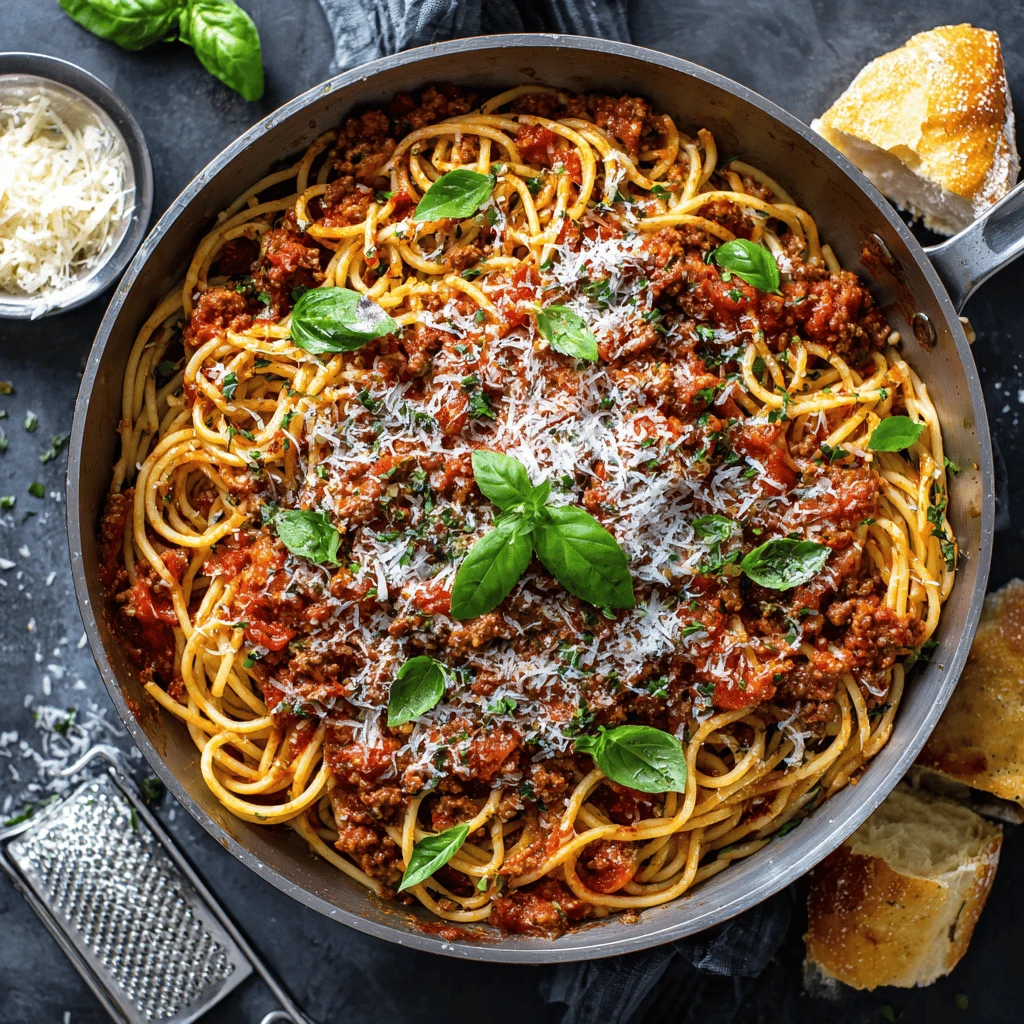
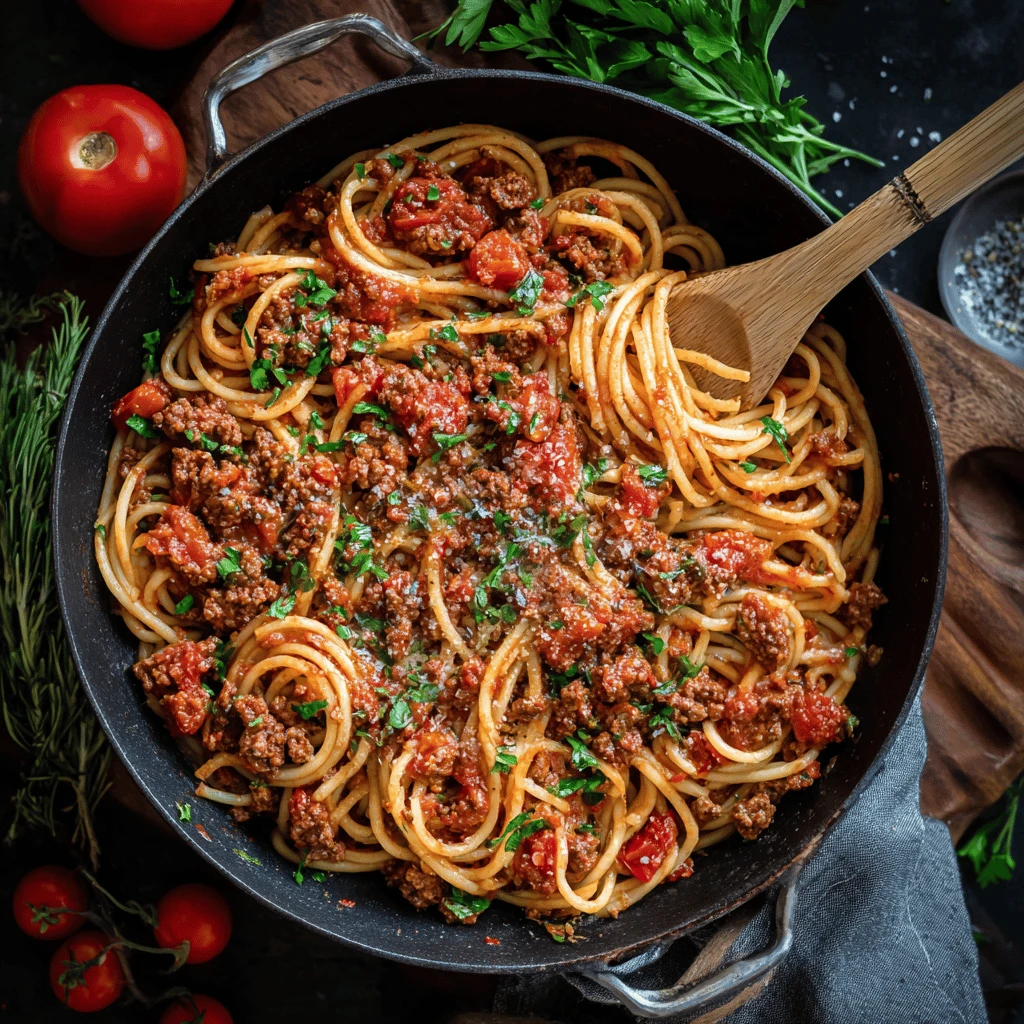
Spaghetti with ground beef marinara is a timeless dish that evokes feelings of warmth and satisfaction. This easy-to-make meal is a staple in many households, offering a hearty and flavorful experience that’s perfect for weeknight dinners or weekend gatherings. This article explores the secrets to creating the ultimate spaghetti with ground beef marinara, from selecting the best ingredients to mastering the cooking techniques.
The Foundation: Perfecting Your Marinara Sauce
The heart of any great spaghetti with ground beef marinara is the sauce. While jarred options are convenient, crafting your own marinara from scratch elevates the dish to a whole new level.
Choosing the Right Tomatoes
The type of tomatoes you use significantly impacts the sauce’s flavor and texture. San Marzano tomatoes are often considered the gold standard due to their sweetness, low acidity, and meaty texture. However, other high-quality canned tomatoes, such as Roma or plum tomatoes, also work well. Crushed tomatoes provide a ready-to-use base, while whole tomatoes allow you to control the consistency and texture yourself. If using whole tomatoes, crush them by hand or with a potato masher for a rustic sauce.
Building Flavor with Aromatics
Aromatics form the foundation of a delicious marinara sauce. Start by sautéing finely chopped onions and garlic in olive oil until softened and fragrant. This step releases their essential oils, infusing the sauce with a savory depth. Consider adding other aromatics like carrots or celery (mirepoix) for a more complex flavor profile. A pinch of red pepper flakes can introduce a subtle kick, while dried oregano and basil add a classic Italian touch. Fresh herbs, added towards the end of cooking, provide a bright and vibrant finish.
Simmering for Success
Simmering is key to developing a rich and flavorful marinara sauce. After adding the tomatoes and aromatics, bring the sauce to a gentle simmer, then reduce the heat and let it cook for at least 30 minutes, or even longer for a more intense flavor. Stir occasionally to prevent sticking and allow the flavors to meld together. Taste and adjust the seasoning as needed, adding salt, pepper, and a touch of sugar to balance the acidity of the tomatoes.
The Meat: Selecting and Cooking Ground Beef
Ground beef adds a hearty protein element to spaghetti marinara, transforming it into a satisfying and complete meal.
Choosing Your Ground Beef
The fat content of your ground beef will influence the flavor and texture of the sauce. Ground beef with a higher fat percentage (e.g., 80/20) will yield a richer, more flavorful sauce, but it will also require more draining. Leaner ground beef (e.g., 90/10) will be healthier but may result in a drier sauce. Experiment with different fat percentages to find your preferred balance. Ground chuck, which typically has a good balance of flavor and leanness, is a popular choice.
Browning for Flavor
Properly browning the ground beef is essential for developing a deep, savory flavor. Heat a large skillet or pot over medium-high heat and add the ground beef. Break it up with a spatula and cook until browned on all sides. Avoid overcrowding the pan, as this will steam the meat instead of browning it. If necessary, brown the beef in batches. Once browned, drain off any excess fat.
Integrating the Beef with the Sauce
After browning and draining the ground beef, add it to the marinara sauce and stir to combine. Allow the beef to simmer in the sauce for at least 15 minutes, or longer for a more tender texture. This allows the beef to absorb the flavors of the sauce and creates a harmonious blend. Consider adding a splash of red wine to the sauce for an extra layer of complexity.
The Pasta: Cooking Spaghetti to Perfection
The pasta is the vehicle that delivers the delicious marinara sauce and ground beef to your taste buds.
Choosing the Right Spaghetti
While other pasta shapes can be used, spaghetti is the classic choice for this dish. Opt for high-quality spaghetti made from durum wheat semolina for the best texture and flavor. Thicker spaghetti, such as spaghetti alla chitarra, can also be a good choice for a heartier meal.
Cooking Al Dente
Cooking pasta “al dente,” which means “to the tooth” in Italian, is crucial for achieving the perfect texture. Overcooked pasta will be mushy and bland, while undercooked pasta will be too firm. Follow the package directions for cooking time, but start checking for doneness a minute or two before the recommended time. The pasta should be firm to the bite but not hard.
The Importance of Pasta Water
Before draining the pasta, reserve about a cup of the starchy cooking water. This water can be added to the sauce to help it cling to the pasta and create a creamier consistency. The starch in the water acts as a natural emulsifier, binding the sauce and pasta together.
Putting It All Together: Serving and Garnishing
The final step is to combine the cooked pasta, sauce, and ground beef and serve it with appropriate garnishes.
Combining the Pasta and Sauce
Add the cooked spaghetti directly to the pot of marinara sauce and ground beef. Toss well to coat the pasta evenly with the sauce. Add a splash of the reserved pasta water if needed to adjust the consistency. Ensure that every strand of spaghetti is coated in the flavorful sauce.
Serving Suggestions
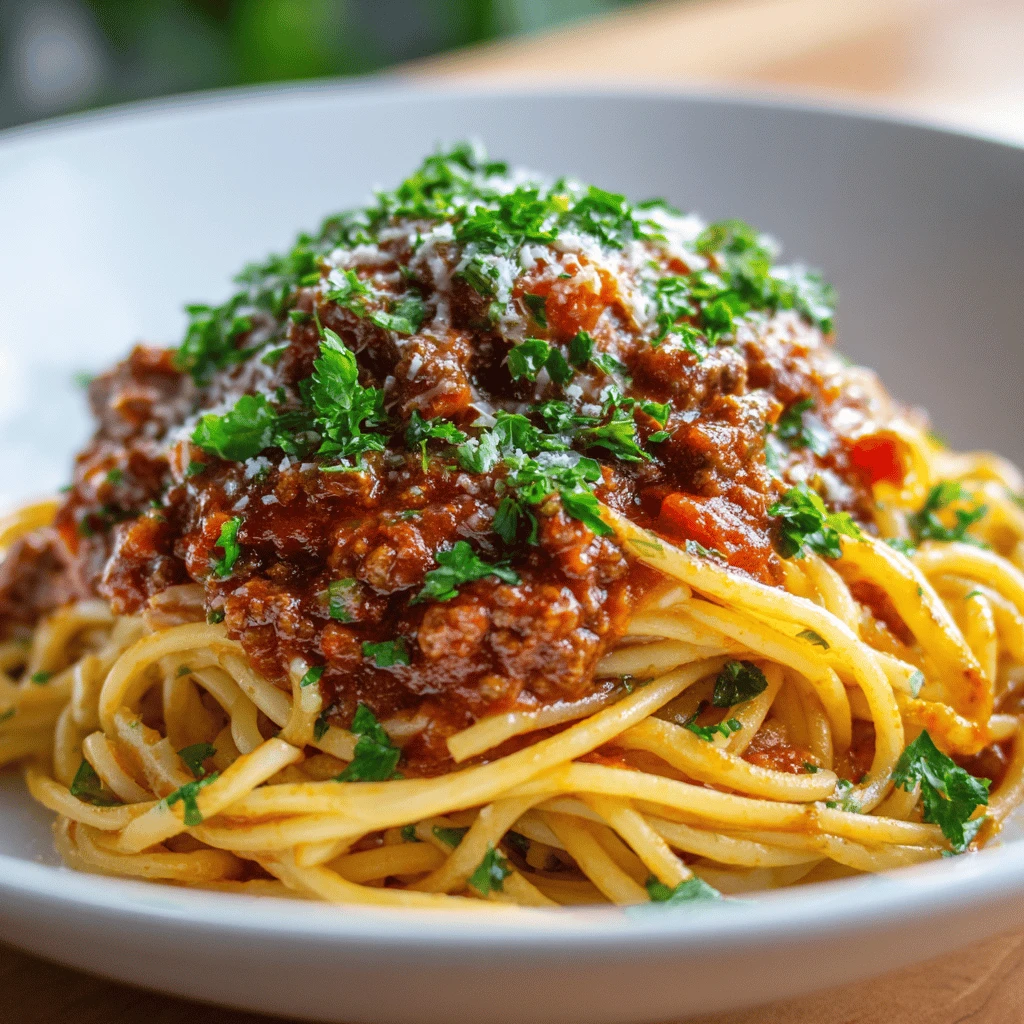
Serve the spaghetti with ground beef marinara immediately after combining. Garnish with freshly grated Parmesan cheese and chopped fresh basil. A side of garlic bread or a simple green salad can complete the meal. Consider offering a variety of toppings, such as red pepper flakes, extra Parmesan cheese, or a drizzle of olive oil, to allow diners to customize their dishes.
Variations and Additions
Spaghetti with ground beef marinara is a versatile dish that can be easily adapted to suit your preferences. Add vegetables like bell peppers, mushrooms, or zucchini to the sauce for extra flavor and nutrition. Experiment with different types of ground meat, such as ground turkey or Italian sausage. Incorporate other Italian cheeses, such as ricotta or mozzarella, for a richer and creamier dish.
Troubleshooting and Expert Tips
Making spaghetti with ground beef marinara is a straightforward process, but common pitfalls can prevent you from achieving the best results.
Avoiding Common Mistakes
One common mistake is overcooking the pasta. Be vigilant in checking for doneness and drain the pasta as soon as it reaches the al dente stage. Another mistake is not seasoning the sauce adequately. Taste and adjust the seasoning throughout the cooking process, adding salt, pepper, and other spices as needed to balance the flavors. Avoid using too much water when cooking the pasta, as this can dilute the starch and prevent the sauce from clinging properly.
Expert Tips for the Best Results
For a richer and more complex sauce, consider adding a small amount of tomato paste to the sauce and browning it before adding the tomatoes. This will intensify the tomato flavor and add depth to the sauce. To prevent the sauce from sticking to the bottom of the pot, stir it frequently, especially during the simmering stage. If you have time, make the sauce a day in advance. This will allow the flavors to meld together and develop even further.
Freezing and Reheating Instructions
Spaghetti with ground beef marinara freezes well, making it a convenient make-ahead meal. Allow the sauce to cool completely before transferring it to freezer-safe containers or bags. Freeze for up to three months. To reheat, thaw the sauce in the refrigerator overnight or in the microwave. Reheat gently on the stovetop or in the microwave, stirring occasionally until heated through. Cook the pasta fresh when you are ready to serve.
Frequently Asked Questions (FAQ)
-
- What is the best type of ground beef to use for spaghetti marinara?
The best type depends on your preference for fat content. 80/20 ground beef offers more flavor but needs draining. 90/10 is leaner and healthier. Ground chuck offers a good balance.
-
- How long should I simmer the marinara sauce?
Simmer for at least 30 minutes to allow flavors to meld. Longer simmering, up to a few hours, will result in a richer, more intense flavor.
-
- Can I use jarred marinara sauce instead of making my own?
Yes, jarred sauce is convenient. Choose a high-quality brand and consider adding extra aromatics like garlic and herbs to enhance the flavor.
-
- How do I prevent the pasta from sticking together?
Cook the pasta in plenty of salted water and stir it frequently during cooking. Don't rinse the pasta after draining, as this will wash away the starch that helps the sauce cling.
-
- Can I add vegetables to the spaghetti marinara?
Yes, vegetables like bell peppers, mushrooms, onions, and zucchini add flavor and nutrition. Sauté them with the aromatics before adding the tomatoes.
-
- Is it possible to prepare this dish in a slow cooker?
Yes, you can cook the sauce in a slow cooker. Brown the ground beef first, then add all ingredients to the slow cooker and cook on low for 6-8 hours or on high for 3-4 hours. Cook the pasta separately and combine when ready to serve.
-
- How can I make the sauce thicker if it is too runny?
Simmer the sauce for a longer time, uncovered, to allow some of the liquid to evaporate. You can also add a tablespoon of tomato paste or a cornstarch slurry (1 tablespoon cornstarch mixed with 2 tablespoons cold water) to thicken the sauce.
-
- Can I use fresh tomatoes instead of canned?
Yes, if fresh tomatoes are in season and of good quality. Peel and seed the tomatoes, then crush them before adding them to the sauce. You may need to adjust the cooking time to allow the fresh tomatoes to break down.
-
- What can I add to the sauce to make it taste even better?
A small amount of sugar can balance the acidity of the tomatoes. A splash of red wine, balsamic vinegar, or Worcestershire sauce can add depth of flavor. Fresh herbs like basil and oregano will brighten the sauce.
-
- Can I use a different type of pasta?
Yes, while spaghetti is the classic choice, you can use other pasta shapes like penne, rigatoni, or farfalle. Choose a shape that has ridges or grooves to hold the sauce well.