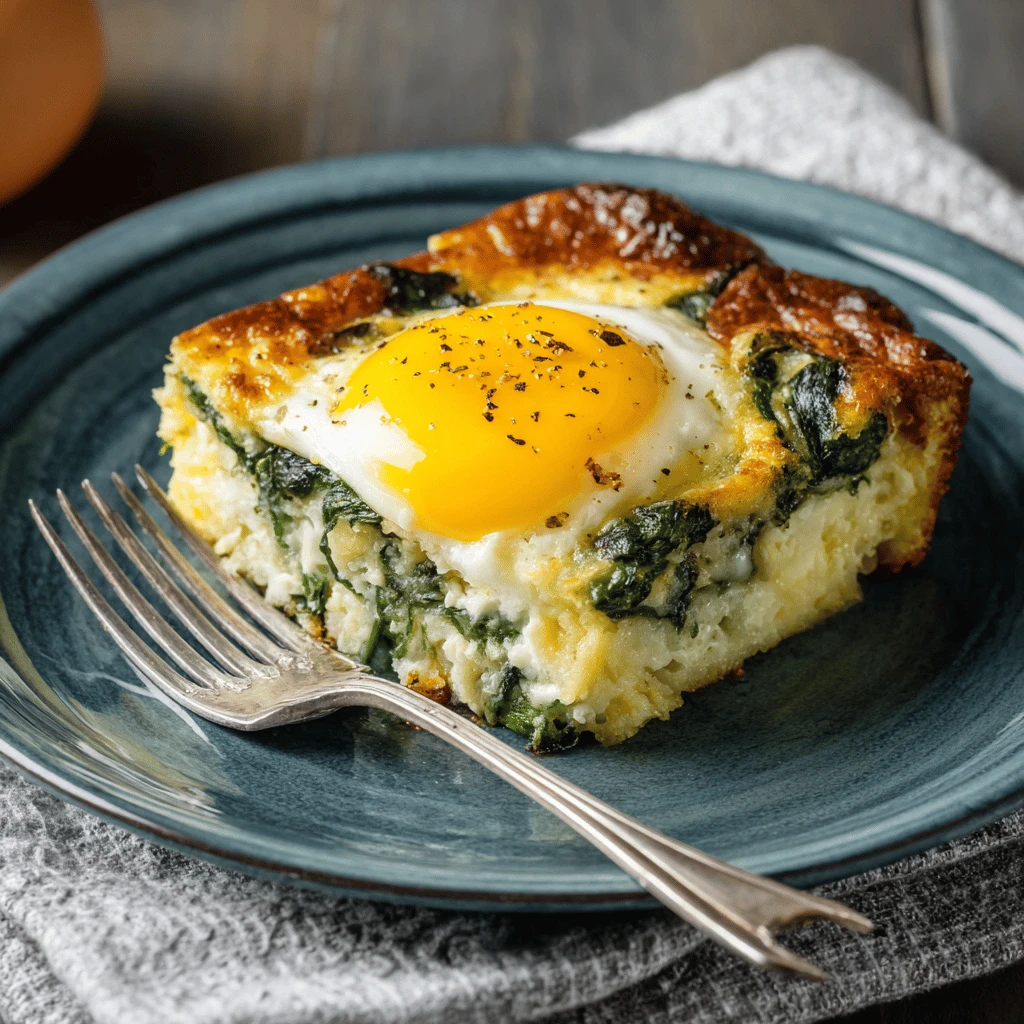
Spinach and Egg Breakfast Casserole: The Ultimate Make-Ahead Brunch Spinach and egg breakfast casserole is a hearty, flavorful, and convenient dish perfect for weekend brunch, holidays, or even a simple weekday breakfast. This versatile recipe is easily customizable to your preferences and dietary needs, making it a crowd-pleaser for any occasion. This guide will walk…
Spinach and Egg Breakfast Casserole: The Ultimate Make-Ahead Brunch
Spinach and egg breakfast casserole is a hearty, flavorful, and convenient dish perfect for weekend brunch, holidays, or even a simple weekday breakfast. This versatile recipe is easily customizable to your preferences and dietary needs, making it a crowd-pleaser for any occasion. This guide will walk you through creating the perfect spinach and egg breakfast casserole, from the essential ingredients to helpful tips and variations.
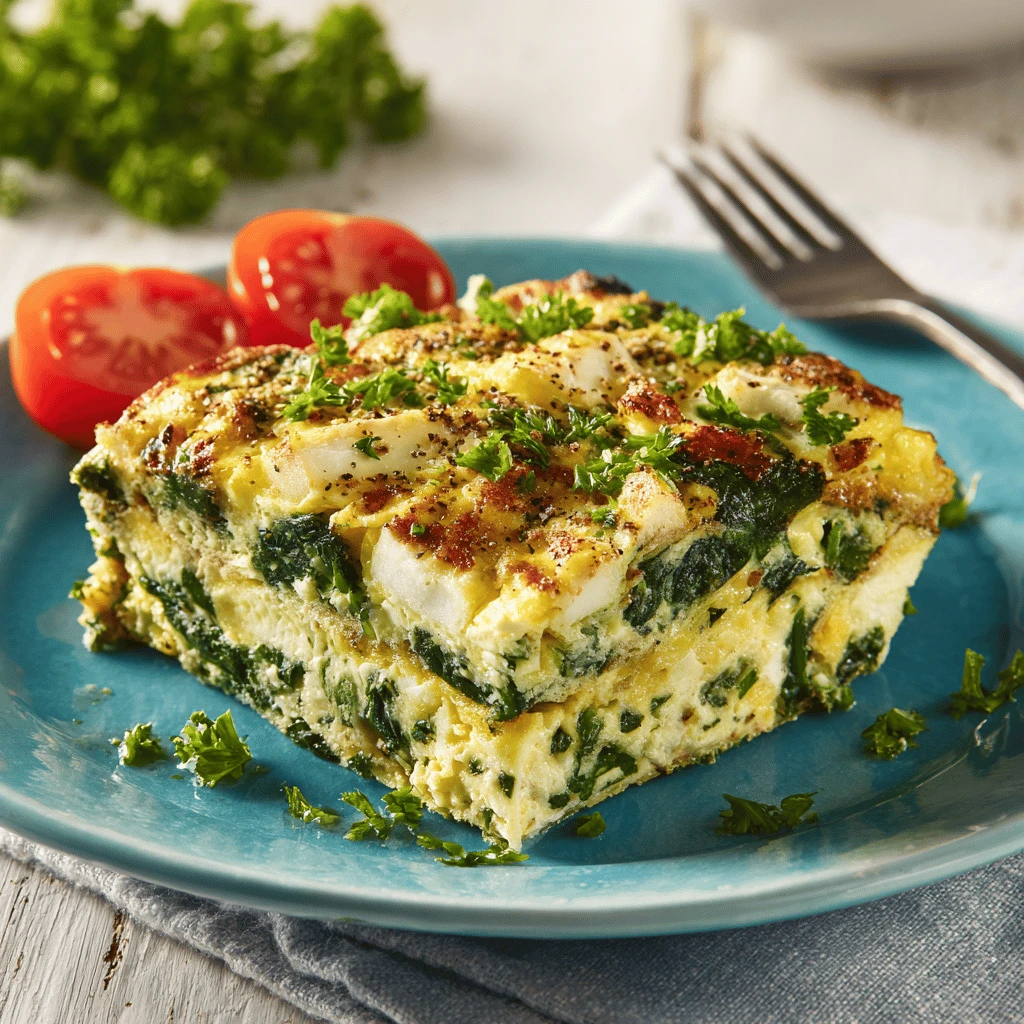
Why You’ll Love This Spinach and Egg Casserole
This isn’t just another breakfast casserole; it’s a complete meal baked into one dish. Here’s why you’ll find yourself making it again and again:
- Make-Ahead Convenience: Prepare it the night before, and simply bake it in the morning. This makes it ideal for busy mornings or entertaining guests.
- Nutritious and Delicious: Packed with protein, vitamins, and minerals from the eggs and spinach, it’s a healthy and satisfying way to start the day.
- Versatile and Customizable: Easily adapt the recipe to your liking by adding different cheeses, meats, or vegetables.
- Perfect for a Crowd: It feeds a large group, making it ideal for brunch gatherings or holiday celebrations.
- Freezer-Friendly: Leftovers can be frozen for future breakfasts or quick weeknight dinners.
Building Your Perfect Casserole: Ingredients and Preparation
The beauty of a spinach and egg breakfast casserole lies in its simplicity and adaptability. Here’s a breakdown of the key ingredients and how to prepare them:
The Base:
- Eggs: The foundation of the casserole. Use large eggs for the best texture and binding power. Aim for at least 6-8 eggs for a standard 9×13 inch baking dish.
- Milk or Cream: Adds moisture and richness. Whole milk, half-and-half, or heavy cream all work well, depending on your preference. You can even substitute with non-dairy alternatives like almond milk or oat milk.
- Bread: Provides structure and texture. Cubed day-old bread, croissants, or even sourdough make excellent choices. Consider toasting the bread lightly to prevent it from becoming soggy.
- Cheese: Contributes flavor and creaminess. Cheddar, mozzarella, Gruyere, and Monterey Jack are all popular options. Feel free to use a combination of cheeses for a more complex flavor profile.
The Stars: Spinach and Add-Ins:
- Spinach: The star of the show! Fresh or frozen spinach can be used. If using frozen spinach, be sure to thaw it completely and squeeze out any excess moisture to prevent a watery casserole.
- Meat (Optional): Adds protein and flavor. Cooked sausage, bacon, ham, or chorizo are all excellent additions. Brown the meat before adding it to the casserole. Consider using turkey sausage or bacon for a lighter option.
- Vegetables (Optional): Adds nutrients and flavor. Onions, mushrooms, bell peppers, and tomatoes are all great choices. Sauté the vegetables before adding them to the casserole to soften them and enhance their flavor.
- Seasonings: Essential for bringing all the flavors together. Salt, pepper, garlic powder, onion powder, and dried herbs like thyme or oregano are all great choices. Consider adding a pinch of red pepper flakes for a touch of heat.
Preparation Steps:
1. Prepare the Bread: Cube the bread and lightly toast it if desired.
2. Cook the Meat and Vegetables (if using): Brown the meat and sauté the vegetables until tender.
3. Prepare the Spinach: If using frozen spinach, thaw it and squeeze out excess moisture. If using fresh spinach, sauté it until wilted.
4. Whisk the Eggs: In a large bowl, whisk together the eggs, milk or cream, and seasonings.
5. Assemble the Casserole: Layer the bread, meat (if using), vegetables (if using), spinach, and cheese in a greased baking dish. Pour the egg mixture over the top, making sure to saturate all the ingredients.
6. Refrigerate (Optional): For a make-ahead casserole, cover the dish and refrigerate it overnight.
7. Bake: Preheat oven to 350°F (175°C). Bake for 45-60 minutes, or until the casserole is set and the top is golden brown. Let it cool slightly before serving.
Baking to Perfection: Tips and Techniques
Achieving the perfect spinach and egg breakfast casserole requires attention to detail and a few key techniques:
- Don’t Overbake: Overbaking can result in a dry and rubbery casserole. Check for doneness by inserting a knife into the center; it should come out clean.
- Use the Right Baking Dish: A 9×13 inch baking dish is ideal for a standard casserole recipe. However, you can adjust the baking time if using a different size dish.
- Grease the Baking Dish: This prevents the casserole from sticking and makes it easier to serve.
- Let it Rest: Allow the casserole to rest for at least 10 minutes before serving. This allows the eggs to set completely and makes it easier to slice.
- Prevent Soggy Bread: Toasting the bread slightly before adding it to the casserole helps prevent it from becoming soggy. You can also use day-old bread, which is naturally drier.
- Even Distribution: Ensure that the ingredients are evenly distributed throughout the casserole for consistent flavor and texture.
- Cheese on Top: Adding a layer of cheese on top of the casserole during the last 15 minutes of baking will create a golden brown and bubbly crust.
Variations to Explore: Tailoring Your Casserole
One of the best things about spinach and egg breakfast casserole is its versatility. Here are some variations to inspire your creativity:
- Italian: Add Italian sausage, mozzarella cheese, sun-dried tomatoes, and basil.
- Mexican: Add chorizo, cheddar cheese, black beans, corn, and salsa. Top with avocado and sour cream after baking.
- Vegetarian: Add mushrooms, bell peppers, onions, zucchini, and a variety of cheeses.
- Gluten-Free: Use gluten-free bread or omit the bread altogether.
- Dairy-Free: Use non-dairy milk, cheese, and butter alternatives.
- Low-Carb: Omit the bread and add more vegetables and protein. Consider using cauliflower rice as a base.
- Spicy: Add jalapeños, red pepper flakes, or a dash of hot sauce.
- Sweet and Savory: Add a touch of maple syrup or brown sugar for a hint of sweetness.
Serving and Storing: Maximizing Your Casserole
Serving your spinach and egg breakfast casserole is as easy as slicing and enjoying. Here are some tips for serving and storing:
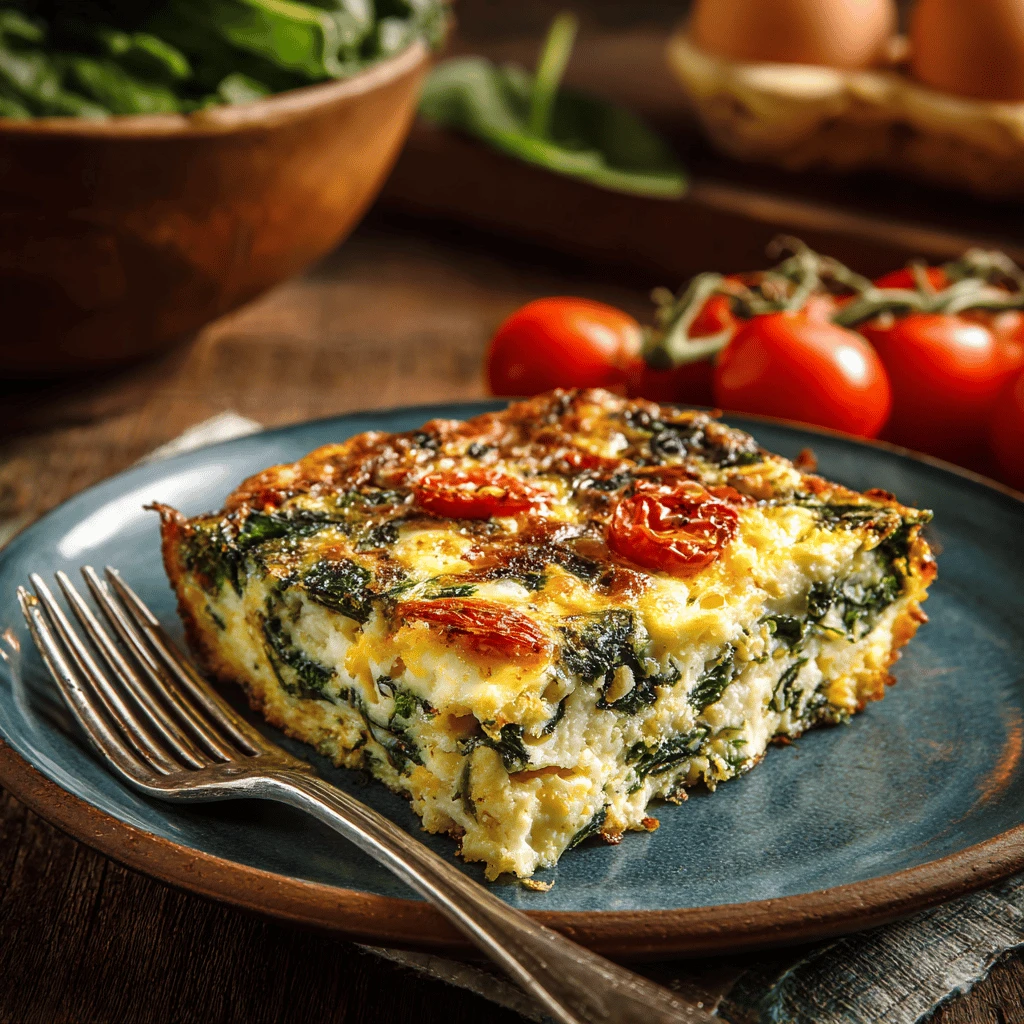
- Serving Suggestions: Serve the casserole warm with a side of fresh fruit, yogurt, or a simple green salad. You can also top it with salsa, sour cream, or avocado.
- Reheating: Reheat leftovers in the microwave or oven until warmed through.
- Storing: Store leftovers in an airtight container in the refrigerator for up to 3-4 days.
- Freezing: Freeze leftover slices or the entire casserole for up to 2-3 months. Wrap tightly in plastic wrap and then in foil to prevent freezer burn. Thaw overnight in the refrigerator before reheating.
- Make-Ahead Tips: Assemble the casserole up to 24 hours in advance and store it in the refrigerator. Add 10-15 minutes to the baking time if baking from cold.
Frequently Asked Questions (FAQ)
-
- Can I make this casserole ahead of time?
Yes, you can assemble the casserole up to 24 hours in advance and store it in the refrigerator. This is a great way to save time in the morning.
-
- Can I freeze spinach and egg casserole?
Yes, you can freeze the entire casserole or individual slices. Wrap tightly in plastic wrap and then in foil to prevent freezer burn. Thaw overnight in the refrigerator before reheating.
-
- How do I prevent my casserole from being watery?
Be sure to squeeze out any excess moisture from the spinach before adding it to the casserole. You can also lightly toast the bread to prevent it from becoming soggy.
-
- What kind of bread is best for breakfast casserole?
Day-old bread, croissants, or even sourdough make excellent choices. Consider toasting the bread lightly to prevent it from becoming soggy.
-
- What can I substitute for milk in breakfast casserole?
You can substitute milk with non-dairy alternatives like almond milk, oat milk, or soy milk.
-
- How long does breakfast casserole last in the fridge?
Breakfast casserole can last in the fridge for up to 3-4 days when stored properly in an airtight container.
-
- What temperature should breakfast casserole be cooked at?
Breakfast casserole should be cooked at 350°F (175°C).
-
- How do you know when breakfast casserole is done?
The casserole is done when it is set and the top is golden brown. You can also insert a knife into the center; it should come out clean.