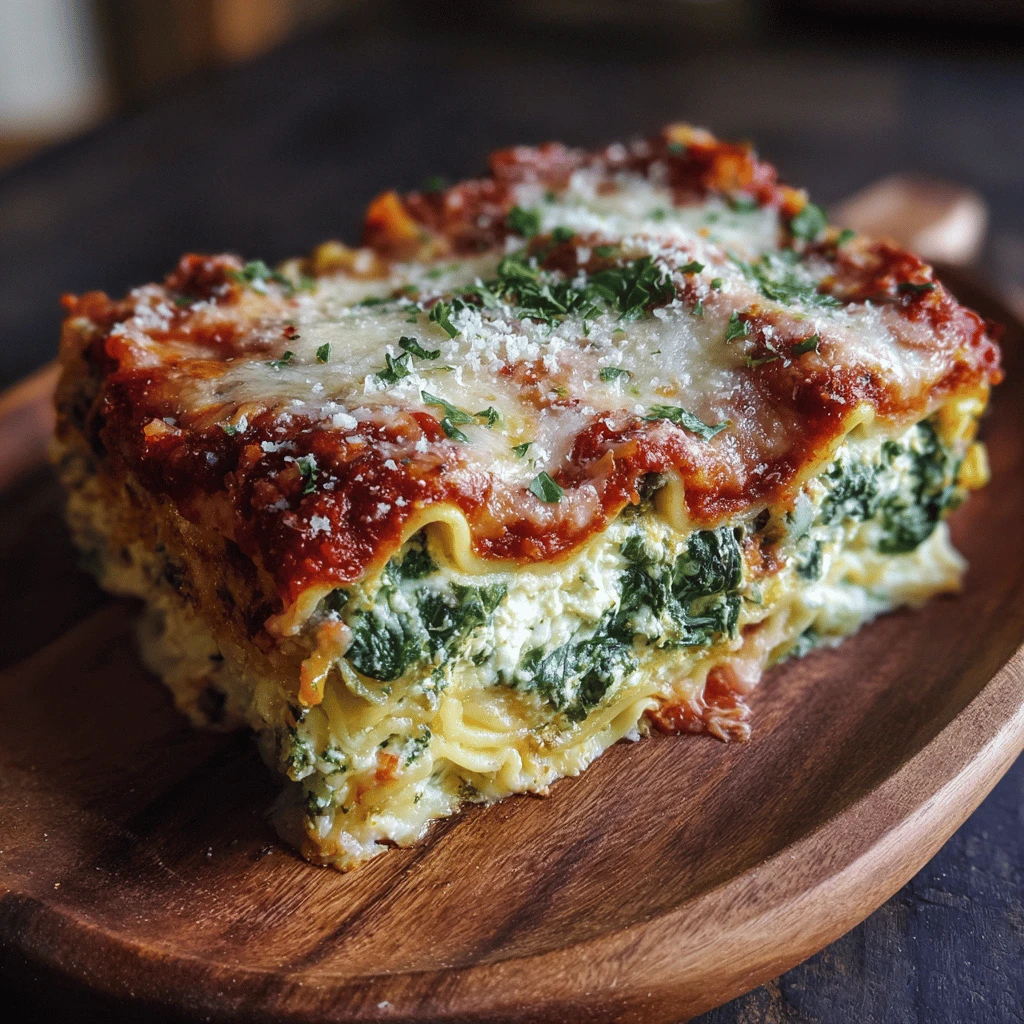
Spinach and Ricotta Lasagna: A Classic Comfort Food Recipe Spinach and ricotta lasagna is a timeless dish that combines creamy, cheesy goodness with the earthy flavors of spinach, all layered between tender pasta sheets. This vegetarian delight is perfect for a family dinner, a potluck gathering, or any occasion where you want to impress with…
Spinach and Ricotta Lasagna: A Classic Comfort Food Recipe
Spinach and ricotta lasagna is a timeless dish that combines creamy, cheesy goodness with the earthy flavors of spinach, all layered between tender pasta sheets. This vegetarian delight is perfect for a family dinner, a potluck gathering, or any occasion where you want to impress with a hearty and satisfying meal. This article explores the intricacies of making the perfect spinach and ricotta lasagna, from selecting the best ingredients to mastering the layering technique and achieving that golden-brown, bubbly perfection.
The Foundation: Ingredients and Preparation
The key to a great lasagna lies in the quality of its ingredients. Fresh, flavorful components will elevate your dish from ordinary to extraordinary.
Selecting the Perfect Spinach
While frozen spinach is a convenient option, fresh spinach provides a more vibrant flavor and texture. If using fresh spinach, thoroughly wash it to remove any grit. You can either steam it lightly until wilted, sauté it with a little garlic and olive oil, or blanch it briefly in boiling water. Squeeze out as much excess water as possible to prevent a watery lasagna. If using frozen spinach, thaw it completely and squeeze out the excess moisture with a clean dish towel or your hands. This step is crucial to avoid a soggy lasagna.
Choosing the Right Ricotta
Opt for whole-milk ricotta for the creamiest and richest flavor. Part-skim ricotta can be used as a lighter alternative, but be aware that it may result in a slightly drier lasagna. Drain the ricotta in a fine-mesh sieve lined with cheesecloth for at least 30 minutes to remove excess whey. This will help prevent the lasagna from becoming watery. Some recipes call for ricotta salata for a saltier, drier finish, which can be a delightful textural and flavor contrast.
Lasagna Noodles: To Boil or Not to Boil?
That is the question! Traditional lasagna recipes always require pre-boiling the lasagna noodles. However, no-boil lasagna noodles are now widely available and offer a convenient shortcut. If using regular lasagna noodles, cook them according to package directions until al dente. Be careful not to overcook them, as they will continue to cook in the oven. Lightly oil the cooked noodles to prevent them from sticking together. No-boil noodles require extra moisture in the sauce to soften properly during baking. Make sure your sauce is adequately saucy if opting for the no-boil variety.
Sauce Sensations: From Simple to Sophisticated
The sauce is another crucial element of spinach and ricotta lasagna. While a simple tomato sauce is perfectly acceptable, consider adding depth of flavor with sautéed onions, garlic, and herbs like basil and oregano. A touch of red wine can also enhance the sauce’s complexity. Many recipes incorporate a béchamel sauce, a creamy white sauce made with butter, flour, and milk, for an extra layer of richness. For a vegetarian twist, consider using a vegetable broth as a base for your tomato sauce. Roasting the vegetables you use in your sauce first is a great way to add sweetness.
Building Layers of Flavor: The Art of Assembly
The assembly process is where your culinary vision comes to life. A well-layered lasagna ensures that each bite is a harmonious blend of flavors and textures.
The Order of Operations: A Layer-by-Layer Guide
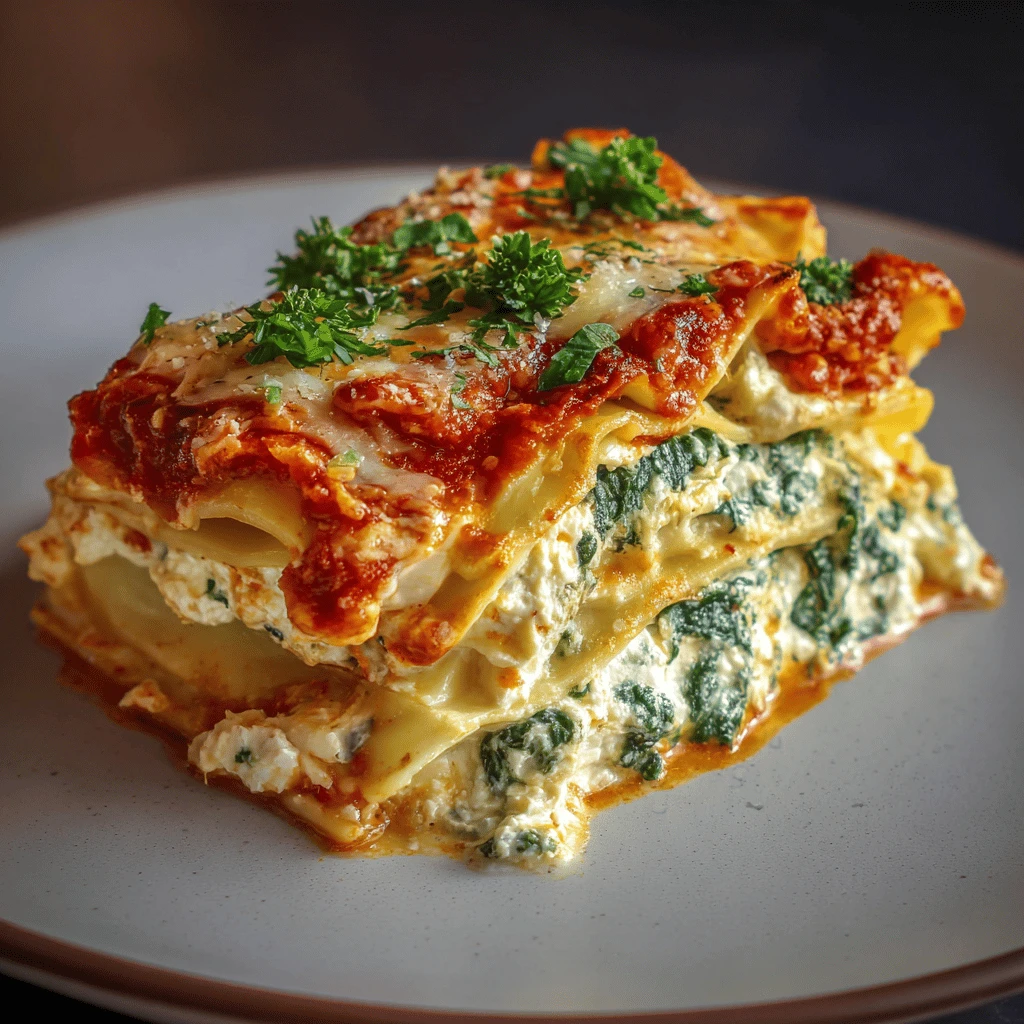
Start by spreading a thin layer of sauce on the bottom of your baking dish. This will prevent the noodles from sticking and provide a moisture barrier. Next, arrange a layer of lasagna noodles, overlapping them slightly to cover the bottom of the dish. Spread a generous layer of the ricotta mixture over the noodles, followed by a layer of spinach. Sprinkle with mozzarella cheese. Repeat these layers until all the ingredients are used, ending with a final layer of sauce and a generous topping of mozzarella and Parmesan cheese.
The Ricotta Mixture: Enhancing Creaminess
Before layering the ricotta, consider enriching it with additional ingredients. An egg helps bind the mixture and adds richness. Parmesan cheese contributes a salty, savory note. Fresh herbs like parsley, basil, or chives add a touch of freshness. Season the ricotta mixture generously with salt, pepper, and a pinch of nutmeg for a subtle warmth.
Mastering the Sauce Distribution
Evenly distributing the sauce is essential to ensure that the lasagna is moist and flavorful throughout. Use a ladle or large spoon to spread the sauce evenly over each layer. If using no-boil noodles, make sure the sauce is thin enough to adequately hydrate the noodles during baking. Don’t be afraid to add extra sauce if needed.
Baking to Perfection: Achieving Golden-Brown Goodness
The baking process transforms the assembled lasagna into a bubbling, golden-brown masterpiece.
Temperature and Time: Finding the Sweet Spot
Bake the lasagna in a preheated oven at 375°F (190°C) for 45-60 minutes, or until the cheese is melted and bubbly and the top is golden brown. To prevent the top from browning too quickly, cover the lasagna with aluminum foil for the first 30 minutes of baking. Remove the foil for the remaining baking time to allow the cheese to brown.
The Toothpick Test: Ensuring Doneness
To check for doneness, insert a toothpick into the center of the lasagna. If it comes out clean, the lasagna is ready. If the toothpick is wet, continue baking for another 10-15 minutes.
Resting Period: Patience is a Virtue
Allow the lasagna to rest for at least 15-20 minutes before slicing and serving. This allows the layers to set and prevents the lasagna from falling apart. The resting period also allows the flavors to meld together, resulting in a more cohesive and flavorful dish.
Variations and Enhancements: Customizing Your Lasagna
Spinach and ricotta lasagna is a versatile dish that can be easily customized to suit your taste preferences.
Adding Vegetables: A Nutritious Boost
Incorporate other vegetables like mushrooms, zucchini, or bell peppers for added flavor and nutrition. Sauté the vegetables before adding them to the lasagna. Roasted vegetables also lend a deeper, sweeter flavor.
Exploring Cheese Combinations: Beyond Mozzarella
Experiment with different types of cheese, such as provolone, fontina, or Gruyère, for a more complex flavor profile. A sprinkle of Pecorino Romano adds a salty, sharp kick.
Spice It Up: Adding a Touch of Heat
Add a pinch of red pepper flakes to the ricotta mixture or sauce for a subtle kick. A drizzle of chili oil over the finished lasagna also adds a touch of heat.
Gluten-Free Options: Adapting for Dietary Needs
Use gluten-free lasagna noodles for a gluten-free version of this classic dish. You can also find gluten-free béchamel sauce recipes online.
Serving and Storing: Enjoying and Preserving Your Creation
Proper serving and storage techniques will ensure that your spinach and ricotta lasagna is enjoyed to its fullest potential.
Serving Suggestions: Completing the Meal
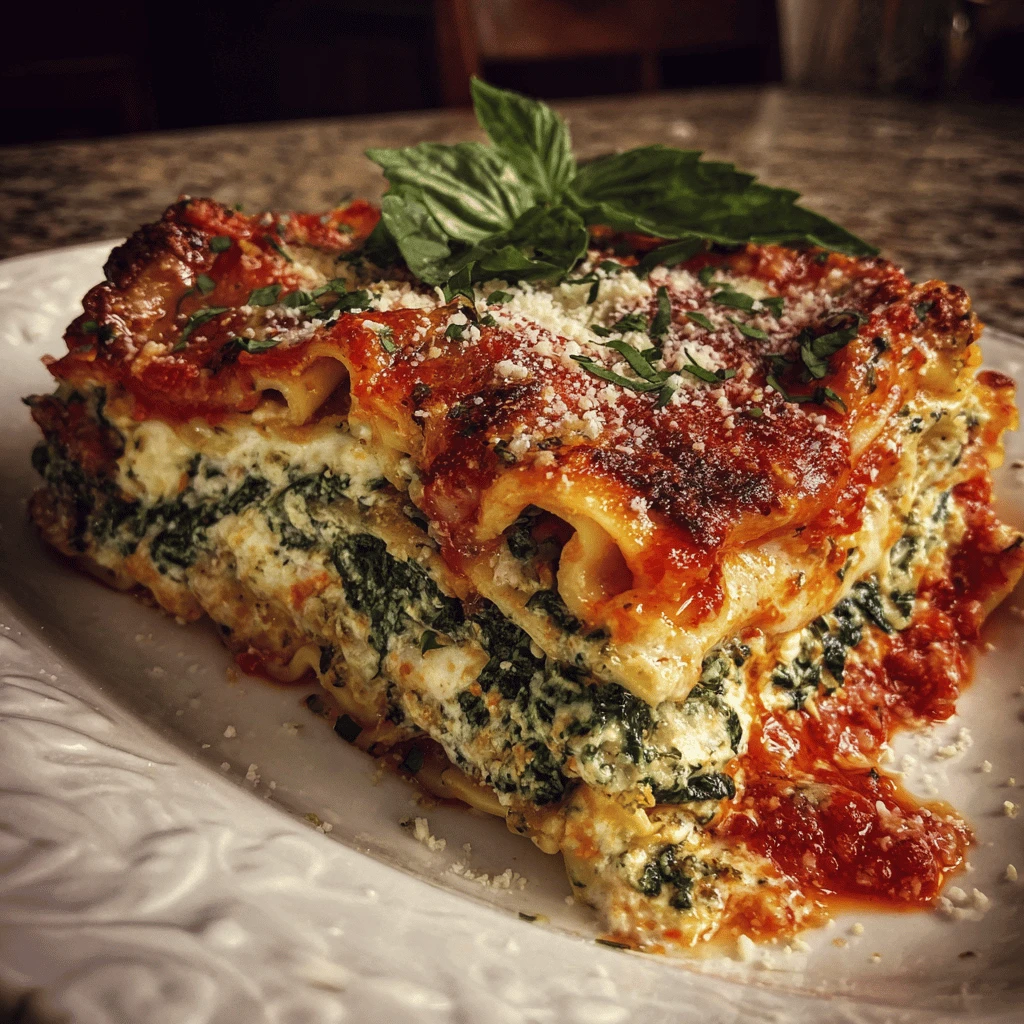
Serve the lasagna with a side salad and garlic bread for a complete and satisfying meal. A light vinaigrette dressing complements the richness of the lasagna. A glass of red wine, such as Chianti or Merlot, pairs well with the dish.
Storing Leftovers: Maintaining Freshness
Store leftover lasagna in an airtight container in the refrigerator for up to 3-4 days. Reheat individual portions in the microwave or oven.
Freezing for Future Enjoyment: A Time-Saving Tip
Lasagna can be frozen for up to 2-3 months. Allow the lasagna to cool completely before wrapping it tightly in plastic wrap and aluminum foil. Thaw the lasagna overnight in the refrigerator before reheating. For best results, bake frozen lasagna covered with foil until heated through, then remove the foil and bake until the cheese is bubbly and golden brown.
FAQ About Spinach and Ricotta Lasagna
-
- Why is my lasagna watery?
The most common reason for a watery lasagna is excess moisture in the spinach or ricotta. Make sure to squeeze out as much water as possible from both ingredients before layering. Overcooking the noodles can also contribute to a watery lasagna.
-
- Can I make lasagna ahead of time?
Yes, lasagna is a great make-ahead dish. You can assemble it a day or two in advance and store it in the refrigerator. Add about 15-20 minutes to the baking time if baking directly from the refrigerator.
-
- Can I use frozen spinach instead of fresh?
Yes, frozen spinach is a convenient option. Just make sure to thaw it completely and squeeze out all the excess moisture.
-
- What’s the best way to reheat lasagna?
Reheat individual portions in the microwave or oven. For best results, bake larger portions covered with foil until heated through, then remove the foil and bake until the cheese is bubbly and golden brown.
-
- What can I serve with spinach and ricotta lasagna?
A side salad, garlic bread, and a glass of red wine make excellent accompaniments to spinach and ricotta lasagna.