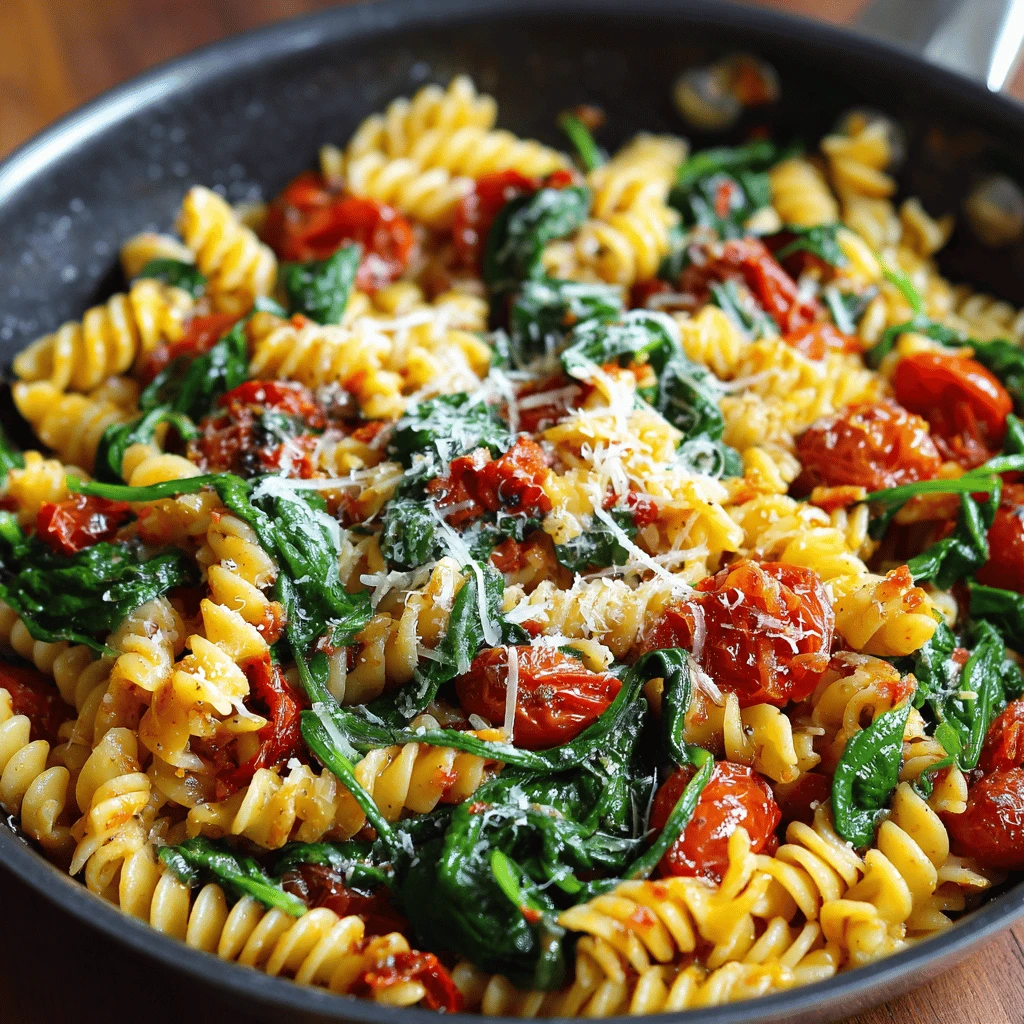
Spinach and Tomato Pasta Skillet: A Quick & Flavorful Weeknight Meal Introduction: The Perfect Weeknight Dinner In today’s fast-paced world, finding time to cook a delicious and nutritious meal can feel like a challenge. That’s where the spinach and tomato pasta skillet comes in – a one-pan wonder that’s quick, easy, and packed with flavor….
Spinach and Tomato Pasta Skillet: A Quick & Flavorful Weeknight Meal
Introduction: The Perfect Weeknight Dinner
In today’s fast-paced world, finding time to cook a delicious and nutritious meal can feel like a challenge. That’s where the spinach and tomato pasta skillet comes in – a one-pan wonder that’s quick, easy, and packed with flavor. This dish is perfect for busy weeknights, offering a satisfying and wholesome meal that the whole family will enjoy. Combining fresh spinach, juicy tomatoes, and perfectly cooked pasta, this skillet recipe is a guaranteed crowd-pleaser. It’s versatile, easily customizable, and requires minimal cleanup, making it a staple in any home cook’s repertoire.
Ingredients: Building a Flavorful Foundation
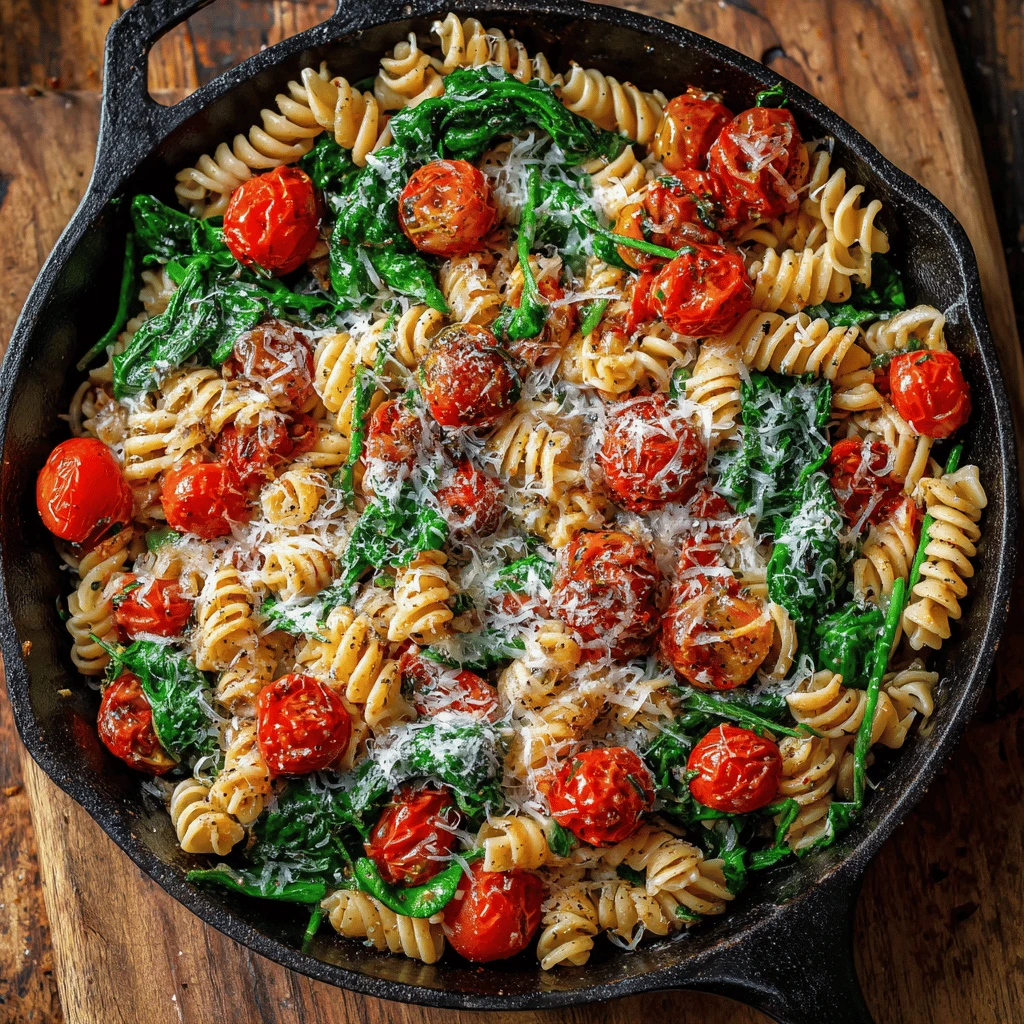
The beauty of this recipe lies in its simplicity and the fresh, vibrant ingredients. Let’s break down the components that create this delicious dish.
Core Ingredients
- Pasta: Opt for short pasta shapes like penne, rotini, or fusilli. These shapes hold the sauce well and are easy to eat. About 1 pound of pasta is ideal for a family of four.
- Spinach: Fresh spinach is best for its delicate flavor and texture. A large bag (around 10 ounces) will wilt down beautifully in the skillet.
- Tomatoes: Canned diced tomatoes are a convenient and flavorful option. Choose a good quality brand for the best results. A 28-ounce can is usually sufficient. Fresh tomatoes, about 1.5 pounds, can also be used, diced and cooked until slightly softened.
- Garlic: Minced garlic is essential for adding depth of flavor. Use about 3-4 cloves, depending on your preference.
- Onion: A diced onion provides a savory base for the sauce. Yellow or white onions work well.
- Olive Oil: Use good quality extra virgin olive oil for sautéing the vegetables and adding richness to the dish.
- Vegetable Broth or Water: This liquid helps to cook the pasta directly in the skillet, creating a flavorful sauce.
- Italian Seasoning: This blend of herbs adds a classic Italian flavor to the dish.
Optional Additions and Variations
- Protein: Consider adding cooked chicken, sausage, or shrimp for a heartier meal.
- Cheese: Sprinkle with grated Parmesan cheese or mozzarella for extra flavor and creaminess. Feta also works beautifully with the spinach and tomato combination.
- Red Pepper Flakes: Add a pinch of red pepper flakes for a touch of heat.
- Fresh Herbs: Garnish with fresh basil or parsley for added freshness and aroma.
- Sun-dried Tomatoes: Incorporating sun-dried tomatoes adds a concentrated burst of flavor.
- Mushrooms: Sautéed mushrooms complement the other vegetables and add an earthy note.
Step-by-Step Instructions: Cooking the Perfect Skillet
This recipe is incredibly easy to follow, making it ideal for beginner cooks and busy individuals.
Preparing the Ingredients
Before you start cooking, it’s essential to have all your ingredients prepped and ready to go. This will streamline the cooking process and ensure everything cooks evenly.
1. Chop the Vegetables: Dice the onion and mince the garlic. If using fresh tomatoes, dice them as well. Wash and roughly chop the spinach.
2. Measure the Spices and Liquids: Measure out the Italian seasoning, red pepper flakes (if using), vegetable broth or water, and olive oil.
3. Prepare the Pasta: While this is a one-pan dish, boiling the pasta separately and adding at the end will also work. Cook pasta al dente.
Cooking the Skillet Dish
1. Sauté the Aromatics: Heat olive oil in a large skillet over medium heat. Add the diced onion and cook until softened, about 5 minutes. Add the minced garlic and cook for another minute until fragrant, being careful not to burn it.
2. Add Tomatoes and Seasoning: Pour in the canned diced tomatoes (or fresh diced tomatoes). Stir in the Italian seasoning and red pepper flakes (if using). Bring the mixture to a simmer and cook for about 10 minutes, allowing the flavors to meld together.
3. Incorporate the Spinach: Add the chopped spinach to the skillet. Stir until the spinach wilts down, which should only take a couple of minutes.
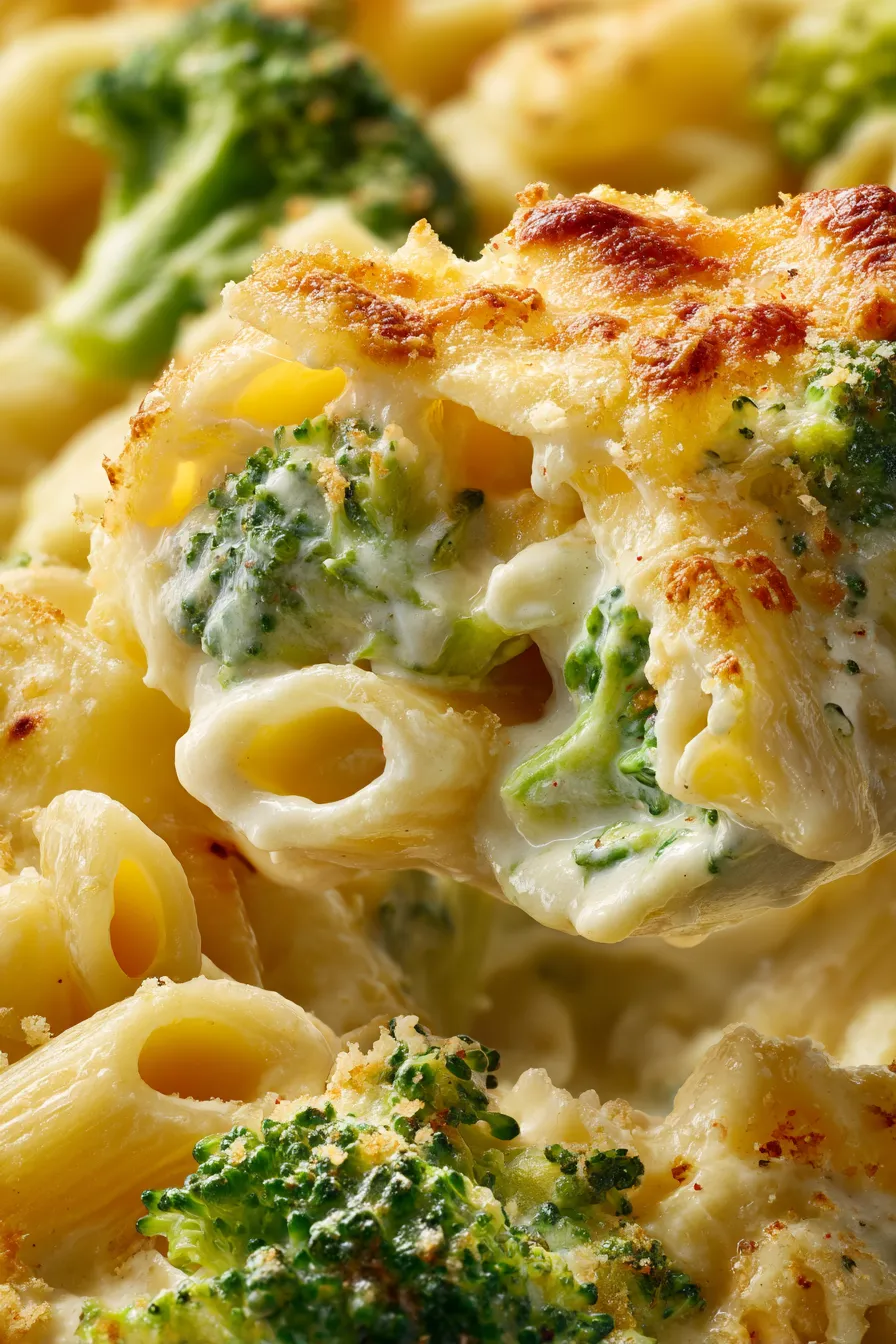
4. Cook the Pasta: Add the uncooked pasta and vegetable broth (or water) to the skillet. Ensure the pasta is mostly submerged in the liquid. Bring to a boil, then reduce the heat to a simmer. Cover the skillet and cook for the time specified on the pasta packaging, usually around 10-12 minutes, or until the pasta is cooked through and the liquid has been absorbed. Stir occasionally to prevent the pasta from sticking to the bottom of the skillet. If using cooked pasta, just add at the very end to be heated through.
5. Add Protein and Cheese (Optional): If using, add cooked chicken, sausage, or shrimp to the skillet during the last few minutes of cooking. Sprinkle with grated Parmesan cheese or mozzarella, if desired, and let it melt before serving.
6. Serve and Enjoy: Garnish with fresh basil or parsley, if desired. Serve the spinach and tomato pasta skillet immediately and enjoy!
Tips for Success
- Don’t Overcook the Pasta: Ensure the pasta is cooked al dente to prevent it from becoming mushy.
- Adjust the Seasoning: Taste the sauce and adjust the seasoning as needed. Add more salt, pepper, or Italian seasoning to suit your preference.
- Use a Large Skillet: A large skillet ensures that all the ingredients have enough room to cook evenly. A 12-inch skillet is ideal.
- Prevent Sticking: Stir the pasta frequently to prevent it from sticking to the bottom of the skillet.
- Control the Liquid: If the pasta is absorbing the liquid too quickly, add a little more vegetable broth or water. If there’s too much liquid, remove the lid and let it evaporate.
Variations and Customizations: Making it Your Own
One of the great things about this recipe is its versatility. Feel free to experiment with different ingredients and flavors to create your own unique version.
Vegetarian and Vegan Options
This recipe is naturally vegetarian, but it can easily be made vegan by omitting the cheese.
- Vegan Cheese: Use a plant-based cheese alternative, such as vegan Parmesan or mozzarella shreds.
- Nutritional Yeast: Sprinkle nutritional yeast on top for a cheesy flavor.
- Vegetable Broth: Ensure you are using vegetable broth and not chicken broth.
Adding Protein
Adding protein makes this dish a complete and satisfying meal.
- Chicken: Cooked shredded chicken is a classic addition. Use leftover rotisserie chicken for convenience.
- Sausage: Italian sausage, either sweet or spicy, adds a delicious flavor. Cook the sausage separately and slice it before adding it to the skillet.
- Shrimp: Shrimp cooks quickly and adds a light, seafood flavor. Add the shrimp to the skillet during the last few minutes of cooking.
- Chickpeas or White Beans: For a vegetarian protein boost, add chickpeas or white beans to the skillet.
Spice It Up
If you like a little heat, there are several ways to add a spicy kick to this dish.
- Red Pepper Flakes: Add a pinch of red pepper flakes to the skillet along with the Italian seasoning.
- Spicy Sausage: Use spicy Italian sausage instead of sweet sausage.
- Jalapeños: Add diced jalapeños to the skillet along with the onion and garlic.
- Chili Oil: Drizzle chili oil over the finished dish for an extra layer of flavor and heat.
Cheese Variations
Cheese adds a creamy, flavorful element to this dish.
- Mozzarella: Fresh mozzarella balls or shredded mozzarella cheese melts beautifully and adds a mild, creamy flavor.
- Parmesan: Grated Parmesan cheese adds a salty, nutty flavor.
- Feta: Crumbled feta cheese adds a tangy, salty flavor that pairs well with the spinach and tomatoes.
- Ricotta: Dollops of ricotta cheese add a creamy, rich texture.
Vegetable Medley
Incorporate other vegetables for an even more nutritious and flavorful dish.
- Bell Peppers: Diced bell peppers add a sweet, crisp flavor.
- Zucchini: Diced zucchini adds a mild, slightly sweet flavor.
- Eggplant: Diced eggplant adds a hearty, savory flavor.
- Artichoke Hearts: Quartered artichoke hearts add a unique, slightly tangy flavor.
Serving and Storage: Enjoying and Preserving Your Creation
Serving Suggestions
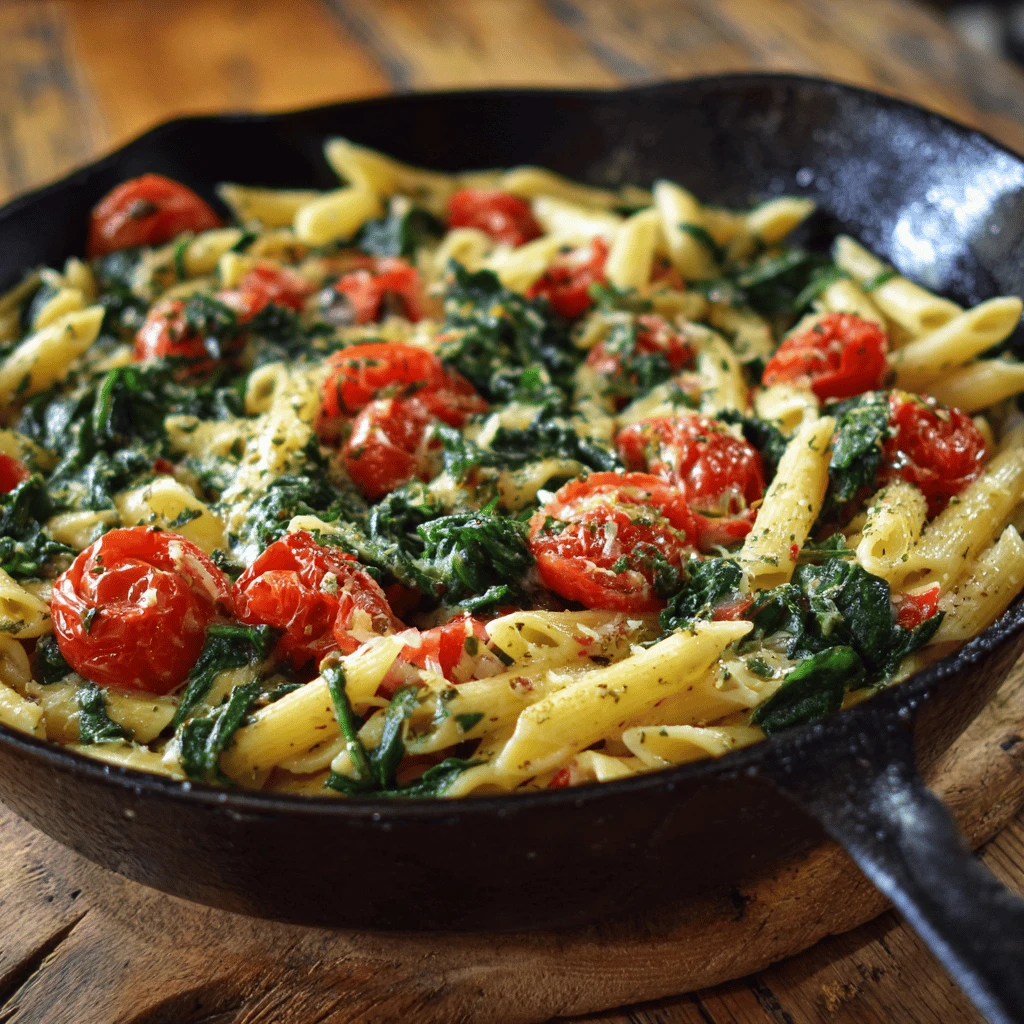
This spinach and tomato pasta skillet is delicious on its own, but it can also be served with a side dish.
- Garlic Bread: Serve with warm garlic bread for dipping into the sauce.
- Side Salad: A simple green salad with a vinaigrette dressing complements the richness of the pasta.
- Roasted Vegetables: Roasted broccoli or asparagus adds a healthy, flavorful side.
Storage Instructions
- Refrigerate: Store leftover spinach and tomato pasta skillet in an airtight container in the refrigerator for up to 3-4 days.
- Reheat: Reheat the pasta in the microwave or in a skillet over medium heat. Add a little water or vegetable broth if the pasta seems dry.
Frequently Asked Questions (FAQ)
Can I use frozen spinach?
Yes, you can use frozen spinach. Be sure to thaw it completely and squeeze out any excess water before adding it to the skillet.
Can I make this recipe ahead of time?
Yes, you can prepare the dish ahead of time and store it in the refrigerator. Reheat it when you are ready to serve.
Can I use different types of pasta?
Absolutely! Feel free to experiment with different pasta shapes, such as penne, rotini, fusilli, or even whole wheat pasta.
How can I make this recipe gluten-free?
Use gluten-free pasta. Most other ingredients are naturally gluten-free, but always double-check the labels.
Can I add cream to make it creamier?
Yes, a splash of heavy cream or half-and-half can be added at the end for a richer, creamier sauce.
Can I freeze leftovers?
While possible, pasta tends to become mushy after freezing and thawing. If you choose to freeze, use an airtight container and consume within 2 months. Thaw completely before reheating.