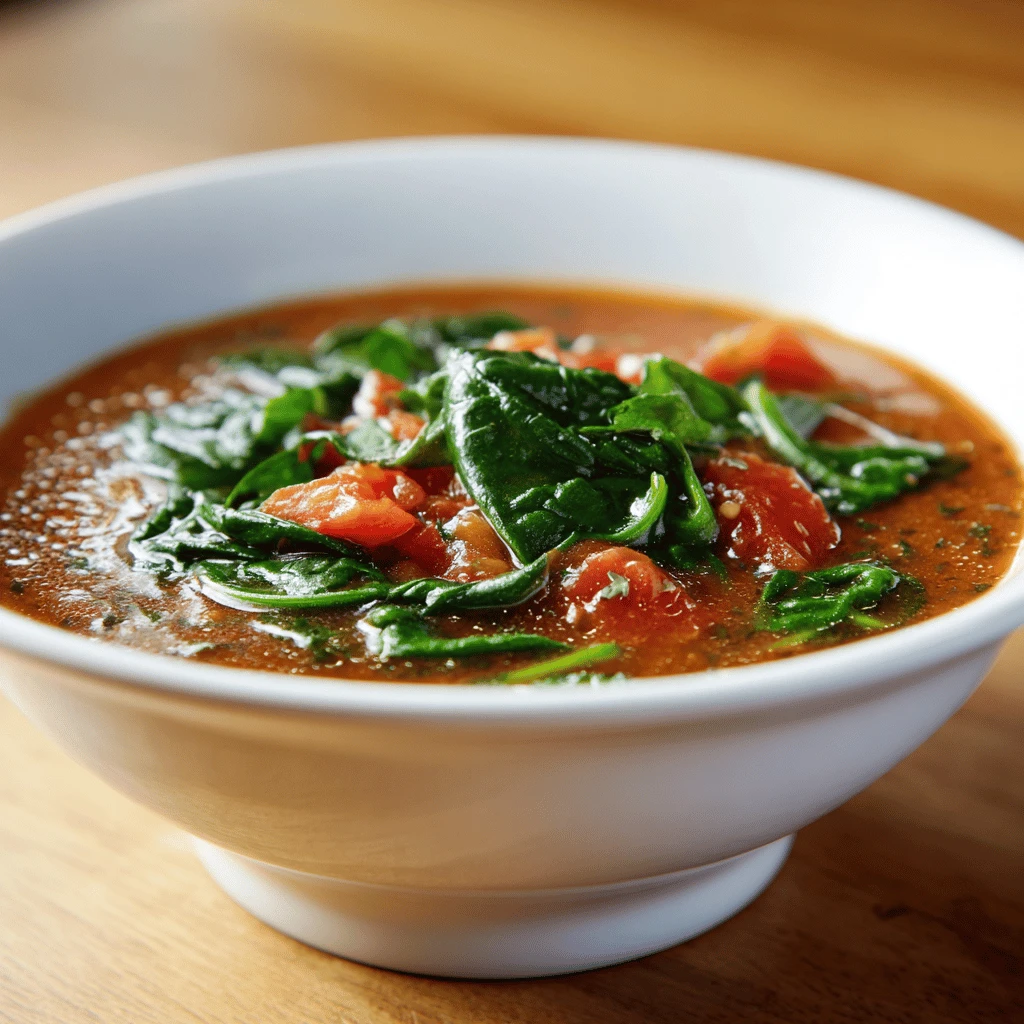
Spinach and Tomato Soup: A Hearty and Healthy Delight Spinach and tomato soup is a comforting and nutritious dish, perfect for a chilly day or a light yet satisfying meal. Packed with vitamins, minerals, and antioxidants, this soup offers a delightful combination of flavors and textures. This article will guide you through the essentials of…
Spinach and Tomato Soup: A Hearty and Healthy Delight
Spinach and tomato soup is a comforting and nutritious dish, perfect for a chilly day or a light yet satisfying meal. Packed with vitamins, minerals, and antioxidants, this soup offers a delightful combination of flavors and textures. This article will guide you through the essentials of creating a perfect spinach and tomato soup, exploring variations, health benefits, and essential tips for a truly exceptional culinary experience.
The Foundations of Flavor: Ingredients and Preparation
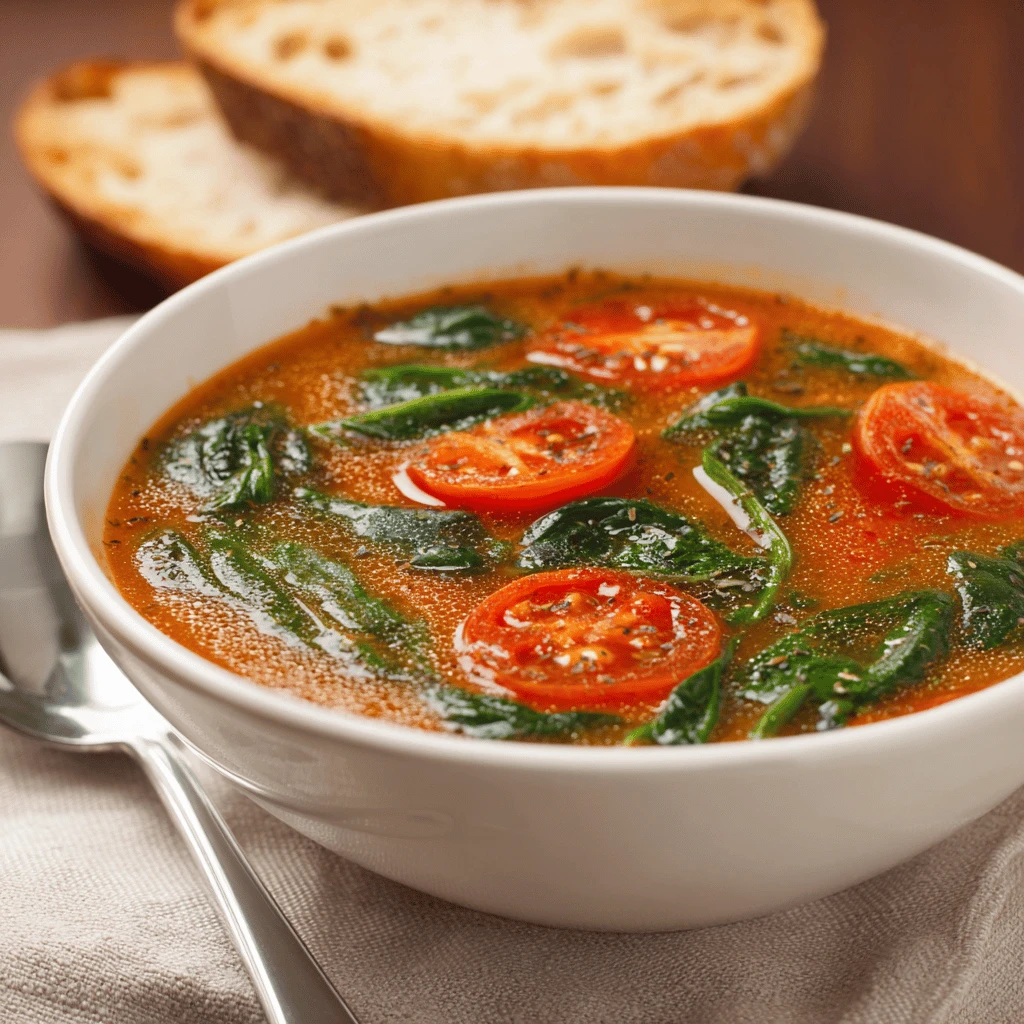
The success of any soup hinges on the quality of its ingredients. For spinach and tomato soup, selecting ripe, flavorful tomatoes and fresh, vibrant spinach is paramount.
Choosing Your Tomatoes:
- Fresh Tomatoes: Roma tomatoes are an excellent choice for their meaty texture and balanced sweetness and acidity. Consider using a mix of varieties for added complexity. Plum tomatoes are also a good option.
- Canned Tomatoes: High-quality canned diced tomatoes or crushed tomatoes offer convenience and consistent flavor, especially when fresh tomatoes are not in season. Opt for those with no added salt or sugar.
Selecting Your Spinach:
- Fresh Spinach: Baby spinach is ideal due to its tender leaves and mild flavor. Mature spinach can also be used, but it may require longer cooking to tenderize.
- Frozen Spinach: Frozen spinach is a convenient alternative, offering similar nutritional benefits. Be sure to thaw and squeeze out excess water before adding it to the soup.
Building the Flavor Base:
Beyond the primary ingredients, aromatic vegetables play a crucial role in building depth of flavor. Onions, garlic, and celery are commonly used as a mirepoix, providing a savory foundation. Other potential additions include carrots, bell peppers, or even a touch of chili for a hint of spice.
Preparation is Key:
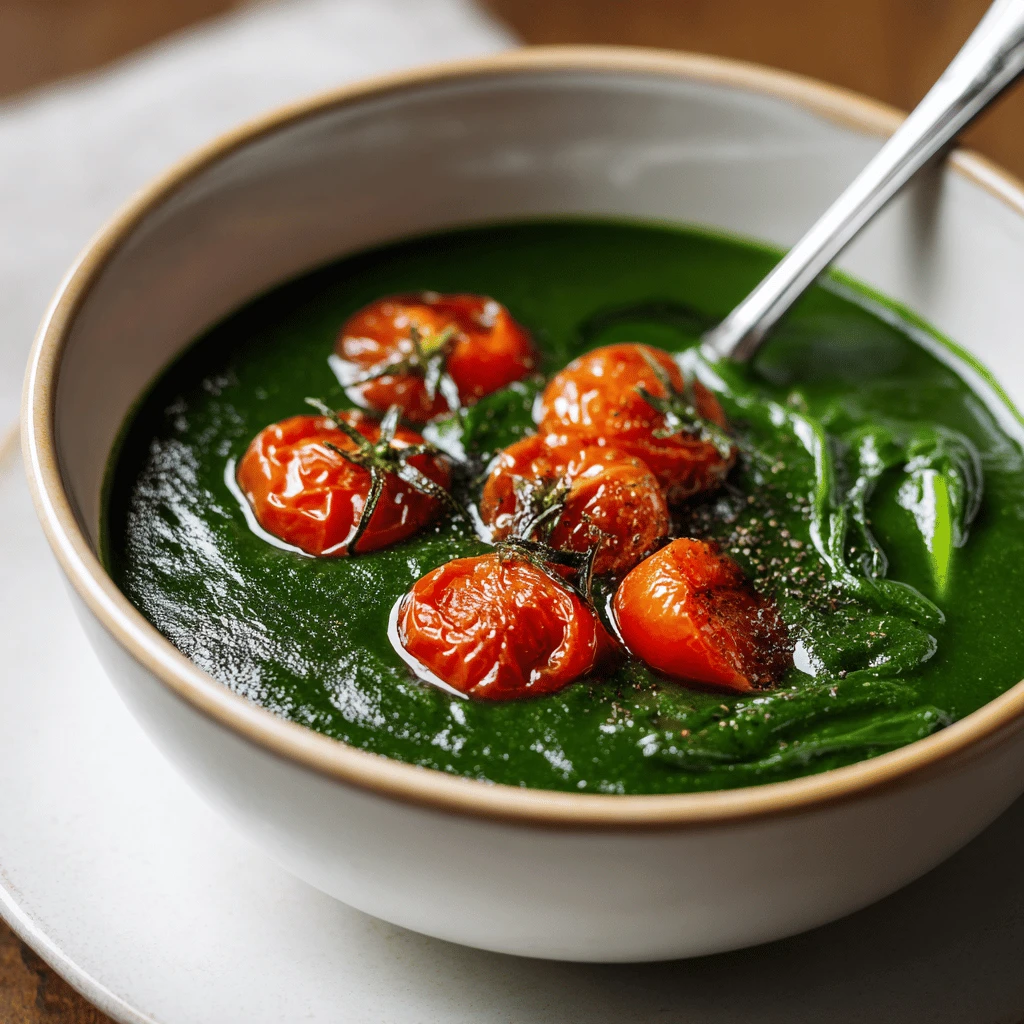
- Tomatoes: If using fresh tomatoes, you can peel and seed them for a smoother texture, or simply chop them and simmer them for a longer time to break down. Roasting the tomatoes beforehand can also enhance their sweetness and depth of flavor.
- Spinach: Wash spinach thoroughly to remove any grit or sand. If using mature spinach, remove the tough stems.
- Aromatics: Dice onions, garlic, and celery into small, uniform pieces for even cooking.
Crafting the Perfect Soup: A Step-by-Step Guide
Once you’ve gathered and prepared your ingredients, it’s time to assemble the soup. This detailed guide will walk you through the process, ensuring a flavorful and satisfying result.
Sautéing the Aromatics:
1. Heat a tablespoon or two of olive oil in a large pot or Dutch oven over medium heat.
2. Add the diced onions and celery and sauté until softened, about 5-7 minutes.
3. Add the minced garlic and cook for another minute, until fragrant. Be careful not to burn the garlic, as it can become bitter.
Building the Broth:
1. Add the tomatoes (fresh or canned) to the pot. If using fresh tomatoes, crush them with a spoon or potato masher.
2. Pour in vegetable broth or chicken broth, ensuring the tomatoes are fully submerged. The amount of broth will depend on your desired soup consistency. Start with about 4-6 cups and add more as needed.
3. Bring the mixture to a simmer, then reduce heat and cover. Let it simmer for at least 20-30 minutes to allow the flavors to meld. For a richer flavor, simmer for longer, up to an hour.
Adding the Spinach:
1. Stir in the spinach and cook until it wilts, about 2-3 minutes. If using frozen spinach, ensure it is completely thawed and excess water is squeezed out before adding.
Seasoning and Finishing:
1. Season the soup with salt, pepper, and any other desired spices. A pinch of red pepper flakes can add a touch of heat.
2. Taste and adjust the seasoning as needed.
3. For a smoother texture, use an immersion blender to partially or fully purée the soup. Be careful when blending hot liquids.
4. Stir in a swirl of cream or coconut milk (for a dairy-free option) for added richness.
5. Garnish with a drizzle of olive oil, fresh herbs like basil or parsley, or a dollop of Greek yogurt.
Variations and Enhancements: Elevating Your Soup
Spinach and tomato soup is a versatile canvas for culinary creativity. Experiment with different ingredients and techniques to personalize your soup and create unique flavor profiles.
Adding Protein:
- Beans: White beans, such as cannellini beans or Great Northern beans, add a creamy texture and boost the protein content.
- Lentils: Red lentils or brown lentils will dissolve and naturally thicken the soup.
- Chicken or Sausage: Shredded cooked chicken or crumbled Italian sausage can add heartiness and savory flavor.
Enhancing Flavors:
- Roasted Garlic: Roasting garlic beforehand intensifies its sweetness and adds a complex flavor.
- Sun-Dried Tomatoes: Adding a handful of sun-dried tomatoes in oil provides a concentrated burst of tomato flavor.
- Balsamic Vinegar: A splash of balsamic vinegar at the end adds a touch of acidity and complexity.
- Smoked Paprika: A pinch of smoked paprika can impart a smoky depth to the soup.
Textural Variations:
- Pasta: Adding small pasta shapes like ditalini or orzo transforms the soup into a heartier meal. Cook the pasta separately and add it to the soup just before serving to prevent it from becoming mushy.
- Croutons: Toasted bread cubes add a satisfying crunch.
- Parmesan Cheese: Grated Parmesan cheese adds a salty and savory element.
Regional Influences:
- Italian-Inspired: Add a tablespoon of pesto or a sprinkle of Italian seasoning.
- Mexican-Inspired: Add a diced jalapeño pepper or a pinch of chili powder. Top with avocado and a dollop of sour cream.
- Indian-Inspired: Add a teaspoon of curry powder or garam masala.
Health Benefits and Nutritional Value
Beyond its delicious taste, spinach and tomato soup offers a wealth of health benefits. This nutrient-rich soup is a fantastic way to nourish your body and support overall well-being.
Vitamins and Minerals:
- Vitamin A: Essential for vision, immune function, and cell growth. Spinach is an excellent source of vitamin A.
- Vitamin C: A powerful antioxidant that supports immune function and collagen production. Tomatoes are rich in vitamin C.
- Vitamin K: Important for blood clotting and bone health. Spinach is an excellent source of vitamin K.
- Iron: Essential for carrying oxygen in the blood. Spinach is a good source of iron, although the iron from plants is less readily absorbed than iron from animal sources. Pairing spinach with vitamin C-rich foods, like tomatoes, can improve iron absorption.
- Potassium: Important for maintaining healthy blood pressure and fluid balance.
Antioxidants:
- Lycopene: A potent antioxidant found in tomatoes that has been linked to a reduced risk of certain cancers and heart disease.
- Flavonoids: Antioxidants found in spinach that have anti-inflammatory properties.
Fiber:
Spinach and tomatoes are both good sources of fiber, which aids digestion, promotes gut health, and helps regulate blood sugar levels.
Low in Calories and Fat:
Spinach and tomato soup is naturally low in calories and fat, making it a healthy and satisfying meal option.
Hydration:
The high water content of soup contributes to hydration, which is essential for overall health.
Note: While spinach is highly nutritious, it does contain oxalates, which can interfere with calcium absorption and may contribute to kidney stone formation in some individuals. If you have concerns about oxalates, consult with a healthcare professional.
Tips and Tricks for Soup Success
Mastering the art of soup-making involves more than just following a recipe. Here are some essential tips and tricks to ensure your spinach and tomato soup is a resounding success.
Building Layers of Flavor:
- Sautéing: Don’t rush the sautéing process. Allowing the onions, garlic, and celery to soften and caramelize properly builds a deeper, more complex flavor base.
- Deglazing: After sautéing the aromatics, deglaze the pot with a splash of white wine or vegetable broth. This helps to lift any browned bits from the bottom of the pot, adding extra flavor to the soup.
- Simmering: Simmering the soup for a sufficient amount of time allows the flavors to meld and deepen. The longer it simmers, the richer the flavor will become.
Achieving the Right Consistency:
- Broth Control: Adjust the amount of broth to achieve your desired soup consistency. For a thicker soup, use less broth. For a thinner soup, add more broth.
- Puréeing: If you prefer a smoother soup, use an immersion blender to partially or fully purée it. Be careful when blending hot liquids, as they can splatter.
- Thickeners: If you want to thicken the soup without puréeing, you can add a slurry of cornstarch or flour mixed with cold water. Add the slurry to the soup while it’s simmering, stirring constantly until it thickens.
Seasoning with Precision:
- Taste and Adjust: Taste the soup frequently throughout the cooking process and adjust the seasoning as needed. Salt and pepper are essential, but don’t be afraid to experiment with other spices and herbs.
- Acid Balance: If the soup tastes too acidic, add a pinch of sugar or a small amount of baking soda to neutralize the acidity.
- Fresh Herbs: Add fresh herbs at the end of cooking for the brightest flavor.
Storage and Reheating:
- Storage: Allow the soup to cool completely before storing it in an airtight container in the refrigerator. It will keep for up to 3-4 days.
- Reheating: Reheat the soup gently over medium heat on the stovetop or in the microwave. Stir occasionally to prevent sticking.
Frequently Asked Questions (FAQ)
Here are some common questions about spinach and tomato soup, along with their answers:
Q: Can I make this soup vegan?
A: Yes, absolutely! Simply use vegetable broth instead of chicken broth and omit any dairy products like cream or cheese. Coconut milk is a great dairy-free alternative for adding creaminess.
Q: Can I use frozen spinach instead of fresh?
A: Yes, frozen spinach works well in this soup. Be sure to thaw it completely and squeeze out any excess water before adding it to the pot.
Q: How can I make the soup thicker?
A: You can thicken the soup by using an immersion blender to partially or fully purée it. Alternatively, you can add a slurry of cornstarch or flour mixed with cold water while the soup is simmering.
Q: Can I freeze this soup?
A: Yes, spinach and tomato soup freezes well. Allow the soup to cool completely before transferring it to freezer-safe containers or bags. It can be stored in the freezer for up to 2-3 months. Thaw it overnight in the refrigerator before reheating.
Q: What are some good toppings for this soup?
A: There are many delicious toppings you can add to spinach and tomato soup, such as a drizzle of olive oil, fresh herbs like basil or parsley, a dollop of Greek yogurt or sour cream, croutons, grated Parmesan cheese, or a swirl of pesto.
Q: Can I add pasta to this soup?
A: Yes, adding small pasta shapes like ditalini or orzo can make the soup heartier. Cook the pasta separately and add it to the soup just before serving to prevent it from becoming mushy.
Q: Is this soup healthy?
A: Yes, spinach and tomato soup is a healthy and nutritious meal option. It’s packed with vitamins, minerals, antioxidants, and fiber, and it’s low in calories and fat.