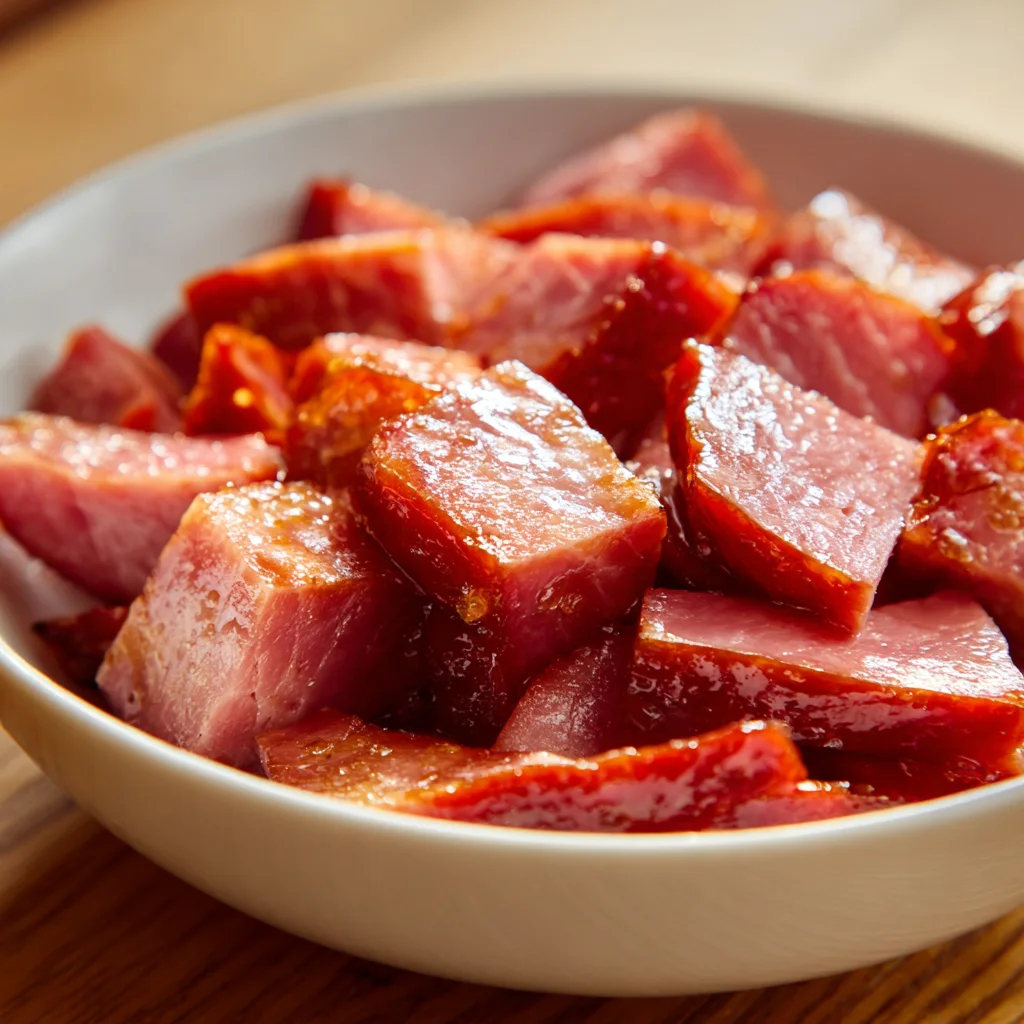
The Ultimate Sweet Glazed Ham Pieces: A Crowd-Pleasing Recipe and Guide There is something undeniably comforting about the combination of savory, salty pork and a shimmering, sugary crust. While a whole roast ham often takes center stage during the holidays, sweet glazed ham pieces are the versatile, everyday hero of the kitchen. Whether you are…
The Ultimate Sweet Glazed Ham Pieces: A Crowd-Pleasing Recipe and Guide
There is something undeniably comforting about the combination of savory, salty pork and a shimmering, sugary crust. While a whole roast ham often takes center stage during the holidays, sweet glazed ham pieces are the versatile, everyday hero of the kitchen. Whether you are repurposing leftovers from a Sunday feast or starting fresh with thick-cut ham steaks, transforming simple protein into caramelized, bite-sized perfection is an art form. This preparation method maximizes the surface area of each piece, ensuring that every single bite is thoroughly coated in a rich, sticky glaze that balances the natural saltiness of the meat with notes of honey, brown sugar, and aromatic spices.
Ingredients You Will Need
-
Ham: 1.5 to 2 lbs of cooked ham (thick-cut steaks or leftovers), cut into 1-inch cubes.
-
Brown Sugar: 1/2 cup packed (light or dark).
-
Honey or Maple Syrup: 1/4 cup for a glossy finish.
-
Dijon Mustard: 1 tablespoon to add tang and depth.
-
Apple Cider Vinegar: 1 tablespoon to balance the sweetness.
-
Spices: 1/2 teaspoon ground cinnamon, 1/4 teaspoon ground cloves, and a pinch of black pepper.
-
Butter: 2 tablespoons for sautéing and richness.
Step-by-Step Instructions
-
Prep the Ham: Cut your ham into uniform 1-inch pieces. Removing any excess gristle or overly large sections of fat will ensure a better texture once caramelized.
-
Whisk the Glaze: In a small bowl, combine the brown sugar, honey, Dijon mustard, apple cider vinegar, cinnamon, and cloves. Stir until the sugar has mostly dissolved into a thick syrup.
-
Sear the Pieces: Melt the butter in a large skillet over medium-high heat. Add the ham pieces in a single layer. Cook for 3–5 minutes, turning occasionally, until the edges begin to turn golden brown and slightly crisp.
-
Apply the Glaze: Pour the prepared glaze mixture over the ham pieces in the skillet. Reduce the heat to medium.
-
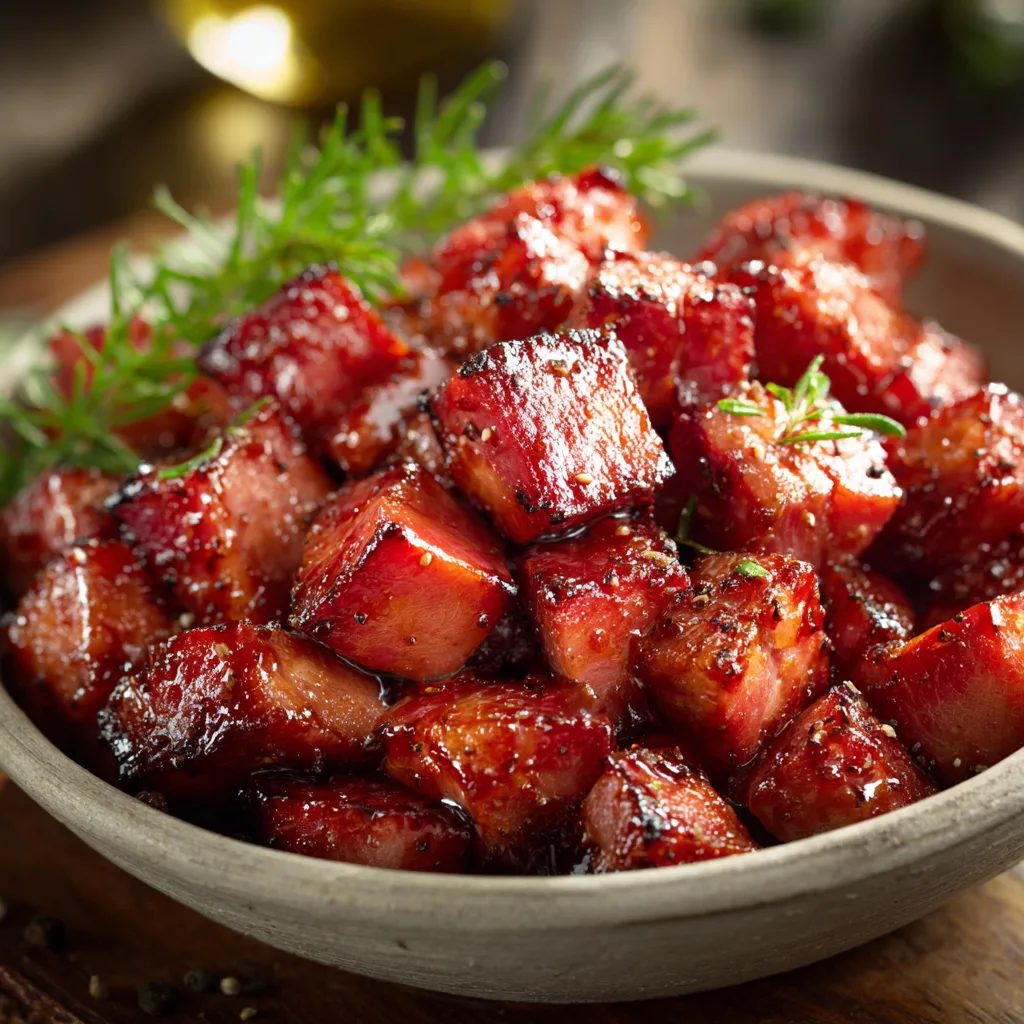
Caramelize: Stir the ham constantly to ensure every piece is coated. Continue cooking for another 4–6 minutes. The glaze will begin to bubble vigorously and then thicken into a sticky coating that clings to the meat.
-
Final Touch: Once the glaze is dark and tacky (but before it burns), remove the skillet from the heat. Let the ham rest for two minutes in the pan; the glaze will thicken further as it cools slightly. Serve warm.
Selecting the Best Cut for Maximum Flavor
The success of sweet glazed ham pieces begins with the quality of the meat. If you are not using leftovers, look for “thick-cut” ham steaks in the meat department. Avoid wafer-thin deli slices, as they lack the structural integrity to withstand the caramelization process and will become tough. A bone-in ham steak often provides the most flavor, though you will need to trim the meat away from the bone before cubing.
For those seeking a specific texture, consider the water content of the ham. Look for labels that say “Ham with Natural Juices” rather than “Ham, Water Added.” The former has a firmer texture and a more concentrated pork flavor, which stands up beautifully to the high heat of a skillet. If you prefer a smokier profile, opt for a hickory or applewood-smoked variety, as these woody notes provide a sophisticated counterpoint to the sugary glaze.
The Science of the Perfect Sweet Glaze
A truly great glaze is a balance of four elements: sweetness, acidity, spice, and “stickiness.” The sweetness, derived from brown sugar and honey, provides the base for the Maillard reaction—the chemical process that creates those delicious browned flavors. However, sugar alone can be one-dimensional. This is where acidity comes in; the addition of apple cider vinegar or even a splash of pineapple juice cuts through the fat of the pork and prevents the dish from feeling cloying.
Texture is the final hurdle. Using a combination of a solid sugar (brown sugar) and a liquid sweetener (honey or maple syrup) creates a superior “cling.” The honey acts as a binder, ensuring the glaze doesn’t just pool at the bottom of the pan but instead forms a thick, lacquered shell around each ham piece. Adding a touch of mustard acts as an emulsifier, helping the fats and sugars blend into a smooth, cohesive sauce.
Creative Serving Suggestions and Pairings
Sweet glazed ham pieces are incredibly versatile, making them suitable for any meal of the day. For breakfast, serve them alongside soft scrambled eggs and chive-infused grits. The sweetness of the ham acts as a perfect foil to the savory eggs. For a Southern-style brunch, these pieces can be tucked into split buttermilk biscuits with a small dollop of extra mustard.
For dinner, consider the “bowl” concept. Place the glazed ham over a bed of fluffy white rice or mashed sweet potatoes. To balance the richness, pair the dish with vibrant green vegetables. Roasted Brussels sprouts with balsamic glaze or steamed green beans with toasted almonds provide a necessary crunch and bitterness that cleanses the palate between bites of the decadent ham.
Storage and Reheating Tips
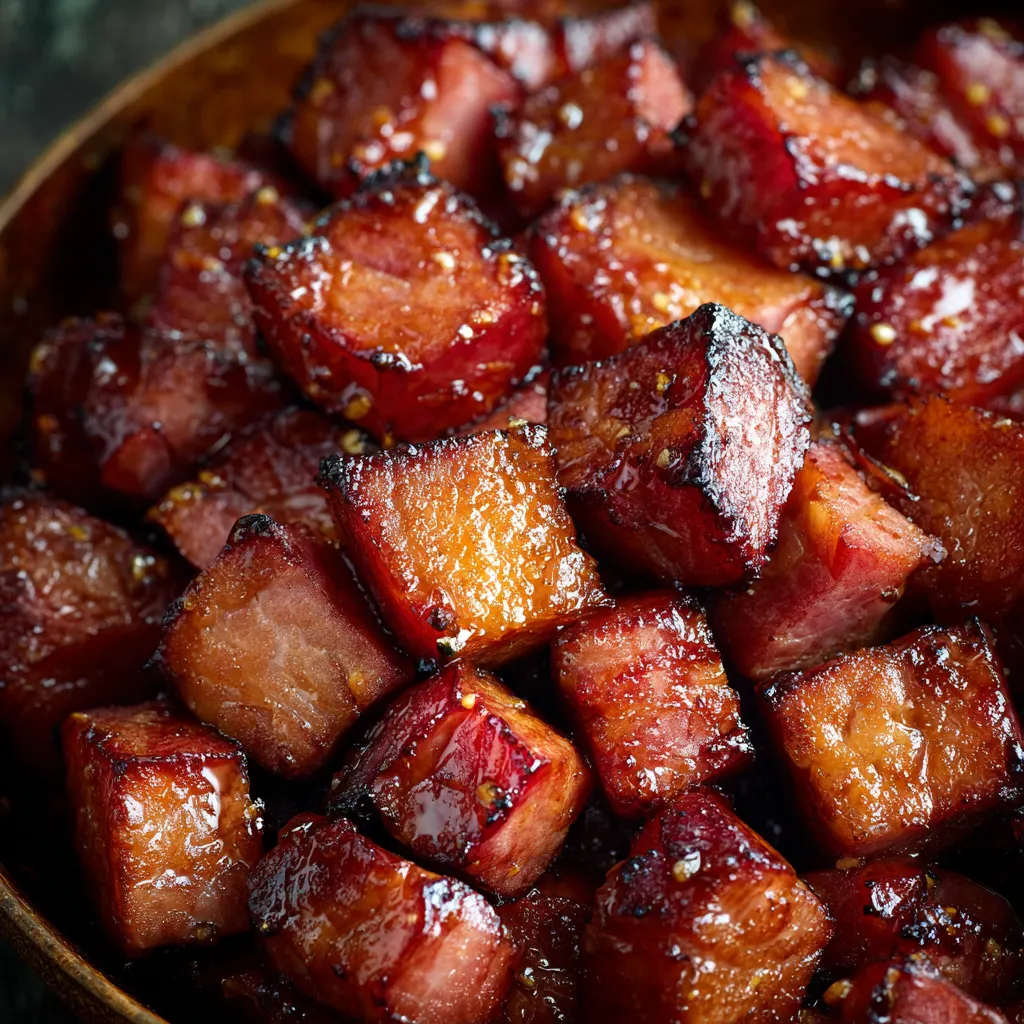
If you find yourself with leftovers, sweet glazed ham pieces store exceptionally well. Place them in an airtight container and refrigerate for up to four days. Because of the high sugar content in the glaze, they also freeze remarkably well for up to two months.
When reheating, avoid the microwave if possible, as it can turn the ham rubbery. Instead, place the pieces back into a lightly oiled skillet over medium-low heat. Add a teaspoon of water or apple juice to the pan and cover it with a lid. This creates steam that thins the glaze slightly and warms the ham through without drying it out. Once the ham is hot, remove the lid for the final thirty seconds to allow the glaze to re-tighten and regain its signature shine.