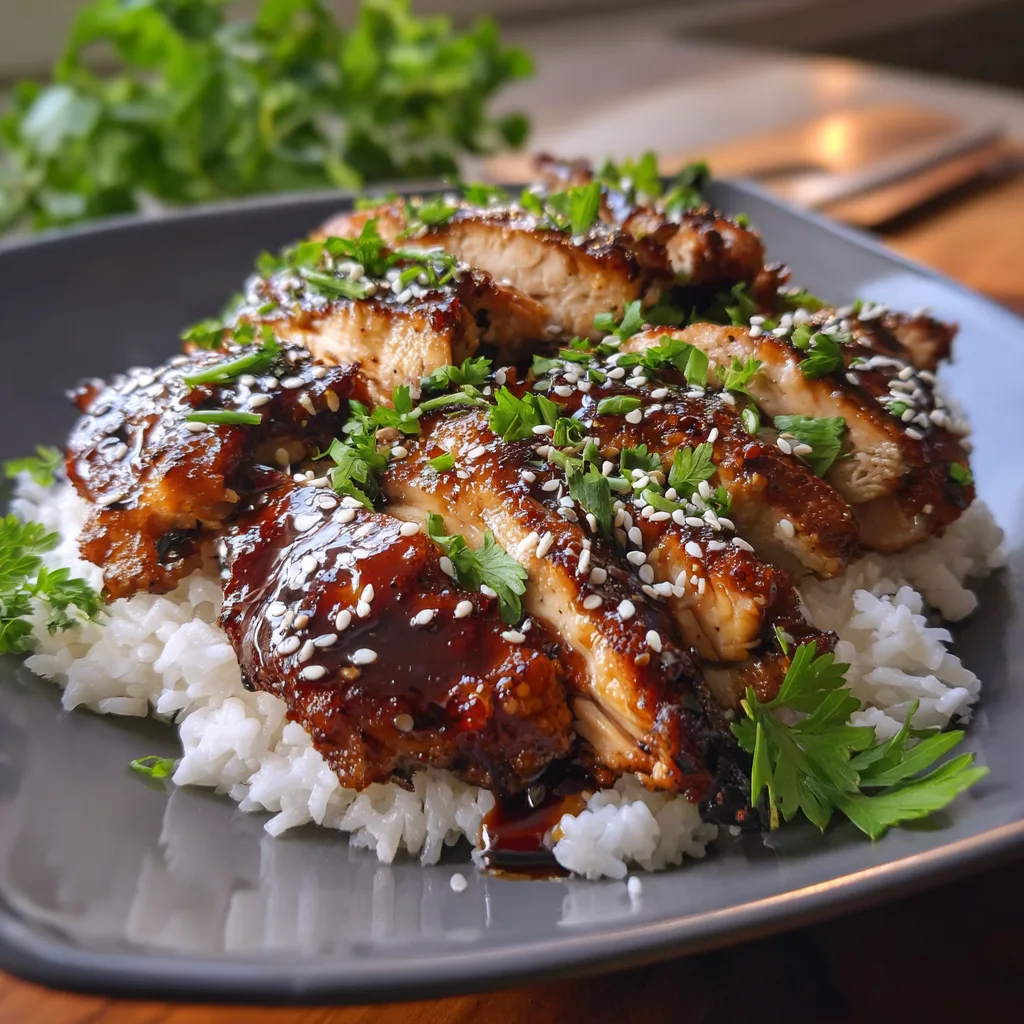
Teriyaki Chicken Easy Dinner Craving a delicious, healthy, and easy-to-make dinner? Look no further than teriyaki chicken! This popular dish is a weeknight staple for a reason. It’s quick to prepare, uses simple ingredients, and delivers a flavorful punch that will satisfy the whole family. Whether you’re a seasoned cook or just starting out, this…
Teriyaki Chicken Easy Dinner
Craving a delicious, healthy, and easy-to-make dinner? Look no further than teriyaki chicken! This popular dish is a weeknight staple for a reason. It’s quick to prepare, uses simple ingredients, and delivers a flavorful punch that will satisfy the whole family. Whether you’re a seasoned cook or just starting out, this comprehensive guide will walk you through everything you need to know to create the perfect teriyaki chicken dinner.
Why Teriyaki Chicken is the Perfect Weeknight Meal
Teriyaki chicken is a winner for busy weeknights for several reasons.
First, the ingredient list is short and sweet. You probably already have many of the staples – soy, sauce, ginger, garlic – in your pantry. The chicken itself is versatile; you can use boneless, skinless chicken breasts or thighs, depending on your preference.
Second, the cooking process is incredibly straightforward. A quick marinade followed by a simple pan-fry or bake, and you’re done. This recipe is adaptable to different cooking methods, offering flexibility for your schedule and equipment.
Third, teriyaki chicken pairs well with a variety of sides. Rice, noodles, roasted vegetables, or a crisp salad – the possibilities are endless, making it easy to create a complete and balanced meal.
Finally, the sweet and savory flavor of teriyaki sauce is universally appealing, making it a crowd-pleaser for kids and adults alike.
Mastering the Teriyaki Sauce: From Scratch or Store-Bought?
The heart of any teriyaki chicken dish is, of course, the teriyaki sauce. You have two main options: making it from scratch or using a store-bought version. Both have their pros and cons.
Homemade Teriyaki Sauce: The Control Factor
Making your own teriyaki sauce gives you complete control over the ingredients and flavor profile. You can adjust the sweetness, saltiness, and spice levels to your liking. Plus, you know exactly what’s going into your food – no hidden additives or preservatives.
Basic Homemade Teriyaki Sauce Recipe:
- ½ cup soy sauce (low-sodium is recommended)
- ¼ cup mirin (Japanese sweet rice wine) – can substitute with dry sherry or rice vinegar with a little sugar
- 2 tablespoons sugar (brown sugar adds a richer flavor)
- 1 tablespoon sake (optional, but adds depth) – substitute with dry sherry or rice vinegar
- 1 tablespoon grated ginger
- 1 clove garlic, minced
- 1 teaspoon sesame oil (optional, for added flavor)
- 1 tablespoon cornstarch, mixed with 2 tablespoons cold water (for thickening)
Combine all ingredients except the cornstarch slurry in a saucepan. Bring to a simmer over medium heat. Stir in the cornstarch slurry and cook until the sauce thickens, about 1-2 minutes. Remove from heat and let cool slightly before using.
Tips for Perfect Homemade Teriyaki Sauce:
- Use low-sodium soy sauce to control the saltiness.
- Adjust the sugar to your preference. Some people prefer a sweeter sauce, while others like it more savory.
- Don’t skip the ginger and garlic – they add essential flavor.
- If you don’t have mirin or sake, dry sherry or rice vinegar with a touch of sugar will work as substitutes.
- For a thicker sauce, add more cornstarch slurry. For a thinner sauce, add a little water.
- Store leftover sauce in an airtight container in the refrigerator for up to a week.
Store-Bought Teriyaki Sauce: Convenience and Consistency
Store-bought teriyaki sauce is a convenient option when you’re short on time. It offers consistency in flavor and saves you the effort of measuring and mixing ingredients.
Choosing the Right Store-Bought Sauce:
- Read the label carefully. Look for sauces with a shorter ingredient list and fewer additives.
- Consider the sodium content. Some store-bought sauces are very high in sodium, so opt for a low-sodium version if possible.
- Experiment with different brands to find one that you like. Taste test a small amount before using it in your recipe.
- Enhance store-bought sauce by adding fresh ginger, garlic, or a touch of sesame oil to elevate the flavor.
Ultimately, the choice between homemade and store-bought teriyaki sauce depends on your personal preferences and time constraints. If you have the time and enjoy cooking, making your own sauce allows for customization and control. If you’re looking for convenience, a good quality store-bought sauce can be a great option.
Cooking Methods: Pan-Frying, Baking, and Grilling
Teriyaki chicken is incredibly versatile and can be cooked using various methods, each offering a slightly different texture and flavor.
Pan-Frying: Quick and Easy
Pan-frying is the fastest and easiest method for cooking teriyaki chicken. It’s perfect for a quick weeknight meal.
Instructions:
1. Cut the chicken into bite-sized pieces or thin slices.
2. Marinate the chicken in teriyaki sauce for at least 30 minutes (or longer, if time allows).
3. Heat a tablespoon of oil in a large skillet over medium-high heat.
4. Add the chicken to the skillet in a single layer, being careful not to overcrowd it.
5. Cook for 3-5 minutes per side, or until the chicken is cooked through and nicely browned.
6. Pour any remaining marinade into the skillet and cook for another minute, until the sauce thickens slightly.
7. Serve immediately over rice or noodles.
Tips for Pan-Frying:
- Don’t overcrowd the skillet, as this will lower the temperature and cause the chicken to steam instead of brown. Cook in batches if necessary.
- Use a non-stick skillet to prevent the chicken from sticking.
- Avoid overcooking the chicken, as it will become dry. Use a meat thermometer to ensure it reaches an internal temperature of 165°F (74°C).
Baking: Hands-Off and Convenient
Baking is a hands-off method that’s great for busy weeknights. It requires minimal attention and allows you to focus on other tasks.
Instructions:
1. Preheat oven to 375°F (190°C).
2. Place the chicken in a baking dish or on a baking sheet lined with parchment paper.
3. Pour teriyaki sauce over the chicken, ensuring it’s evenly coated.
4. Bake for 20-30 minutes, or until the chicken is cooked through and reaches an internal temperature of 165°F (74°C).
5. Baste the chicken with the sauce halfway through cooking to keep it moist.
6. For a glazed finish, broil the chicken for the last 1-2 minutes, watching carefully to prevent burning.
Tips for Baking:
- Use a meat thermometer to ensure the chicken is cooked through.
- Line the baking dish or sheet with parchment paper for easy cleanup.
- Basting the chicken with sauce keeps it moist and flavorful.
Grilling: Smoky and Flavorful
Grilling adds a smoky flavor to teriyaki chicken that’s perfect for summer barbecues.
Instructions:
1. Preheat grill to medium heat.
2. Marinate the chicken in teriyaki sauce for at least 30 minutes (or longer, if time allows).
3. Place the chicken on the grill grates.
4. Grill for 5-7 minutes per side, or until the chicken is cooked through and has grill marks.
5. Baste the chicken with sauce frequently while grilling.
6. Use a meat thermometer to ensure the chicken reaches an internal temperature of 165°F (74°C).
Tips for Grilling:
- Oil the grill grates to prevent the chicken from sticking.
- Use a meat thermometer to ensure the chicken is cooked through.
- Basting the chicken with sauce keeps it moist and flavorful, but be careful not to add too much at once, as it can cause flare-ups.
Serving Suggestions: Complete the Meal
Teriyaki chicken is a versatile dish that pairs well with a variety of sides. Here are some serving suggestions to create a complete and balanced meal:
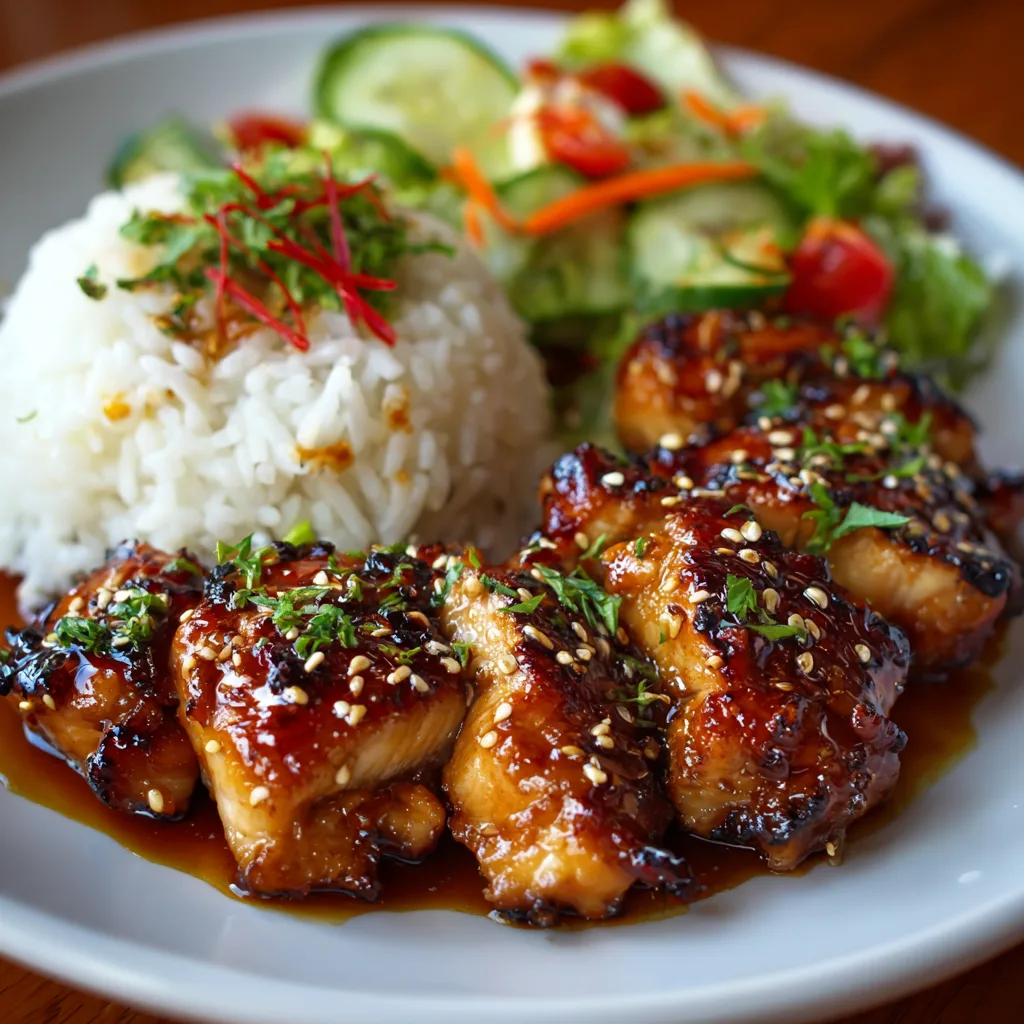
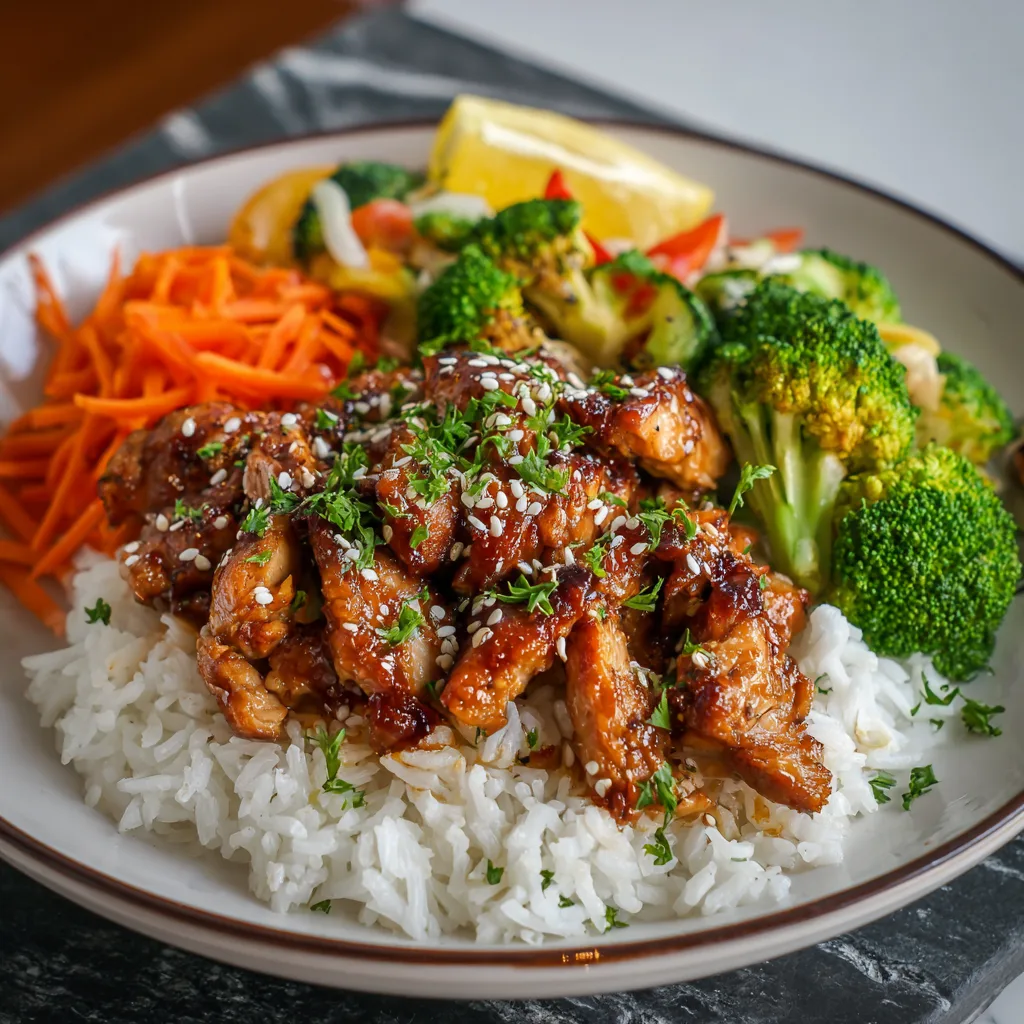
- Rice: Steamed white rice, brown rice, or jasmine rice are classic accompaniments.
- Noodles: Udon noodles, soba noodles, or stir-fried noodles are delicious options.
- Vegetables: Roasted broccoli, steamed green beans, sautéed bok choy, or a simple salad are healthy and flavorful additions.
- Garnish: Sprinkle with sesame seeds and chopped green onions for added flavor and visual appeal.
- Other Options: Add a side of miso soup or a fresh spring roll for a more substantial meal.
Consider these variations on the classic teriyaki chicken theme:
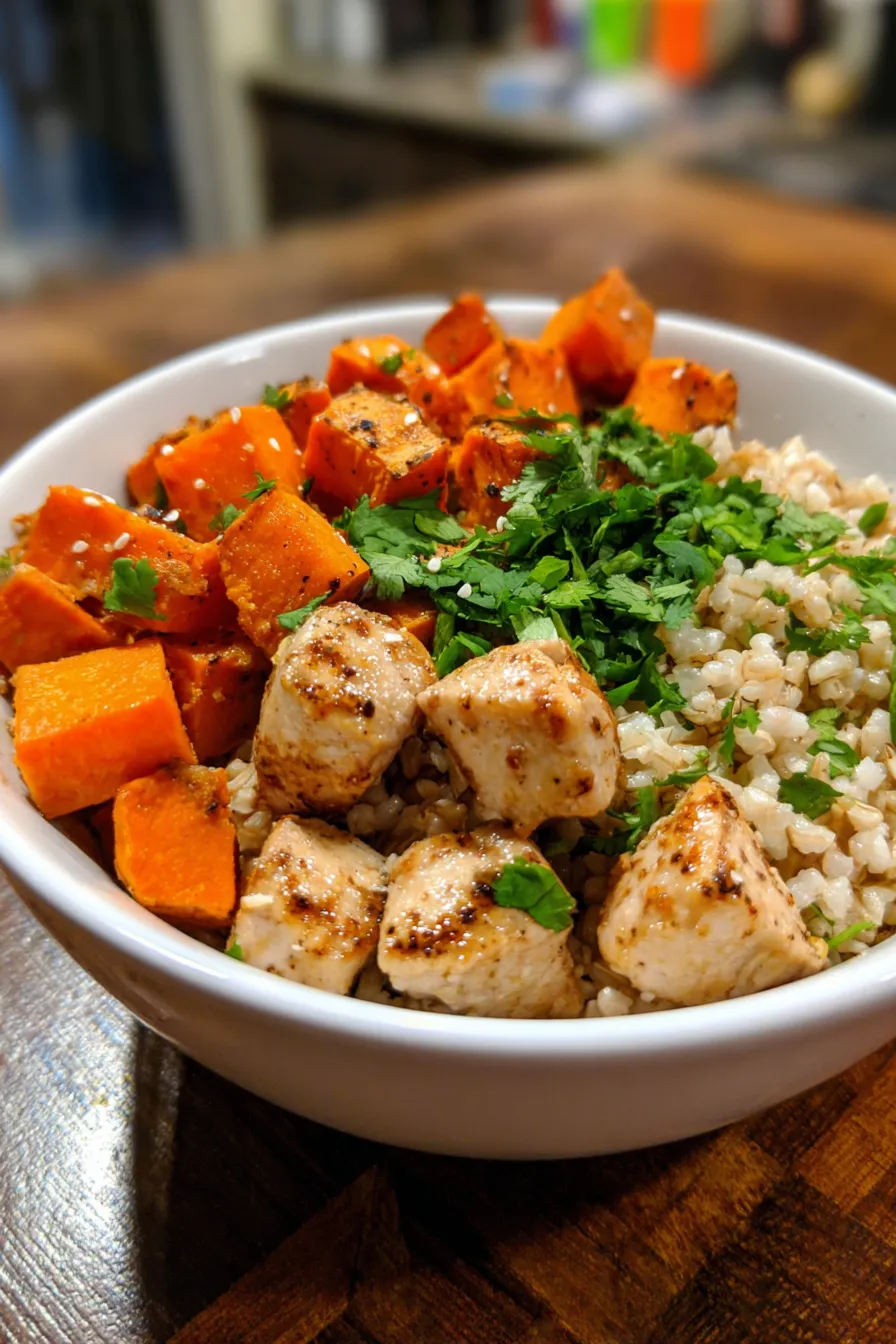
- Teriyaki Chicken Bowls: Combine teriyaki chicken with rice, steamed vegetables, and a fried egg for a quick and satisfying bowl meal.
- Teriyaki Chicken Salad: Top a bed of mixed greens with teriyaki chicken, cucumbers, carrots, and a sesame ginger dressing for a light and refreshing salad.
- Teriyaki Chicken Skewers: Thread marinated chicken onto skewers and grill or bake for a fun and easy appetizer or main course.
No matter how you choose to serve it, teriyaki chicken is sure to be a hit.
Frequently Asked Questions (FAQ)
- Can I use chicken thighs instead of chicken breasts?
Yes, you can definitely use chicken thighs! Chicken thighs are often more flavorful and stay more moist during cooking than chicken breasts. Just be sure to adjust the cooking time accordingly, as thighs may take a bit longer to cook through.
- How long should I marinate the chicken?
Ideally, you should marinate the chicken for at least 30 minutes to allow the flavors to penetrate. However, you can marinate it for longer, even overnight, in the refrigerator. Just be sure to use a non-reactive container, such as glass or plastic.
- Can I make teriyaki chicken in a slow cooker?
Yes, you can make teriyaki chicken in a slow cooker! Place the chicken in the slow cooker, pour teriyaki sauce over it, and cook on low for 6-8 hours or on high for 3-4 hours, or until the chicken is cooked through and tender.
- Can I freeze teriyaki chicken?
Yes, you can freeze teriyaki chicken. Allow the chicken to cool completely, then transfer it to an airtight container or freezer bag. Freeze for up to 2-3 months. Thaw in the refrigerator overnight before reheating.
- How do I prevent the chicken from drying out?
To prevent the chicken from drying out, don’t overcook it. Use a meat thermometer to ensure it reaches an internal temperature of 165°F (74°C). Also, baste the chicken with sauce during cooking to keep it moist.