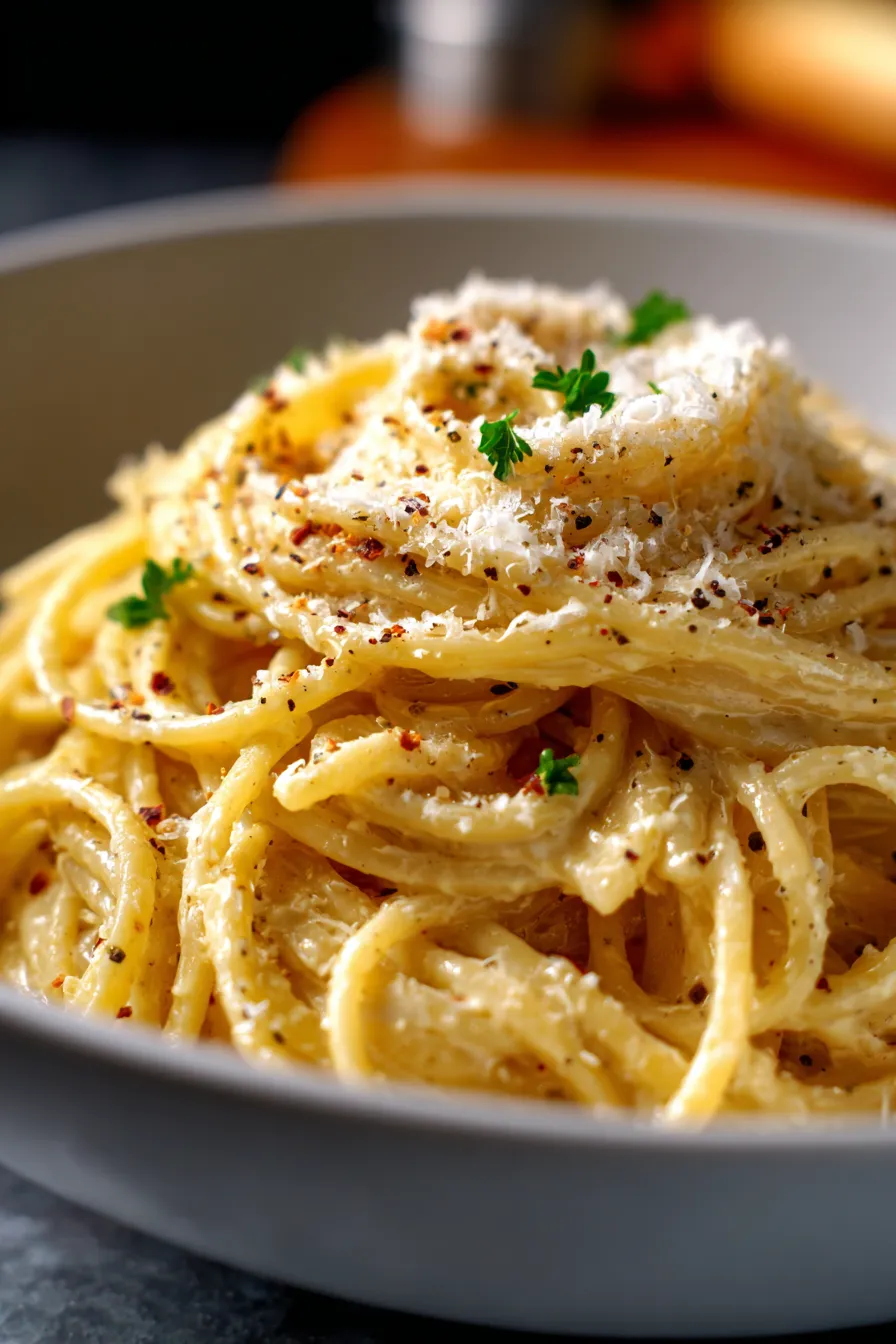
The Only Pasta Dough Recipe You’ll Ever Need: Master Homemade Pasta! There’s a certain magic that happens when simple ingredients transform into something truly extraordinary. For me, that magic always comes alive with homemade pasta. I still remember my Nonna’s kitchen, filled with the aroma of simmering tomato sauce and the rhythmic thump-thump of her…
The Only Pasta Dough Recipe You’ll Ever Need: Master Homemade Pasta!
There’s a certain magic that happens when simple ingredients transform into something truly extraordinary. For me, that magic always comes alive with homemade pasta. I still remember my Nonna’s kitchen, filled with the aroma of simmering tomato sauce and the rhythmic thump-thump of her rolling pin as she effortlessly transformed a mound of flour and eggs into silken strands of fettuccine. It felt like an ancient art, a secret passed down through generations, and honestly, a little intimidating!
But over the years, I’ve learned that making pasta from scratch isn’t just for grandmothers with decades of experience. It’s an incredibly rewarding, surprisingly simple process that brings so much joy to the table. And today, I’m sharing The only pasta dough recipe you need! Seriously, this is it. This tried-and-true recipe, perfected through countless batches and family gatherings, will empower you to create fresh, tender pasta that tastes infinitely better than anything from a box. Get ready for a truly satisfying meal and a fun culinary adventure right in your own kitchen.
It’s the ultimate comfort food experience, and once you master this basic dough, a world of delicious possibilities opens up! Whether you crave delicate ravioli or hearty tagliatelle, it all starts right here.
Why You’ll Love This Recipe
❤️ Here’s why this pasta dough will become your new kitchen obsession:
- Unrivaled Freshness & Flavor: There’s simply no comparison between fresh, homemade pasta and dried, store-bought varieties. The texture is silken, the flavor is richer, and it absorbs sauces beautifully. You’ll taste the difference immediately, and it elevates any dish to gourmet status.
- Surprisingly Simple Ingredients: You only need a few pantry staples – flour, eggs, and a pinch of salt. That’s it! No fancy emulsifiers or preservatives, just pure, wholesome goodness. It’s amazing how something so delicious can be made from so little.
- Empowering & Therapeutic Process: Kneading the dough is incredibly meditative and satisfying. You literally feel the ingredients coming together under your hands. It’s a wonderful way to de-stress and connect with your food, making the cooking process as enjoyable as the meal itself.
- Budget-Friendly Indulgence: Making your own pasta is significantly cheaper than buying fresh pasta from the store, and often even cheaper than many dried brands. You get premium quality without the premium price tag, making it an accessible luxury for any night of the week.
- Incredibly Versatile: Once you have your basic dough, the possibilities are endless! Cut it into fettuccine, tagliatelle, pappardelle, or even roll it out for ravioli and lasagna. This one recipe unlocks a whole world of traditional Italian dishes, allowing you to get creative with shapes and fillings.
- Impress Your Guests (and Yourself!): Serving homemade pasta is always a showstopper. Your friends and family will be amazed, and you’ll feel a wonderful sense of accomplishment. It’s a small effort for a huge reward in flavor and presentation.
- Foolproof & Forgiving: This recipe is designed to be beginner-friendly. Even if your first attempt isn’t perfect, pasta dough is very forgiving. With our expert tips, you’ll gain confidence quickly and be rolling out perfect sheets in no time.
What You Need
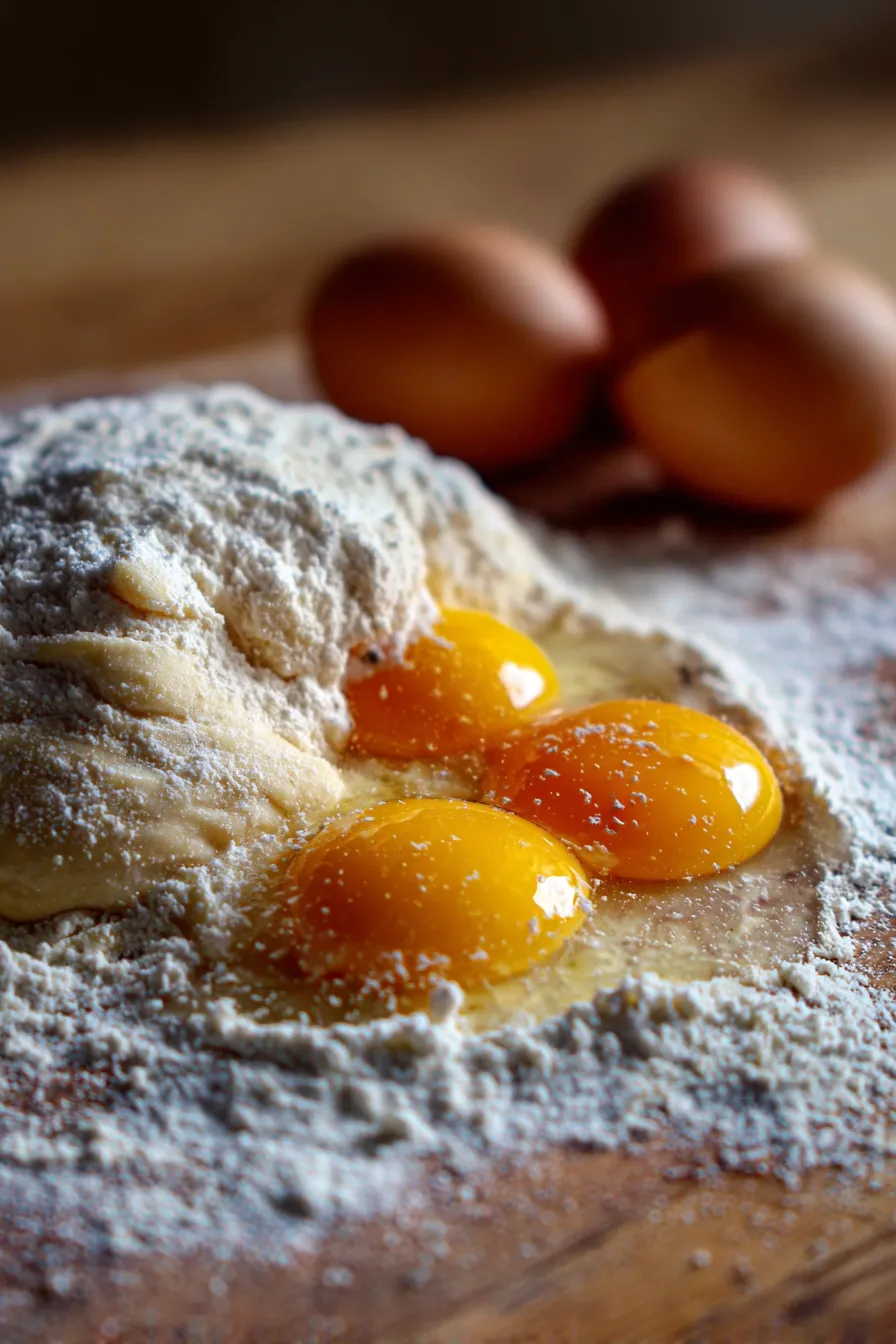
You only need a few simple pantry staples for this recipe! No exotic ingredients are required, just flour, eggs, and a little salt and olive oil. Check the full printable recipe card below for detailed measurements and any optional additions.
Expert Tips
💡 Master your homemade pasta with these pro tips:
- The Flour Factor: For the silkiest, most authentic pasta, Italian 00 flour is often recommended due to its fine grind and moderate protein content. However, good quality all-purpose flour works wonderfully too and is more accessible. If using AP flour, you might need a tiny bit more liquid or kneading time to achieve the desired elasticity. Durum wheat semolina flour can also be added, or used entirely, for a more rustic texture and bite, especially good for orecchiette or cavatelli.
- Egg-cellent Hydration is Key: The ratio of flour to eggs is crucial, but it’s not an exact science as egg sizes vary and humidity plays a role. Start with the recommended amount of flour, create a well, and add your eggs. Gradually incorporate flour from the sides. The dough should feel firm but pliable, not sticky. If it’s too dry, add a few drops of water; if too wet, dust with a little more flour, one tablespoon at a time. Trust your intuition and the feel of the dough.
- Kneading with Love: This is where the magic happens! Kneading develops the gluten, giving the pasta its elasticity and chew. Aim for 8-10 minutes of continuous kneading by hand until the dough is smooth, elastic, and no longer sticky. It should spring back when gently poked and pass the ‘window pane test’ – you should be able to stretch a small piece thin enough to see light through it without tearing. This indicates well-developed gluten.
- The Rest is Best: Don’t skip the resting step! After kneading, wrap your dough tightly in plastic wrap (to prevent drying) and let it rest at room temperature for at least 30 minutes, or up to an hour. This allows the gluten to relax, making the dough much easier to roll out thinly without tearing or springing back. It’s a vital step for a tender, manageable dough.
- Rolling It Right: If using a pasta machine, start on the widest setting and pass the dough through 2-3 times, folding it each time, to help it become smooth and rectangular. Then, gradually reduce the setting, passing it through each setting once, until you reach your desired thickness. For hand-rolling, dust your surface and rolling pin generously with flour and roll evenly from the center outwards, turning the dough frequently.
- Dusting for Success: Keep your work surface, hands, and rolling pin/pasta machine lightly dusted with flour at all times. This prevents sticking, which is the nemesis of fresh pasta. However, don’t over-flour, as it can dry out the dough. A light, consistent dusting is perfect.
- Cutting Techniques: If using a pasta machine, attach the cutter attachment for fettuccine or tagliatelle. If cutting by hand, fold the dough sheet into thirds or roll it loosely into a log, then slice with a sharp knife to your desired width. Unfurl immediately and dust with semolina or flour to prevent sticking.
- Cooking Fresh Pasta: Fresh pasta cooks much faster than dried pasta – often in just 2-4 minutes! Bring a large pot of salted water to a rolling boil. Add your pasta and cook until al dente. Taste test frequently!
Variations & Substitutions
This basic dough is a fantastic canvas for creativity! Here are a few ways you can adapt it:
- Gluten-Free Pasta: While traditional pasta relies on wheat gluten, you can experiment with a high-quality gluten-free all-purpose flour blend (often containing rice flour, tapioca starch, and xanthan gum). You might need to adjust the liquid slightly, as GF flours absorb differently.
- Vegan Pasta: For an egg-free version, replace eggs with an equal volume of water, plant-based milk, or even aquafaba (chickpea brine). You may also want to increase the olive oil slightly for richness. A simple semolina and water dough is also traditionally vegan and delicious.
- Herb-Infused Dough: Incorporate finely chopped fresh herbs like basil, parsley, or rosemary into the flour before adding the eggs. This adds a beautiful subtle flavor and specks of color.
- Colored Pasta: Add a vibrant hue to your pasta! Try spinach purée (blanch and finely blend spinach, then add with eggs, adjusting flour as needed), beet juice for pink, or a pinch of turmeric for golden yellow.
- Whole Wheat Pasta: Substitute a portion of the all-purpose flour with fine whole wheat flour for a nuttier flavor and increased fiber. Be aware that whole wheat flour absorbs more liquid and the dough might be a bit stiffer.
Storage & Freezing
One of the best things about homemade pasta is being able to prepare it ahead of time!
- Fresh Dough: The unrolled dough can be stored tightly wrapped in plastic in the refrigerator for up to 2 days. Make sure it’s well-sealed to prevent it from drying out.
- Freshly Cut Pasta (Short-Term): If you’ve already cut your pasta, toss it lightly with semolina flour to prevent sticking, then spread it in a single layer on a floured baking sheet or hang it on a pasta drying rack. Cook within a few hours for the best texture.
- Drying Pasta (Long-Term): You can air-dry your pasta completely. Spread it on racks or floured sheets in a well-ventilated area, turning occasionally, until completely brittle (this can take 12-24 hours). Store dried pasta in an airtight container at room temperature for up to several weeks.
- Freezing Pasta: For longer storage, freeze your pasta. Lightly flour the freshly cut pasta, then form small nests (for long pasta) or spread in a single layer on a baking sheet. Freeze until solid, then transfer to a freezer-safe bag or container. It will keep for 1-2 months. Cook directly from frozen in boiling salted water; no need to thaw.
FAQ
Q: Can I make this pasta dough without a pasta machine?
A: Absolutely! While a pasta machine makes the process easier, a good old-fashioned rolling pin works perfectly. You’ll need a bit more muscle and patience to roll the dough out thinly and evenly, but the results are just as delicious. Just remember to dust your surface well!
Q: What type of flour is best for pasta dough?
A: Italian “00” flour is traditionally preferred for its fine texture and moderate protein, which creates a silky, tender pasta. However, unbleached all-purpose flour works very well too and is readily available. You can also mix in some fine semolina flour for a slightly firmer, chewier texture.
Q: How long does fresh homemade pasta last?
A: Unrolled fresh dough can be kept in the fridge, tightly wrapped, for up to 2 days. Freshly cut pasta should be cooked within a few hours or dried/frozen. Fully dried pasta can be stored in an airtight container for several weeks, and frozen pasta lasts for 1-2 months.
Q: Why is my pasta dough tough or tearing?
A: A tough dough usually means the gluten hasn’t relaxed enough, or it’s too dry. Make sure you knead the dough sufficiently to develop the gluten, and critically, let it rest for at least 30 minutes after kneading. If it’s tearing during rolling, it might be too dry; try adding a tiny bit of water and re-kneading, or ensure it’s rested properly.
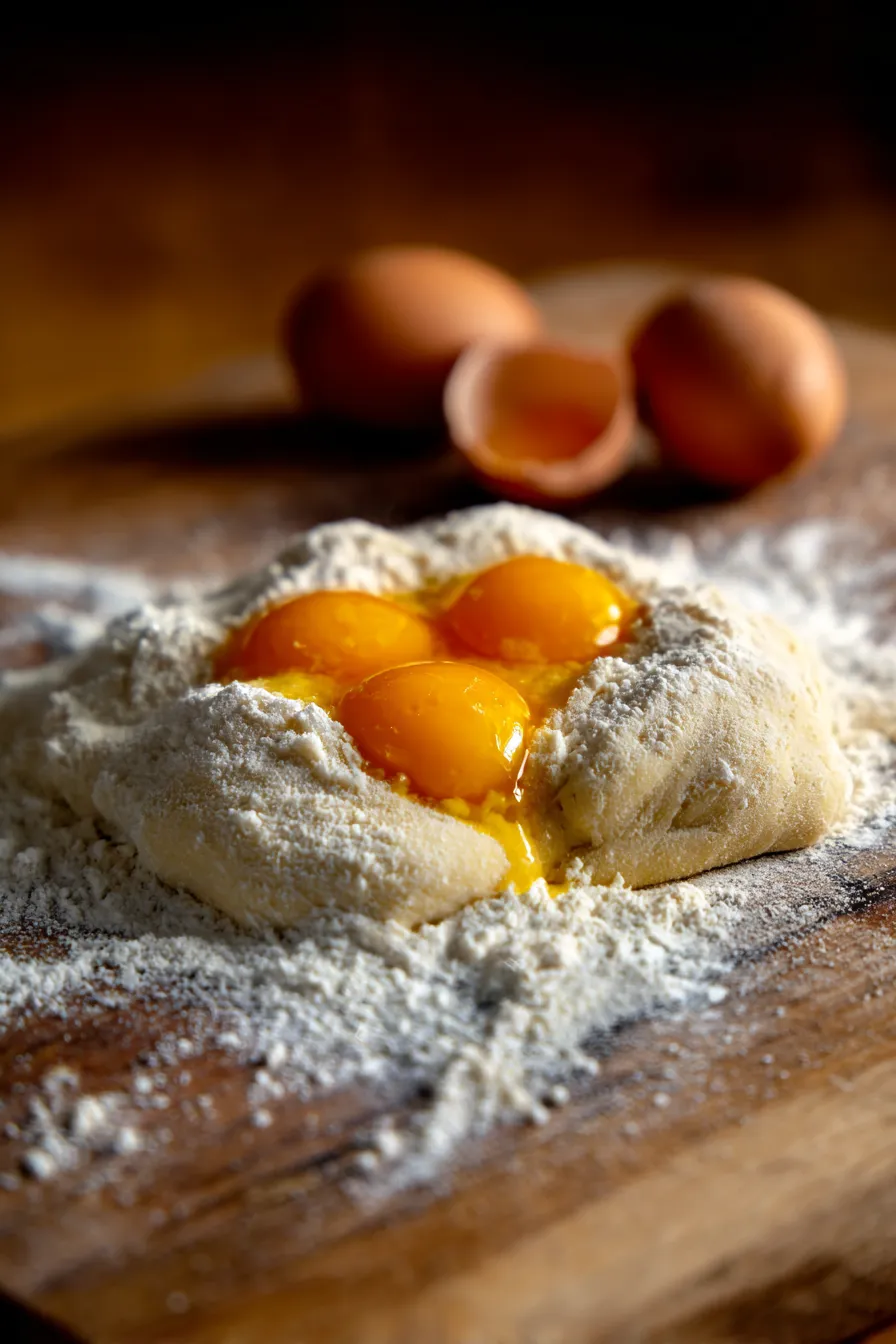
Q: Can I use only egg yolks for my pasta dough?
A: Yes! Many traditional Italian recipes call for only egg yolks (or a higher ratio of yolks to whites) for a richer, more vibrant yellow pasta with a silkier texture. This makes a wonderfully decadent pasta, often used for specific regional dishes. Just adjust the flour content slightly as needed to achieve the right consistency.
Conclusion
There you have it – the ultimate guide to creating The only pasta dough recipe you need! Stepping into the world of homemade pasta is a culinary journey that’s incredibly rewarding. The taste, the texture, the aroma – everything is elevated when you make it yourself. So roll up your sleeves, embrace the process, and prepare to impress everyone (especially yourself!) with your delicious creations. Don’t forget to pin this recipe for later, and happy pasta making!
The Only Pasta Dough Recipe You Need! Homemade & Easy
Ingredients
- 2 cups (240g) 00 flour or all-purpose flour, plus more for dusting
- 3 large eggs (approx. 150g), at room temperature
- 1 tablespoon olive oil (optional, but adds tenderness)
- 1/2 teaspoon fine sea salt
Instructions
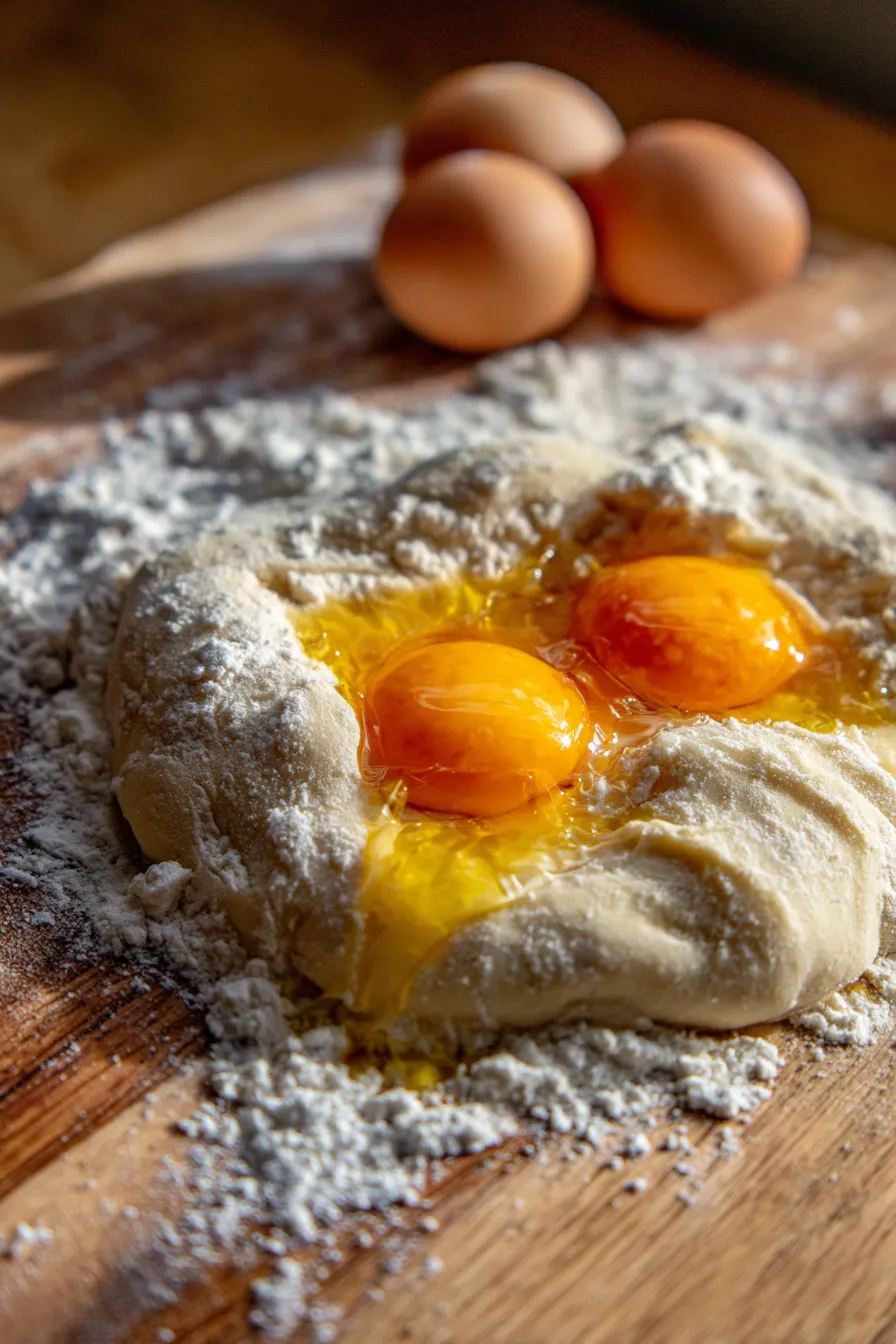
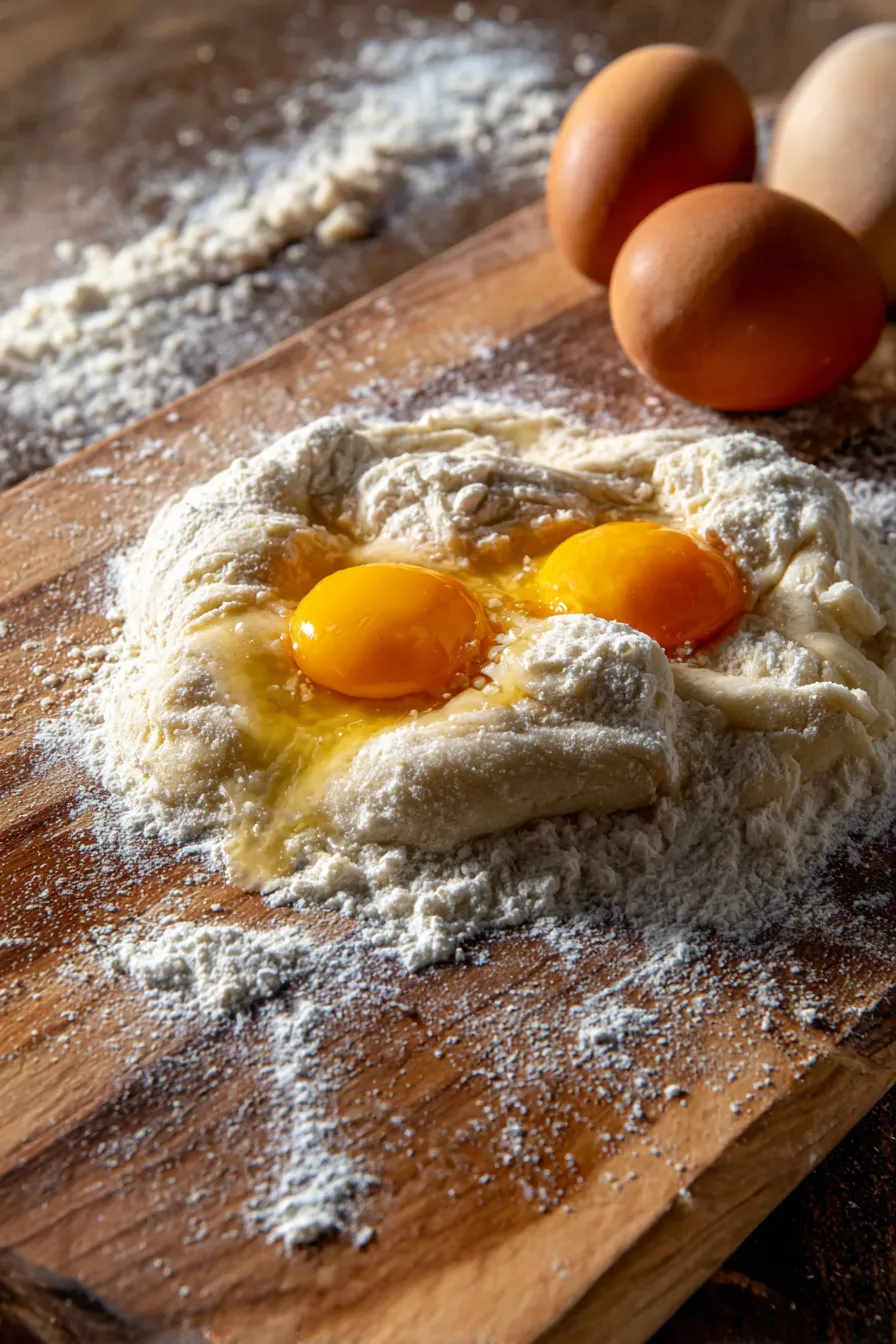
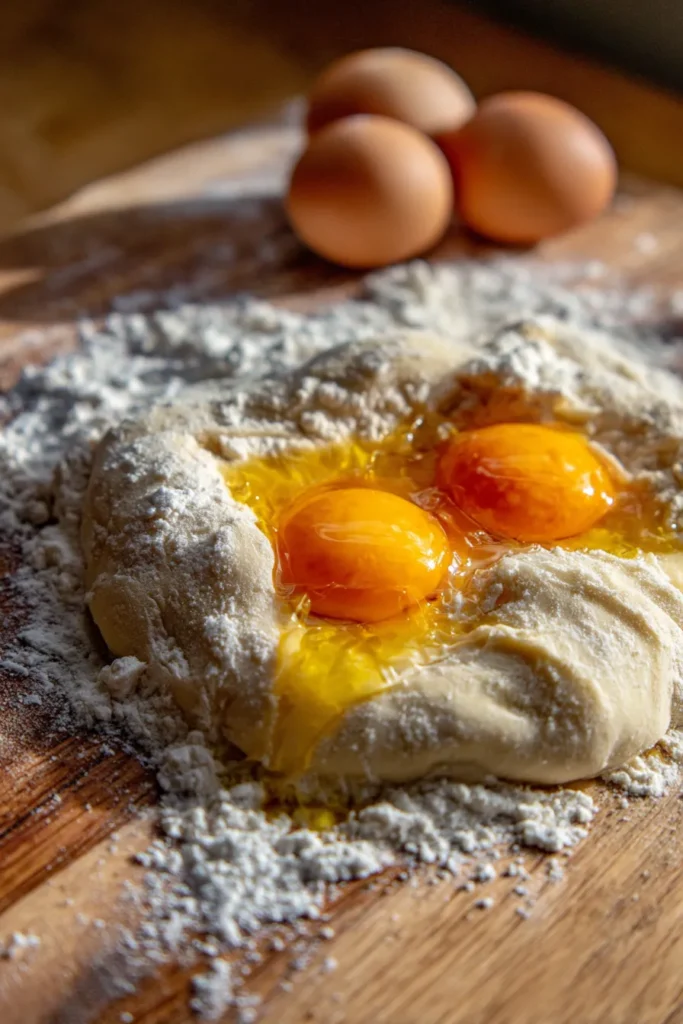
- Step 1 1. Form the well: On a clean, flat surface (wood or marble is ideal), pour the flour into a mound. Use your fingers to create a deep well in the center, ensuring the walls are thick enough to hold liquid.
- Step 2 2. Add liquids: Crack the eggs directly into the well. Add the olive oil and salt. Use a fork to gently whisk the eggs, slowly incorporating small amounts of flour from the inner walls of the well. Be careful not to break the walls too quickly, or the eggs will spill.
- Step 3 3. Combine dough: Continue to mix with the fork until a thick, paste-like consistency is formed. Then, use your hands to gradually pull in the remaining flour from the outside, mixing until a shaggy dough forms. Scrape any stuck bits from the surface.
- Step 4 4. Knead the dough: Begin kneading the dough. Push it away from you with the heel of your hand, then fold it back towards you, rotating it slightly. Continue kneading for 8-10 minutes. The dough will start rough but become smooth, elastic, and firm. It should spring back when poked and pass the 'window pane' test (stretch a small piece until translucent without tearing).
- Step 5 5. Rest the dough: Form the dough into a ball. Wrap it tightly in plastic wrap (or cover with an inverted bowl) and let it rest at room temperature for at least 30 minutes, or up to 1 hour. This allows the gluten to relax, making the dough easier to roll.
- Step 6 6. Roll the dough (by machine): Cut the dough into 2-4 pieces. Work with one piece at a time, keeping the others wrapped. Flatten a piece into a rectangle. Pass it through the widest setting of your pasta machine. Fold the dough into thirds and pass it through again (repeat 2-3 times) until it's a smooth rectangle. Gradually decrease the machine's setting, passing the dough through each setting once, until you reach your desired thickness (usually setting 5 or 6 out of 7-9).
- Step 7 6. Roll the dough (by hand): On a lightly floured surface, use a rolling pin to roll the dough from the center outwards, turning and flipping the dough frequently, until it's very thin and almost translucent. Dust with flour as needed to prevent sticking.
- Step 8 7. Cut the pasta: Once the dough is rolled thin, you can cut it into your desired shape. For long pasta (fettuccine, tagliatelle), either use the pasta machine's cutter attachment or, by hand, lightly flour the sheet, fold it loosely into a log, and slice with a sharp knife to your desired width. Immediately unfurl the cut pasta and toss it lightly with semolina flour to prevent sticking.
- Step 9 8. Cook the pasta: Bring a large pot of heavily salted water to a rolling boil. Add the fresh pasta and cook for 2-4 minutes, or until al dente. Fresh pasta cooks very quickly, so taste frequently to avoid overcooking. Drain and serve immediately with your favorite sauce.