Spicy Beef Enchiladas: A Flavor Fiesta Craving a dish that’s both comforting and bursting with flavor? Look no further than spicy beef enchiladas. This classic Mexican-inspired meal is a crowd-pleaser, perfect for a weeknight dinner or a weekend gathering. Packed with seasoned ground beef, smothered in a vibrant sauce, and topped with melted cheese, these…
Spicy Beef Enchiladas: A Flavor Fiesta
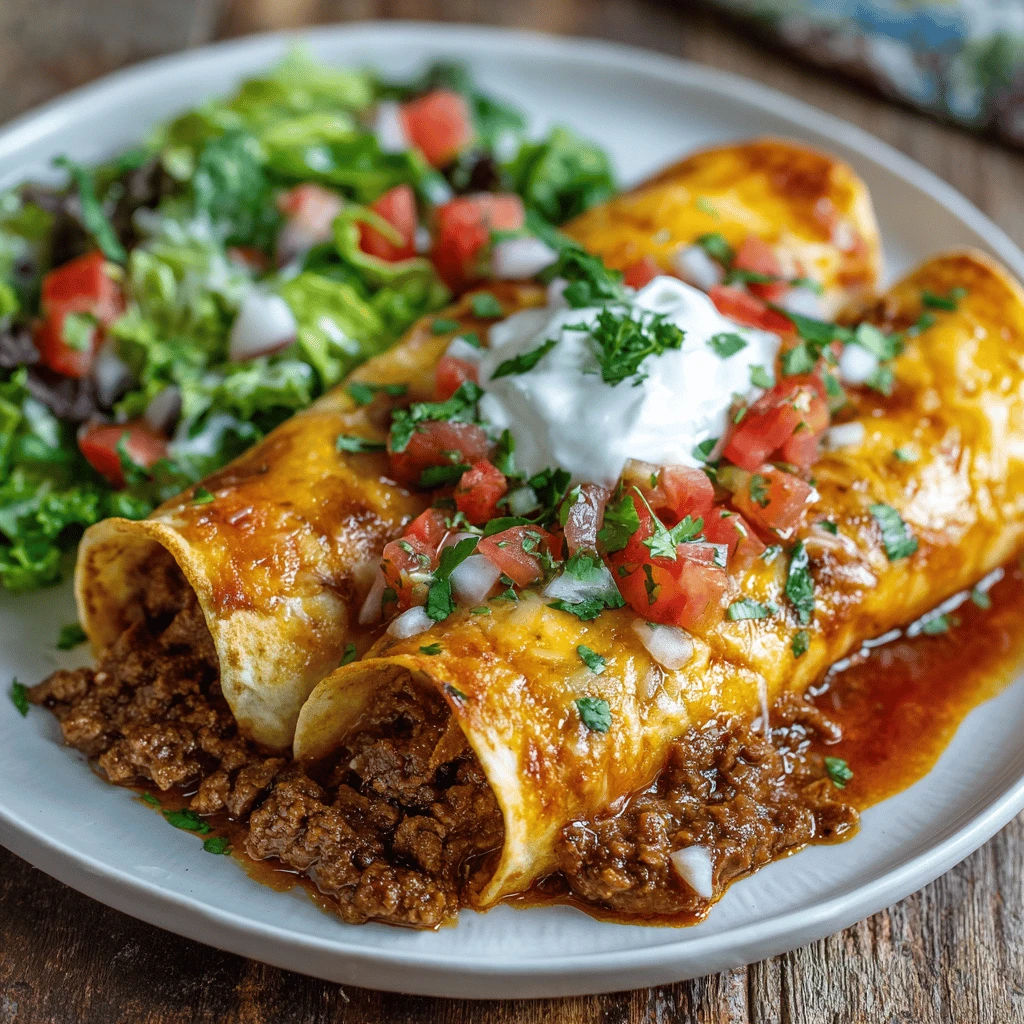
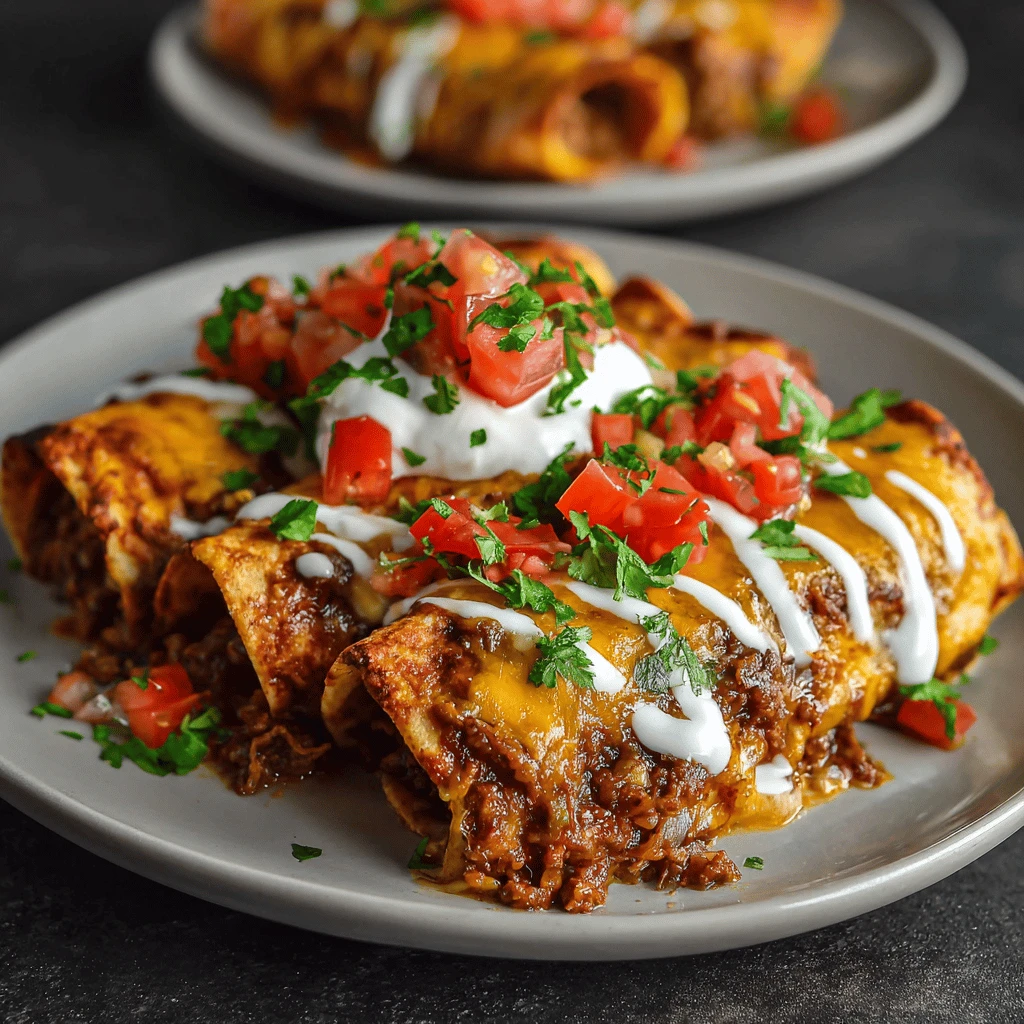
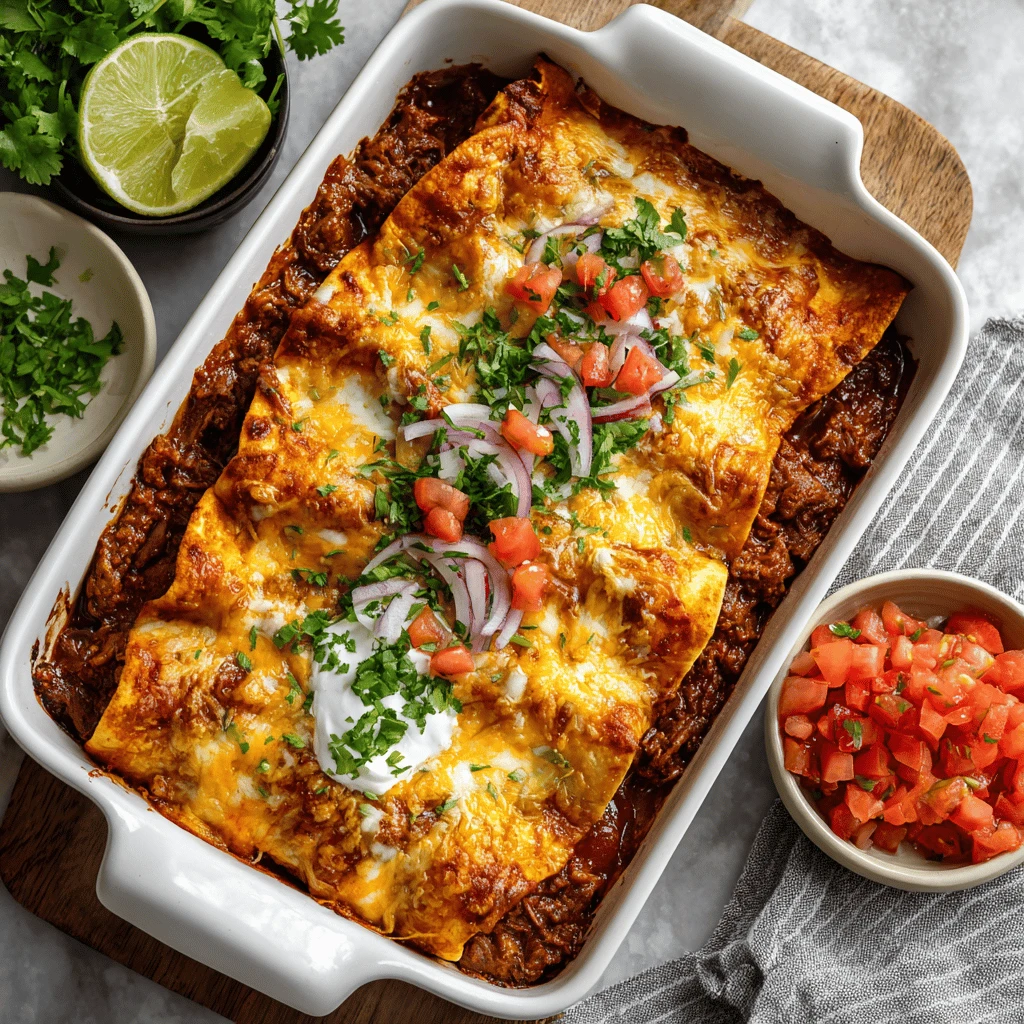
Craving a dish that’s both comforting and bursting with flavor? Look no further than spicy beef enchiladas. This classic Mexican-inspired meal is a crowd-pleaser, perfect for a weeknight dinner or a weekend gathering. Packed with seasoned ground beef, smothered in a vibrant sauce, and topped with melted cheese, these enchiladas are a guaranteed taste sensation. Let’s dive into the secrets of creating enchiladas that will tantalize your taste buds and leave everyone asking for seconds.
Mastering the Art of Spicy Beef Enchiladas
Making great enchiladas isn’t as complicated as it might seem. It’s all about building layers of flavor and using quality ingredients. From selecting the right beef to crafting a robust enchilada sauce, each step plays a vital role in the final result.
Choosing the Right Beef
The foundation of any good beef enchilada is, of course, the beef. Opt for ground beef with a lean-to-fat ratio of 80/20 or 85/15. This provides enough fat to keep the beef moist and flavorful without being overly greasy. When browning the beef, be sure to break it up into small pieces for even cooking. Draining off any excess fat after browning is crucial for preventing a soggy enchilada. Some recipes incorporate chuck roast, brisket, or shredded beef.
For a richer flavor, consider using chuck roast. Sear the roast on all sides before slow-cooking it until tender. Once cooked, shred the beef and mix it with your desired spices. Alternatively, brisket can be used for a smoky and flavorful filling. Slow-cook the brisket until it’s fall-apart tender, then shred and combine it with the spice blend.
Shredded beef provides a different texture compared to ground beef. While not as traditional, it offers a more substantial bite. Ensure the shredded beef is well-seasoned and not too dry. Pre-cooked shredded beef can be used for convenience, but homemade will always yield superior results.
Crafting the Perfect Enchilada Sauce
The enchilada sauce is the soul of the dish. While store-bought sauces are convenient, making your own sauce from scratch is surprisingly easy and yields a far superior flavor. A basic enchilada sauce typically consists of dried chiles, tomatoes, garlic, onions, and spices.
There are several types of enchilada sauce, each with its unique flavor profile. Red enchilada sauce is the most common and is made with dried red chiles such as ancho, guajillo, and New Mexico chiles. Green enchilada sauce, or salsa verde, uses tomatillos, jalapeños, and cilantro for a tangy and spicy flavor.
To make red enchilada sauce, start by toasting the dried chiles to enhance their flavor. Rehydrate them in hot water for about 20-30 minutes until softened. Blend the chiles with tomatoes, garlic, onions, and spices until smooth. Simmer the sauce for at least 30 minutes to allow the flavors to meld together.
If you’re short on time, a shortcut is to use canned tomato sauce or diced tomatoes as a base. Sauté onions and garlic, then add the tomato sauce, chili powder, cumin, and other spices. Simmer for 15-20 minutes to allow the flavors to develop.
No matter which method you choose, taste and adjust the seasoning to your preference. A pinch of sugar can balance the acidity of the tomatoes, while a squeeze of lime juice can brighten the flavor.
Choosing Your Tortillas
Corn tortillas are the traditional choice for enchiladas, but flour tortillas can also be used, especially if you prefer a softer texture. Corn tortillas have a slightly earthy flavor that complements the beef and sauce, while flour tortillas offer a milder, more pliable option.
Before filling the tortillas, it’s essential to warm them. This makes them more pliable and prevents them from cracking when rolled. There are several ways to warm tortillas:
- Microwave: Wrap a stack of tortillas in a damp paper towel and microwave for 30-60 seconds.
- Skillet: Heat a dry skillet over medium heat. Warm each tortilla for a few seconds on each side until pliable.
- Oven: Wrap a stack of tortillas in foil and heat in a preheated oven at 350°F (175°C) for about 10-15 minutes.
Warming tortillas is a step that should not be skipped, regardless of your tortilla choice.
Adding the Spice: Heat Levels Explained
The beauty of spicy beef enchiladas lies in the ability to customize the heat level to your preference. Whether you prefer a mild warmth or a fiery kick, there are several ways to adjust the spiciness of your dish.
Incorporating Hot Peppers
One of the easiest ways to add heat to your enchiladas is by incorporating hot peppers into the filling or sauce. Jalapeños, serranos, and habaneros are all popular choices, each offering a different level of heat.
Jalapeños are relatively mild and provide a pleasant warmth. Serranos are hotter than jalapeños and add a more noticeable kick. Habaneros are among the hottest peppers and should be used sparingly, especially if you’re sensitive to spice.
When using fresh peppers, be sure to handle them with care. Wear gloves to prevent burning your skin, and avoid touching your eyes. Remove the seeds and membranes for a milder flavor.
Chipotle peppers in adobo sauce are another great option for adding smoky heat. These peppers are smoked and dried jalapeños that have been rehydrated and canned in a tangy adobo sauce. They add a complex flavor dimension to your enchiladas.
Controlling the Chili Powder
Chili powder is a key ingredient in enchilada sauce and can significantly impact the spiciness. There are different types of chili powder available, ranging from mild to hot. Ancho chili powder is mild and fruity, while chipotle chili powder adds a smoky heat.
When adding chili powder, start with a small amount and taste as you go. You can always add more, but it’s difficult to remove the heat once it’s been added. If you prefer a milder flavor, use a combination of mild and hot chili powders.
Spicy Variations
For those who enjoy a fiery challenge, consider adding a pinch of cayenne pepper or a dash of hot sauce to the enchilada sauce or filling. These ingredients pack a serious punch and should be used with caution. Experiment with different hot sauces to find your favorite flavor profile. Some popular options include Tabasco, Sriracha, and Cholula.
Assembling and Baking Your Enchiladas
With your beef filling seasoned, your sauce simmering, and your tortillas warmed, it’s time to assemble the enchiladas. This process is relatively simple, but there are a few tips to keep in mind to ensure a perfect result.
The Rolling Technique
Lay a warmed tortilla on a clean surface. Spoon a generous amount of beef filling down the center of the tortilla. Roll the tortilla tightly and place it seam-side down in a baking dish that has been lightly greased or coated with a thin layer of enchilada sauce. Repeat until all the tortillas are filled.
Choosing the Right Baking Dish
Select a baking dish that is the right size for the number of enchiladas you are making. The enchiladas should fit snugly in the dish without being overcrowded. A 9×13 inch baking dish is typically suitable for about 8-10 enchiladas.
Topping and Baking
Once the enchiladas are arranged in the baking dish, pour the remaining enchilada sauce evenly over the top. Make sure all the enchiladas are well-coated in sauce. Sprinkle generously with shredded cheese. Monterey Jack, cheddar, and a Mexican blend are all excellent choices.
Bake in a preheated oven at 375°F (190°C) for 20-25 minutes, or until the cheese is melted and bubbly and the sauce is heated through. For a golden-brown topping, you can broil the enchiladas for the last few minutes of baking, but be sure to watch them closely to prevent burning.
Serving Suggestions and Side Dishes
Spicy beef enchiladas are delicious on their own, but they can be elevated with the right toppings and side dishes. Consider serving them with a dollop of sour cream or Greek yogurt to cool down the heat. Guacamole or sliced avocado adds a creamy texture and healthy fats. Fresh cilantro and chopped onions provide a burst of freshness and flavor.
Complementary Sides
- Rice and Beans: Mexican rice and refried beans are classic side dishes that pair perfectly with enchiladas.
- Salad: A simple green salad with a lime vinaigrette provides a refreshing contrast to the richness of the enchiladas.
- Corn on the Cob: Grilled or boiled corn on the cob is a summery side dish that complements the flavors of the enchiladas.
- Salsa and Chips: Serve with a variety of salsas, such as pico de gallo, salsa verde, and black bean salsa, along with tortilla chips for dipping.
Variations and Creative Twists
Once you’ve mastered the basic recipe for spicy beef enchiladas, feel free to experiment with different variations and creative twists to make them your own.
Vegetarian Options
For a vegetarian option, replace the ground beef with black beans, pinto beans, or lentils. You can also add vegetables such as corn, bell peppers, and zucchini to the filling.
Chicken Enchiladas
Substitute shredded chicken for the ground beef. Rotisserie chicken is a convenient option, or you can cook and shred your own chicken breasts or thighs.
Cheese Enchiladas
For a simple and cheesy option, fill the tortillas with a mixture of cheeses such as cheddar, Monterey Jack, and Oaxaca cheese. Top with enchilada sauce and more cheese before baking.
Sour Cream Enchiladas
Mix sour cream with the enchilada sauce for a creamy and tangy twist. This variation is especially delicious with chicken enchiladas.
Different Cheese Options
Experiment with different types of cheese, such as pepper jack for extra heat, or cotija cheese for a salty and crumbly topping.
Frequently Asked Questions
Can I make enchiladas ahead of time?
Yes, you can assemble the enchiladas ahead of time and store them in the refrigerator for up to 24 hours. Add the cheese just before baking. You may need to add a few minutes to the baking time if baking from cold.
How do I prevent my enchiladas from getting soggy?
To prevent soggy enchiladas, don’t overfill the tortillas, drain excess fat from the cooked beef, and avoid using too much sauce. Warming the tortillas before filling them also helps.
Can I freeze enchiladas?
Yes, you can freeze enchiladas. Assemble the enchiladas, but don’t bake them. Wrap them tightly in plastic wrap and then in foil. Freeze for up to 3 months. When ready to bake, thaw in the refrigerator overnight and then bake as directed.
What is the best cheese for enchiladas?
Monterey Jack, cheddar, and Mexican blend cheeses are all excellent choices for enchiladas. They melt well and have a mild flavor that complements the other ingredients.
Can I use store-bought enchilada sauce?
Yes, you can use store-bought enchilada sauce, but homemade sauce is always better. Look for a good quality brand or try making your own.